
Selecting the right racket bag with shoe compartment is a game-changer for badminton players who balance their passion for the sport with a busy daily commute. In tropical climates like the Philippines, where high humidity and sudden afternoon downpours are common, transporting sports gear requires careful planning. A dedicated racket bag with shoe compartment solves the primary challenge of modern court commuters: keeping sweat-dampened, dusty court shoes completely isolated from clean apparel, fresh grips, and expensive rackets. By choosing a bag designed specifically for gear separation, you protect your equipment from premature wear and streamline your transition from the office, classroom, or transit line directly to the court.
Navigating crowded streets, boarding public transit, or traveling by motorcycle with your gear demands a bag that is both durable and highly organized. Standard athletic duffels often force you to pile all your gear into a single open space, leading to scratched racket frames, tangled strings, and hygiene issues. A specialized badminton bag ensures that every piece of equipment has its designated place, allowing you to focus on your game rather than worrying about the state of your gear upon arrival. This comprehensive guide explores why dedicated footwear storage is essential, what features to prioritize during your search, and how to select the ideal bag silhouette for your daily commute.
Why Separate Footwear Storage Matters for Court Commutes
Maintaining proper hygiene and odor control is the most immediate benefit of a dedicated shoe compartment. Badminton is an intense, high-cardio sport that causes significant foot perspiration. When you finish a match and pack your gear, placing damp court shoes in the same compartment as your clean change of clothes, face towels, and replacement grips quickly leads to cross-contamination. The moisture and bacteria from your shoes can transfer to your clean fabrics, resulting in persistent odors and mold growth that are incredibly difficult to eliminate in humid environments.
Products mentioned in this guide
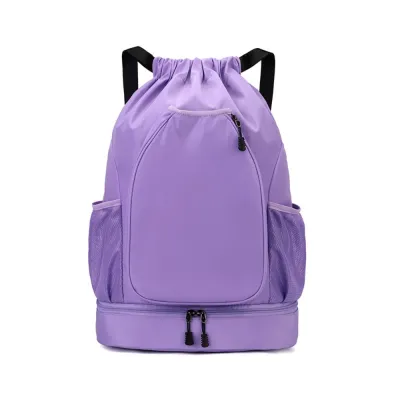
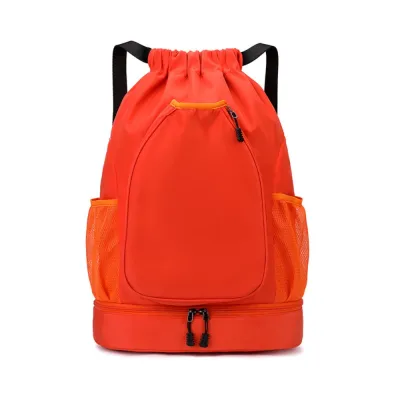
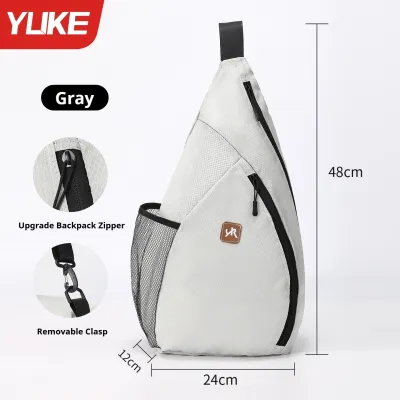
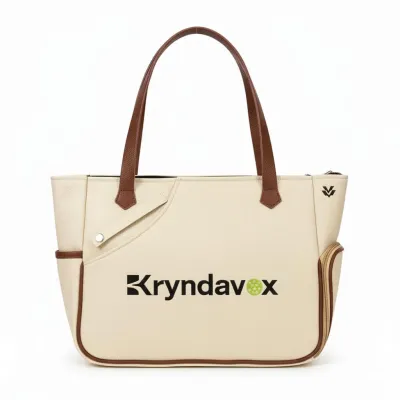
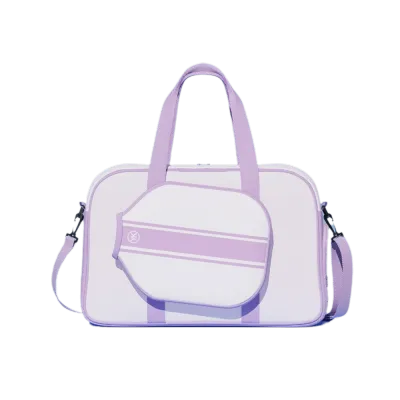
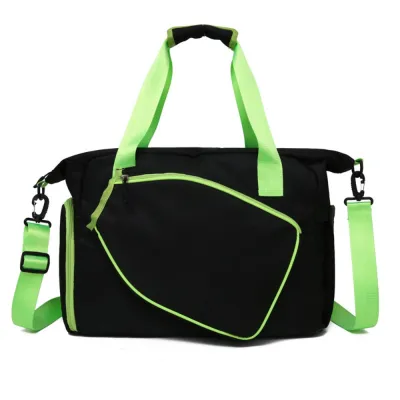
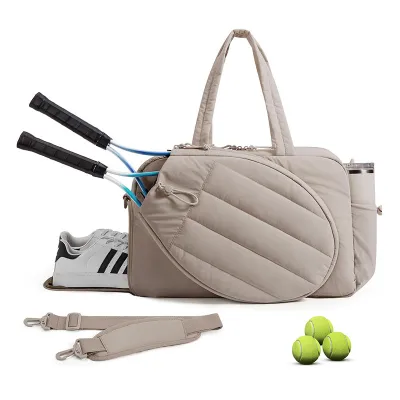
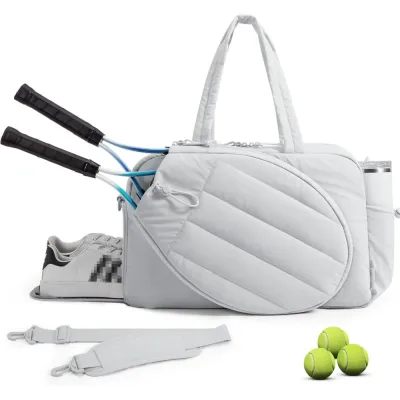
Prices are valid at publication and may change. Please refer to the product page for the latest price.
Beyond hygiene, isolating your footwear is crucial for protecting the structural integrity of your badminton rackets. Court shoes naturally collect dust, fine grit, and moisture from the court surface and outdoor walkways. If these shoes are allowed to shift freely inside a bag alongside your rackets, the abrasive debris can scratch the racket’s protective paint, damage the delicate plastic grommets, and cause premature wear on the strings. A single deep scratch or a compromised grommet can weaken a graphite frame, making it susceptible to cracking under high string tension during a powerful smash.
Finally, a dedicated shoe compartment significantly streamlines your transition to and from the court. Commuting via public transit, walking through busy commercial areas, or riding a scooter requires a compact, self-contained carrying solution. Fumbling with separate plastic grocery bags or shoe sacks is inconvenient and increases the risk of leaving essential gear behind. A bag with an integrated, externally accessible shoe sleeve allows you to change into your court shoes quickly and pack up efficiently, keeping your dirty soles completely sealed away from the rest of your belongings.
Essential Features to Evaluate in a Commuter Racket Bag
When evaluating a racket bag with shoe compartment, the design of the shoe sleeve itself should be your first consideration. Look for compartments that feature dedicated ventilation, such as mesh panels, metal eyelets, or breathable grommets. These vents allow air to circulate, helping to dry out damp shoes and prevent the buildup of stagnant, humid air inside the bag. Additionally, check whether the compartment uses a sealed inner lining or a flexible, expanding gusset. A sealed lining prevents dirt and moisture from seeping into other pockets, while an expanding gusset ensures the bag can accommodate bulkier court shoes without sacrificing too much space in the main gear compartments.

Racket protection is another critical specification to verify. High ambient temperatures and humidity can negatively affect racket frames and string tension. When commuting in warm climates, look for bags that feature thermal-lined compartments. These sections are typically lined with a reflective foil or specialized insulating material designed to shield your rackets from extreme heat during transit. Furthermore, ensure the racket compartment includes padded dividers or individual sleeves. This padding prevents multiple rackets from clashing against one another, protecting the frames from structural damage and paint chips when you are on the move.
Overall capacity and smart organization are vital for a smooth commute. A great commuter bag must accommodate more than just rackets and shoes. It should feature dedicated space for shuttlecock tubes, a change of clothes, a water bottle, and personal items like your phone, wallet, and keys. Look for bags with external accessory pockets that allow you to access your valuables quickly without opening the main compartments. Some commuter-focused bags also include dedicated laptop sleeves, making them highly versatile options for players who head straight to the court after a day at work or university.
Carrying comfort and long-term durability are the final pieces of the puzzle. Commuting on foot or standing on crowded transit lines requires excellent weight distribution and ergonomic support. Prioritize bags with thick, padded shoulder straps that feature breathable mesh backing to minimize sweat buildup on your shoulders and back. Reinforced stitching at high-stress points, such as where the straps connect to the bag body, is essential for carrying heavy loads. Additionally, look for a water-resistant base material, such as TPU or heavy-duty polyester, which protects the bottom of your bag when you set it down on dusty court floors or damp outdoor surfaces.
Matching Bag Silhouettes to Your Gear and Commute
Backpack-style racket bags are highly popular among active commuters who prioritize mobility and hands-free convenience. These bags distribute weight evenly across both shoulders, making them the ideal choice for players who ride motorcycles, bicycle, or walk long distances to their local sports centers. Most commuter backpacks feature a bottom-entry shoe compartment that keeps the heaviest item at the base of the bag for better balance. While they typically hold fewer rackets than larger tournament bags—usually between two and three—they offer a compact, streamlined profile that easily navigates crowded spaces.
Shoulder and tote-style bags offer a stylish, low-profile alternative for casual players or those who primarily travel by car or taxi. These bags are designed for quick transitions, allowing you to sling the bag over one shoulder and access your gear in seconds. While they have a smaller overall footprint, many modern sports totes still incorporate a dedicated side-access shoe sleeve. This style is perfect for players who carry a minimal loadout—typically one or two rackets, a tube of shuttlecocks, and a fresh shirt—and prefer a bag that blends seamlessly into professional or casual environments.
Square or tournament-style bags are the ultimate choice for serious club players and tournament competitors who carry a substantial amount of gear. These rectangular, multi-compartment bags can easily hold six to twelve rackets, multiple changes of clothing, towels, and accessories. They feature large, dedicated shoe compartments that keep dirty footwear completely isolated. While their bulkier size makes them more challenging to carry on public transit, most modern tournament bags feature hideaway backpack straps, allowing you to carry them comfortably over longer distances when necessary.
Building Your Shortlist: A Practical Buyer's Checklist
To find a reliable racket bag with shoe compartment on online marketplaces or in physical sports stores, it is important to look beyond basic marketing claims. Use this practical checklist to evaluate your options and build a shortlist of high-quality bags:
- Measure Your Shoes: Do not assume every shoe compartment will fit your footwear. If you wear a larger shoe size, check the physical dimensions of the bag's shoe sleeve. Forcing a bulky court shoe into a tight space strains the zippers and can damage the bag's internal lining.
- Verify Material Specs: Look for manufacturer descriptions that explicitly mention water-resistant outer fabrics, such as high-denier polyester or nylon. Confirm if the racket compartment features thermal insulation to protect your strings from heat.
- Inspect the Hardware: Zippers are the most common failure point on sports bags. Look for heavy-duty, double-zipper designs on the main compartments and the shoe sleeve. If shopping in a physical store, test the zippers to ensure they glide smoothly without catching on the fabric.
- Check the Base Padding: A quality bag should have extra padding or a reinforced panel at the bottom. This protects your rackets and shoes from impact when the bag is placed on hard surfaces like concrete or wooden court benches.
- Analyze User Reviews: When browsing online, filter customer reviews to look for feedback on the shoe compartment's durability, zipper quality, and ventilation performance. Real-world experiences from other commuters can reveal potential design flaws that are not visible in product photos.
Frequently Asked Questions (FAQ)
Can You Store Wet Clothes in the Shoe Compartment?
While it may be tempting to toss a sweat-soaked jersey or a damp towel into the shoe compartment after a grueling match, standard shoe compartments are not designed for wet storage. Although they feature ventilation eyelets, the airflow inside a closed bag is insufficient to dry wet fabrics quickly. Leaving damp clothing in the compartment alongside your shoes creates a high-humidity environment that accelerates the growth of mold, mildew, and stubborn odors. Instead, keep a separate, waterproof dry bag or wet pouch inside your main compartment to isolate wet clothes, and reserve the shoe compartment strictly for your court footwear.
How to Clean and Maintain the Shoe Compartment
To keep your bag hygienic and odor-free, establish a regular cleaning routine. After every playing session, remove your court shoes immediately to let both the shoes and the compartment air out. Periodically wipe down the interior lining of the shoe sleeve with a damp microfiber cloth and a mild, diluted soap solution to remove accumulated dirt, dust, and sweat residue. Avoid using harsh chemical cleaners, bleach, or abrasive brushes, as these can degrade the water-resistant coatings and damage the fabric seams. Once cleaned, leave the shoe compartment fully unzipped in a well-ventilated, shaded indoor area until it is completely dry before packing your gear for your next commute.
Community discussion
Share your experience or ask a question. Comments are reviewed before publication.