
When competing in local badminton tournaments, your bag serves as your mobile base of operations. A suitable tournament bag must accommodate your racket rotation, isolate damp shoes and sweaty apparel, and protect sensitive strings from tropical heat and humidity. Selecting the right gear depends on your transit method, tournament frequency, and the specific climate conditions of local sports centers.
Racket Capacity and Compartment Layout
Tournament players rarely carry just one or two rackets. Tension loss, broken strings, or frame damage during a high-intensity match requires immediate backups to keep you in the competition. A dedicated tournament bag should comfortably hold three to six rackets without compressing the frames or damaging the grommets. Look for bags with multiple main compartments so you can separate your primary rackets from backup frames and other bulky gear.
Badminton courts require specialized indoor court shoes that must remain clean and dry to maintain grip on the court surface. An independent, ventilated shoe compartment is essential to isolate dirty soles and moisture from your clean apparel and rackets. This compartment typically zips from the bottom or side of the bag, preventing court dust, sweat, and odor from transferring to your main storage areas.
Products mentioned in this guide
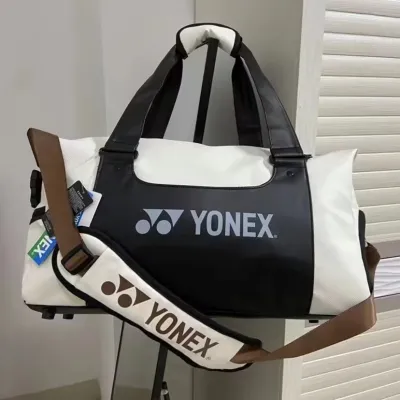
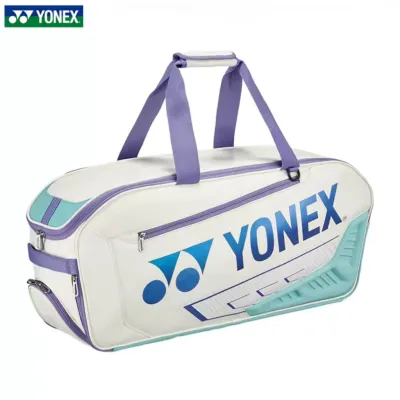
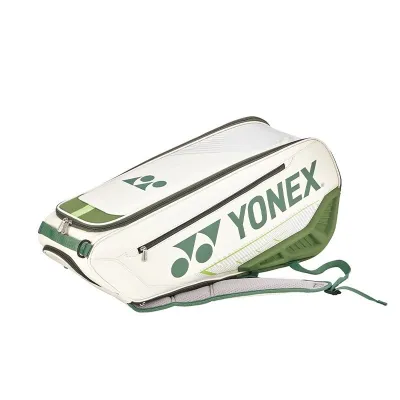
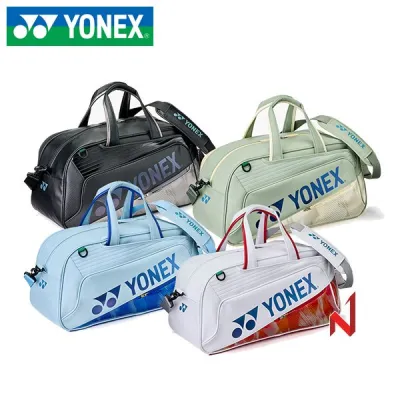
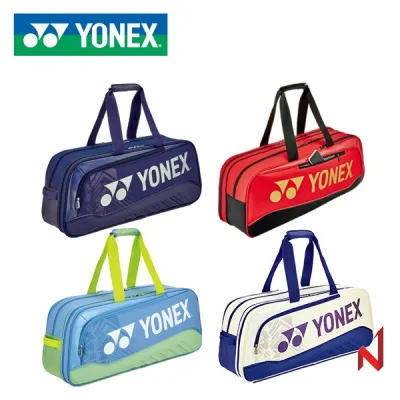
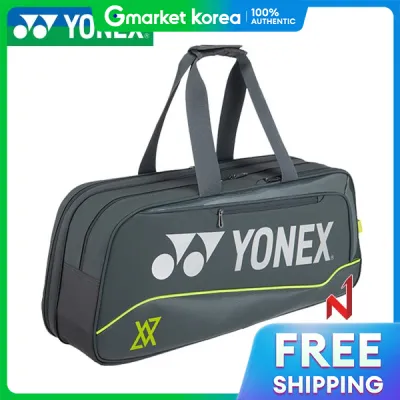
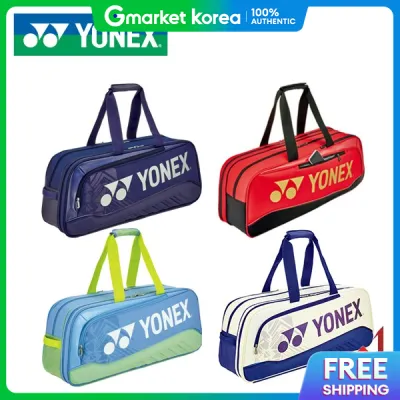
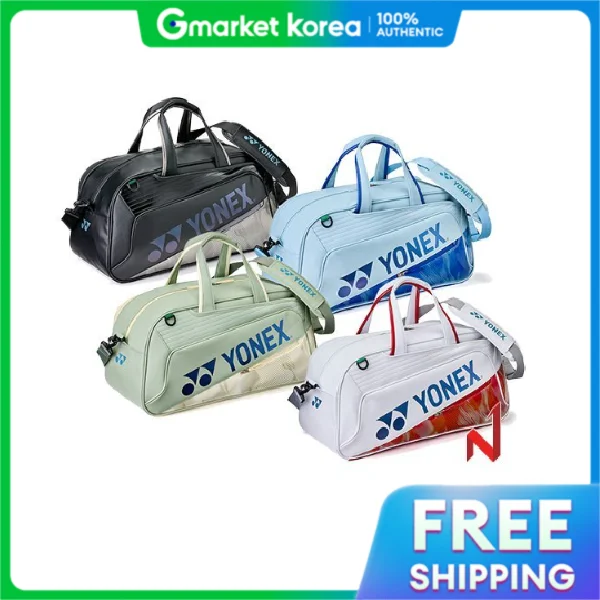
Prices are valid at publication and may change. Please refer to the product page for the latest price.
Beyond rackets and shoes, competitive play requires quick access to shuttlecocks, replacement grips, scissors, sports tape, and personal items. Dedicated side pockets and internal mesh organizers prevent these small items from getting crushed at the bottom of a large compartment. Keeping your grip rolls and scissors in designated slots speeds up retrieval during short breaks between matches.
Essential Features for Tournament Play
Tropical heat and high humidity can rapidly degrade badminton strings, causing tension drop or premature breakage. When checking tournament bags, look for compartments lined with thermal insulation material. This lining acts as a barrier against extreme temperature fluctuations, especially when traveling to venues or leaving your bag in a vehicle. Verify the presence of this silver or foil-like lining inside the racket compartments before purchasing.

Tournament days often involve long waiting periods and moving between different courts or venues. A bag’s carrying system directly impacts physical fatigue before you even step onto the court. Dual padded backpack straps distribute weight evenly across both shoulders, which is highly beneficial if you travel via public transit or walk long distances. Single shoulder straps or duffel-style handles offer quick grab-and-go convenience but can cause muscle strain if the bag is fully loaded.
Local weather can shift rapidly from intense sun to sudden tropical downpours. The exterior material of your bag must resist water penetration to protect expensive graphite frames and dry clothing. Look for heavy-duty polyester, nylon, or polyurethane (PU) coatings that can be easily wiped clean. Check the quality of the zippers and seams, as these are the primary points where moisture can seep in during transit.
Evaluating the Yonex Expert Tournament Bag and Similar Options
When evaluating premium options like the Yonex Expert Tournament Bag or similar high-capacity models, start by verifying the physical dimensions against your gear checklist. While product descriptions may list a specific racket capacity, this often assumes rackets are stored without their individual covers. Check how the compartments are divided to ensure your actual rotation of rackets, change of clothes, and water bottles will fit without forcing the zippers.
Do not rely solely on general product titles to guarantee specialized features like thermal protection. Inspect the manufacturer tags or product specifications for explicit mentions of thermal lining technology in the designated racket sections. Some model variations within the same product line may omit insulation in favor of lighter materials, making it crucial to verify the exact specifications before finalizing your choice.
Consider the trade-off between maximum storage capacity and the empty weight of the bag. A highly structured, heavy-duty tournament bag provides excellent protection but can be heavy and bulky even before you pack your gear. If your local tournament commute involves riding a motorcycle, tricycle, or walking through crowded venues, a slightly lighter or more flexible bag structure might offer better mobility than a rigid, oversized case.
Frequently Asked Questions (FAQ)
How do I clean and maintain a badminton tournament bag?
To maintain your bag, start by completely emptying all compartments after every tournament to prevent trapped moisture from causing mold. Wipe down the interior and exterior surfaces with a soft, damp cloth to remove sweat, dirt, and court dust. Always air-dry the bag completely in a shaded, well-ventilated indoor area away from direct sunlight, which can warp materials and damage thermal linings. Check the manufacturer’s care label for specific washing instructions, and avoid using harsh chemical cleaners or machine washing unless explicitly permitted.
Is a wheeled badminton bag better than a backpack style for local tournaments?
Deciding between a wheeled bag and a backpack depends heavily on your transit habits and the tournament venues you visit. Wheeled bags excel on flat, paved surfaces and spacious indoor arenas, reducing physical strain on your shoulders during long days. However, they are often heavier when empty, have a larger storage footprint, and are difficult to maneuver on uneven roads, stairs, or crowded public transport. Additionally, wheels and telescoping handles introduce mechanical parts that require regular cleaning to prevent dirt buildup and can fail under heavy loads.
Community discussion
Share your experience or ask a question. Comments are reviewed before publication.