
Finding the right tennis ball training machine for home practice in a limited space requires shifting your focus from raw power to smart, compact design. In tight environments like a suburban driveway, a small backyard, or a high-rise condominium, a massive commercial feeder is impractical. The ideal compact machine must balance physical dimensions, noise control, and adjustable feed rates so you can refine your strokes without damaging your surroundings or disturbing your neighbors.
By focusing on highly adjustable, low-footprint models, you can turn even a modest paved area into a functional training zone. The key is to match the machine’s physical capabilities with your specific spatial constraints, storage limits, and noise tolerances rather than simply chasing the highest speed or capacity.
Measuring Your Available Space and Realistic Drill Distances
Before purchasing any training equipment, you must measure the physical boundaries of your designated practice zone. A standard tennis court baseline sits 39 feet (about 11.8 meters) from the net, but home setups rarely offer this depth. For full-swing groundstroke practice, you generally need a clear path of at least 20 to 30 feet to allow the ball to bounce and rise naturally before you make contact.
Products mentioned in this guide
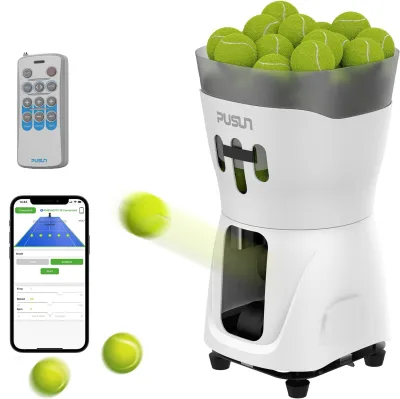
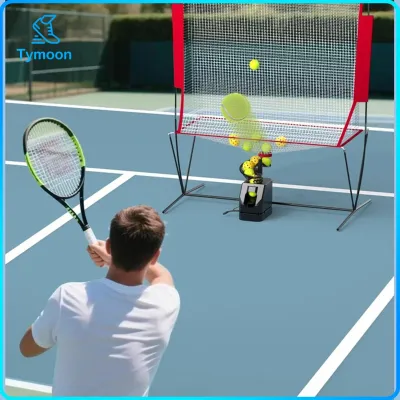
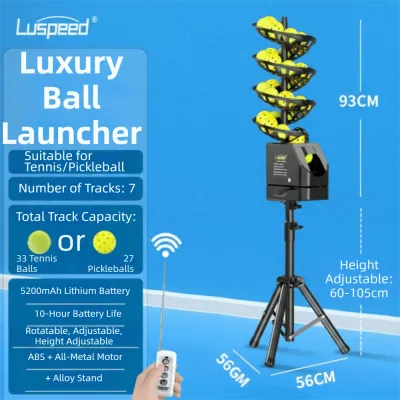
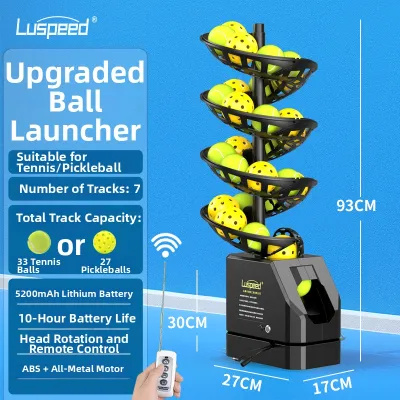
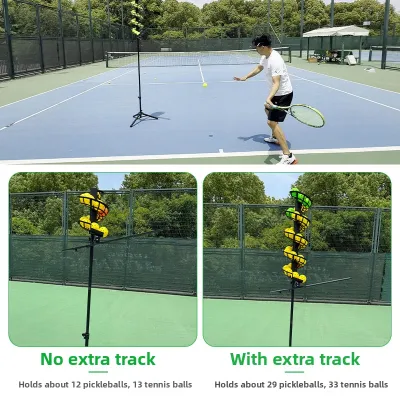
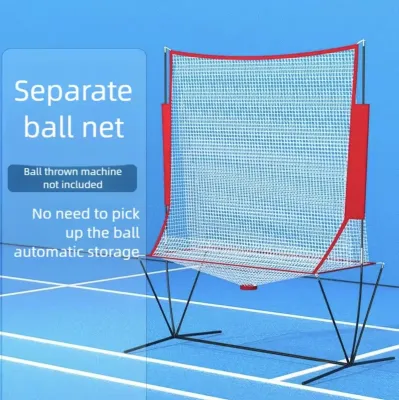
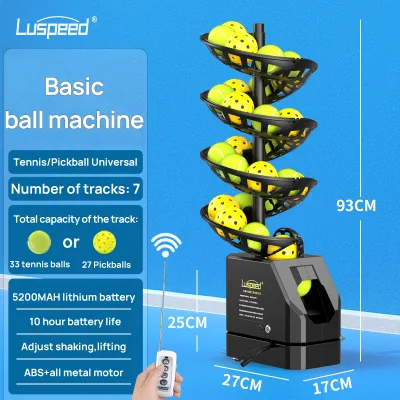
Prices are valid at publication and may change. Please refer to the product page for the latest price.
If your space is shorter than this, your training must pivot from full-power baseline drives to short-court volleys, half-volleys, and rapid reaction drills. Adjusting your expectations and drill selection ensures you can still get a highly effective workout without needing a full-sized court.
Indoor spaces and covered carports present vertical and lateral challenges that you must map out beforehand. Low ceilings, hanging light fixtures, and narrow walls can severely restrict your racket path, turning a relaxed practice session into a stressful exercise in avoiding property damage. If you are practicing in a garage or a walled courtyard, ensure there is enough lateral clearance for a complete follow-through on both forehand and backhand sides.
Uneven surfaces also dictate what kind of drills are feasible at home. Rough pavers, cracked concrete, or soft grass can cause unpredictable ball bounces, which increases the risk of ankle rolls during high-speed footwork. For these environments, focus on low-speed feeding setups that prioritize hand-eye coordination, volley placement, and controlled footwork adjustments rather than explosive lateral movement.
Selecting Machine Dimensions and Weight for Easy Storage
A compact tennis ball training machine is only useful if you can easily retrieve it from storage and set it up without straining your back. When evaluating different models, pay close attention to the physical footprint of the machine in both its operational and stored configurations. Many modern compact units feature collapsible or inverted hoppers that fold down over the main body, significantly reducing the vertical height when not in use.

Storage options in typical urban homes, such as closets, utility rooms, or the space beneath a bed frame, require strict adherence to dimensions. Always verify the manufacturer’s folded specifications against your actual storage clearance before buying. A machine that is even an inch too tall for your closet shelf will end up sitting in your living room, collecting dust and cluttering your active living space.
Portability features are equally critical for seamless home use. Look for units equipped with dedicated transport handles and durable, wide-set wheels that can glide over door thresholds, carpet edges, and outdoor gravel. If you must carry the machine up and down stairs or lift it into a car trunk, aim for a total weight that you can comfortably lift with one hand. Lightweight models often utilize high-impact plastics to keep the weight manageable without sacrificing structural integrity.
Checking Power, Noise, and Ball Capacity for Home Use
Operating a tennis ball training machine in a residential area requires careful consideration of power sources and environmental noise. Battery-powered models offer the greatest flexibility for outdoor driveways or shared subdivision courts where electrical outlets are unavailable. When choosing a battery-operated unit, verify the charging requirements and runtimes to ensure they align with your typical practice session length. If you opt for an AC-powered model, you must plan your cord routing carefully to avoid creating a dangerous tripping hazard across your practice zone.
Noise is a critical factor when practicing close to neighbors or family members. The sound of the internal motor spinning up, combined with the sharp pop of the feeding mechanism, can easily echo off concrete walls and disturb nearby residents. Look for machines that utilize quiet brushless motors and insulated internal housings to dampen operational noise. Additionally, consider the sound of the ball impacting your racket or a practice net; using pressureless balls can sometimes alter the acoustic profile of your drills.
Ball capacity is another variable that must be balanced against your physical space. While a massive 150-ball hopper sounds convenient, scattering that many balls in a confined area creates a chaotic environment. In a small space, a smaller hopper capacity of 50 to 80 balls is often preferable. This smaller capacity naturally forces you to take regular breaks to collect the balls, preventing the floor from becoming cluttered with rolling hazards that could cause you to slip or trip during a drill.
Planning a Safe Setup and Maintenance Routine for Tight Spaces
Safe operation in a restricted space depends on establishing clear boundaries and maintaining your equipment diligently. Always set up a designated safety zone behind the machine to prevent anyone from accidentally walking into the path of a high-speed ball. If you are using a practice net or rebound wall, ensure it is securely anchored and wide enough to catch off-center hits, preventing stray balls from breaking windows or flying into neighboring properties.
Indoor and semi-enclosed environments accelerate the accumulation of ball fuzz and dust inside the machine’s internal mechanisms. This debris can coat the throwing wheels, reducing grip and causing inconsistent ball launches over time. To maintain peak performance, make it a habit to wipe down the feeding wheels and vacuum the interior compartment regularly. In humid tropical climates, keeping the machine clean also prevents moisture from binding with ball dust to form a sticky residue on sensitive electronic components.
Finally, establish clear stopping conditions to protect both yourself and the machine. If you hear unusual grinding noises, smell burning plastic, or notice the feeding wheels jamming repeatedly, shut down the power immediately. Do not attempt to clear a jam while the machine is turned on, as the internal wheels can suddenly release and cause severe hand injuries. Always consult the manufacturer’s troubleshooting guide or seek professional repair services if basic cleaning does not resolve the issue.
Frequently Asked Questions (FAQ)
Can I use a standard tennis ball machine in a condo or apartment?
Using a standard, full-sized tennis ball machine inside a typical condo or apartment is highly discouraged due to space and safety limitations. Standard machines are designed for open courts where the ball has room to travel, bounce, and lose speed. In a confined indoor room, a ball launched at high speed can easily damage drywall, shatter windows, or break household fixtures. Additionally, the noise and vibration from the motor and ball impacts will likely disturb neighbors through shared walls and floors. If you must practice indoors, limit your setup to low-speed, soft-toss reaction devices paired with foam or lightweight practice balls.
Do compact tennis ball machines require a special power outlet?
Most compact tennis ball training machines are designed to run on standard household electrical outlets or built-in rechargeable batteries. You do not need specialized high-voltage outlets to operate them. However, if you are using an AC-powered model outdoors or in a garage, you must ensure the outlet is properly grounded and protected from moisture. If an extension cord is necessary, always check the manufacturer’s specifications to use a cord with the correct wire gauge and outdoor rating to prevent voltage drops or overheating.
How do I maintain a tennis ball machine stored in a small closet?
When storing your machine in a small closet, especially in humid environments, always empty the hopper completely to relieve pressure on the internal feeding tray and springs. Wipe down the exterior to remove any sweat, dirt, or moisture before putting it away. To protect the sensitive electronics and motor from dust and ambient humidity, cover the machine with a breathable, non-plastic dust cover. Avoid storing heavy items on top of the folded machine, as this can warp the plastic housing or damage the collapsible hopper mechanisms over time.
Community discussion
Share your experience or ask a question. Comments are reviewed before publication.