
Tracking progress during high-intensity football drills or weekend scrimmages requires clear, instant feedback for players and coaches alike. A reliable flip score board serves as the visual anchor of a training session, keeping competitive energy high and ensuring everyone on the pitch knows exactly where they stand. In tropical climates where intense afternoon sun and sudden downpours are part of the daily routine, choosing the right scoreboard goes beyond simply finding the most affordable option. The ideal equipment must balance high visibility, robust weather resistance, and effortless portability to withstand the rigors of outdoor training.
Visibility and Scoring Capacity for the Pitch
When selecting a flip score board, visibility from the far side of the pitch is your primary consideration. A board that is too small forces players to squint or pause their play to check the score, disrupting the flow of the session. For standard football pitches, look for boards with a minimum height of 30 centimeters and digits that stand at least 15 to 20 centimeters tall. This size ensures the numbers remain legible from a distance of 30 to 50 meters, covering the typical viewing range of a half-pitch training setup.
Contrast is equally critical for quick, error-free reading during fast breaks. Opt for high-contrast color schemes, such as bold white digits printed on a matte black or deep blue background, or vibrant red numbers for the away team to establish a clear visual distinction. Matte finishes are highly recommended because they minimize glare under the harsh midday sun. Additionally, check the layout of the board; models that feature color-coded borders or dedicated slots for team name placards help players instantly identify their score, even from a wide angle on the sidelines.
Products mentioned in this guide
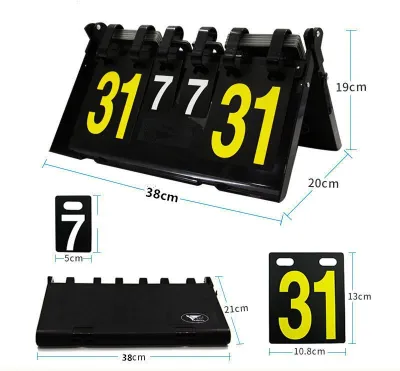
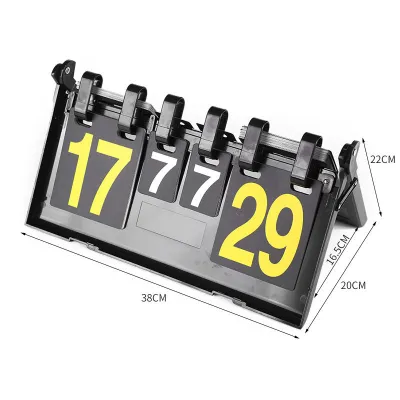
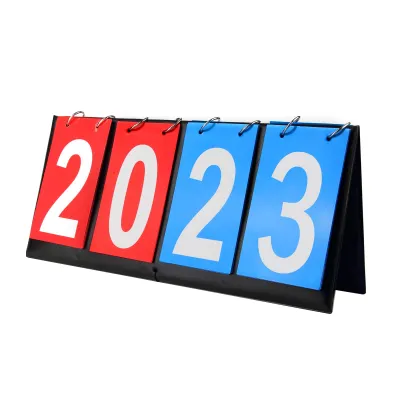
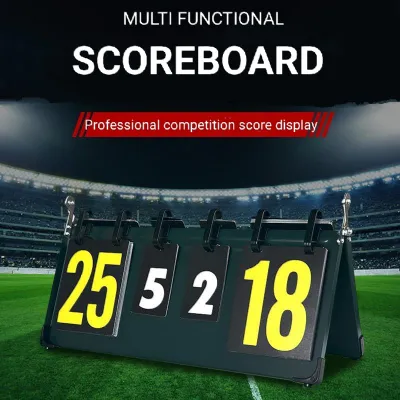
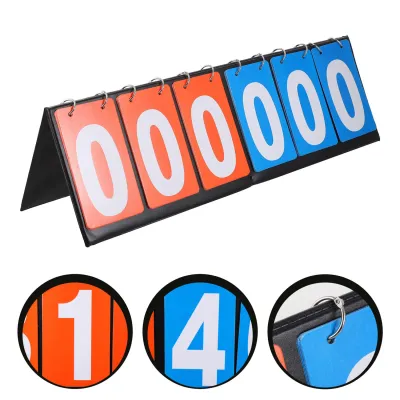
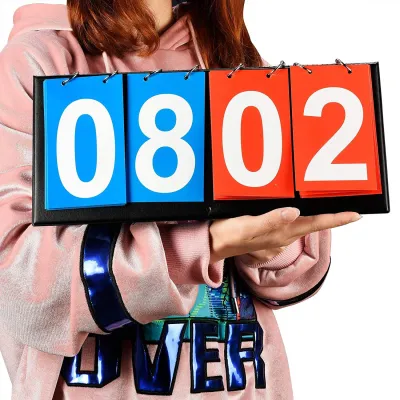
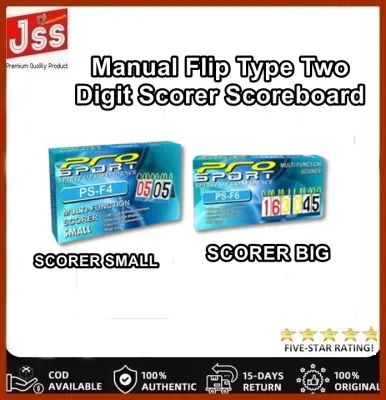
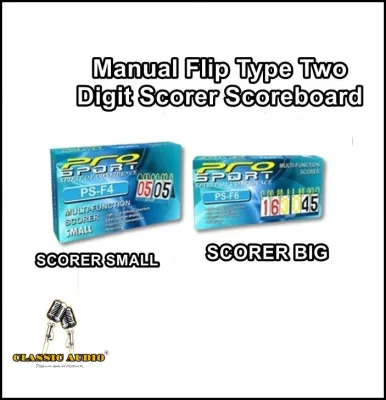
Prices are valid at publication and may change. Please refer to the product page for the latest price.
Durability and Weather Resistance for Outdoor Use
Football training in humid, tropical environments subjects equipment to intense wear and tear. The frame of your flip score board must be built to survive both moisture and physical impact. Heavy-duty plastic frames, such as those made from high-impact ABS, offer excellent rust resistance and are lightweight enough for easy transport. If you prefer metal frames, ensure they feature a powder-coated or galvanized finish to prevent rust from developing after exposure to rain or morning dew.

The flip cards themselves require careful inspection, as they are the most vulnerable component of the board. Look for cards made from thick, flexible PVC or synthetic waterproof paper rather than laminated cardboard, which can warp, delaminate, or stick together when wet. UV-resistant coatings are essential to prevent the numbers from fading under prolonged sun exposure. Finally, evaluate the board’s stability on open, windy fields. A wide, triangular A-frame design or a base that allows for temporary anchoring with ground pegs or sandbags will prevent the scoreboard from tipping over mid-drill.
Portability and Setup for Coaching Sessions
Coaches often carry a wide array of gear, from cones and agility ladders to footballs and water bottles. Therefore, a flip score board must be highly portable and easy to integrate into your existing carrying setup. Look for models that feature a fully collapsible or folding design, allowing the board to pack down flat. A flat profile not only saves valuable space in the trunk of a vehicle but also makes it easier to slide the board into a gear bag alongside other training essentials.
Weight is another key factor; a board weighing between 1 and 2 kilograms strikes the right balance between wind resistance and carrying comfort. Integrated carrying handles or a dedicated fabric storage bag with a shoulder strap will greatly simplify transport across expansive sports complexes. When you arrive at the pitch, you want to focus on coaching rather than complex equipment assembly. Choose a scoreboard that utilizes a simple pop-up or fold-out mechanism that locks securely into place without requiring any tools, allowing you to set up or pack away the unit in under a minute.
Match Management and Timing Features
While a basic score tracker is sufficient for most training sessions, additional match management features can streamline your drills. Some flip score boards include smaller, secondary dials or cards to track the current period, half, or team fouls. If your training sessions involve structured, timed scrimmages, a board with a built-in manual timer or a dedicated space to hang a stopwatch can help you manage play without constantly checking your wrist.
However, the physical mechanism of the flip cards remains the most important functional feature. Ensure the rings or spiral binders holding the cards are smooth and wide enough to allow for rapid, snag-free flipping. Tight or poorly aligned rings can cause the cards to tear or jam when you try to change the score quickly during fast-paced transitions. For basic training sessions and casual weekend matches, it is often best to skip overly complex electronic components or delicate multi-dial systems, as simple manual flip cards are far more reliable and require zero battery maintenance.
Matching Specifications to Your Training Environment
To make the final decision, align the scoreboard’s specifications with your specific coaching context and frequency of play. If you primarily run casual weekend kickabouts or youth training sessions on smaller pitches, a compact, highly portable board is often the most practical choice. For competitive club academies or local league matches where spectators and players are spread across a full-sized field, investing in a larger, heavy-duty model with high-contrast digits is necessary to maintain professional standards.
Budget considerations also play a role in your selection. While basic plastic models may cost around ₱500 to ₱1,200, investing slightly more in a rugged, weather-resistant board priced between ₱1,500 and ₱3,000 can save money in the long run by eliminating the need for frequent replacements. Prioritize must-have features like waterproof PVC cards and a stable, wind-resistant frame over nice-to-have extras like period trackers, ensuring your investment directly supports a smooth, uninterrupted training environment.
Frequently Asked Questions (FAQ)
Can a standard flip score board be used for other sports?
Yes, most standard flip score boards are highly versatile and can be easily adapted for other sports such as basketball, volleyball, badminton, or table tennis. Because these boards typically feature a simple two-digit scoring format on each side (ranging from 0 to 30 or 0 to 99), they can accommodate the scoring rules of various athletic activities. However, if a sport requires specialized tracking, such as individual player fouls, specific set scores, or precise shot clocks, you may need to supplement the generic board with sport-specific accessories or choose a dedicated multi-sport model.
How should I clean and maintain the flip cards after outdoor use?
To keep your flip score board in optimal condition, clean the cards gently after any outdoor session where they were exposed to mud, dust, or sweat. Wipe the surfaces of the PVC cards with a soft, damp microfiber cloth using mild soapy water; avoid harsh chemical solvents or abrasive scrubbing pads that could scratch or strip away the printed numbers. Once clean, wipe the cards dry with a clean towel and leave the board open in a well-ventilated, shaded indoor area to dry completely. Never store the scoreboard while it is still damp, as trapped moisture can cause the cards to stick together, warp, or develop mold over time.
Community discussion
Share your experience or ask a question. Comments are reviewed before publication.