
Choosing a folding bike as an adult rider requires a careful balance between portability, structural stability, and riding comfort. Unlike standard bicycles, folding models rely on specialized hinges and compact geometries that must support adult weight while remaining easy to carry on public transit or store in tight spaces.
In the Philippines, where daily commutes often involve navigating crowded streets, sudden tropical downpours, and multi-modal transit like trains or ride-sharing vehicles, selecting the right specifications is essential. Prioritizing the correct frame fit, wheel size, and locking mechanisms ensures your bike remains a safe, reliable, and practical tool for your daily routine.
Weight Capacity and Frame Fit for Adult Riders
When selecting a folding bike, your first step should be verifying the manufacturer’s stated maximum weight capacity. Because these bikes feature jointed frames and elongated seat posts, they experience different structural stresses than traditional solid-frame bicycles. Never assume a compact bike can support your weight without checking the official specifications, as overloading can lead to frame failure or compromised handling.
Products mentioned in this guide
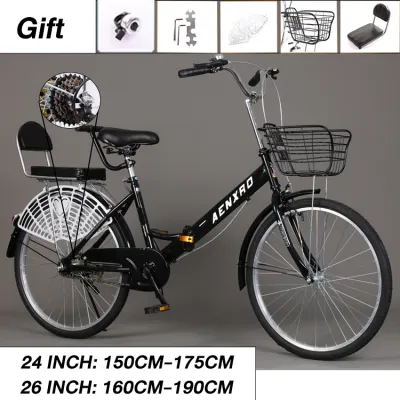
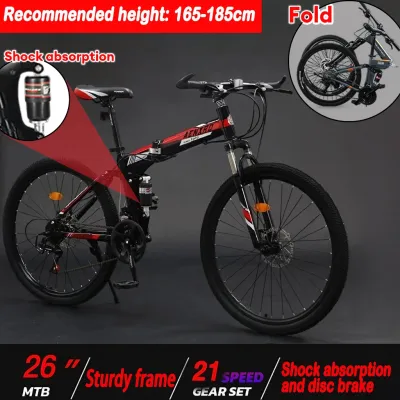
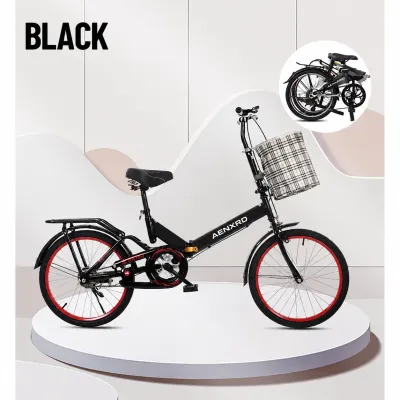
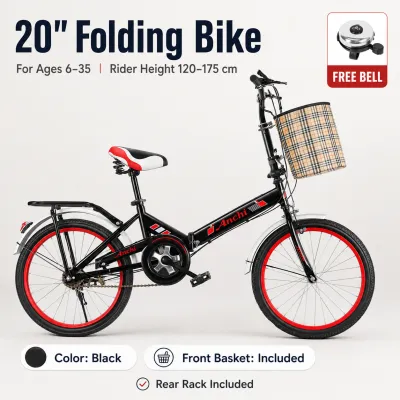
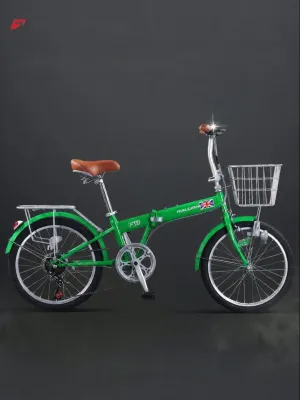
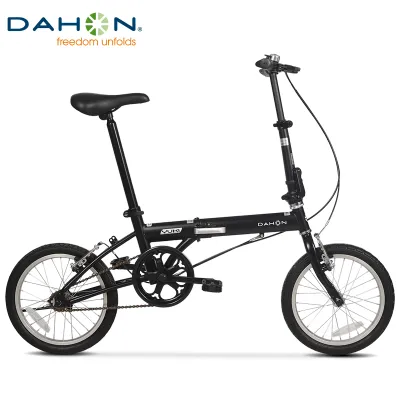
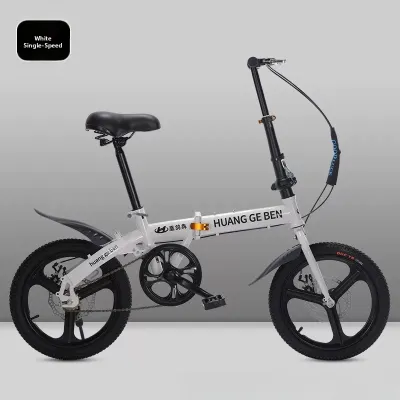
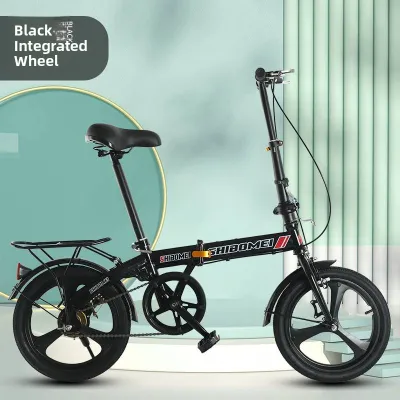
Prices are valid at publication and may change. Please refer to the product page for the latest price.
Frame geometry is equally critical for ensuring a comfortable, ergonomic riding posture. Because folding bikes often come in a single frame size, you must evaluate the distance between the saddle and the handlebars, known as the reach. A reach that is too short can cause your knees to strike the handlebars during turns, leading to instability and joint strain.
To accommodate taller or heavier adult riders, look for models equipped with highly adjustable, extended seat posts and telescopic handlebar stems. These components allow you to fine-tune the riding position to match your height, ensuring proper leg extension while pedaling. Always verify that the seat post has clear safety insertion marks and that the quick-release clamps hold firmly under your weight without slipping.
Wheel Size: Balancing Portability and Ride Quality
Wheel size is the primary factor dictating how a folding bike handles on the road and how compactly it folds. Smaller wheels, such as 16-inch models, offer maximum portability and quick acceleration from a complete stop, making them ideal for short commutes with frequent stop-and-go traffic. However, smaller wheels have less momentum and can feel twitchy or unstable when rolling over road imperfections.

Larger wheels, such as 20-inch or 24-inch options, provide a ride quality that closely mimics a standard hybrid or road bike. They offer better stability, roll over potholes and uneven pavement with greater ease, and maintain momentum more efficiently over longer distances. The trade-off is a larger folded footprint, which may make the bike more challenging to store under a small office desk or carry into crowded train cars.
Before making a decision, consider the local availability of replacement tires and inner tubes for your chosen wheel size. In many local bike shops, 20-inch tires are widely stocked, whereas niche 16-inch or 14-inch sizes may require special ordering from online marketplaces. Checking tire clearance on the frame is also wise if you plan to install wider, puncture-resistant tires for rougher roads.
Folding Mechanisms and Storage Dimensions
The integrity of the folding mechanism is paramount to your safety and the bike’s longevity. Examine the type of folding hinge used on the main frame and handlebar stem, looking for robust designs with secure, redundant locking latches. A secondary safety lock prevents the hinge from accidentally opening while you are riding, which is a critical safety feature when navigating busy traffic. When comparing options across different price points in ₱, prioritize hinge security and frame warranty over aesthetic upgrades.
Always measure the actual folded dimensions of the bike and compare them to your intended storage and transit spaces. If you plan to bring the bike onto public transit systems like the MRT or LRT, verify that the folded package complies with their maximum allowable baggage dimensions. Similarly, check if the folded bike fits comfortably inside your car trunk or under your workspace without blocking walkways.
Evaluate the physical effort, weight, and time required to complete the folding process. If your daily commute requires folding and unfolding the bike multiple times while carrying a backpack or other items, a quick, intuitive mechanism is essential. Some models feature built-in magnets, straps, or auxiliary wheels that keep the folded frame locked together and allow you to roll it like luggage rather than carrying its full weight.
Frame Materials and Gearing for Your Route
Choosing the right frame material involves balancing weight, durability, and weather resistance. Aluminum frames are highly popular because they are lightweight and naturally resistant to rust, which is a major advantage in humid, tropical climates prone to heavy rain. Steel frames offer excellent durability and natural vibration dampening, providing a smoother ride on rough roads, but they are heavier and require regular maintenance to prevent rust.
Your daily route should dictate your choice of drivetrain and gearing. A single-speed folding bike is simple, lightweight, and requires minimal maintenance, making it suitable for flat, predictable routes. However, if your commute involves flyovers, steep bridges, or strong headwinds, a multi-speed drivetrain with a derailleur or an internal gear hub is necessary to maintain a comfortable pedaling cadence and protect your knees from strain.
Finally, verify that the braking system provides adequate stopping power for your total loaded weight, including any cargo. Disc brakes offer superior, consistent performance in wet weather and muddy conditions, making them highly recommended for rainy-season riding. High-quality V-brakes are also effective but require regular inspection and adjustment to ensure the pads remain aligned and free of road debris.
Frequently Asked Questions (FAQ)
Are folding bikes suitable for long-distance commuting?
Yes, but they require careful preparation and realistic expectations. Smaller wheels and compact frame geometries can increase rolling resistance and rider fatigue over extended distances compared to full-sized road bikes. If you plan to ride long distances, choose a model with multiple gears, plan your route to avoid major road hazards, and test your comfort on shorter weekend rides before committing to a long daily commute.
How do I maintain the folding hinges on my bike?
Maintaining the folding hinges is critical for your safety. Perform regular visual inspections of the hinge areas, looking for signs of wear, loose bolts, metal fatigue, or accumulated road grime. Clean the hinges regularly and apply lubrication according to the manufacturer’s specific instructions. If you detect any structural play, wobbling, or unusual creaking noises while riding, stop using the bike immediately and consult a professional mechanic.
Community discussion
Share your experience or ask a question. Comments are reviewed before publication.