
A golf cap clip is a small but essential accessory for keeping your ball marker accessible and secure during a round. When selecting a cap clip, the primary focus should be on its gripping mechanism, material durability, and compatibility with your specific ball marker. Rather than relying on brand names alone, evaluating these core functional features ensures your marker stays attached to your hat brim through swings, walks, and varying weather conditions.
In tropical playing environments like the Philippines, where high humidity, sudden downpours, and intense sweat are part of every round, a cap clip must perform under demanding conditions. A loose clip can result in a lost marker mid-fairway, while a poorly designed clamp can ruin the brim of your favorite golf hat. Understanding how different designs interact with your headwear and markers will help you make a practical, long-lasting choice.
Evaluating the Build and Grip Mechanism
The primary job of a golf cap clip is to stay firmly attached to your hat brim without slipping, sliding, or falling off when you swing. The gripping mechanism is the most critical factor in achieving this stability. Manufacturers generally use one of three designs: spring-loaded tension clamps, friction-based slide-on clips, or magnetic bases that pinch the fabric.
Products mentioned in this guide
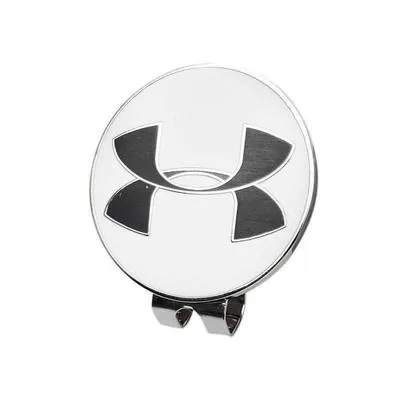
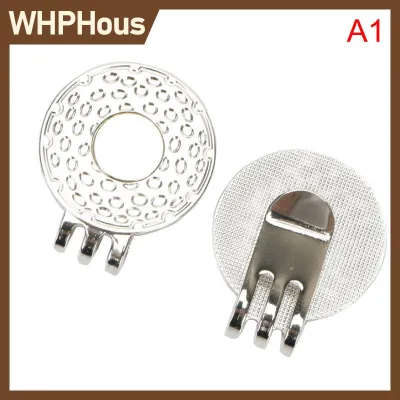
Prices are valid at publication and may change. Please refer to the product page for the latest price.
Spring-loaded tension clamps use a small internal spring to apply constant pressure to the hat brim. This design is highly adaptable because it can open wide to accommodate thick, structured brims and then close tightly on thinner, lightweight performance fabrics. However, the moving parts in a spring mechanism are susceptible to wear, especially when exposed to moisture and salt from sweat.
Friction-based slide-on clips rely on the natural tension of a bent piece of metal or plastic to grip the brim. These clips have no moving parts, making them highly durable and less prone to mechanical failure. The challenge with friction clips is that they can permanently stretch out if forced onto an exceptionally thick brim, reducing their grip strength when moved to a thinner hat.
Magnetic base clips often use a two-piece design where a backing plate sits under the brim and a magnetic top plate sits on top, sandwiching the fabric between them. This style eliminates the risk of crushing or bending the brim edge, but the strength of the connection depends entirely on the thickness of your hat fabric. If the brim is too thick, the magnetic attraction weakens, increasing the risk of losing both the clip and the marker during a vigorous swing.
Material durability is another crucial consideration, particularly in warm, humid climates. Salt from perspiration and moisture from tropical rain can quickly corrode low-grade metals, leading to rust stains on your headwear. Look for clips made from stainless steel, anodized aluminum, or high-grade plastics that offer excellent rust resistance and UV stability.
The weight and profile of the clip also affect your comfort on the course. A heavy metal clip can cause the front of your hat brim to sag, pulling the cap down toward your eyes or altering its overall fit. Choosing a low-profile, lightweight clip ensures that your headwear remains balanced and comfortable throughout an eighteen-hole round.
Ensuring Compatibility With Your Ball Marker
Once you have evaluated how the clip attaches to your hat, you must ensure it holds your ball marker securely. Not all cap clips and markers are universally compatible, and using mismatched components often leads to dropped markers on the fairway or green. The relationship between the clip’s holding surface and the marker’s material is the key to a secure connection.

Most modern cap clips feature an integrated magnet designed to hold a metal ball marker. If you already own a favorite marker, you must verify whether it is magnetic or non-magnetic. A magnetic clip will easily hold a standard iron or steel marker, but it will not secure markers made of pure brass, copper, sterling silver, or plastic unless those markers contain an embedded magnetic disc.
Conversely, some premium ball markers contain their own internal magnets. If you pair a magnetic marker with a magnetic cap clip, you must ensure the polarities align correctly. If the poles oppose each other, the marker will push away from the clip rather than stick to it. Checking the manufacturer’s specifications for both the clip and the marker can help you avoid this frustrating compatibility issue.
The thickness and weight of your ball marker also dictate the type of clip you need. Heavy, oversized, or highly textured markers require a stronger magnetic pull or a deeper recessed holding area to stay in place. If a marker sits too high on the clip’s surface, it becomes highly vulnerable to being knocked loose by your hands, your golf glove, or low-hanging branches.
A flush or recessed holding area on the cap clip is an excellent design feature to look for. By cradling the marker within a shallow protective rim, the clip prevents external objects from catching the edge of the marker. This simple structural detail significantly reduces the likelihood of accidental release when you adjust your hat or reach into your golf bag.
Assessing On-Course Usability and Hat Protection
A golf cap clip should make your game more convenient, not more frustrating. On-course usability is largely determined by how easily you can retrieve and replace your ball marker during play. When you are on the putting green, you want to be able to mark your ball quickly and without distraction.
Evaluate the ease of one-handed operation, which is the standard way golfers interact with their cap clips. You should be able to slide or lift the marker off the clip using only your thumb, even while wearing a thick golf glove. If the magnet is excessively strong or the recess is too deep, you may find yourself struggling with both hands, which disrupts your pre-putt routine.
At the same time, you must consider how the clip treats your headwear over time. The constant sliding on and off of a metal clip can scrape, tear, or permanently discolor the fabric of your hat brim. To prevent this damage, look for clips that feature protective elements, such as rubberized inner linings, smooth rolled edges, or plastic-coated contact points.
These protective features not only shield the fabric from physical wear but also improve the clip’s grip by increasing friction against the smooth material of modern performance hats. A clip with a bare, sharp metal edge is highly likely to slice through delicate synthetic fibers or leave permanent rust rings after a sweaty afternoon on the course.
Visual contrast is another practical factor that is often overlooked. When you look down at your hat brim, the clip and marker combination should be easy to spot against your hat’s color. A high-contrast setup allows you to quickly verify that your marker is still securely in place before you walk off the tee box or head toward the next hole.
Building Your Shortlist: Final Pre-Purchase Checks
Before making a final decision, it is wise to establish a structured checklist to verify the quality of your prospective cap clip. This step helps you avoid common purchasing mistakes and ensures you select a product that matches your specific gear and playing habits.
Start by reviewing user feedback on online marketplaces, focusing specifically on long-term grip retention and spring fatigue. Look for comments from golfers who play in hot, humid conditions to see how the clip’s materials hold up against sweat and moisture over several months of regular use. Pay close attention to reports of clips slipping off thin performance hats or failing to accommodate thicker, structured brims.
Next, verify the return policies or product guarantees offered by the seller or manufacturer. Because hat brim thicknesses and marker weights vary so widely, there is always a small chance that a clip will not fit your specific setup. A flexible return policy allows you to test the clip’s grip on your favorite golf hats without financial risk.
Finally, set a reasonable budget based on material quality and functional reliability rather than paying a premium for cosmetic branding or luxury logos. High-quality, rust-resistant cap clips typically range from ₱150 to ₱800 in the local market. Spending within this range generally secures a durable stainless steel or anodized aluminum clip with a strong magnet, while avoiding the inflated costs associated with designer golf brands.
By focusing on the mechanical grip, material durability, marker compatibility, and hat protection, you can find a reliable cap clip that keeps your marker secure round after round. Taking the time to verify these details ensures your accessory performs flawlessly, allowing you to focus entirely on your game.
Frequently Asked Questions (FAQ)
Can a metal cap clip damage my golf hat brim?
Yes, a bare metal cap clip can damage your golf hat brim over time. The constant pressure and friction from sliding the clip on and off can scrape synthetic fibers, tear delicate fabrics, or leave permanent creases in structured brims. Additionally, if the metal is not rust-resistant, sweat and humidity can cause it to corrode, leaving unsightly rust stains on your headwear. To prevent this, look for clips with protective features like rubberized inner grips, smooth rolled edges, or plastic-coated contact points, and periodically reposition the clip to distribute the wear.
Do I need a magnetic cap clip if my ball marker is already magnetic?
If your ball marker already contains an internal magnet, you do not strictly need a magnetic cap clip, but using one can provide a much more secure connection. A magnetic clip offers a flat, steel-backed surface that optimizes the magnetic pull of your marker, reducing the risk of it falling off during high-velocity swings. If you choose a non-magnetic clip for a magnetic marker, ensure the clip is made of a ferrous metal like iron or steel so the marker’s magnet has a surface to cling to. For non-magnetic markers, a magnetic clip is essential to hold the marker in place.
Community discussion
Share your experience or ask a question. Comments are reviewed before publication.