
Finding the right groin guard for boxing training in the Philippines is not about searching for a single universal model, but rather matching the protective gear to your training environment, sparring intensity, and body shape. In the tropical heat of local boxing gyms, where high humidity and intense sweat are constant factors, your choice must balance robust impact dispersion with high breathability and a secure, non-slip fit. A guard that shifts during a pivot or traps excessive heat can disrupt your focus, cause painful chafing, and compromise your safety in the ring.
It is vital to remember that protective equipment is a secondary line of defense designed to mitigate the impact of accidental low blows. It cannot replace proper defensive training, footwork, hip rotation, and coach supervision. Before purchasing any gear, you must understand your own training limits, know how to check the equipment for safety, and recognize when to stop training if your gear fails to perform. This guide outlines the essential selection criteria, design types, fit verification steps, and maintenance protocols to help you build a reliable shortlist and make an informed decision.
Key Selection Criteria for Boxing Groin Guards
Evaluating a groin guard requires looking closely at how it handles impact, manages moisture, and stays secured to your body during dynamic movement. Because you cannot test a guard’s protective limits in a retail store, you must rely on verifying manufacturer specifications and inspecting the physical construction of the gear.
Products mentioned in this guide
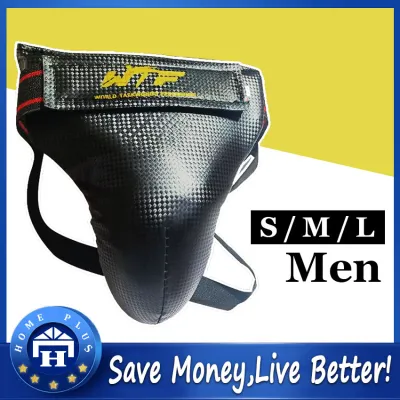
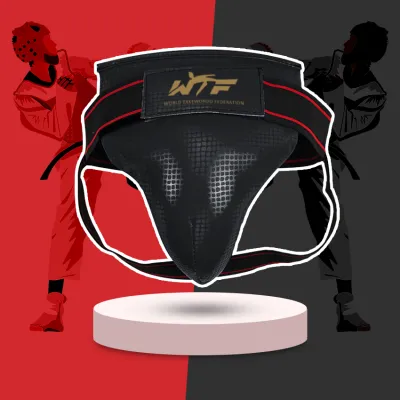
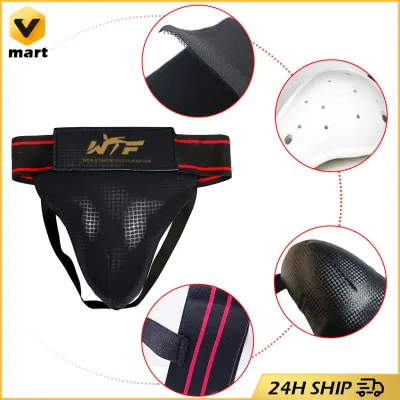
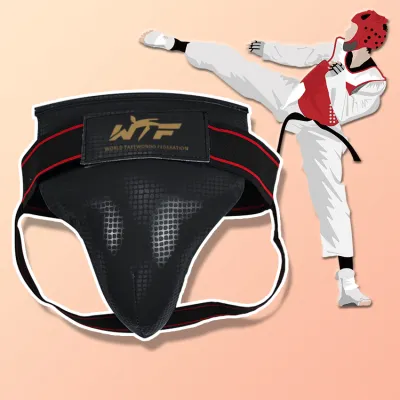
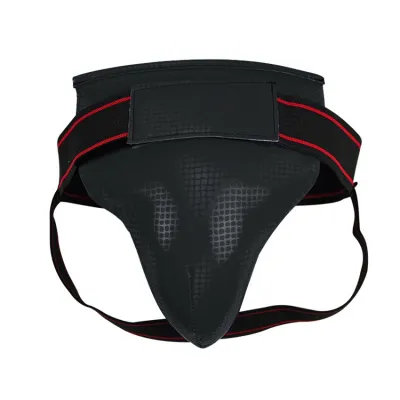
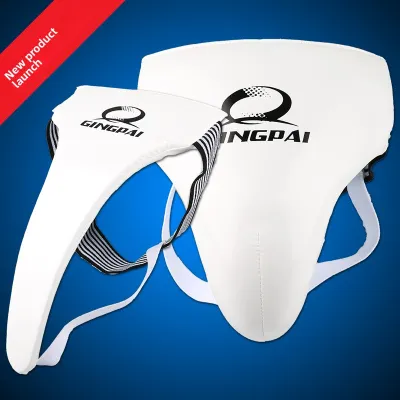
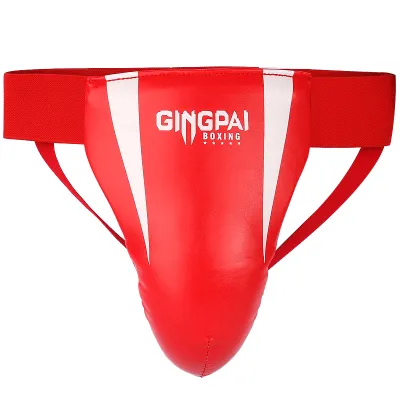
Prices are valid at publication and may change. Please refer to the product page for the latest price.
Shell Material and Impact Dispersion
The protective cup or shell is the core defensive barrier of the guard. When selecting a groin guard, check the manufacturer specifications to identify the shell material. High-impact polycarbonate, carbon fiber composites, and reinforced polymers are common materials used to disperse force away from sensitive areas. Verify that the shell is designed to distribute impact energy outward toward the surrounding pelvic bones rather than pressing directly backward. Avoid thin, flexible plastics that can bend or crack under moderate pressure, as a flexing shell can cause severe pinching and localized trauma.
Padding Density and Moisture-Wicking Liners
While the shell stops the initial impact, the surrounding padding absorbs and dampens the residual force. High-density closed-cell foam (such as EVA foam) is highly effective at shock absorption and does not absorb water, making it durable and resistant to sweat buildup. However, closed-cell foam can feel hot against the skin. To counter this in the humid Philippine climate, look for guards featuring open-cell foam layers paired with specialized moisture-wicking liners. These liners use capillary action to draw sweat away from your skin, promoting evaporation and reducing the risk of heat rash and fungal infections common in tropical training environments.
Strap Systems versus Compression Shorts
How the guard attaches to your body determines its stability during rapid footwork and head movement. Traditional boxing groin guards utilize wide, heavy-duty elastic waistbands with adjustable hook-and-loop (Velcro) fasteners or lace-up closures. These systems offer excellent abdominal coverage and a highly adjustable fit, but they can feel bulky and trap heat around your waist. Alternatively, modern compression shorts with integrated cup pockets offer a streamlined, low-profile fit. The compression fabric keeps the cup flush against your body, minimizing bounce and maximizing ventilation, though they generally offer less coverage for the lower abdomen and kidneys than traditional boxing-specific guards.
Common Groin Guard Designs for Boxing
Boxing training involves various drills, from shadowboxing and pad work to high-intensity sparring. Matching the design of your groin guard to your specific training activities ensures you have the right balance of mobility and protection.

Standard Athletic Cups with Boxing-Specific Waistbands
This design features a traditional protective cup held in place by a wide, supportive elastic waistband and leg straps. It is a highly versatile option suitable for general fitness, heavy bag work, pad drills, and light technical sparring. The minimalist design allows for maximum leg mobility and airflow, which is highly beneficial when training in non-airconditioned local gyms. While standard athletic cups provide excellent targeted protection, they do not offer coverage for the lower abdomen, hips, or kidneys, making them less suitable for hard, competitive sparring where wild hooks or accidental low punches are more common.
Extended Groin Guards with Thigh and Kidney Protectors
Often referred to as “foul cups” or traditional boxing groin protectors, these are substantial, heavily padded gear pieces constructed from leather or synthetic leather. They extend upward to cover the lower abdomen and wrap around the hips to protect the kidneys and the upper femoral area of the thighs. This design is the standard for heavy sparring sessions and competitive amateur or professional training. The thick padding blocks accidental low strikes and cushions body shots that land near the beltline. The trade-off is weight and heat retention; these guards are bulky, can restrict deep squats or rapid hip pivots if improperly fitted, and require diligent cleaning to manage sweat accumulation.
No-Bounce Compression Short Integrations
Compression shorts with an integrated cup pocket represent a modern approach to protective gear. The compression fabric fits tightly over the thighs and glutes, holding the protective cup securely in a dedicated pouch that prevents shifting during lateral movement. This design is favored by boxers who prioritize high-mobility footwork, conditioning drills, and jump rope sessions. The continuous fabric eliminates the need for thin leg straps that can chafe the inner thighs. However, because the cup is held by flexible fabric rather than a rigid waistband, it may shift slightly under heavy, direct upward impacts, and it offers no protection for the kidneys or upper hips.
Sizing, Fit Verification, and Movement Testing
A groin guard can only protect you if it fits correctly and stays in place. Ordering the wrong size or failing to adjust the straps properly can lead to severe discomfort, restricted blood circulation, or gear failure during training.
Taking Accurate Measurements
Do not rely on your standard pants or boxing shorts size when purchasing a groin guard, as protective gear sizing varies significantly between manufacturers. Use a flexible measuring tape to measure your waist circumference at the level of your navel, or where you prefer the waistband of the guard to sit. If you are choosing an extended guard, measure your upper thigh circumference as well. Cross-reference these physical measurements with the brand-specific size chart provided by the manufacturer. If your measurements fall between two sizes, consider whether you prefer a tighter, high-compression fit or a slightly looser fit that allows for thicker undergarments.
Performing a Pre-Training Movement Test
Before using a new groin guard in a live training session, perform a thorough movement test in a safe, dry area. Put on the guard over your training underwear and execute the following movements:
- Deep Squats: Lower your hips fully to ensure the lower edge of the cup or thigh protectors does not dig painfully into your upper thighs or pinch your groin.
- Lateral Shuffling and Pivots: Move side-to-side and pivot on your lead foot as if slipping a punch. The guard must rotate with your hips without twisting independently or sliding out of alignment.
- Shadowboxing: Throw combinations while moving around the floor. Pay attention to whether the waistband rides up toward your chest or slides down your hips.
If the guard shifts, pinches, or restricts your natural range of motion during these tests, do not use it for sparring. Adjust the straps or exchange the item for a different size or design.
Adjusting Tension and Security
When securing your groin guard, aim for a balance between stability and comfort. The waistband and leg straps should be snug enough to hold the protective cup firmly against your pubic bone so that a light external tap does not cause the cup to move. However, the straps must not be so tight that they restrict your breathing, leave deep red indentations on your skin, or cut off blood circulation to your legs. If you experience numbness, tingling, or muscle cramping in your thighs during training, immediately stop, step out of the ring, and loosen the straps.
Care, Hygiene, and When to Replace Your Gear
The hot and humid climate of the Philippines creates an ideal environment for bacteria, mold, and mildew to thrive on damp sports gear. Proper maintenance not only extends the lifespan of your groin guard but also protects your skin from infections.
Daily Cleaning and Air-Drying Protocols
Never leave your wet groin guard inside a closed gym bag after training, as this traps moisture and accelerates material degradation. Establish a daily cleaning routine:
- Wipe Down: Immediately after training, wipe the entire surface of the guard—especially the inner lining and elastic straps—with a damp cloth and a mild, non-abrasive disinfectant or soapy water.
- Drying: Hang the guard to dry in a well-ventilated indoor area with good airflow. A ceiling fan or a standing fan can help speed up the drying process. Avoid placing the guard in direct sunlight, as intense UV rays can dry out synthetic leather, crack plastic shells, and degrade the elasticity of the straps.
- Removable Cups: If using compression shorts, remove the cup from the pocket after every use. Wash the shorts according to the care label and hand-wash the cup separately with warm water and antibacterial soap.
Inspecting for Material Degradation
Regularly inspect your groin guard for signs of wear and tear that could compromise its protective capabilities. Over time, the internal foam padding can suffer from compression fatigue, where it becomes permanently flattened, brittle, or loses its ability to spring back after being pressed. Check the outer casing for frayed stitching, cracked synthetic leather, or weakened Velcro fasteners that no longer hold secure tension. If the elastic straps have lost their stretch and sag when worn, the guard will shift during movement, rendering it unsafe for sparring.
Identifying Structural Failures
Before every sparring session, perform a physical safety check on the protective cup itself. Run your fingers along the edges and surface of the shell to check for hairline cracks, deep gouges, or structural soft spots. A cracked cup cannot distribute impact force correctly; under a direct blow, a damaged shell can split open, causing severe injury. If you detect any structural failure in the shell, the padding, or the fastening system, stop using the guard immediately and replace it. Investing in a new guard is a minor expense compared to the medical costs and recovery time associated with a preventable training injury.
Frequently Asked Questions (FAQ)
Do female boxers need a different type of groin guard?
Yes, female boxers require a groin guard specifically designed for female anatomy, often referred to as a pelvic protector. Unlike male groin guards that feature a deep, protruding cup, female pelvic protectors utilize a wider, flatter, and lower-profile protective shield. This shield is contoured to fit flush against the female pelvic bone, protecting the lower abdomen, ovaries, and pubic symphysis from low impacts without creating unnecessary bulk. Female athletes should check manufacturer labels to ensure the gear is anatomically contoured, offers appropriate padding distribution, and provides a secure, non-slip fit that does not interfere with lateral footwork.
Can I wash my boxing groin guard in a washing machine?
Whether you can use a washing machine depends entirely on the construction and materials of your groin guard. Compression shorts and removable elastic strap harnesses can generally be machine-washed on a gentle cycle using cold water and a mild detergent, provided you remove the hard protective cup first. However, traditional extended groin guards made of leather, synthetic leather, or those with non-removable foam padding must never be machine-washed or submerged in water. Submerging these materials can ruin the foam’s shock-absorbing properties and rot the leather casing. Always check the manufacturer’s care label for specific temperature limits, detergent restrictions, and air-drying instructions to preserve the integrity of your protective gear.
Community discussion
Share your experience or ask a question. Comments are reviewed before publication.