
Choosing a gymnastics costume for the tropical heat of the Philippines requires balancing high-performance stretch with advanced moisture management, lightweight fabric blends, and strategic ventilation. In non-air-conditioned gyms, which are common across the country, the combination of high temperatures and heavy humidity can turn a standard training session into a grueling test of endurance. Selecting the right leotard or training set ensures you stay dry, prevent skin irritation, and maintain a secure grip on the apparatus.
When training in a tropical climate, your choice of apparel directly impacts your safety, focus, and overall performance. A poorly chosen garment can trap heat, restrict your range of motion, and cause painful chafing. By understanding how different fabrics react to sweat and how specific cuts promote airflow, you can make informed decisions that keep you comfortable from warm-ups to the final cooldown. This guide provides a practical framework for evaluating materials, designs, fit, and maintenance routines tailored to hot and humid training environments.
Understanding How Heat and Humidity Affect Gymnastics Training
Gymnastics is an incredibly demanding sport that requires precision, strength, and absolute focus. When training in the Philippines, the ambient heat and high humidity introduce unique physical challenges that affect both the athlete and their gear. High humidity levels prevent sweat from evaporating efficiently off the skin, which is the body’s natural cooling mechanism. As a result, gymnasts often find themselves drenched in sweat much faster than they would in cooler, drier climates.
Products mentioned in this guide
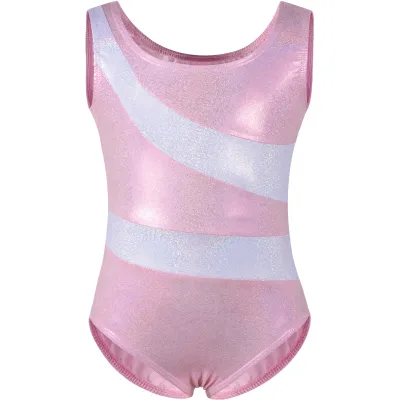
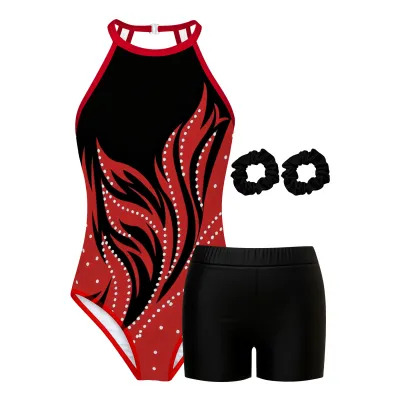
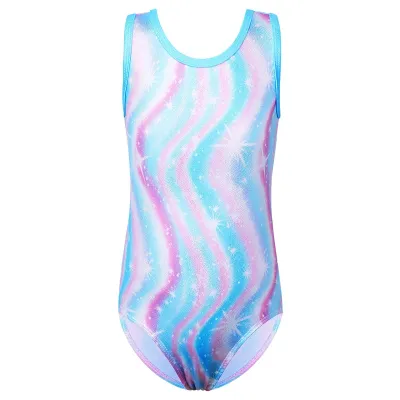
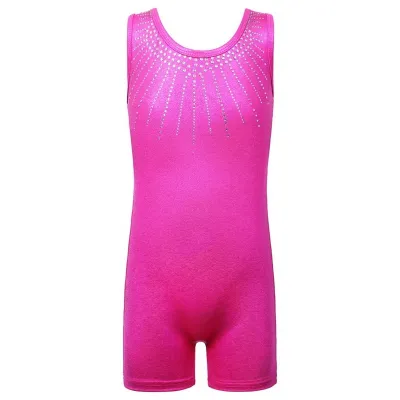
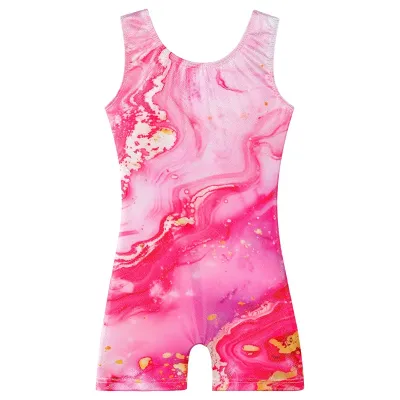
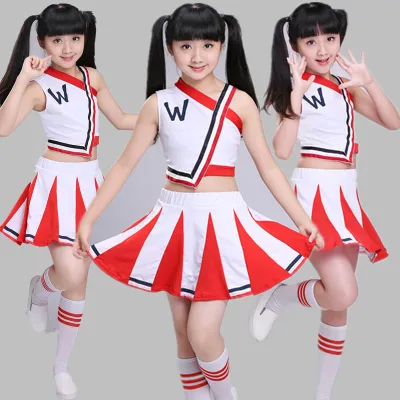
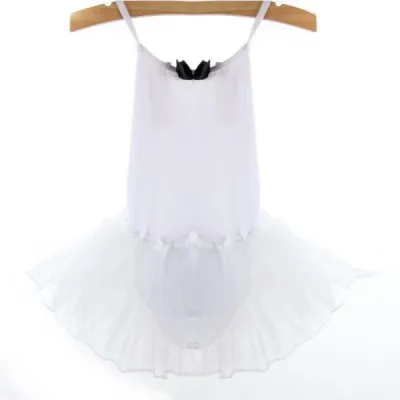
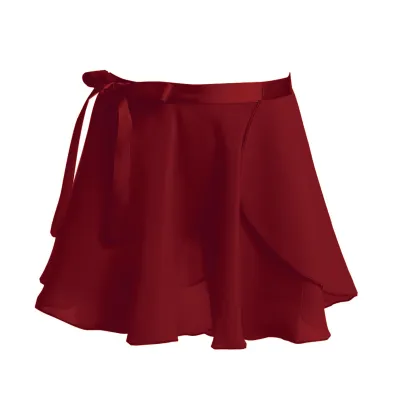
Prices are valid at publication and may change. Please refer to the product page for the latest price.
This excessive sweating has a direct impact on the gymnastics costume itself. Standard fabrics that lack advanced moisture management will absorb sweat and hold onto it, significantly increasing the weight of the garment. A heavy, waterlogged leotard can sag, pull down at the shoulders, and shift during dynamic movements. This extra weight and shifting fabric can subtly alter your center of gravity, affecting your timing and execution during complex aerial maneuvers, tumbling passes, or balance beam routines.
Furthermore, moisture transfer from a wet costume to your hands or the apparatus poses a serious safety hazard. On the uneven bars, vault, or high bar, maintaining a secure grip is paramount. When a leotard becomes saturated, sweat can easily run down the arms or torso, making the skin slick and reducing the effectiveness of grip chalk. Excessive moisture can turn chalk into a slippery paste, compromising your hold on the wooden or fiberglass bars and increasing the risk of slips or falls.
Finally, the combination of heat, sweat, and friction creates a breeding ground for skin irritation. High humidity slows down evaporation, keeping the skin damp for extended periods. This constant moisture softens the skin, making it highly susceptible to friction burns, heat rash, and chafing where the fabric rubs against the body. Balancing the aesthetic demands of gymnastics with the practical need for thermal regulation is essential for maintaining consistent, pain-free training sessions throughout the year.
Evaluating Fabrics for Breathability and Moisture Management
To combat the intense tropical heat, you must pay close attention to the fabric composition of your gymnastics costume. Not all synthetic fabrics are created equal, and checking the manufacturer’s fiber content label is the first step in finding a comfortable training leotard. The most common materials used in gymnastics wear are nylon-spandex and polyester-spandex blends, each offering distinct characteristics under hot and humid conditions.

Nylon-spandex blends are highly favored in the gymnastics world for their exceptional softness, durability, and brilliant color retention. They provide a luxurious feel against the skin and offer excellent multi-directional stretch, which is crucial for extreme flexibility. However, nylon fibers naturally absorb more water than polyester. In a highly humid gym, a nylon-dominant leotard can act like a sponge, holding onto sweat and feeling damp against your skin for the duration of your workout.
Polyester-spandex blends, conversely, are inherently hydrophobic, meaning the fibers resist water absorption. Instead of soaking up sweat, polyester pulls moisture away from the skin and pushes it to the outer surface of the fabric, where it can evaporate more rapidly. For daily training in warm environments, a polyester-dominant blend is highly effective at keeping you dry. When shopping, look for garments that combine polyester with a high percentage of spandex (typically 15% to 20%) to ensure the costume retains its shape and elasticity even when subjected to heavy sweat.
Beyond the base fabric, look for strategic ventilation features such as mesh panels and breathable zones. High-quality training costumes often incorporate lightweight, durable mesh inserts under the arms, along the sides of the torso, or across the upper back. These mesh zones allow direct airflow to reach high-sweat areas, facilitating rapid cooling without compromising the structural support or modesty of the garment. Ensure the mesh material is soft and stretchable to prevent scratching or restricting your movement.
When evaluating options, look past generic brand marketing terms and inspect the actual technical specifications. Check the manufacturer tags for explicit mentions of moisture-wicking technology, quick-dry capabilities, or antimicrobial treatments. These features are specifically engineered to handle heavy perspiration, helping to regulate your body temperature and prevent the buildup of odor-causing bacteria during long, intense training sessions.
Selecting Designs and Cuts for Maximum Airflow
The design and cut of your gymnastics costume play a pivotal role in how well your body can regulate its temperature. In many local training facilities across the Philippines, air conditioning may be limited or absent, making natural ventilation your primary defense against overheating. Choosing styles that maximize skin exposure and airflow can make a substantial difference in your comfort levels.
Sleeve length is one of the most critical design decisions for warm-weather training. While long-sleeve leotards are the standard for formal competitions, they are generally impractical for daily training in hot gyms. Long sleeves trap heat along the entire length of your arms and restrict airflow to your torso. For everyday practice, sleeveless (tank-style) leotards are the ideal choice. They keep your arms completely free, maximize ventilation around the shoulders and underarms, and allow for unrestricted movement. Short-sleeve or cap-sleeve designs offer a middle ground if you prefer slightly more shoulder coverage.
Another highly effective design feature for heat release is an open-back or keyhole-back cut. The back is one of the body’s primary heat-dissipation zones. Leotards with racerback designs, wide keyhole openings, or low-scoop backs allow trapped heat to escape directly from your spine and upper torso. This open construction promotes continuous airflow across your back, helping to keep your core temperature lower as you work through your routines.
It is also wise to avoid heavy embellishments on your training gear. While rhinestones, sequins, metallic foils, and thick velvet fabrics look stunning under competition lights, they are highly unsuitable for hot training environments. Heavy embellishments add unnecessary weight to the garment and restrict the natural stretch of the fabric. Furthermore, materials like velvet and thick mystique foils act as insulators, trapping heat and moisture against your skin. For daily training, stick to lightweight, matte-finish fabrics with sublimated prints, which offer vibrant designs without adding bulk or blocking airflow.
Ensuring Proper Fit to Prevent Chafing in the Heat
A gymnastics costume must fit perfectly to perform well, but achieving the right fit becomes even more critical when training in hot, humid conditions. Sweat acts as a lubricant initially, but as it evaporates, it leaves behind salt crystals that can cause severe friction between your skin and the fabric. A poorly fitting leotard will exacerbate this friction, leading to painful chafing and skin raw spots.
To minimize chafing, your gymnastics costume must fit snugly without being overly restrictive. If a leotard is too loose, the excess fabric will bunch up in high-movement, high-friction areas such as the groin, underarms, and neck. As you tumble, twist, and stretch, this bunched fabric rubs repeatedly against damp skin, quickly causing irritation. Conversely, a costume that is too tight will dig into your shoulders, hips, and thighs, restricting blood circulation, limiting your breathing, and causing painful pressure marks.
When trying on a new costume, pay close attention to the construction of the seams. Traditional raised seams can act like abrasive ridges against sweaty skin. Look for garments constructed with flatlock stitching, where the fabric edges are sewn flat against each other rather than overlapped. Flatlock seams lie completely flat against the skin, virtually eliminating seam-related friction and ensuring a smooth, comfortable feel even during high-repetition training sessions.
Additionally, assess the cut of the leg openings and the neckline. The leg elastic should be secure enough to keep the leotard in place during dynamic movements, preventing it from riding up or shifting. However, it should not pinch or cut into your thighs. A secure, well-designed leg cut ensures you do not have to constantly adjust your costume during practice, which can be a major distraction and a source of localized skin irritation. Similarly, the neckline should sit flat against your chest and collarbone without gaping or pulling tightly against your throat.
Maintaining Your Gymnastics Costume to Prevent Sweat Damage and Mildew
The hot and highly humid climate of the Philippines presents a constant challenge for garment care. Sweat contains salts, body oils, and acids that can rapidly degrade the elastic fibers (spandex) in your gymnastics costume, causing it to lose its stretch, sag, and wear out prematurely. Furthermore, leaving a damp, sweaty leotard in a dark, enclosed gym bag creates the perfect environment for mold, mildew, and stubborn odors to develop. Establishing a strict post-training maintenance routine is essential for preserving your gear.
The first rule of costume care in a humid climate is to never leave your wet training gear crumpled in your gym bag. As soon as you return home from practice, remove the costume and rinse it thoroughly in cool, clean water. This simple step flushes out the salt and acidic sweat buildup before it can damage the fibers. If you are ready to wash it, hand wash the garment gently using a mild, pH-neutral liquid detergent. Avoid using fabric softeners, as they leave a chemical residue that clogs the fabric’s pores, destroying its moisture-wicking and breathable properties.
Drying your gymnastics costume correctly is just as important as washing it. Never wring or twist the wet fabric, as this stretches and breaks the delicate elastic fibers. Instead, lay the wet leotard flat on a clean, dry towel, roll the towel up gently, and press down to absorb the excess water. Afterward, hang the costume to dry on a plastic hanger in a well-ventilated indoor area, away from direct sunlight. Direct sunlight can fade vibrant colors and degrade synthetic fibers, while tumble dryers use high heat that can melt spandex and warp elastic bands.
Finally, ensure your gymnastics costumes are completely dry before storing them. In humid regions, storing even slightly damp clothing in a closed drawer or closet can lead to mildew growth and musty smells that are incredibly difficult to remove. Store your clean, dry leotards in a cool, dry place with adequate air circulation. If you store them in drawers, consider adding silica gel packets or moisture-absorbing sachets to the drawer to protect your training wardrobe from ambient humidity.
Frequently Asked Questions (FAQ)
Can I use regular athletic wear instead of a traditional gymnastics leotard for training?
While standard athletic wear like loose t-shirts, tank tops, and running shorts may seem comfortable for warm-weather workouts, they are generally not recommended for gymnastics training due to safety and functional limitations. Loose-fitting clothing can easily catch on training equipment, uneven bars, or even a coach’s hands during spotting, posing a serious safety risk. Furthermore, standard activewear often lacks the multi-directional stretch and tension required for extreme ranges of motion, which can restrict your movement or cause the fabric to tear during splits and tumbling.
If you prefer not to wear a traditional leotard for daily training, specialized gymnastics shorts (often called bikers) paired with a snug-fitting, high-stretch tank top or a form-fitting unitard are acceptable alternatives. These options maintain the necessary body-hugging profile to ensure safety while offering a comfortable, breathable alternative for hot training days.
How often should I replace a gymnastics costume used in heavy daily training?
The lifespan of a gymnastics costume depends heavily on how often it is worn, the intensity of your training, and how well it is maintained. For gymnasts training several times a week in hot, humid conditions, a high-quality leotard typically lasts between six months to a year before showing signs of degradation. The constant exposure to sweat and frequent washing will eventually break down the elastic fibers.
Key indicators that your costume needs replacement include a visible loss of elasticity (the fabric sags, feels loose, or no longer snaps back into shape), pilling, or thinning of the material in high-stress areas like the seat and shoulders. Additionally, if the fabric begins to retain a persistent musty odor even after thorough washing, or if it no longer wicks moisture effectively, it is time to retire the garment. Rotating between three or four training costumes distributes the wear and tear, allowing each piece to fully dry and recover its shape between sessions, which significantly extends the overall lifespan of your training wardrobe.
Community discussion
Share your experience or ask a question. Comments are reviewed before publication.