
Transporting heavy electric bicycles or multiple conventional bikes across the Philippines presents a unique set of challenges, from navigating deep potholes and uneven provincial roads to enduring sudden tropical downpours and high humidity. To safely transport these heavy loads without damaging your vehicle’s bodywork or risking a catastrophic highway failure, a heavy-duty hitch-mounted platform rack is the most secure and practical solution available. Unlike lightweight alternatives, a robust platform rack anchors directly to your vehicle’s steel chassis and supports the bicycles securely by their tires, distributing the substantial weight of e-bikes evenly and minimizing the physical strain of loading them.
Which mounting type is best for heavy e-bikes and multiple bikes?
A hitch-mounted platform rack is the most reliable and structurally sound mounting type for carrying heavy e-bikes and multiple bicycles simultaneously. Other common styles, such as roof-mounted carriers and trunk-mounted strap racks, have strict weight limitations and structural designs that make them highly unsuitable and potentially dangerous for heavy loads.
Are hitch-mounted platform racks the safest choice for e-bikes?
Hitch-mounted platform racks are the safest choice for transporting heavy electric bikes because they offer the highest weight capacities and position the loading trays close to the ground, minimizing physical lifting. By securing the bicycle’s wheels directly onto a solid metal tray, these racks eliminate the swaying and frame-to-frame contact common with hanging-style racks. This design is particularly critical for e-bikes, which typically weigh between 20 to 30 kilograms each—far exceeding the safe capacity of standard passenger car accessories.
Products mentioned in this guide
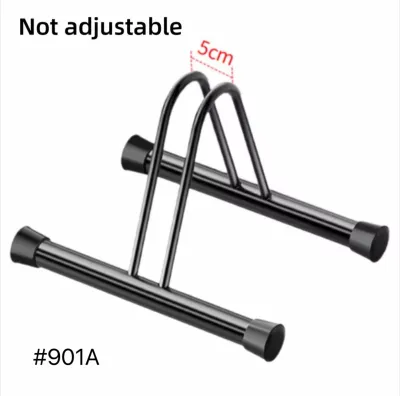
12 Lazada user ratings
Good product. Sturdy and steady.
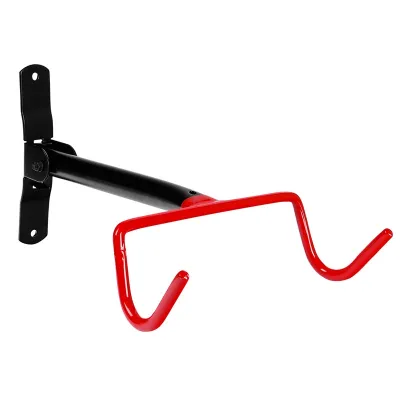
287 Lazada user ratings
iba nmn ung dmating ksa s picture. nkpg-order n aq neto dti. 2 mlaking bolt ang isasalpak m s wall. ung dmating 4 n butas n may maliliit n b…Read full reviewShow less
iba nmn ung dmating ksa s picture. nkpg-order n aq neto dti. 2 mlaking bolt ang isasalpak m s wall. ung dmating 4 n butas n may maliliit n bolt
🛠️Ease of Installation:Excellent bearing capacity, Highly recommended for bike enthusiasts,
Excellent bearing capacity, Easy to install and use, Sturdy and durable bike hanger,
goods. medyo maganda sana kung may strap for safety. meyo ndi din safe ung bike
Prices are valid at publication and may change. Please refer to the product page for the latest price.
When you load a heavy e-bike onto a platform rack, you only need to lift the wheels a few inches off the ground, which greatly reduces the risk of back strain or accidental drops that could damage your vehicle’s paint. Many heavy-duty platform models also support optional loading ramps, allowing you to roll the bike directly onto the tray without any heavy lifting. Furthermore, because the rack is bolted or locked into a steel hitch receiver connected directly to your vehicle’s frame, it can withstand the severe dynamic forces generated when driving over speed bumps, deep potholes, or unpaved provincial roads. If you plan to carry two or more e-bikes, a high-quality platform rack rated for heavy loads is the only configuration that provides the necessary structural rigidity to keep your cargo secure at highway speeds.
Can roof-mounted racks handle the weight of electric bikes?
Roof-mounted racks are generally unsafe and impractical for heavy electric bikes due to strict vehicle roof load limits and the extreme physical effort required to lift these heavy machines overhead. Most standard passenger cars, crossovers, and even mid-size SUVs have dynamic roof load limits restricted to 50 to 75 kilograms, which must accommodate the weight of the crossbars, the rack itself, and the bicycles. Loading even a single mid-weight e-bike onto the roof can push these limits to their absolute margin, especially when factoring in the aerodynamic forces experienced at high speeds.
Lifting a 25-kilogram e-bike onto a vehicle’s roof is a high-risk activity that can easily lead to personal injury, dropped bikes, or severe dents in your car’s roof panels. This task becomes even more hazardous in the typical tropical weather of the Philippines, where sudden rain showers can make the bike frame and your footing slick and unstable. Additionally, carrying tall, heavy loads on the roof significantly raises your vehicle’s center of gravity, which can negatively affect cornering stability and body roll. Roof-mounted setups also expose the bikes to intense wind resistance on expressways like NLEX or SLEX, which dramatically increases fuel consumption and subjects the bike’s delicate electronics to high-velocity wind and rain. Consequently, roof racks should be reserved exclusively for lightweight road bikes or cross-country mountain bikes.
Are trunk-mounted racks viable for multiple or heavy bikes?
Trunk-mounted strap racks are not viable for carrying heavy e-bikes or multiple heavy bicycles because they rely on thin nylon straps and the vehicle’s outer sheet metal panels for support. Exceeding the low weight limits of these racks can warp your trunk lid, bend body hinges, crack your rear windshield, or cause the entire assembly to detach from the vehicle while driving. Most trunk racks have a maximum weight capacity of only 15 kilograms per bike slot, which is far below the average weight of a standard electric bicycle.
The physical design of trunk-mounted racks forces the weight of the bicycles to press directly against the rear bumper and trunk joints. When driving over uneven roads, speed humps, or rough gravel, the constant bouncing motion creates severe dynamic leverage that can easily deform thin car panels. Furthermore, because trunk racks hold bikes by their top tubes, the bicycles hang freely and are prone to swaying into each other, which can scratch paint, damage delicate derailleur hangers, or crush exposed e-bike battery compartments. The tension straps also tend to stretch and loosen when exposed to heavy rain or high humidity, requiring frequent stops to inspect and retighten them. For these reasons, trunk-mounted racks should only be used for one or two lightweight, conventional bicycles over short distances.
How do you verify if a rack can safely carry multiple e-bikes at once?
To verify if a rack can safely carry multiple e-bikes, you must carefully calculate the combined weight of your bicycles and compare it against both the rack’s total weight capacity and its individual per-bike tray limits. You must never assume that a rack designed for three or four bicycles can automatically support that many e-bikes, as multi-bike ratings are often calculated using lightweight conventional bicycles weighing less than 15 kilograms each.

Begin by checking the manufacturer’s specification label on the rack or consulting the official user manual to identify the maximum weight limit per bike tray. For example, a heavy-duty rack might have a total weight capacity of 60 kilograms, but a strict individual limit of 30 kilograms per tray. If you attempt to load a single, extra-heavy utility e-bike weighing 35 kilograms onto one of the trays, you risk structural failure of that specific component, even if the total weight of all loaded bikes remains under 60 kilograms. Always weigh your e-bikes on a reliable scale with all accessories, locks, and water bottles removed to obtain an accurate transport weight.
Next, you must verify that your vehicle’s hitch receiver and chassis can handle the combined weight of the rack and the loaded bicycles. This combined weight acts as a lever extending behind your rear axle, which exerts downward force known as tongue weight. If the total weight of your heavy-duty rack (typically 20 to 30 kilograms) and two e-bikes (around 50 kilograms combined) exceeds your vehicle’s rated tongue weight limit, it can dangerously lighten your front steering, compromise braking performance, and sag your rear suspension. Always consult your vehicle’s owner’s manual to verify the maximum tongue weight rating before mounting any heavy-duty carrying system.
Which design features protect e-bike frames and batteries during transit?
Specialized design features such as frame-free ratcheting wheel arms, extra-wide wheel trays, integrated loading ramps, and robust tilt mechanisms are essential for protecting sensitive e-bike components and preventing physical strain. Because electric bikes feature expensive mid-drive motors, integrated downtube batteries, and delicate electronic wiring, standard frame-clamping racks can easily cause costly structural or cosmetic damage.
Ratcheting wheel arms are the most critical protective feature to look for, as they secure the bicycle by clamping down tightly over the front and rear tires without making any contact with the frame. This design eliminates the risk of crushing thin-walled aluminum or carbon fiber tubes, and it easily accommodates the non-standard, oversized frame geometries common to e-bikes. Additionally, because the clamp does not touch the frame, it avoids rubbing against or putting pressure on integrated battery covers, external wiring harnesses, or mid-drive motor casings.
To accommodate the diverse styles of e-bikes, look for racks equipped with extra-wide, adjustable wheel trays. Many electric mountain bikes (e-MTBs) and electric utility bikes utilize wide trail tires or fat tires (ranging from 2.4 to 5 inches in width) that will not sit securely in standard, narrow road-bike slots. Adjustable wheel trays with heavy-duty ratcheting wheel straps ensure the tires are locked down tight, preventing lateral sliding during sharp turns.
Other highly beneficial features include integrated or telescoping loading ramps, which allow you to roll heavy e-bikes onto the platform rather than lifting them, and foot-activated tilt mechanisms. A robust tilt mechanism allows the entire rack—even when fully loaded with heavy bikes—to pivot downward and away from the vehicle. This ensures you can still open your SUV’s tailgate or your hatchback’s trunk to access gear without having to unload the heavy bicycles first.
What vehicle and hitch specifications must you check before purchasing?
Before purchasing a heavy-duty bike rack, you must verify your vehicle’s maximum tongue weight capacity and ensure you have a compatible, professionally installed hitch receiver, preferably a 2-inch (Class III or Class IV) receiver. Smaller 1.25-inch (Class I or Class II) receivers are generally inadequate for the high leverage and weight of multiple e-bikes and can bend or shear under dynamic road forces.
The tongue weight limit is the maximum downward force that can be safely applied directly to the hitch receiver of your vehicle. This limit is typically specified in your vehicle’s owner’s manual under the towing or trailer towing section. As a general rule, the combined weight of your heavy-duty platform rack and all loaded e-bikes must not exceed this rating. For compact SUVs, crossovers, and sedans, tongue weight limits are often quite low (ranging from 68 to 100 kilograms), which may restrict you to carrying only one e-bike or require you to remove the batteries to stay within safe limits. Mid-size SUVs, pickup trucks, and body-on-frame utility vehicles generally have much higher tongue weight capacities (150 kilograms or more), making them ideal platforms for multi-bike heavy-duty racks.
If your vehicle does not come equipped with a factory-installed hitch receiver, you will need to factor in the cost of a professional aftermarket installation. In the Philippines, a high-quality, custom-fabricated or branded Class III (2-inch) hitch receiver typically costs between ₱8,000 and ₱20,000, depending on your vehicle make and model and whether the installation requires bumper trimming or minor modifications. It is critical to avoid cheap, unrated, or DIY hitch receivers sold on online marketplaces, as these products often lack certified weld strength and can fail catastrophically when subjected to the high dynamic leverage of heavy e-bikes bouncing over rough roads. Always have the hitch installed by a reputable, specialized automotive shop that can guarantee the structural integrity of the mounting points to your vehicle’s frame.
How should you secure and maintain your rack for long drives across the Philippines?
Securing your rack for long drives across the Philippines requires removing all detachable accessories from your bicycles and performing routine maintenance to protect the rack’s metal components from high humidity and coastal salt air. Taking these preventive steps reduces the dynamic load on your vehicle’s suspension, protects sensitive electronics from tropical weather, and prevents premature rust and mechanical binding.
Before mounting your e-bikes onto the rack, always remove the heavy lithium-ion batteries, digital displays, lights, and any frame bags or panniers. Removing the batteries can reduce the weight of each e-bike by 3 to 5 kilograms, significantly lowering the overall stress on your hitch receiver and making the bikes much easier to lift and maneuver. Furthermore, storing the batteries and displays inside the air-conditioned cabin of your vehicle protects these expensive electronic components from direct, intense tropical sunlight, high heat, and sudden, heavy downpours that could compromise their water-resistant seals.
For added security during long highway drives or trips through winding mountain passes like the Marilaque Highway, always use secondary safety straps. High-quality cam straps or heavy-duty tie-downs should be looped through the bike frames and anchored to the rack’s main mast or the vehicle’s hitch loops. This redundant tie-down system minimizes side-to-side swaying and provides an essential safety backup in the unlikely event that a primary wheel strap or ratcheting arm fails. Additionally, always use a locking, anti-wobble hitch pin to secure the rack to your receiver; this specialized pin threads tightly into the rack’s shank, eliminating the annoying rattling and side-to-side play that can wear out your hitch over time.
The tropical climate of the Philippines, characterized by high relative humidity and salt-laden air in popular coastal destinations like La Union, Baler, or Batangas, can quickly accelerate rust and corrosion on steel bike racks. To maintain your rack’s longevity, wash it thoroughly with fresh water after every trip near the ocean to remove salt residue, road grime, and mud. Once dry, apply a high-quality marine-grade grease or dry silicone lubricant to all moving parts, including the pivot joints, locking cylinders, and ratcheting mechanisms. When the rack is not in use for extended periods, remove it from your vehicle and store it in a dry, shaded indoor area to protect the powder-coated finish and rubber straps from UV degradation.

Community discussion
Share your experience or ask a question. Comments are reviewed before publication.