
Riding off-road trails in the Philippines presents a unique environmental challenge for mountain bikers. The combination of high ambient temperatures and intense relative humidity means your body struggles to cool itself through sweat evaporation alone. When climbing steep singletracks in places like Filinvest, Timberland, or local provincial trails, your speed drops, reducing the natural wind-cooling effect. A highly ventilated MTB helmet is not just a comfort accessory; it is a critical piece of safety gear that helps regulate your core temperature and prevents heat exhaustion. Selecting a helmet designed specifically to maximize airflow can make the difference between an enjoyable day on the trails and a dangerous situation involving heat-related illness.
Why Ventilation Matters for Mountain Biking in the Philippines
The physiological impact of riding in tropical heat and humidity is a primary concern for any outdoor athlete. In high humidity, the air is already saturated with moisture, which slows down the evaporation of sweat from your skin. Since evaporation is the body’s primary mechanism for dumping heat, riding in these conditions can quickly lead to thermal overload. When your head overheats, cognitive function declines, reaction times slow down, and physical fatigue sets in rapidly, increasing the risk of trail crashes. A well-ventilated helmet helps mitigate these risks by facilitating continuous air movement over the scalp, which aids in the evaporation process and keeps your core temperature within a safe range.
Many riders assume that a helmet’s cooling capability is determined solely by the number of vents on its outer shell. However, effective ventilation relies far more on internal channeling and exhaust design than on the total count of external openings. Air must not only enter the helmet but also flow smoothly across the head and exit efficiently. High-performance helmets utilize deep internal channels carved into the Expanded Polystyrene (EPS) liner to guide incoming air from the front brow to the rear exhaust ports. This design creates a continuous cooling draft even at lower climbing speeds, where natural wind is minimal.
Products mentioned in this guide
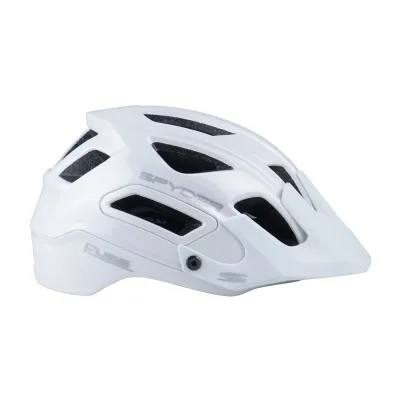
445 Lazada user ratings
Thank you Spyder! Tama ung color &size nung helmet. Maayos ung packaging.... Makapal ung bubblewrap. Makinis ung item. No scratches tlga. Qu…Read full reviewShow less
Thank you Spyder! Tama ung color &size nung helmet. Maayos ung packaging.... Makapal ung bubblewrap. Makinis ung item. No scratches tlga. Quality tlga to. Bili na mga kaPadyak! Excited n ko sa next ride! Tapos bilis pa ng delivery Manila to Pangasinan! 3 days!
👍👍👍Excellent! worth the wait. understandably. with 130k + followers mukhang na overwhelmed sila sa orders. very responsive, keeps u updated .k…Read full reviewShow less
👍👍👍Excellent! worth the wait. understandably. with 130k + followers mukhang na overwhelmed sila sa orders. very responsive, keeps u updated .kudos to LEX PH hatid din agad 🙂. Galing nang build and quality . Thanks!
I received the item in a good manner, packed properly, reasonable amount of delivery for the delivery. Must say, that the helmet has a very …Read full reviewShow less
I received the item in a good manner, packed properly, reasonable amount of delivery for the delivery. Must say, that the helmet has a very good quality, good design and lightweight. highly recommend it.
ang ganda ng quality. sakto din lang ang fit sa ulo ko at very comfortable. delivered within the given time frame and without damage. thanks…Read full reviewShow less
ang ganda ng quality. sakto din lang ang fit sa ulo ko at very comfortable. delivered within the given time frame and without damage. thanks spyder.ph and lazada.
Super duper thank you to the Seller and to the courier. Items are securely packed and no damage whatsoever. Again, thank you and more blessi…Read full reviewShow less
Super duper thank you to the Seller and to the courier. Items are securely packed and no damage whatsoever. Again, thank you and more blessings!
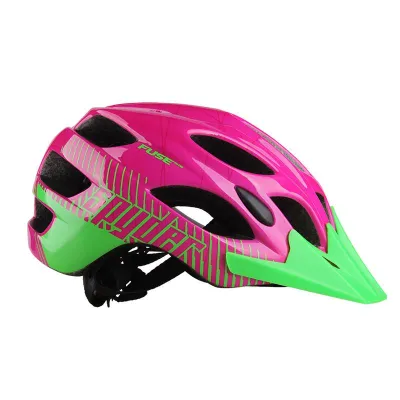
74 Lazada user ratings
This helmet is a very lightweight and airy option, making it a great choice for summer rides in the city. It features a MIPS system for adde…Read full reviewShow less
This helmet is a very lightweight and airy option, making it a great choice for summer rides in the city. It features a MIPS system for added peace of mind, and the design is incredibly breathable with its numerous air vents. The EPS construction is slim and low-profile, and the unique strap attachment to the rear retention system provides an unconventional fit. The white straps give it a clean, distinct look that stands out. It is a solid, basic helmet for those who want a simple gear setup for seasonal casual riding.
Stylish helmet with a beautiful design, great breathability, combines good looks with practicality, both attractive and functional.
The helmet has great quality, feels light and comfortable, has plenty of ventilation to keep cool, and the buckle is easy to use.
Very good, well-crafted, with high MIPS safety protection, worth buying, and can be used for skateboarding and roller skating!
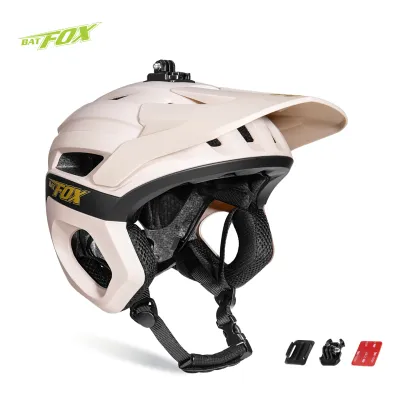
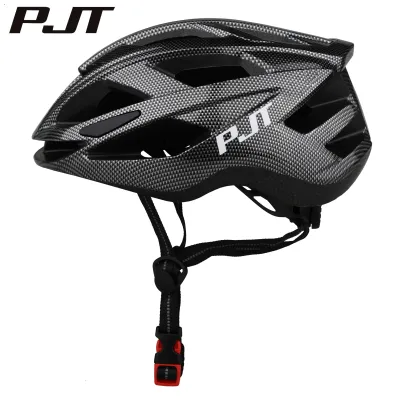
27 Lazada user ratings
I was surprised at how light it was. The design is nice too... but it feels like it's all styrofoam. The value for money is awesome, lol.
Arrived on time, very protected. It's quite light even though it fits me, I found the shape a bit big, but it shouldn't get in the way.
The product quality looks great and it doesn't look like a budget item at all. I think I'll be using it a lot.
It's lightweight with a great design, and the included sunglasses are pretty good too.
It's light and good. The finishing is a bit lacking. Good value for money.
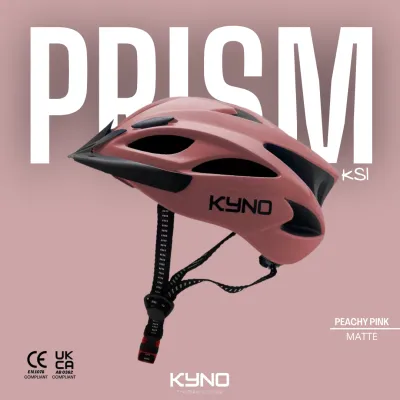
961 Lazada user ratings
Great helmet for cycling enthusiasts, Stylish color options to choose from, Lightweight and comfortable design, Perfect for both mountain an…Read full reviewShow less
Great helmet for cycling enthusiasts, Stylish color options to choose from, Lightweight and comfortable design, Perfect for both mountain and road biking, Easy to adjust and wear, High-quality materials for durability, Adjustable strap for a perfect fit, Offers great value for the price, ang angas ng design ang ganda ng kulay at ang porma pa pag suot mo na heheheh😍😍ganda sulit sa price no damage at secure na secure yung item sa box😍😍thanks lazada ang aga pa dumating hehehe😍
Easy to adjust and wear, Provides safety and comfort while riding, Perfect for both mountain and road biking, Adjustable strap for a perfect…Read full reviewShow less
Easy to adjust and wear, Provides safety and comfort while riding, Perfect for both mountain and road biking, Adjustable strap for a perfect fit, Lightweight and comfortable design,
Provides safety and comfort while riding, Perfect for both mountain and road biking, Excellent ventilation for a cool ride, Easy to adjust a…Read full reviewShow less
Provides safety and comfort while riding, Perfect for both mountain and road biking, Excellent ventilation for a cool ride, Easy to adjust and wear,
Excellent product. Looks durable enough. Lightweight as advertised. Hope it lasts. Thanks, seller.
goods naman, magaan, medyo masikip lang if malaki ung head. good for the price 👍🏻👍🏻👍🏻
Prices are valid at publication and may change. Please refer to the product page for the latest price.
While maximizing airflow is important, structural integrity and safety certifications must never be compromised to achieve better ventilation. A helmet’s primary job is to protect your head from impact, and any design that prioritizes cooling at the expense of safety is a liability. When shopping, verify that the helmet carries recognized safety certifications, such as CPSC or CE EN 1078, which are typically printed on a label inside the shell. Modern helmets often integrate rotational impact protection systems, such as MIPS or similar technologies, which are engineered with custom cutouts to ensure they do not block the helmet’s internal airflow pathways.
Comparing MTB Helmet Styles for Maximum Airflow
Choosing the right helmet style involves finding a balance between the level of protection required for your riding discipline and the ventilation performance needed for tropical trails. Cross-Country (XC) helmets are designed for high-intensity, high-output riding where weight and ventilation are prioritized. These helmets typically feature the highest number of vents and minimal structural bulk. Because XC riding involves sustained climbing and high aerobic effort, the open design allows heat to escape freely from all angles. The trade-off is coverage; XC helmets generally sit higher on the head and offer less protection around the temples and the back of the skull. This style is highly suitable for smooth fire roads, cross-country loops, and riders who prioritize maximum cooling over aggressive downhill protection.

Trail and Enduro helmets offer extended coverage, wrapping lower around the back of the head and the sides of the face to protect against impacts on technical terrain. To compensate for the added material and fewer overall vents, quality trail helmets rely on larger, strategically placed intake vents at the front and deep internal channeling. This design allows them to maintain a high level of airflow while offering robust protection. When choosing a trail helmet, look for models that feature prominent brow vents, which direct air directly across the forehead where sweat accumulation is heaviest. This style is ideal for riders who tackle technical singletracks and require a balance of safety and cooling.
For riders tackling steep, technical descents or visiting bike parks, full-face protection is essential. However, traditional full-face helmets can feel like an oven in tropical climates. Convertible helmets with removable chin bars offer a practical compromise. You can detach the chin bar during long, slow climbs to maximize airflow around your face and mouth, then reattach it before dropping into technical descents. If you prefer a fixed full-face helmet, look for enduro-specific full-face models that feature highly open chin bars and generous cheek pad ventilation to prevent hot air from trapping around your face. These designs allow you to manage heat effectively during uphill transfer sections without sacrificing downhill safety.
Essential Design Features for Hot and Humid Trails
When evaluating a helmet’s cooling performance in a store or online, there are several specific physical features you should inspect. The efficiency of a helmet’s cooling system is largely determined by the Venturi effect, which is facilitated by internal EPS channeling and rear exhaust ports. As you move forward, air enters the front intake vents and is forced through narrow internal channels molded into the EPS foam. This restriction increases the velocity of the airflow. When the air reaches the larger rear exhaust ports, it creates a low-pressure zone that actively pulls warm, humid air away from your scalp. When evaluating a helmet, run your fingers along the inside of the shell to verify that these channels are deep and unobstructed.
Sweat management is a major concern when riding in humid environments. Standard foam padding can quickly become saturated, leading to sweat dripping into your eyes and onto your eyewear. Look for helmets equipped with high-performance, moisture-wicking pads that utilize quick-drying synthetic fibers. Many manufacturers treat these pads with antimicrobial or silver-ion technologies to inhibit the growth of odor-causing bacteria. Because high humidity accelerates bacterial growth, choosing pads that resist mold and mildew will keep your helmet smelling fresh and prevent skin irritation during long rides.
The visor does more than block the sun and deflect low-hanging branches; it also plays a significant role in managing airflow. A poorly designed or fixed visor can act as a scoop, trapping air and pushing it away from the forehead intake vents. Opt for helmets with adjustable visors that can be tilted upward. This adjustability allows you to clear the path for incoming air, directing a steady stream of wind straight into the brow vents. Additionally, some visors feature integrated vents designed to channel air directly into the helmet shell, further enhancing the cooling effect.
Your choice of trail eyewear can directly impact your helmet’s ventilation performance. Large sunglasses or goggles with thick frames can block the critical intake vents located along the brow line of the helmet. When trying on a helmet, wear your preferred riding glasses to check the clearance. There should be a distinct gap between the top of the eyewear frame and the bottom edge of the helmet. Furthermore, look for helmets that feature dedicated eyewear storage ports or channels, allowing you to securely dock your sunglasses during slow, humid climbs when fogging becomes an issue.
How to Fit and Maintain Your Helmet in Tropical Conditions
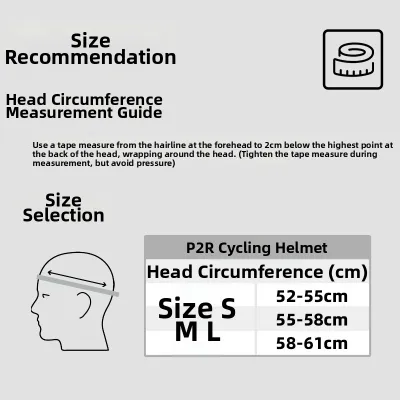
A proper fit is essential for both safety and ventilation. If a helmet is too small or adjusted too tightly, the internal EPS channels will be pressed flat against your head, blocking the pathways designed for air travel. Conversely, a helmet that is too loose will shift, misaligning the vents with your head’s natural heat zones. Use the rear dial-adjustment system to secure the helmet snugly without overtightening. There should be a uniform, minimal gap between your scalp and the internal channels, allowing air to circulate freely over your head. Ensure the front of the helmet sits about two fingers’ width above your eyebrows to keep the brow vents positioned correctly.
The combination of sweat, sunscreen, and trail dust creates a harsh environment for helmet materials. After every ride in humid conditions, rinse your helmet with fresh, clean water to remove salt deposits and grime. Remove the fabric pads and wash them gently by hand using mild soap. Avoid harsh detergents or machine washing, which can degrade the adhesive backing and antimicrobial treatments. Allow the pads and the helmet shell to air dry completely in a well-ventilated, shaded area. Never leave a damp helmet in a closed gear bag or car trunk, as this encourages mold growth and material degradation.
Over time, exposure to intense tropical sunlight and acidic sweat can degrade the materials of your helmet. Inspect the outer polycarbonate shell regularly for signs of fading, cracking, or separation from the EPS foam liner. Check the straps and buckle mechanism for fraying or salt-induced stiffness. EPS foam is designed to compress upon impact to protect your brain; however, it can also degrade slowly from repeated exposure to body oils and sweat. As a general safety guideline, plan to replace your MTB helmet every three to five years, or immediately after any significant crash or drop, even if no visible damage is apparent.
Frequently Asked Questions (FAQ)
Does a matte or glossy finish affect helmet temperature in direct sunlight?
While dark colors and matte finishes absorb slightly more radiant heat from direct sunlight than light-colored, glossy finishes, the practical difference in internal temperature is minimal. The primary barrier against heat transfer is the thick layer of EPS foam, which acts as an excellent thermal insulator. Your head’s temperature is governed almost entirely by the efficiency of the internal airflow channels and the evaporation of sweat, rather than the external paint finish. Focus on vent design and fit rather than color when prioritizing cooling.
Should I wear a cycling cap or sweatband under my MTB helmet?
Wearing a traditional cotton cycling cap under your helmet is not recommended for hot, humid trail riding. Cotton traps moisture, dries slowly, and blocks the air flowing through the internal channels, significantly increasing heat retention. If sweat dripping into your eyes is a persistent issue, opt for a thin, highly breathable skull cap or a specialized silicone sweatband designed for helmet use. These accessories channel sweat away from your face toward the sides of your head without obstructing the critical intake vents or compromising the fit of your helmet.
Community discussion
Share your experience or ask a question. Comments are reviewed before publication.