
Quick Guide: What to Prioritize in a Cheerleading Mini Megaphone
In the high-energy world of Philippine campus cheerleading, clear communication can make the difference between a flawless pyramid and a dangerous fall. Squad captains, coaches, and flyers rely on portable amplification to cut through the roar of passionate crowds and echoing gymnasiums. A mini megaphone serves as an essential tool for directing transitions, calling out stunt counts, and keeping the entire formation in perfect sync during intense routines.
When selecting a mini megaphone, squads must balance sound projection, physical weight, and power reliability. Standard-sized megaphones are often too bulky and heavy to carry while executing complex choreography or moving quickly along the sidelines. A compact, lightweight model allows the user to transition seamlessly from shouting instructions to performing dance steps or spotting a stunt.
To make a smart investment, squads should prioritize verified manufacturer specifications over vague marketing promises. Checking the exact weight, wattage, and battery requirements ensures the device will perform reliably under pressure. By focusing on practical features rather than flashy designs, your squad can secure a tool that enhances safety, coordination, and overall performance impact.
Products mentioned in this guide
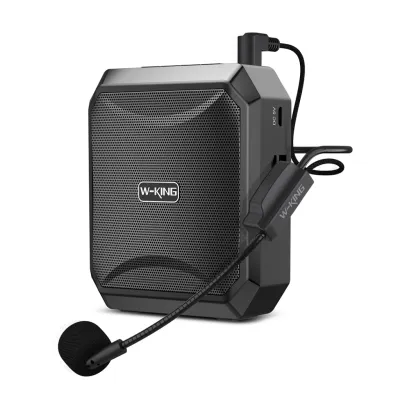
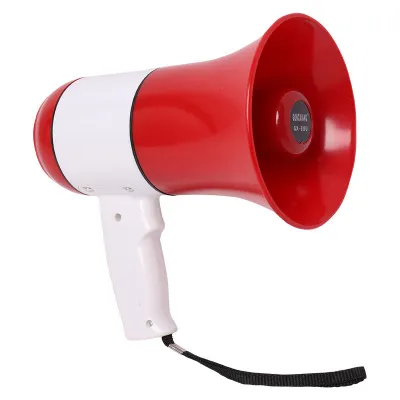
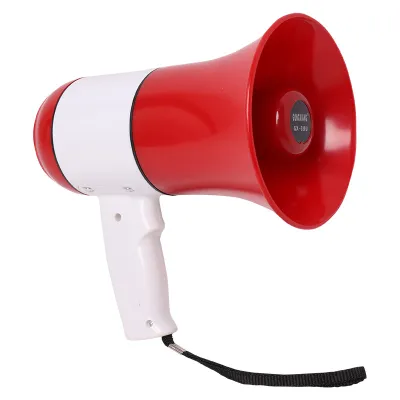
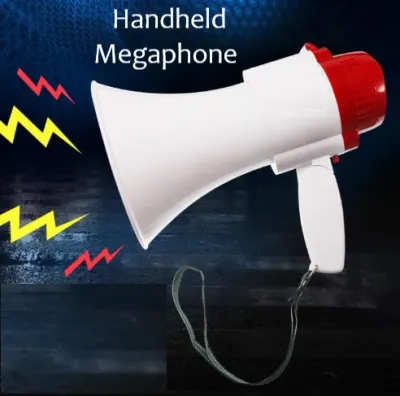
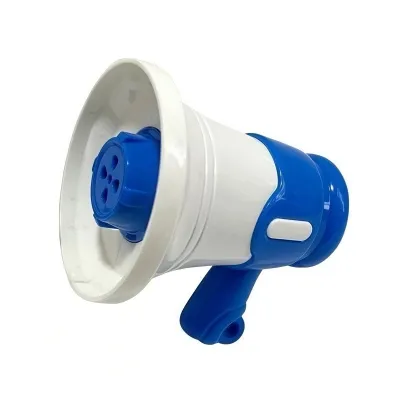
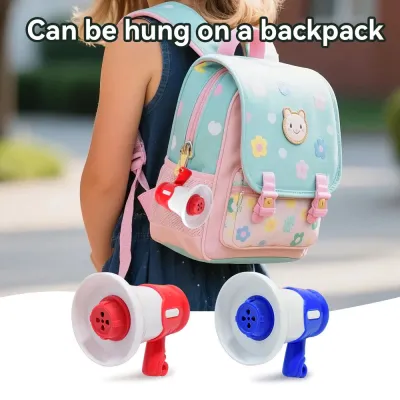
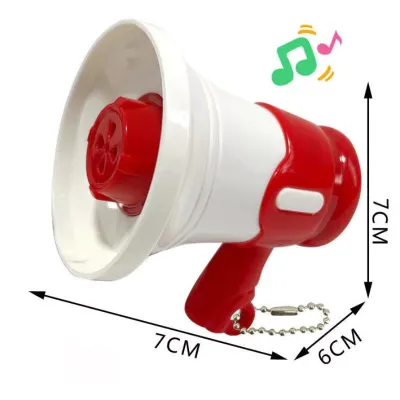
Prices are valid at publication and may change. Please refer to the product page for the latest price.
Sound Projection and Audio Clarity
Philippine campus sports venues present unique acoustic challenges, ranging from high-ceilinged indoor gymnasiums with echoing galvanized iron roofs to sprawling, open-air athletic tracks. To be effective, a mini megaphone must project clear, intelligible speech that cuts through both the reverberation of indoor spaces and the ambient wind noise of outdoor fields.

When evaluating a device’s power, look closely at the wattage ratings listed on the product packaging or specification sheet. For mini models, a power output of 10 to 20 watts is generally sufficient for campus use. This wattage typically translates to an effective projection range of 100 to 300 meters in open space, though actual performance will vary based on surrounding noise levels and physical obstacles.
While many megaphones include built-in siren or whistle functions, vocal clarity remains the most critical feature for cheerleading. A siren is helpful for grabbing the attention of a distracted crowd before a performance, but it is useless for calling out precise stunt timings. Prioritize models that emphasize low harmonic distortion and clear voice reproduction so that instructions like “Up!” or “Down!” do not sound muffled or garbled to the athletes in the air.
To maintain control over your sound, look for a device with a highly responsive, adjustable volume dial or slider. This allows the user to quickly lower the volume when speaking to nearby squad members during a huddle, and then instantly boost it to maximum when projecting across a football field. Additionally, check for anti-feedback designs, such as recessed microphone elements or directional speaker cones, which help minimize the harsh, high-pitched squealing that occurs when the device is used at close range.
Ergonomics and Handling During Routines
Cheerleading routines are physically demanding, requiring constant movement, sharp motions, and rapid transitions. A mini megaphone must be designed for effortless handling, allowing the user to hold, pass, or stow the device without disrupting the flow of the choreography or causing physical strain.
Weight and balance are critical factors in preventing wrist and arm fatigue during long practices and multi-day competitions. Look for models that weigh under 1 kilogram, even when fully loaded with batteries. Keep in mind that standard alkaline batteries can add significant weight to the device, so verifying the “wet weight” (the weight of the megaphone with batteries installed) is essential before making a final decision.
Inspect the grip design and handle angle to ensure comfortable, secure handling. An ergonomic pistol grip with a textured, non-slip surface is highly beneficial, especially in hot, humid tropical climates where palms quickly become sweaty. Some mini megaphones feature folding handles, which make the device highly compact for storage in a gear bag, but these folding joints must have a robust locking mechanism to prevent the handle from collapsing mid-use.
Safety is paramount during fast-paced routines, making a secure wrist strap or lanyard a non-negotiable feature. A heavy-duty strap prevents the megaphone from flying out of a user’s hand during a sudden turn or transition, protecting both the device from damage and nearby teammates from injury. Furthermore, the trigger button and volume controls should be positioned for easy, one-handed operation, allowing the user to activate the microphone and adjust settings using only their thumb or index finger.
Power Sources and Event Endurance
A megaphone is only useful if it stays powered throughout long training sessions, pep rallies, and multi-day regional competitions. Squads must carefully weigh the trade-offs between different power configurations to find a setup that matches their schedule and access to electricity.
Built-in rechargeable lithium-ion batteries offer excellent convenience and cost savings over time, eliminating the need to constantly purchase disposable batteries. These models are highly practical for daily school practices where the device can be easily plugged into a USB port or wall outlet overnight. However, if the battery dies during an outdoor competition with no power outlets nearby, the megaphone becomes temporarily useless unless you have a spare rechargeable pack on hand.
Standard replaceable batteries, such as AA or C cells, provide a reliable backup solution for travel and long event days. If the power runs out, you can simply swap in a fresh set of batteries and resume use immediately. The downside is the ongoing cost of replacements and the environmental impact of disposable batteries. Some versatile mini megaphones offer a dual-power design, allowing the use of either a rechargeable pack or standard batteries, which provides the ultimate flexibility for busy squads.
To estimate the runtime of a candidate model, consult the manufacturer’s specifications for continuous-use ratings. Keep in mind that typical cheerleading usage is intermittent rather than continuous, which naturally extends the battery life. Finally, inspect the battery compartment cover to ensure it features a secure latch or screw-down mechanism. Vigorous movements, jumps, and accidental drops can easily jar a loose battery cover open, causing the batteries to spill out and interrupting the squad’s communication.
Durability for Campus and Field Use
School gear must be tough enough to survive the rigors of daily practice, outdoor elements, and frequent travel. A mini megaphone will inevitably experience accidental drops onto concrete bleachers, exposure to dusty fields, and the high humidity of tropical climates.
High-impact ABS plastic is the preferred material for megaphone construction, offering an excellent balance of lightweight portability and structural strength. When inspecting a model, pay close attention to the joints where the handle connects to the main bell cone, as this is the most common point of structural failure. Look for reinforced seams, thick plastic walls, and sturdy metal hinge pins on folding models.
While fully waterproof megaphones are often heavy and expensive, basic moisture and weather resistance are highly desirable for outdoor field use. Sudden afternoon rain showers are common, so look for models that feature rubberized seals around the battery compartment, power switch, and microphone housing. These seals help prevent water droplets from penetrating the internal circuitry and causing a short circuit.
Additionally, examine the design of the front grill and the outer edge of the bell cone. A rubber bumper ring around the edge of the cone helps absorb the impact of accidental drops and prevents the plastic from cracking when the device is set down quickly on hard surfaces. A sturdy, recessed front grill is also essential for protecting the delicate internal speaker cone from punctures, dust, and debris during outdoor training sessions.
Building Your Final Shortlist and Purchasing Checklist
Before purchasing equipment for your squad, it is wise to create a structured comparison process to evaluate different models side-by-side. This ensures you select a device that meets your specific performance needs without exceeding your team’s budget.
Use the following comparison matrix template to organize your findings as you research different candidate models online or in local sports supply stores:
| Feature / Specification | Model A | Model B | Model C |
|---|---|---|---|
| Weight (with batteries) | e.g., 600 grams | e.g., 850 grams | e.g., 500 grams |
| Wattage / Rated Range | e.g., 10W / 150m | e.g., 15W / 200m | e.g., 8W / 100m |
| Power Source Type | e.g., Rechargeable USB | e.g., 4 x AA Batteries | e.g., Dual-Power |
| Handle Design | e.g., Folding handle | e.g., Fixed pistol grip | e.g., Folding handle |
| Weather Resistance | e.g., Rubber seals | e.g., None specified | e.g., Splash-proof |
| Estimated Price | e.g., ₱1,200 | e.g., ₱850 | e.g., ₱1,500 |
When sourcing your equipment, verify the warranty terms, return policies, and after-sales support offered by the seller or manufacturer. Purchasing from reputable local distributors or official online stores often provides better protection against manufacturing defects than buying from unverified third-party sellers on open online marketplaces.
Finally, establish a realistic budget for your squad’s communication gear. While it may be tempting to buy the cheapest option available, investing a bit more in a durable, weather-resistant model with a reliable power setup will save money in the long run by reducing the need for frequent replacements. Factor in the cost of spare batteries, charging cables, and protective storage pouches to get an accurate picture of the total investment in Philippine Pesos (₱).
Frequently Asked Questions (FAQ)
Can a mini megaphone be used for both indoor gyms and outdoor fields?
Yes, a mini megaphone can be used in both environments, but you must adjust your usage to match the acoustics of each venue. In an indoor gym, sound waves bounce off hard concrete walls and metal roofs, which can cause severe echoing and feedback. To maintain clarity indoors, keep the volume at a moderate level and speak directly into the microphone. For outdoor fields, where sound disperses quickly into the open air, you will need to increase the volume to its maximum setting and project your voice in the specific direction of the squad.
How do I prevent audio feedback when using the megaphone close to my mouth?
Audio feedback occurs when the sound coming out of the speaker is picked up again by the microphone, creating a continuous, high-pitched loop. To prevent this, hold the megaphone so that your mouth is close to the microphone but not touching it, keeping a consistent distance of about two to five centimeters. Avoid cupping your hands around the microphone or pointing the front speaker cone toward reflective surfaces like nearby walls or other squad members. If feedback persists, slightly lower the volume control until the squealing stops.
What is the best way to clean and sanitize the mouthpiece between squad members?
Because cheerleading equipment is often shared during fast-paced routines, maintaining proper hygiene is essential. Always consult the manufacturer’s user manual first for specific cleaning instructions and moisture warnings. To sanitize the mouthpiece safely, use a slightly damp disinfectant wipe or a microfiber cloth lightly moistened with a mild soap solution, taking care not to let any liquid drip into the internal microphone element or speaker housing. Never submerge the megaphone in water or use harsh chemical solvents like bleach, which can degrade the plastic casing and damage the internal electronics.
Community discussion
Share your experience or ask a question. Comments are reviewed before publication.