
Finding the right home workout equipment for a compact condominium in urban areas like Metro Manila requires a careful balance of functionality and spatial economy. While a full-sized treadmill or elliptical is often out of the question for a studio or one-bedroom unit, a mini stepper exercise machine offers an excellent cardiovascular alternative. However, simply buying the first compact unit you find online can lead to unexpected challenges, from noisy hydraulic thumping that disturbs your downstairs neighbors to safety hazards under low ceiling clearances.
To select the ideal mini stepper for a small condo, you must prioritize its dynamic active footprint, its structural weight capacity, and its ease of vertical or under-furniture storage. A successful purchase depends on understanding how the machine moves during a workout, rather than just how it sits in a corner when idle. By evaluating these physical dimensions alongside the specific environmental conditions of your living space, you can maintain a consistent fitness routine without cluttering your home.
Measuring Your Condo Space Before You Buy
Before browsing online marketplaces or visiting local sporting goods stores, you must conduct a thorough physical assessment of your condo’s layout. Many buyers make the mistake of measuring only the corner where they plan to store the machine, overlooking the space required during an active workout. This spatial assessment should cover both the static storage footprint and the dynamic active footprint of the equipment.
Products mentioned in this guide
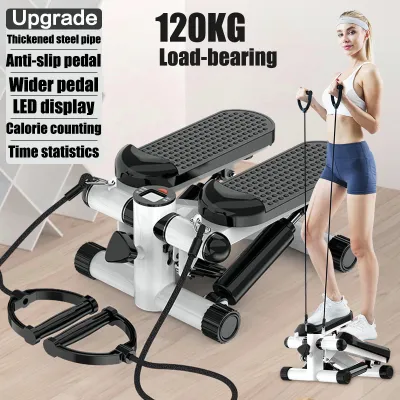
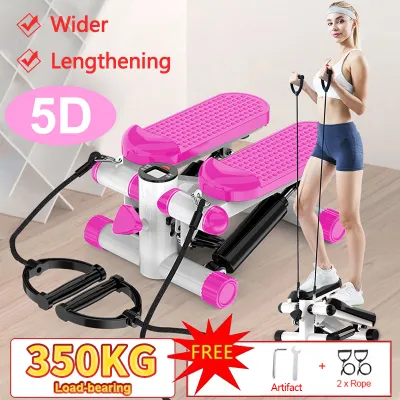
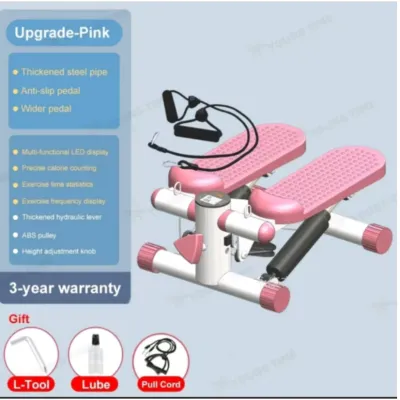
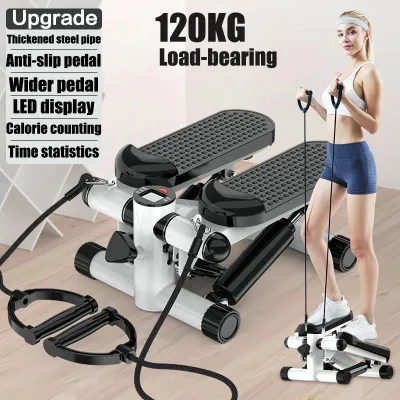
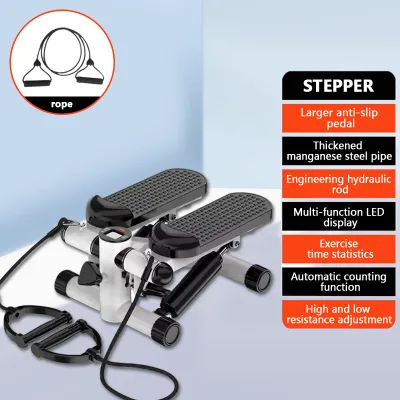
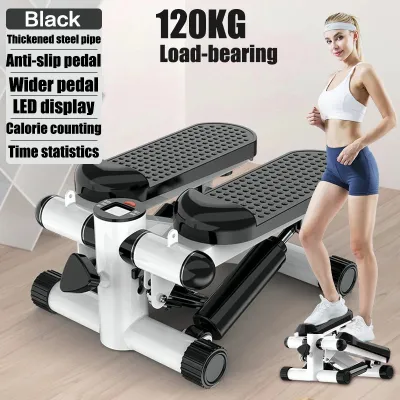
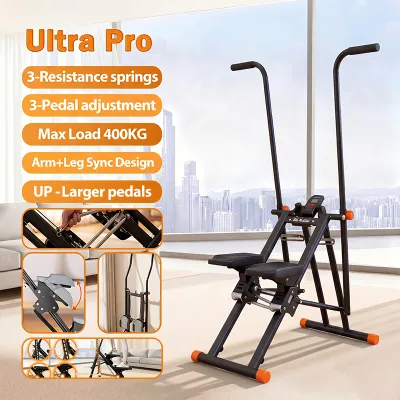
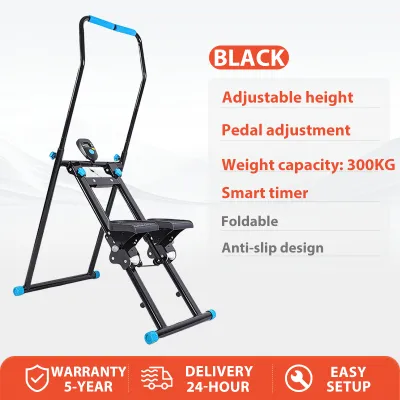
Prices are valid at publication and may change. Please refer to the product page for the latest price.
The static footprint refers to the physical dimensions of the stepper when it is completely stationary and out of use. The dynamic footprint, on the other hand, accounts for the space your body occupies while actively exercising. When you step on a mini stepper, your body does not remain perfectly still; you will naturally experience slight lateral swaying and front-to-back shifting. Furthermore, if you plan to use resistance bands or swing your arms for balance, you must ensure there is at least half a meter of clear, unobstructed space on all sides of the machine to prevent your hands or elbows from striking nearby furniture, walls, or glass sliding doors.
Beyond the immediate workout area, you must plan the logistics of getting the machine into your home. Measure the width and height of your condo’s entryways, narrow hallways, and elevator doors. Even though a mini stepper is relatively small, it often arrives in a bulky, heavily padded cardboard box. Ensuring that the packaged unit can easily navigate tight elevator cabins and sharp corridor turns in your building will prevent frustrating delivery delays or the need to unbox the equipment in a public hallway.
Ceiling height clearance is another critical factor that is frequently ignored in residential fitness setups. Many high-rise condominiums in the Philippines feature relatively low concrete ceilings, often ranging from 2.4 to 2.7 meters, which can be further restricted by dropped ceilings, structural bulkheads, or decorative light fixtures. To calculate your safe clearance, add your physical height to the maximum elevation of the stepper’s pedals at their highest point, then add an extra 15 to 20 centimeters of safety margin. If this total exceeds your ceiling height, you risk striking your head during vigorous exercise, particularly if you tend to bounce slightly at the top of your stepping stroke.
Critical Dimensions and Weight Capacity Specs
When comparing different mini stepper models, the technical specification sheet is your most reliable tool for ensuring a safe and durable fit. Relying on vague marketing terms like “ultra-compact” or “space-saving” can be misleading, as these labels are subjective and do not account for your specific body proportions or the physical constraints of your condo.

Evaluating the Physical Footprint and Pedal Spacing
The base dimensions of a mini stepper directly influence both its stability and the amount of floor space it consumes. A typical compact stepper features a base width of approximately 30 to 35 centimeters and a depth of 40 to 45 centimeters. While a narrower base is easier to tuck away under a desk or in a small closet, it can compromise lateral stability during high-intensity workouts. If you plan to perform rapid, high-energy stepping, a slightly wider base is preferable to prevent the machine from tipping sideways.
Pedal size and spacing are equally important for ergonomic comfort and safety. The pedals must be large enough to accommodate your athletic shoes fully, preventing your toes or heels from hanging over the edges, which can cause slipping and foot fatigue. In the humid, tropical climate of the Philippines, sweat can quickly accumulate on equipment surfaces; therefore, look for pedals with high-traction, non-slip rubber patterns or raised safety borders. The lateral distance between the two pedals should align naturally with your hip width to prevent knee strain and joint discomfort over long-term use.
To make an informed decision, measure your designated workout floor space using a physical measuring tape, then compare those numbers directly against the manufacturer’s listed dimensions. Ensure that you account for any base leveling feet or protruding adjustment knobs, as these small components can add several centimeters to the actual space required for placement.
Understanding Weight Capacity and Equipment Stability
A mini stepper’s weight capacity is a primary indicator of its overall structural integrity and the quality of its hydraulic system. It is a common misconception that the weight limit is simply a safety threshold for the frame; in reality, it reflects the thickness of the steel tubing and the pressure tolerance of the hydraulic cylinders. A machine with a higher weight capacity is built with heavier-gauge steel and more robust seals, which are essential for preventing fluid leaks and mechanical failures.
In a small condo, you must navigate a direct trade-off between equipment weight and physical stability. Lighter steppers, weighing between 5 and 7 kilograms, are incredibly easy to pick up, relocate, and store in overhead cabinets. However, because they lack physical mass, they are highly prone to sliding across the floor or wobbling when you shift your weight. Heavier steppers, weighing between 8 and 12 kilograms, utilize thicker steel frames that plant the machine firmly on the ground, offering a much safer and more secure workout experience at the cost of slightly more lifting effort.
For optimal durability, select a mini stepper with a maximum weight capacity that exceeds your actual body weight by at least 15 to 20 percent. Operating a hydraulic stepper close to its maximum limit causes the internal fluid to heat up rapidly, leading to a temporary loss of resistance and accelerating the wear on the cylinder seals. Choosing a heavy-duty model ensures that the hydraulic system can withstand daily workouts in warm indoor environments without degrading or requiring frequent replacement.
Storage and Portability Features for Tight Spaces
Living in a compact condo means that every square meter of floor space must serve multiple purposes. A mini stepper that is difficult to move or store will quickly become an eyesore or a physical obstacle in your living room, ultimately discouraging you from using it.
Folding Mechanisms and Collapsible Designs
When evaluating the storage features of a mini stepper, it is important to distinguish between true folding designs and simple pedal-locking systems. True folding steppers often feature an attached handlebar assembly that collapses flat against the main frame, reducing the unit’s height to 15 centimeters or less. This flat profile is ideal for sliding the machine under a bed, beneath a sofa, or flat against the bottom of a wardrobe.
The convenience of the folding mechanism determines how consistently you will put the machine away. Look for models that utilize quick-release pins or spring-loaded knobs that allow you to collapse the unit in less than a minute without the need for specialized tools. If a machine requires you to unscrew multiple bolts or disassemble structural parts every time you finish a workout, you will likely leave it permanently assembled, defeating the purpose of buying a compact model.
Additionally, check whether the folded stepper can stand upright independently or if it must be leaned against a wall. Self-standing designs are significantly safer for small spaces, as they minimize the risk of the machine tipping over onto pets, children, or delicate furniture. If you must lean the unit against a wall, ensure the contact points are padded with soft rubber to prevent scuffing your condo’s paint or leaving dark grease marks from the hydraulic joints.
Mobility Aids and Cable Management
Because a stable, high-quality mini stepper can weigh up to 12 kilograms, built-in mobility aids are essential for preventing physical strain during daily setup and cleanup. Look for units equipped with small transport wheels integrated into the front stabilizer bar. These wheels allow you to tilt the machine slightly and roll it effortlessly across hardwood, tile, or vinyl floors rather than lifting its entire weight. Ergonomic, built-in grab handles also provide a secure grip, making it much easier to carry the machine up and down steps or lift it onto a closet shelf.
Cable and accessory management is another crucial design aspect for maintaining a tidy condo environment. Many mini steppers come with elastic resistance bands for upper-body workouts; however, leaving these bands permanently attached creates a messy visual profile and a dangerous tripping hazard in tight walkways. Prioritize models that feature quick-detach carabiners or dedicated storage hooks on the base of the machine, allowing you to remove and coil the bands neatly before storing the stepper away.
Finally, consider the visual design of the machine. Brightly colored fitness equipment can clash with your home decor and make a small room feel visually cluttered. Opting for a mini stepper with a sleek, minimalist design in neutral tones—such as matte black, charcoal grey, or clean white—allows the unit to blend seamlessly into your condo’s aesthetic, maintaining a calm and organized living environment.
Common Space and Placement Mistakes to Avoid
To ensure a safe, quiet, and long-lasting fitness experience in your condo, you must avoid several common placement and storage mistakes that can lead to property damage or neighbor disputes.
One of the most frequent oversights is ignoring dynamic vertical clearance during a workout. It is easy to forget that your head will rise significantly higher than your normal standing height when you reach the top of a stepping stroke. Operating a stepper directly beneath low-hanging pendant lights, decorative chandeliers, or a spinning ceiling fan can result in severe head injuries or shattered fixtures. Always position your stepper in an open area with clear vertical headroom, well away from any ceiling obstructions.
Another major mistake is placing the stepper directly on hard condo flooring, such as ceramic tiles, laminate, or engineered hardwood. The repeated downward impact of stepping, combined with the slight shifting of the metal base, can easily scratch, dent, or discolor expensive flooring materials. Furthermore, the friction and vibration from the hydraulic cylinders can transmit a low-frequency, thumping noise directly through the concrete floor slab to the ceiling of the unit below you. To maintain good relations with your neighbors and protect your floor, always place a high-density PVC, rubber, or foam equipment mat underneath your stepper to absorb vibrations and muffle sound.
Finally, improper storage placement can severely damage your equipment and your home. Storing your mini stepper in a highly humid area—such as an open condo balcony exposed to rain and tropical air, or inside a small, poorly ventilated bathroom—will rapidly cause the steel frame to rust and degrade the synthetic seals on the hydraulic cylinders. Additionally, placing a hot stepper immediately into a tight, unventilated closet right after a workout can trap heat around the hydraulics, preventing them from cooling down naturally and shortening their lifespan. Allow the cylinders to cool completely in an open, air-conditioned room before putting the machine away.
Frequently Asked Questions (FAQ)
Can I use a mini stepper directly on a condo carpet or hardwood floor?
Using a mini stepper directly on hardwood, laminate, or tile floors is not recommended, as the metal base can cause scratches and the hydraulic vibrations will transmit noise to downstairs neighbors. Placing the stepper directly on a thick, plush carpet can also cause instability, making the machine wobble during use and potentially blocking airflow around the hydraulic cylinders. For safety, noise reduction, and floor protection, always place a firm, high-density equipment mat underneath the stepper.
Do resistance bands significantly increase the storage footprint?
The resistance bands themselves do not add to the physical floor footprint of the machine, but leaving them attached can create visual clutter and a tripping hazard in a compact condo. To keep your living space tidy, look for a mini stepper with detachable bands that use simple carabiner clips. This design allows you to remove the bands after your workout, coil them neatly, and store them in a drawer or closet shelf separately from the main unit.
Community discussion
Share your experience or ask a question. Comments are reviewed before publication.