
Selecting the right running bag is a critical decision that directly impacts your performance, comfort, and physical endurance. For male runners, finding a bag that accommodates a broader chest, wider shoulders, and a longer torso while managing heavy sweat in hot conditions requires looking beyond basic aesthetics or brand names. The ideal running bag must balance carrying capacity, torso-specific ergonomics, bounce-reducing stability, and high breathability to ensure your gear remains secure without causing painful chafing or restricting your natural stride.
To make an informed choice, you must evaluate how a bag interacts with your body during dynamic movement. A poorly fitting bag can lead to raw skin, bruised ribs, or altered running mechanics, while a well-designed pack feels like an extension of your body. By analyzing your specific distance requirements, anatomical fit, stability mechanisms, and hydration preferences, you can select a running bag that supports your training goals rather than hindering them.
Assess Your Carrying Needs and Running Distance
Before comparing strap designs or materials, you must determine what you actually need to carry on a typical run. Your gear requirements dictate the style and volume of the bag you should choose. Carrying too much empty space leads to loose fabric that flaps and sags, while over-stretching a small pack strains the seams and creates uncomfortable pressure points against your back. Start by laying out your mandatory carry items, which typically include a smartphone, house or car keys, energy gels, hydration, an emergency whistle, and perhaps a lightweight jacket or cash.
Products mentioned in this guide
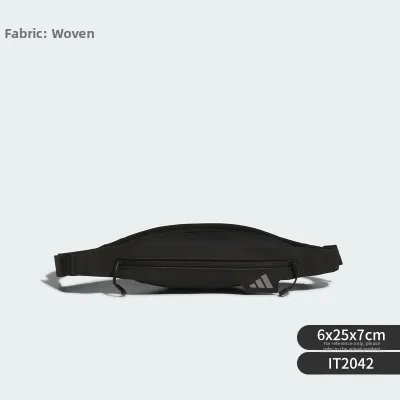
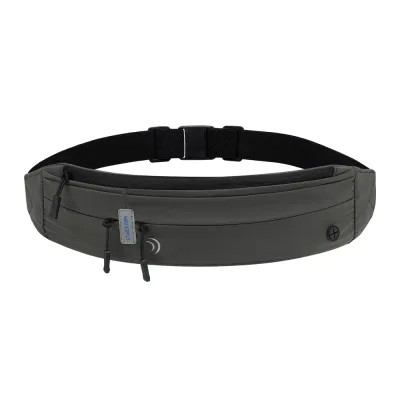
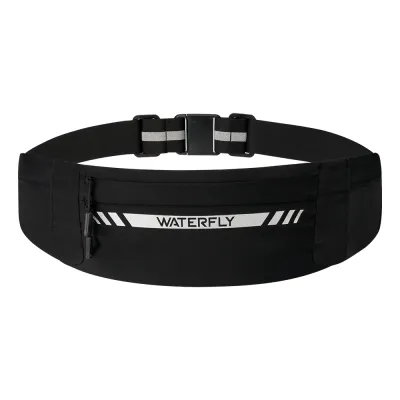
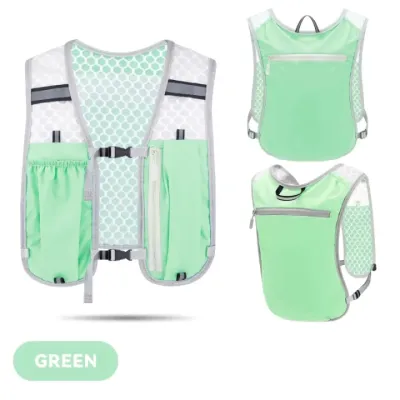

Prices are valid at publication and may change. Please refer to the product page for the latest price.
Your typical running distance serves as the primary guide for selecting the appropriate storage capacity. Matching your mileage to these capacity ranges ensures you carry only what is necessary:
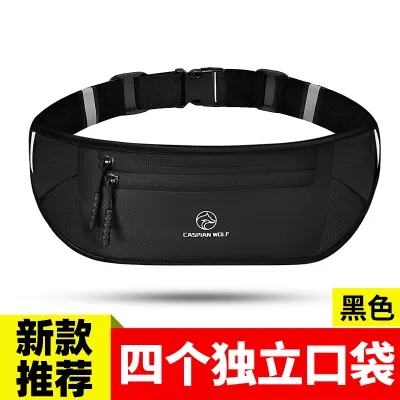
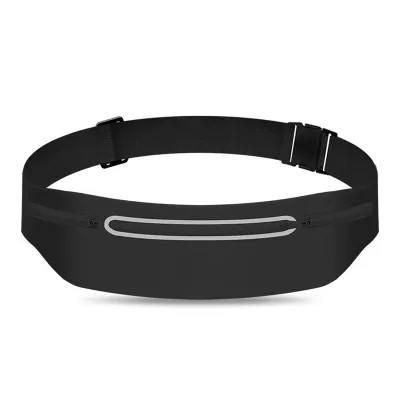
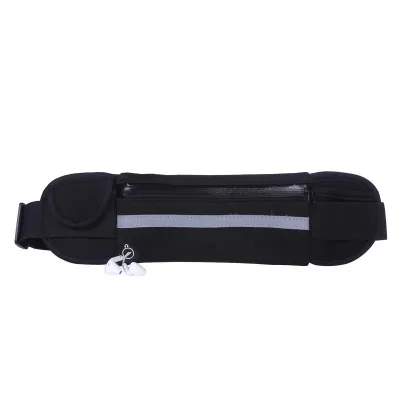
- Short Urban Runs (Under 10 Kilometers): For quick neighborhood loops or track workouts, a capacity of 2 to 5 liters is usually sufficient. Alternatively, a high-quality waist pack or running belt can easily hold a phone, keys, and a couple of energy gels without the bulk of a full shoulder harness.
- Half-Marathons and Long Trail Runs (10 to 21 Kilometers): These mid-distance efforts require more sustained hydration and nutrition. A lightweight vest with a capacity of 5 to 12 liters allows you to carry up to a liter of water, multiple nutrition packs, basic first-aid items, and a packable windbreaker.
- Ultramarathons and Self-Supported Adventures (Over 21 Kilometers): For extreme distances or remote trail runs where aid stations are sparse, look for packs with a capacity of 12 liters or more. These bags provide ample space for mandatory race gear, survival blankets, headlamps, additional layers, and larger water reservoirs.
Choosing a bag that matches your actual distance prevents the dual pitfalls of over-packing and under-packing. An oversized vest tempted with extra space often ends up filled with unnecessary weight, which increases muscle fatigue over long distances. Conversely, forcing yourself into an undersized bag means leaving behind essential safety gear, dry layers, or sufficient nutrition, which can be dangerous during sudden weather shifts or unexpected delays.
Evaluate Fit and Ergonomics for the Male Torso
Men generally possess broader shoulders, a wider chest cavity, and a longer torso than women, which significantly influences how a running bag should sit on the body. A bag that does not account for these anatomical traits will pinch, slip, or ride up, leading to severe discomfort within the first few kilometers. When trying on a pack, pay close attention to how the harness system aligns with your upper body.

Shoulder strap placement is the first critical checkpoint for a proper male fit. Because of a wider shoulder span, the straps must sit flat across the middle of your trapezius muscles. If the straps are positioned too close together, they will pinch the sides of your neck, causing muscle tension and skin irritation. If they sit too far apart, they will slide off the edges of your shoulders during your arm swings, forcing you to constantly adjust them and disrupting your running form.
Chest strap positioning is equally vital for comfort and lung expansion. Most modern running vests feature adjustable sternum straps that can be moved vertically along a piping rail. For male runners, these straps should be positioned so they do not place direct pressure on the thickest part of the pectoral muscles. Constant friction against the pectorals can cause painful chafing, especially over long distances. Position the straps slightly above or below the bulk of the muscle to secure the pack without restricting your breathing.
Torso length is another factor that varies widely among runners. A bag designed with a short torso length will ride too high on a taller male frame. This high positioning can restrict your shoulder blade movement, limit your arm swing, and trap heat directly against your upper back, leading to rapid sweat buildup. Look for bags that offer adjustable torso lengths or come in distinct sizes (such as Small, Medium, and Large) rather than a one-size-fits-all model.
Finally, inspect the construction of the interior surfaces. The best running bags feature soft, seamless edge binding and smooth interior linings. This is particularly important if you prefer to run in thin singlets or shirtless, as rough seams or coarse mesh will quickly abrade bare skin under the constant friction of running.
Check Stability and Bounce Control Mechanisms
When you run, your body moves vertically and laterally with every stride. A running bag that is not securely anchored will bounce up and down or sway from side to side, which wastes energy, causes chafing, and can even bruise your ribs or collarbones. To prevent this dynamic movement, a high-quality pack must feature robust, adjustable hardware designed to lock the load close to your center of gravity.
Look for specific hardware and adjustment mechanisms that allow you to customize the fit on the fly:
- Dual Adjustable Sternum Straps: Having two chest straps provides balanced tension across the front of the vest. Look for straps with elasticated sections that stretch slightly as your chest expands when breathing heavily.
- Side-Compression Straps or Bungee Tensioners: These cords allow you to pull the main rear compartment closer to your back as you consume your water and food, keeping the load compact and preventing empty fabric from sagging.
- Load-Lifter Straps: Found on larger capacity packs, these small straps connect the top of the shoulder harness to the upper part of the bag, allowing you to pull the weight forward and distribute it more evenly across your shoulders.
- Load the bag: Fill the hydration flasks or bladder to the level you plan to carry, and add your phone and keys.
- Adjust the straps: Tighten the side and chest straps until the pack feels snug but comfortable.
- Perform the test: Jump up and down repeatedly, and run a few paces in place. If the bag shifts vertically against your shoulders or sways laterally across your back, the stability mechanisms are insufficient, or the bag is the wrong size.
Proper weight distribution is the key to minimizing bounce. Heavier items, such as a full hydration bladder or water reservoir, should always be positioned high up and as close to your spine as possible. Lighter items, such as energy gels, keys, or a windbreaker, should be placed in the front pockets or lower compartments. This configuration keeps the pack’s center of mass aligned with your body’s natural center of gravity, preventing the bag from pulling you backward or shifting during high-impact descents.
Before committing to a purchase, always perform a “jump test” to verify the bag’s stability. If shopping online, ensure the retailer has a flexible return policy that allows you to test the fit of a fully loaded bag at home before taking it out on the road.
Prioritize Breathability for Hot and Humid Climates
Running in tropical or highly humid environments, such as the Philippines, presents unique challenges for thermoregulation. High humidity limits the body’s ability to cool itself through sweat evaporation. Wearing a running bag adds an extra layer of insulation over your back and chest, which can quickly lead to overheating, excessive sweating, and severe skin irritation if the materials are not highly breathable.
To combat heat buildup, prioritize bags that feature high-airflow back panels and shoulder straps. Look for materials like open 3D spacer mesh, which creates a physical gap between the bag and your skin, allowing air to circulate freely. Suspended mesh back panels are also highly effective, as they hold the main body of the pack away from your back entirely, maximizing ventilation. Avoid bags made with thick, solid foam padding or heavy, non-breathable synthetic fabrics that trap heat and moisture.
While breathability is essential for your comfort, it also means that your sweat will easily penetrate the fabric of the bag. This poses a risk to sensitive electronics like smartphones, car keys, or paper money. To protect these items, look for a running bag that includes dedicated water-resistant or waterproof pockets. These compartments are typically lined with a thermoplastic polyurethane (TPU) membrane or feature a roll-top closure, shielding your valuables from both heavy sweat and sudden tropical downpours.
Review Hydration Compatibility and Quick-Access Storage
Staying hydrated is paramount during warm-weather runs, making the hydration system of your bag a primary consideration. Running bags generally accommodate water in two ways: front soft flasks or a rear hydration bladder. Each system has distinct advantages and trade-offs that you should match to your running style.
Front soft flasks, which typically sit in pockets on the shoulder straps, are highly convenient for several reasons. They allow you to monitor your water intake easily, are quick to refill at aid stations, and distribute water weight evenly across your chest, balancing the load on your back. However, they can feel bulky on the chest and may bounce if the front pockets are not sufficiently deep or secure. Rear hydration bladders hold larger volumes of water (usually 1.5 to 3 liters) and keep your chest completely unrestricted. The trade-off is that they are harder to refill quickly during a run, and the water can slosh loudly if you do not purge the air from the bladder before setting off.
Your storage pocket layout should allow you to access essential items without stopping or breaking your running stride. Look for stretch-mesh pockets on the front and sides of the harness that can be reached easily with one hand. These are ideal for storing energy gels, salt capsules, or empty wrappers. Secure zippered pockets are essential for valuable items like keys or cards, while magnetic buckles or quick-pull tabs provide fast access to gear even when your hands are sweaty or cold.
For trail runners, specialized external storage features can make a significant difference. Look for integrated trekking pole attachments, which allow you to secure your poles across your chest or lower back when they are not in use. External bungee tie-downs are useful for quickly stashing a discarded rain shell, while an integrated emergency whistle—often built into the sternum strap buckle—is a standard safety requirement for many organized trail races.
Premium running vests from specialized brands typically range from ₱4,000 to ₱9,000, while entry-level waist packs and basic hydration belts are often available for under ₱1,500. Investing in a high-quality, durable bag that fits your torso correctly will protect your body from injury and enhance your running experience for years to come.
Frequently Asked Questions (FAQ)
Can men comfortably use women's or unisex running vests?
While unisex running vests are designed to fit a wide range of body types, women’s-specific vests are tailored differently. Women’s vests typically feature narrower shoulder widths, shorter torso lengths, and curved chest straps designed to sit away from the bust. For a male runner with broader shoulders and a longer torso, a women’s vest may pinch the neck, ride too high on the back, or cause the shoulder straps to slip outward. It is always best to refer to the manufacturer’s specific sizing chart and torso measurements rather than relying solely on the gender label.
How tight should a running vest be to prevent bouncing without restricting breathing?
A running vest should fit snugly, resembling a firm but comfortable hug. There should be no visible gaps between the shoulder straps and your body, and the pack should not sag. To find the correct tension, put on the loaded vest, take a deep, maximal breath, and adjust the sternum and side straps. If the straps dig into your chest painfully or prevent your lungs from fully expanding, the vest is too tight, or you need to select a larger size. The vest should expand slightly with your chest while remaining secure against your torso.
Community discussion
Share your experience or ask a question. Comments are reviewed before publication.