
Running in tropical climates like the Philippines presents a unique set of physiological and physical challenges. High relative humidity prevents sweat from evaporating efficiently, which limits your body’s natural cooling mechanism and leads to rapid fluid loss. Carrying water is a safety necessity to prevent dehydration, heat cramps, and heat exhaustion during outdoor training. However, a poorly designed hydration belt can trap heat around your waist, bounce excessively, or slip down as your clothing becomes saturated with sweat. Finding the right running belt bag with a water bottle holder requires balancing secure bottle retention with lightweight, highly breathable materials that do not absorb moisture.
When selecting gear for hot and humid environments, the primary goal is to minimize thermal strain and skin irritation. A heavy, non-breathable belt acts as a vapor barrier, trapping hot air and sweat against your lower back and abdomen. This localized heat buildup can make your run feel significantly more taxing and accelerate fatigue. By focusing on specific material compositions and structural designs, you can find a belt that stays secure, keeps you relatively cool, and provides easy access to hydration on the road or trail.
Key Features to Look for in Tropical Climates
To combat the intense heat and humidity, the materials used in your running belt are of paramount importance. Look for back panels and waistbands constructed from 3D air mesh or open-cell mesh. Unlike standard solid fabrics, 3D air mesh utilizes a micro-filament layer that keeps the main body of the belt suspended slightly away from your skin. This design creates a continuous channel for air to circulate, promoting sweat evaporation and preventing the heavy, wet-towel sensation of saturated fabric clinging to your waist.
Products mentioned in this guide
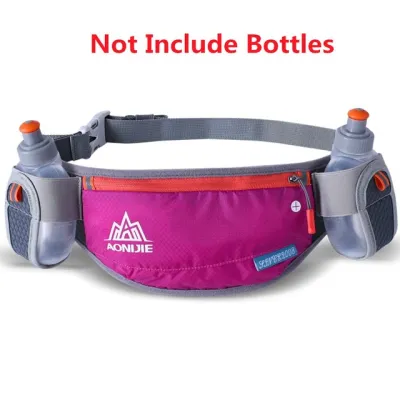
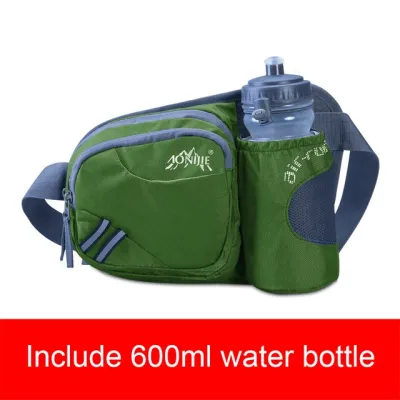
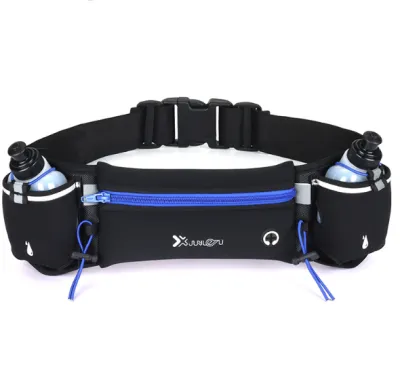
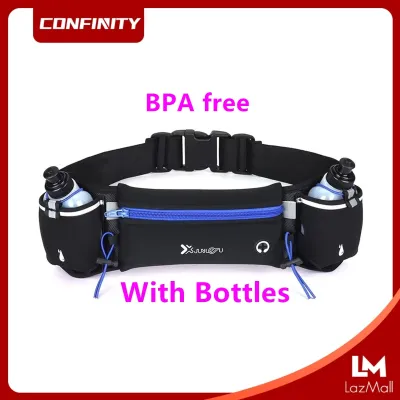
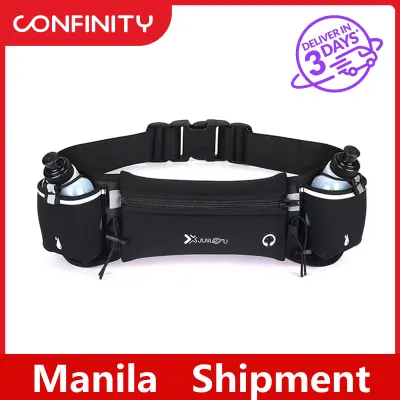
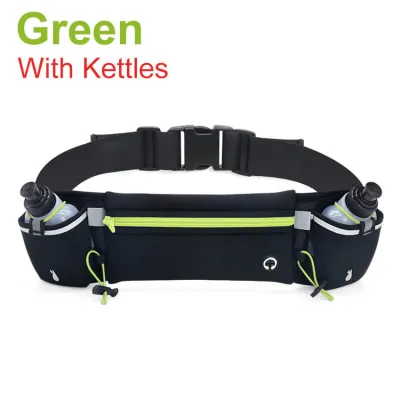
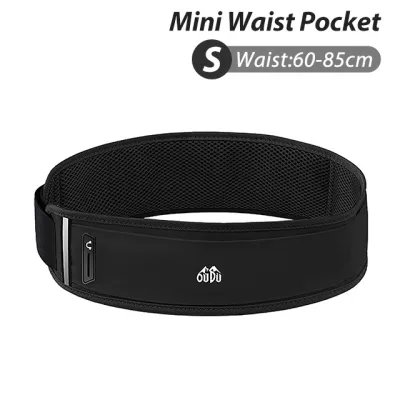
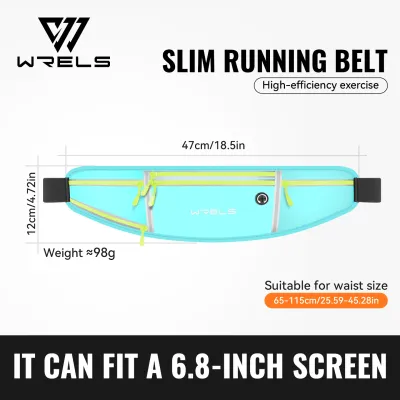
Prices are valid at publication and may change. Please refer to the product page for the latest price.
Moisture-wicking synthetic fabrics are equally essential for the non-mesh portions of the belt. Materials blended from polyester, polyamide, and elastane are engineered with non-round fibers that pull moisture away from your body through capillary action, spreading it over a larger surface area to speed up drying. Avoid belts containing cotton or heavy neoprene; cotton absorbs and retains water, while neoprene traps heat and sweat, which quickly leads to skin maceration and discomfort.
Chafing is a constant threat when running with wet skin, as salt crystals from dried sweat act like fine sandpaper against your body. To minimize friction, prioritize belts designed with flatlock stitching or completely seamless, bonded edges. The inner lining that contacts your skin or clothing should feel soft and smooth. Additionally, look for wide, adjustable elastic straps that distribute the weight of the belt and water bottle over a larger surface area, which prevents the strap from digging into your waist or hips as you move.
Bottle retention is another critical factor, especially when your gear is wet and slippery. A bouncing water bottle alters your running gait and can cause lower back strain over long distances. Look for bottle sleeves equipped with adjustable bungee cords, elastic tension loops, or rigid plastic holsters that grip the bottle securely. The interior of the sleeve should feature high-friction materials, such as silicone grip patterns, to prevent the bottle from sliding out when you pick up your pace or navigate uneven terrain.
Belt Styles and Their Performance in Heat and Humidity
Running belts with water bottle holders generally fall into three structural categories, each offering distinct advantages and trade-offs regarding breathability, storage, and stability. Understanding these styles allows you to choose the form factor that best matches your training environment and personal comfort preferences.

Tubular stretch belts are continuous loops of highly elastic fabric that sit flat against your hips. Because they lack bulky plastic buckles, heavy padding, or rigid frames, they offer excellent breathability and a very low-profile fit. These belts compress items directly against your body, which naturally minimizes bounce. However, they are best suited for soft, collapsible flasks rather than rigid plastic bottles. As you drink from a soft flask, it shrinks and eliminates sloshing, but carrying a large volume of water in a tubular belt can cause the lightweight fabric to sag.
Multi-pocket zippered belts feature distinct, structured compartments often made of weather-resistant or water-resistant materials. These pockets are excellent for protecting your phone, keys, and nutrition from sweat and sudden tropical downpours. The trade-off is that these thicker, protective fabrics are less breathable and can trap heat against your lower back. If you prefer this style, look for models that incorporate a mesh backing behind the zippered pockets to allow some airflow, and ensure the bottle sleeve is positioned centrally to balance the weight.
Structured hydration waist packs are designed specifically for carrying heavier fluid volumes over longer distances. They feature a dedicated, often angled bottle holster and a semi-rigid frame that distributes weight across your lumbar region. The angled design, typically set at 45 to 60 degrees, aligns with the natural reach of your arm, allowing you to retrieve and replace the bottle with one hand without breaking your running stride. While they offer superior stability and weight distribution, their larger footprint covers more skin, which can feel warmer in high humidity.
| Belt Style | Sweat Management | Bounce Control | Storage Capacity | Ideal Run Type |
|---|---|---|---|---|
| Tubular Stretch Belt | Excellent (highly breathable, lightweight mesh) | Moderate (best with soft flasks) | Low to Moderate (small essentials) | Short to medium recovery runs |
| Multi-Pocket Zippered Belt | Moderate (protective fabrics can trap heat) | Good (adjustable tension straps) | High (multiple secure compartments) | Medium-distance urban runs |
| Structured Hydration Pack | Fair to Good (larger skin contact area) | Excellent (rigid frame and holsters) | High (supports heavy bottles and gear) | Long-distance trail or road runs |
How to Match the Belt to Your Run and Hydration Needs
Your choice of running belt should align directly with your training duration, sweat rate, and the availability of water along your route. In hot and humid conditions, a runner can easily lose between 500ml and 1 liter of sweat per hour. For short runs lasting under 45 minutes, a small 250ml to 350ml soft flask is usually sufficient to wet your mouth and maintain hydration. For longer training sessions exceeding an hour, you will need a belt that can accommodate a 500ml to 750ml bottle, or even dual-bottle configurations if you are training for a half-marathon or marathon.
Weight distribution is crucial when carrying half a kilogram or more of water on your waist. To prevent the belt from riding up toward your stomach or bouncing against your spine, it must sit snugly over your iliac crest, which is the widest part of your hip bones. This positions the load over your skeletal structure rather than your soft abdomen, improving stability and reducing lower back fatigue. Look for belts with dual-pull adjustment systems that allow you to tighten the fit evenly from both sides.
In addition to water, you must consider how you will carry other essentials in wet conditions. High humidity means your running clothes will be completely drenched within minutes, whether from sweat or a sudden tropical shower. Any storage compartment holding electronics, car keys, or paper currency must be highly water-resistant. Look for pockets lined with thermoplastic polyurethane (TPU) or water-resistant zippers. For absolute safety, place sensitive electronics inside a small, sealable plastic bag before tucking them into your belt.
What to Check Before You Buy
Before committing to a running belt, it is highly recommended to perform a practical evaluation to ensure the gear fits your body shape and meets your performance expectations. Fit is highly subjective, and a belt that works well for one runner may cause chafing or bounce on another due to differences in hip-to-waist ratios and running mechanics.
When you receive your belt, perform a loaded bounce test indoors. Fill your water bottle to its maximum capacity, place it in the holster, pack your phone and keys, and put the belt on. Adjust the straps to a snug, comfortable position over your hips. Jog in place, perform a few high knees, and jump up and down. Observe whether the belt rides up toward your waist, if the straps loosen under the dynamic weight, or if the bottle bounces uncomfortably against your back. If the belt fails to stay secure during this brief indoor test, it will likely cause issues during a hot, sweaty outdoor run.
Review the manufacturer’s care and maintenance labels carefully. Sweat contains salts, body oils, and bacteria that can quickly degrade elastic fibers and cause unpleasant, persistent odors. To prolong the lifespan of your gear, look for belts that are easy to hand wash. Rinsing your belt with fresh water immediately after every run is highly recommended to remove salt buildup. Avoid machine washing with harsh detergents or using a clothes dryer, as high heat can warp plastic buckles, degrade water-resistant coatings, and ruin the elasticity of the waistband.
Finally, verify the return and exchange policies of the online marketplace or specialty running store where you make your purchase. Because finding the perfect fit often requires trial and error, buying from a retailer that allows returns of unused items with original packaging is a major advantage. Keep all tags attached during your indoor fit and bounce tests so you can easily exchange the belt if the sizing or comfort is not correct for your body.
Frequently Asked Questions (FAQ)
Can I use a standard phone running belt for a water bottle?
Standard phone running belts are designed to hold flat, lightweight items close to the body and lack the structural reinforcement required to carry fluids. Attempting to squeeze a water bottle into a standard belt will cause severe bouncing, sagging, and can tear the seams of the fabric. Hydration-specific belts are engineered with wider waistbands, reinforced stitching, and dedicated retention systems to manage the dynamic weight of water without slipping.
How do I prevent the water bottle from bouncing while running?
To minimize bounce, position the belt low on your hips, directly over your pelvic bones, rather than high on your waist. Ensure the waistband is pulled tight enough to compress the bottle against your body without restricting your breathing. As you drink and the volume of water decreases, take a moment to pull the adjustment straps tighter to compensate for the changing weight, and utilize any built-in bungee cords to keep the bottle locked firmly in its sleeve.
Community discussion
Share your experience or ask a question. Comments are reviewed before publication.