
Finding the right balance between carrying your essentials and maintaining a natural running stride comes down to selecting the correct gear. A reliable running belt pouch must secure your phone, organize your keys, and sit comfortably against your body without shifting. To make an informed choice, you need to evaluate specific physical dimensions, fabric technologies, and adjustment mechanisms that match your personal routine and environmental conditions.
Quick Answer: The Most Critical Belt Pouch Specs to Check First
When choosing a running belt pouch, four primary specifications determine whether the gear will support your training or become a distraction. First, verify the maximum internal phone dimensions to ensure your device fits with its protective case on. Second, evaluate the storage volume and pocket layout to confirm it accommodates your keys, cards, and energy gels. Third, check the fabric composition, prioritizing moisture-wicking synthetic blends that handle sweat effectively. Finally, inspect the waist adjustment mechanism and circumference range to guarantee a secure, slip-free fit. Checking these technical details first prevents common performance issues like excessive bouncing, skin chafing, or a pocket that is too small for modern smartphones.
In the local market, basic models are often priced under ₱500, while premium, high-durability options designed for long-distance training typically range from ₱500 to over ₱1,500. Knowing your budget alongside these core specs will help you narrow down your options quickly.
Products mentioned in this guide
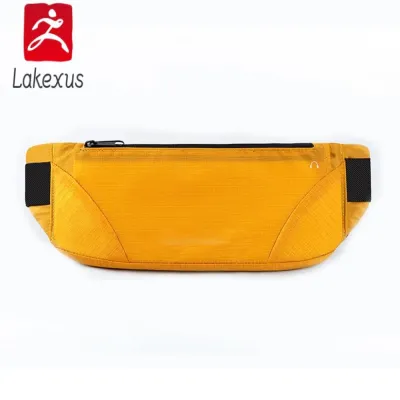
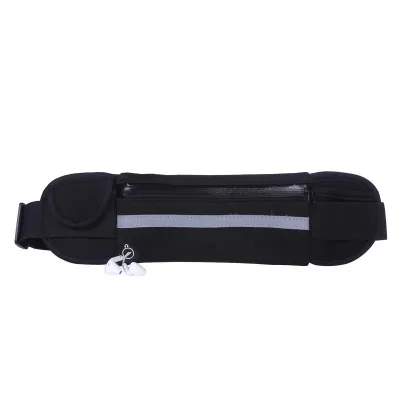
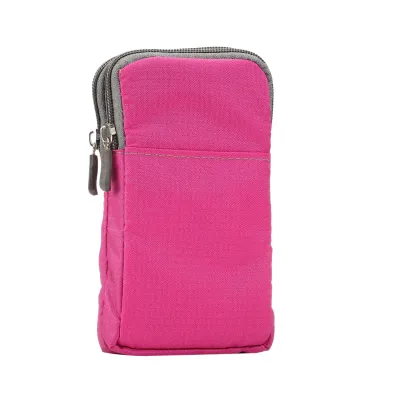
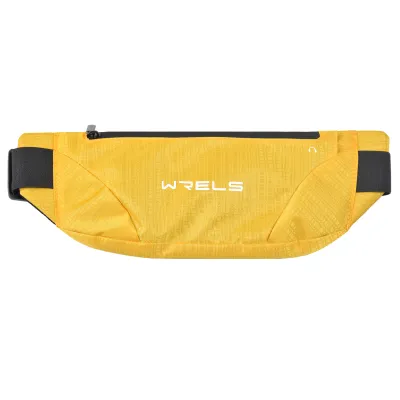
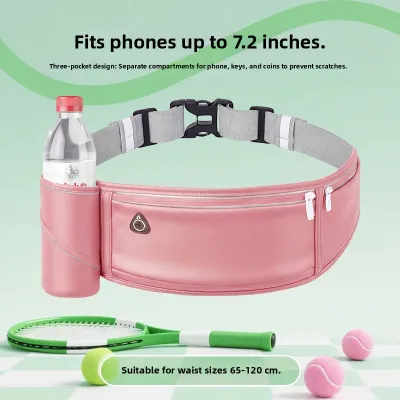
Prices are valid at publication and may change. Please refer to the product page for the latest price.
Decoding Phone Fit: Internal Dimensions vs. External Size
A common mistake when purchasing a belt pouch is relying solely on the manufacturer’s general phone compatibility list or the external dimensions of the product. To ensure a proper fit, use a ruler or caliper to measure your phone’s exact length, width, and thickness while it is inside its daily protective case. Compare these measurements directly against the stated internal usable dimensions of the pouch. A case with a thick bumper or an integrated ring holder can easily make a phone too bulky for a standard pocket, even if the phone model itself is listed as compatible.

The structural design of the pocket also dictates how easily you can access your device during a workout. Stretchy spandex or elastane sleeves offer a highly aerodynamic, low-profile hold that stretches to grip your phone tightly against your body. However, these form-fitting designs can be difficult to slide a phone into when your hands are sweaty or when you are moving. In contrast, structured zippered compartments provide more physical space and effortless access, though they add slightly more bulk and can shift more if not packed tightly.
To protect your screen from cosmetic or structural damage, look for a belt pouch that features a dedicated internal divider or a separate phone sleeve. Keeping your smartphone isolated from hard, abrasive items like house keys, coins, or metal zippers prevents micro-scratches during high-impact movement.
Additionally, consider the environmental conditions of your typical routes. If you frequently run in high humidity or sudden tropical downpours, water-resistant zippers and storm flaps are valuable features. Keep in mind that these protective elements can slightly stiffen the pocket opening, reducing the overall pliable space and making one-handed operation more challenging. Always check the manufacturer’s instructions regarding water exposure limits, as water-resistant materials are designed to repel light rain and sweat rather than withstand full submersion.
Storage Layout: Matching Pockets to Your Carry Needs
Your choice of storage layout should directly reflect the duration of your runs and the specific items you must carry. Minimalist, single-tube designs are ideal for short training sessions where you only need your phone, an ID, and a single house key. These streamlined options minimize weight and physical profile, allowing you to focus entirely on your pace. For longer distance training or marathon preparation, multi-pocket belts with dedicated zones are far more practical, allowing you to separate nutrition gels, salt tablets, and larger key rings.
When evaluating multi-pocket designs, look closely at internal organization features. A built-in key leash, internal clip, or dedicated carabiner is highly beneficial. Securing your keys to a fixed point prevents them from shifting inside the pouch, eliminating distracting metallic noises and keeping them from sliding underneath your phone.
It is crucial to balance storage capacity with physical weight. While it may be tempting to choose a high-capacity belt pouch to carry every possible accessory, overfilling a pouch compromises its stability. As the weight inside the pocket increases, gravity pulls the belt downward, causing it to bounce or slide.
Secondary features like external reflective piping or elastic loops for carrying miniature hydration flasks add utility but should be selected based on actual need. If you primarily run on indoor treadmills or during bright daylight hours, heavy reflective elements are unnecessary. However, if you train in low-light conditions or require on-the-go hydration without carrying a full handheld bottle, these specialized attachments are worth the investment.
Fabric and Comfort: Managing Sweat and Chafing in Humid Weather
In hot and humid climates, such as the tropical weather typical of the Philippines, fabric performance is directly tied to skin health. Standard cotton or heavy canvas materials absorb sweat and retain moisture, which increases weight and causes severe skin chafing. Instead, prioritize running belt pouches constructed from high-quality nylon-spandex blends or technical polyester. These synthetic fibers are engineered to pull moisture away from your body and dry rapidly, keeping both the gear and your skin dry.
The texture of the inner lining is another critical comfort factor. Look for pouches featuring a soft, seamless backing or a breathable mesh-lined interior. A mesh lining creates a microscopic buffer zone between the pouch and your skin, promoting airflow and significantly reducing friction against your running shirt or bare waist.
The physical dimensions of the strap also dictate comfort during long-distance movement. Wider waist straps distribute the weight of a heavy smartphone and accessories over a larger surface area, preventing the belt from digging into your hips. Additionally, inspect the edge construction; laser-cut, bound, or rolled edges are much softer against the skin than raw, heat-sealed synthetic edges that can scratch or irritate your waistline.
When reading product specifications, distinguish clearly between “waterproof” and “water-resistant” materials. Fully waterproof fabrics, such as heavy-duty TPU or laminated synthetics, provide excellent protection for your electronics during heavy downpours, but they completely block airflow and trap body heat. For tropical running, a hybrid design featuring a water-resistant front panel to protect the phone, paired with a highly breathable mesh back panel against your skin, offers the most effective balance of protection and cooling.
Stability and Fit: How to Ensure a Bounce-Free Run
A belt pouch is only as good as its stability on the road. To find a secure fit, verify the manufacturer’s waist circumference specifications against your actual waist and hip measurements. Do not rely on your standard pants size, as running belts are often worn lower on the hips. Look for adjustment mechanisms that allow for precise micro-adjustments, such as low-profile cam locks, high-grade hook-and-loop fasteners, or sliding tension buckles that do not slip under tension.
To prevent the belt from shifting mid-run, check for integrated grip features on the inner surface. Many high-performance belts utilize silicone grip dots, rubberized patterns, or textured non-slip linings. These elements grip the fabric of your running shorts or your skin, anchoring the pouch firmly in place even when you sweat heavily.
Achieving a bounce-free run requires finding the correct tension. A belt that is adjusted too loosely will bounce with every stride, causing discomfort and distracting movement. Conversely, a belt pulled too tightly can restrict your natural breathing patterns and interfere with digestion during long efforts. Prioritize a belt pouch with a wide, elasticated adjustment range that conforms naturally to your body’s shape as you move, ensuring a secure yet non-restrictive fit.
Frequently Asked Questions (FAQ)
Can I wash my running belt pouch in a washing machine?
Always consult the manufacturer’s care label or instructions before cleaning your running gear. To preserve the elasticity of synthetic fibers and protect the integrity of water-resistant zippers, hand washing in cold water with a mild detergent is generally the safest method. If the care instructions permit machine washing, place the belt pouch inside a mesh laundry bag, select a gentle, cold cycle, and avoid fabric softeners. Always air dry the pouch completely; never use a tumble dryer, as high heat can degrade the elastic bands and melt protective coatings.
How do I stop my running belt from riding up during a run?
Riding up typically happens when a belt pouch is worn too high on the natural waist or is adjusted too loosely. To resolve this, position the belt lower on your torso, resting it securely over your pelvic bones rather than your soft midsection. Tighten the strap until it is snug but comfortable. Ensuring that any integrated silicone grip dots or non-slip inner linings are in direct contact with your clothing or skin will also help anchor the belt and prevent upward shifting.
Community discussion
Share your experience or ask a question. Comments are reviewed before publication.