
A home yoga practice offers a sanctuary for physical alignment and mental clarity, but executing deep chest openers, spinal twists, and shoulder releases often requires structural support. A stretch pole serves as an essential alignment tool, helping you maintain proper form and deepen your stretches safely without the need for a spotter. However, choosing the wrong pole can lead to slipping hazards, structural damage to your home, or a lack of versatility during dynamic movements. To make an informed purchase, you must evaluate the pole’s material integrity, weight capacity, adjustability mechanisms, and how it interacts with your living space.
Material and Weight Capacity: Ensuring Stability During Stretches
The foundational strength of a stretch pole dictates its safety and lifespan, especially during active sessions where you lean your full body weight against the frame. Manufacturers typically construct these poles from steel, aluminum, or reinforced composite materials. High-grade steel offers maximum structural rigidity, making it ideal for deep traction stretches, though it is heavier to transport. Aluminum is highly valued for its lightweight properties and natural resistance to corrosion—a critical factor in the humid, tropical climate of the Philippines, where moisture can quickly degrade unprotected metals. Reinforced composites provide a comfortable, slightly flexible grip, but they must be engineered with premium resins to prevent splintering over time.
When evaluating a pole’s load capacity, look beyond your static body weight. Dynamic forces—such as the sudden pulling, swinging, or leaning actions common in active yoga sequences—exert significantly more pressure on the pole than static hanging. If a pole is rated only for static weight, it may fail under the kinetic energy of a transition. Always verify the manufacturer’s explicit load limit printed on the product packaging or instruction manual before attempting any weight-bearing exercises.
Products mentioned in this guide
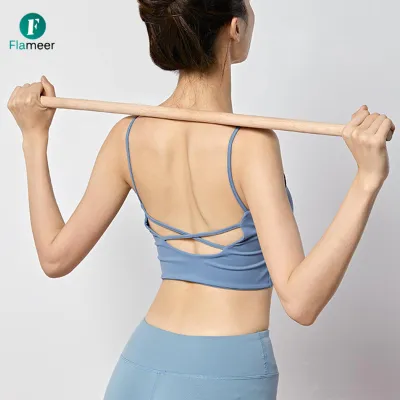

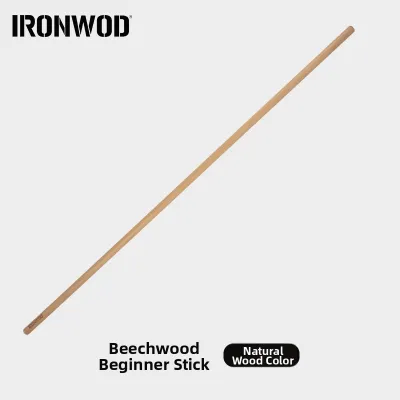
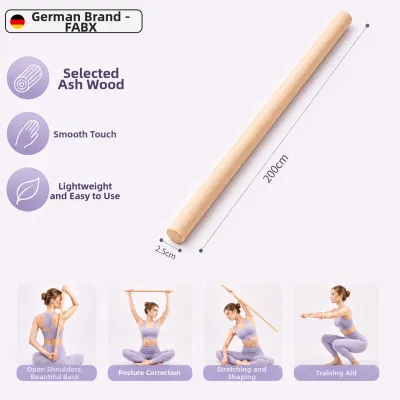

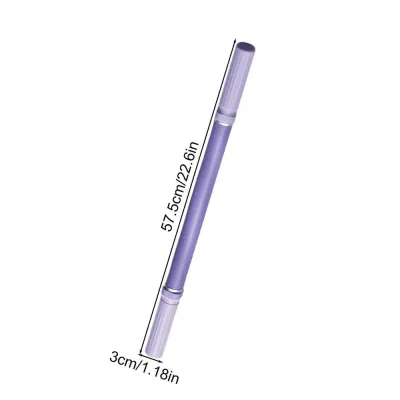
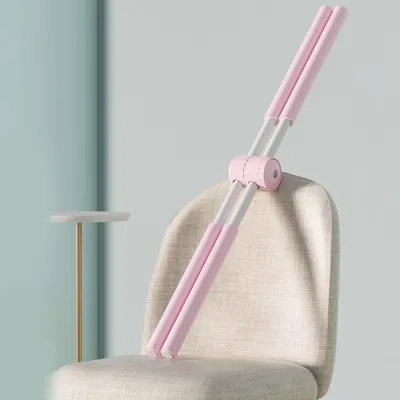
Prices are valid at publication and may change. Please refer to the product page for the latest price.
Your safety depends on recognizing the physical limits of your equipment. Before starting any routine, perform a quick manual stress test by applying gradual pressure. If you observe the pole bending, hear creaking sounds, or notice the locking mechanism slipping under tension, stop using the equipment immediately. For high-risk maneuvers or inversion-style stretches, your physical limitations and proper training must guide your practice; a stretch pole is an aid, not a guarantee against injury.
Adjustability and Height Range: Matching Your Body and Space
A versatile stretch pole must accommodate both your physical height and the specific requirements of your yoga sequence. For instance, transitioning from low floor-based groin stretches to high, overhead shoulder openers requires vastly different pole lengths. A pole with a restrictive height range will limit your practice, forcing you into awkward postures that compromise your spinal alignment. Look for a model that extends comfortably beyond your maximum reach while remaining compact enough to use in low-ceilinged rooms.

The mechanism that controls this adjustability is just as important as the range itself. Telescopic designs rely on internal twist-locks or spring-loaded locking pins to secure the segments in place. Twist-locks offer seamless, infinite adjustments but require a firm hand to tighten and can degrade if dust or sweat enters the threads. Spring-loaded pins offer fixed, discrete adjustment points but provide a highly visible, mechanical lock that is less prone to slipping. Regardless of the style, always verify that the locking mechanism is fully engaged and flush before placing any weight on the pole.
Before finalizing your purchase, measure the exact dimensions of your intended practice area. In many Philippine homes, space can be at a premium, with narrow hallways, decorative door frames, or compact condo layouts. Measure the width of your doorways and the height of your ceilings to ensure the pole can be fully extended without striking light fixtures or walls. If you plan to store the pole after each session, check its collapsed length to ensure it fits easily into a closet or under a bed.
Installation and Surface Compatibility: Protecting Your Home
How your stretch pole mounts to your home determines both its stability and its potential to cause property damage. Tension-mounted poles, which press outward against door frames or walls, are popular because they do not require drilling. Wall-mounted systems offer permanent, heavy-duty stability but require securing directly into wall studs. Freestanding stretch poles rely on a wide, stable base on the floor, making them highly portable but requiring a larger overall footprint in your living room or home gym.
If you opt for a tension-mounted model, the quality of the surface grip pads is paramount. High-density rubber friction pads distribute pressure evenly and prevent the metal ends from gouging your walls. However, even the best rubber pads cannot compensate for weak mounting surfaces. Placing a high-tension pole against hollow-core doors, thin drywall, or delicate wooden trim can cause the frame to crush or crack under pressure, leading to a sudden collapse.
Never install tension-mounted poles on weak, hollow, or damaged frames without explicit manufacturer approval. If you are unsure of your door frame’s structural integrity or cannot verify the wall material, consult a professional carpenter or refer to the product manual. In cases where secure mounting surfaces are unavailable, choosing a freestanding alternative is the safest path to avoid structural failure and personal injury.
Minor Features You Can Safely Ignore
When browsing online marketplaces, it is easy to get distracted by flashy add-ons and marketing jargon designed to inflate the price. Complex multi-angle attachments, such as secondary handles or rotating joints, often introduce unnecessary failure points that compromise the core structural rigidity of the pole. A simple, solid, and well-constructed straight pole is almost always safer and more effective for traditional yoga alignment than a complex multi-piece kit.
Aesthetic finishes are another area where you can save your money. While premium anodized colors, metallic paint jobs, or custom grip wraps look appealing, they do not improve the pole’s performance, stability, or safety. Focus your budget on high-quality structural materials and robust locking mechanisms rather than decorative designs that will inevitably scratch with regular use. High-quality steel or premium aluminum poles generally fall into mid-to-high price bands, ranging from ₱1,500 to ₱4,000, while basic composite models can be found at lower entry-level prices.
Finally, be skeptical of unverified marketing labels. Terms like “professional-grade,” “studio-quality,” or “therapist-approved” are frequently used as empty buzzwords. Unless these claims are backed by verifiable safety certifications, independent load-testing standards, or clear material specifications (such as aircraft-grade aluminum), treat them as simple promotional copy and base your decision on concrete specifications instead.
Frequently Asked Questions (FAQ)
Can I use a tension-mounted stretch pole on a hollow-core door?
No, you should not use a tension-mounted stretch pole on a hollow-core door or its frame. Hollow-core doors lack the internal structural framing necessary to withstand the intense lateral force exerted by tension mounts. Under pressure, the door frame can warp, crack, or completely collapse, posing a severe safety risk. Always verify your door’s core material and consult the manufacturer’s explicit compatibility guidelines before attempting installation.
How often should I check the locking mechanisms and grip pads?
You should perform a visual and physical inspection of the locking mechanisms and grip pads before every single training session. Check telescopic locks to ensure they are tightly secured, verify that spring pins are fully clicked into their holes, and inspect the rubber end-pads for signs of cracking, wear, or accumulated dust that could reduce friction. Taking thirty seconds to confirm your equipment’s integrity before you begin stretching is the most effective way to prevent sudden slips or loss of tension.
Community discussion
Share your experience or ask a question. Comments are reviewed before publication.