
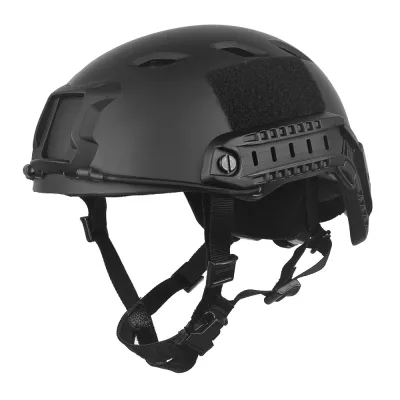
When choosing a tactical helmet for airsoft or paintball, the most critical specifications to evaluate are the shell material, total weight, suspension system, and accessory compatibility. Unlike military operations where ballistic protection is paramount, recreational tactical sports in tropical climates demand a balance between impact resistance against high-velocity BBs or paintballs and heat mitigation. Selecting the right helmet requires understanding how these specifications perform under intense physical activity and high humidity.
Understanding Impact Ratings and Shell Materials
Recreational tactical sports do not require heavy, expensive ballistic armor designed to stop shrapnel or live ammunition. Instead, players need protection against blunt force impacts from falls, low-hanging branches, and close-range projectile hits. Military-grade ballistic helmets are often rated under standards like NIJ levels, which are unnecessary and excessively heavy for recreational fields. For airsoft and paintball, look for bump or impact ratings that certify protection against blunt trauma. These are often tested under sports safety standards rather than military combat protocols.
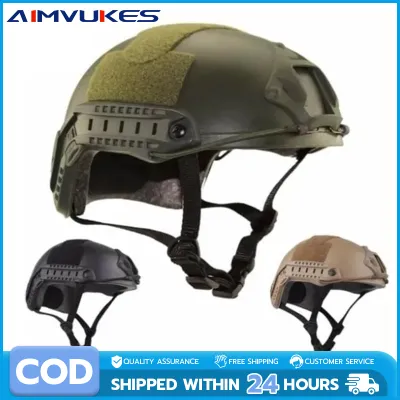
The choice of shell material directly dictates both the protection level and the weight of the helmet. ABS plastic (Acrylonitrile Butadiene Styrene) is the most common material for entry-level tactical helmets. It is lightweight, highly affordable, and offers sufficient impact resistance to deflect BBs and paintballs. For players seeking higher durability, polycarbonate or carbon fiber shells provide greater structural integrity and crack resistance under heavy impacts, though they come at a higher price point. When browsing options on an online marketplace, always check the manufacturer’s product description to verify if the shell is rated for impact protection rather than being a purely cosmetic toy.
Products mentioned in this guide
Prices are valid at publication and may change. Please refer to the product page for the latest price.
Evaluating Weight, Fit, and Ventilation for Comfort
In hot and humid environments, such as outdoor fields in the Philippines, heat exhaustion and neck fatigue are significant challenges during extended matches. A heavy helmet can quickly strain neck muscles, reducing your mobility and reaction time. Ideally, a recreational tactical helmet should weigh between 500 and 900 grams. Keeping the weight within this range ensures you remain agile while still carrying necessary accessories like cameras or communication headsets.

The internal suspension system is what keeps the helmet secure during rapid movement. Basic helmets often use simple foam pads with a standard chin strap, which can feel stiff and trap heat. Upgraded models feature modular dial-fit systems, similar to those found in cycling helmets, which allow you to adjust the tension around your head with a simple turn of a knob. This ensures a snug, customized fit that prevents the helmet from shifting when you run or dive. Additionally, look for moisture-wicking, removable pads that can be washed after a sweaty day on the field.
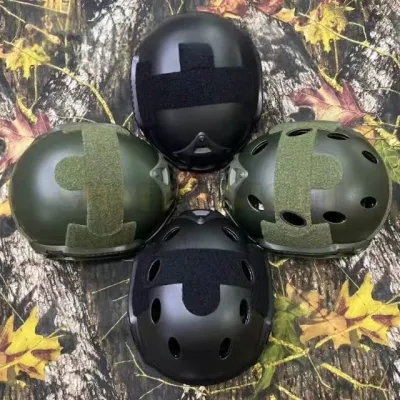
Ventilation is another non-negotiable specification for tropical play. Closed-shell helmets trap hot air, leading to rapid sweating and fogged-up goggles. Look for helmets with generous ventilation ports or cutouts that promote airflow across the scalp. While these openings improve comfort, ensure they are positioned in a way that does not expose vulnerable areas of your head to direct projectile hits.
Choosing Rail Systems and Accessory Mounts
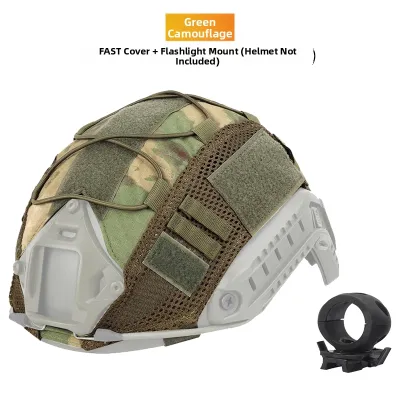
A tactical helmet serves as a mounting platform for essential field gear. Standard side rails, often compatible with ARC or Team Wendy systems, allow you to slide on accessories like tactical flashlights, action cameras, or communication headsets. Before purchasing, verify the rail type to ensure compatibility with your existing gear. High-quality rails are molded directly into the helmet shell or secured with heavy-duty bolts to prevent wobbling during high-intensity movement.
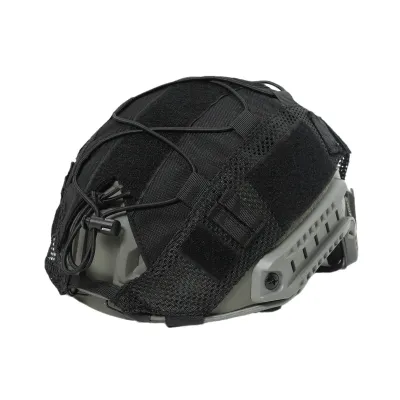
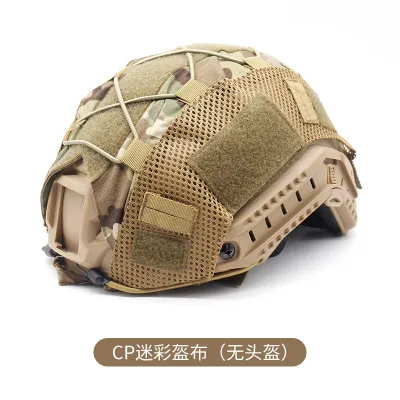
The front shroud is another critical mounting point, primarily used for night vision goggles or camera mounts. Even if you do not plan to use night vision, a sturdy aluminum or reinforced polymer shroud is highly useful for securing action cameras to capture first-person footage of your matches. Many helmets also include integrated bungee cords that stretch from the shroud to the side rails. These cords are designed to reduce vibration and stabilize mounted accessories, preventing expensive gear from shaking loose on the field.
It is highly recommended to avoid physically modifying your helmet, such as drilling custom holes to mount non-standard accessories. Drilling into a polymer or composite shell compromises its structural integrity, creating weak points that can crack upon impact. It also voids any manufacturer warranties. Instead, rely on modular adapters and mount extensions designed to fit standard rail and shroud specifications.
Prioritizing Specs for Your Playstyle and Budget
Your role on the field and how often you play should dictate your spending priorities. If you are a speedsoft player or prefer fast-paced, close-quarters combat (CQB), prioritize a lightweight ABS shell with maximum ventilation and a highly secure dial-fit system. These features keep you agile and cool during short, intense rounds. For these setups, heavy accessory rails and shrouds can often be skipped to save weight and cost.
For MilSim (military simulation) enthusiasts who participate in day-long operations, investing in a durable polycarbonate shell with robust rail systems and a premium suspension system is highly beneficial. The added durability and accessory capacity are worth the higher price tag, as you will likely need to mount headsets, navigation lights, and cameras. If you are a casual player who only visits the field once or twice a month, a budget-friendly ABS helmet with basic foam padding and standard rails will provide adequate protection without breaking the bank. You can find reliable entry-level options starting around ₱1,000 to ₱2,500 on local ecommerce platforms.
Frequently Asked Questions (FAQ)
Can I use a real military ballistic helmet for airsoft?
While you can physically wear a real military ballistic helmet for airsoft, it is generally impractical and uncomfortable. Ballistic helmets are designed to stop lethal projectiles and shrapnel, making them significantly heavier and more expensive than sports-specific bump helmets. Wearing a heavy ballistic helmet for hours in a hot, humid environment leads to rapid neck fatigue and heat discomfort without providing any practical safety advantage over a lightweight polymer bump helmet.
Do I need a helmet with a face shield or mask integration?
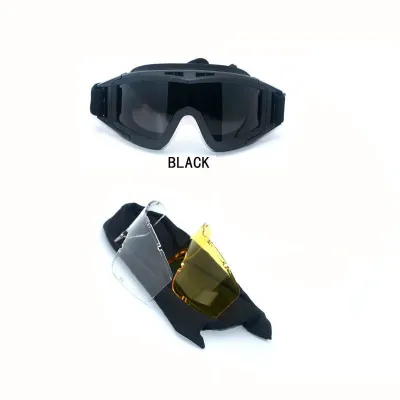
Whether you need integrated face protection depends on your existing eye and face gear. Many airsoft and paintball players prefer using separate full-face masks or mesh lower-face masks paired with tactical goggles. If you choose a helmet, you must ensure that the lower rim and ear covers do not interfere with the strap or frame of your protective mask. Some tactical helmets offer dedicated clips that allow you to attach a mesh mask directly to the side rails, eliminating uncomfortable double-strapping behind your head and preventing dangerous gaps.
Community discussion
Share your experience or ask a question. Comments are reviewed before publication.