
Selecting a treadmill exercise machine for a high-rise condominium in the Philippines requires balancing fitness goals with strict spatial limits. Condo units, particularly in dense urban areas like Metro Manila, often feature compact layouts where every square meter counts. Placing a heavy fitness machine in a limited living area can lead to cramped quarters, safety hazards, or noise complaints from neighbors. Finding the right balance involves understanding how machine dimensions, folding designs, and technical features interact with your specific living space.
Measuring Your Condo Space Before Buying
Before browsing online marketplaces, you must accurately map out your available floor space. Start by measuring the dedicated length and width of the area where you intend to place the machine. Do not assume a machine will fit simply because its listed dimensions match your open floor space. You must account for both the static footprint when the machine is idle and the dynamic footprint, which is the actual space required when you are running.
Ceiling height is another critical factor that buyers frequently overlook. Many Philippine condominiums feature dropped ceilings to accommodate centralized air conditioning ducts or utility wiring, which reduces standard head clearance. To calculate your required clearance, measure the height of the tallest user, add the deck height of the treadmill (typically 15 to 30 centimeters off the floor), and add an extra 15 to 20 centimeters of buffer space. If you choose a model with an incline feature, factor in the maximum height the deck reaches when fully inclined to avoid hitting your head.
Products mentioned in this guide
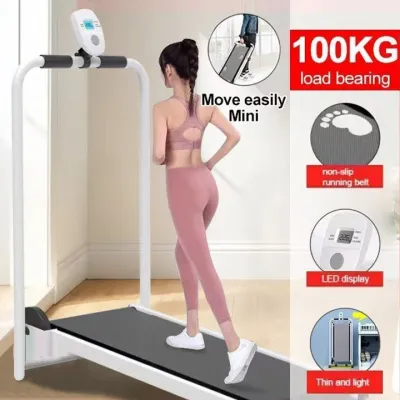
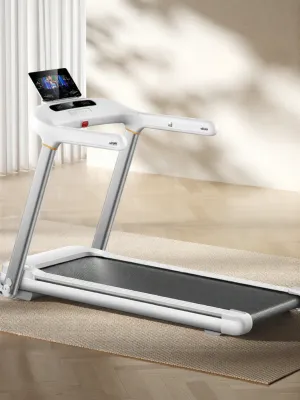
![[COD] Foldable Manual Home Treadmill with Adjustable Slope LED Display Anti-Slip Running Belt Free Twist Disc & Resistance Rope Space Saving Walking Machine for Home Fitness Exercise](https://img.lazcdn.com/g/p/1446617c7dcf63717d1a1640b68a647e.jpg_400x400q80.jpg_.webp)
Prices are valid at publication and may change. Please refer to the product page for the latest price.
Safety clearances are non-negotiable when positioning fitness equipment. Manufacturer safety guidelines generally recommend leaving a clear, unobstructed zone of at least 1.5 to 2 meters behind the treadmill. This rear buffer acts as a safety fall zone, preventing you from being trapped against a wall if you lose your footing on a moving belt. Additionally, leave at least 0.5 meters of clearance on both sides of the machine to ensure proper airflow around the motor shroud, which is vital for preventing overheating during humid tropical days.
Finally, map out the entire delivery path from the building’s entrance to your unit. Measure the height and width of the condo elevator doors, the interior dimensions of the elevator cab, the width of the hallways, and your unit’s entryway. Many heavy-duty treadmills are shipped in massive, non-bendable boxes. If the boxed unit cannot clear the elevator or make a tight turn in your hallway, you may face severe delivery challenges.
Standard Treadmill Dimensions and Footprints
To choose the right treadmill exercise machine, you must understand the three primary size categories available on the market and how their physical footprints compare.

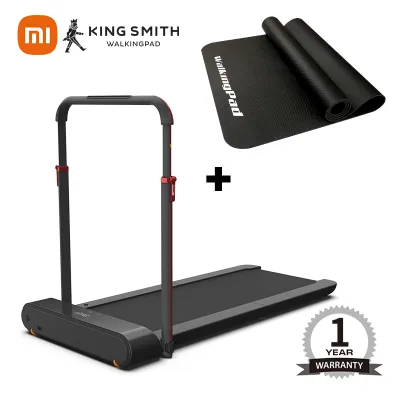
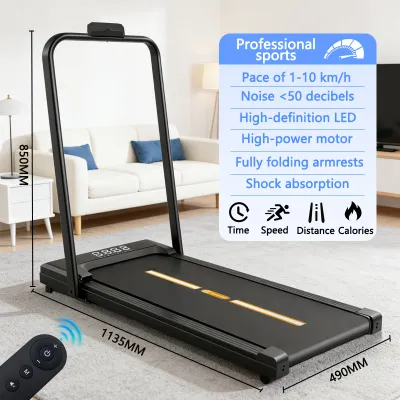
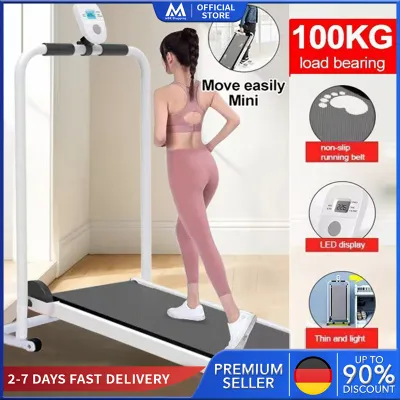
Walking Pads and Under-Desk Treadmills: These are the most space-efficient options, designed primarily for low-speed walking. They typically have a very low profile, omitting traditional upright consoles or handrails entirely, or using a simple, fold-down safety bar. A typical walking pad occupies a footprint of roughly 120 to 145 centimeters in length and 50 to 65 centimeters in width. Because they are lightweight and thin, they can easily slide under a sofa or stand upright in a closet when not in use.
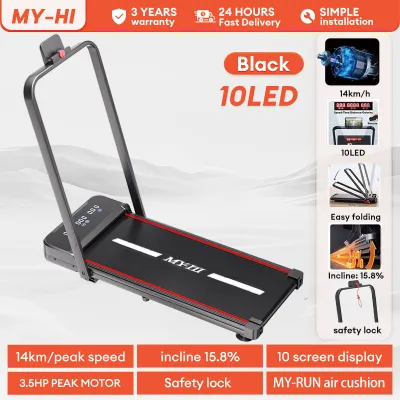
Compact Folding Treadmills: These machines are built for active jogging and running but feature lighter, collapsible frames. They generally occupy an unfolded footprint of approximately 150 to 175 centimeters in length and 70 to 80 centimeters in width. When folded, their horizontal footprint is cut roughly in half, making them highly suitable for multi-purpose rooms where floor space must be reclaimed after a workout.
Standard Full-Size Treadmills: These are robust machines comparable to what you find in commercial gyms. They offer wide running belts, powerful motors, and advanced console systems, but they require a permanent footprint of at least 190 to 210 centimeters in length and 90 to 100 centimeters in width. These units rarely fold flat and are generally too bulky for typical studio or one-bedroom condo units.
When evaluating these categories, always distinguish between the overall machine dimensions and the active running surface. The running surface must match your physical height and stride length. As a general rule, walkers can comfortably use a belt length of 120 centimeters, while runners or taller individuals (over 175 centimeters tall) require a belt length of at least 140 centimeters to prevent their feet from slipping off the back of the deck during long strides. A running belt width of less than 40 centimeters can feel restrictive, whereas 45 to 50 centimeters offers a much safer lateral margin.
Always look for two sets of numbers on the manufacturer specification sheets: the assembled or unfolded dimensions (for active use) and the folded or stored dimensions (for when the machine is put away).
Evaluating Folding Mechanisms and Storage Options
For condo dwellers, the folding mechanism of a treadmill exercise machine determines how easily you can integrate fitness into your daily routine without cluttering your home.
Hydraulic Soft-Drop Systems: This is the most common and user-friendly mechanism found on mid-tier folding treadmills. A gas-charged hydraulic shock absorber assists you when lifting the deck, locking it securely in an upright position. When you want to use the machine, releasing the lock allows the deck to lower itself slowly and hands-free to the floor. This soft-drop feature is highly recommended for condos with delicate flooring, such as engineered wood, laminate, or vinyl tiles, as it prevents the heavy deck from slamming down and causing structural damage.
Manual Fold-Up Designs: These require you to manually lift and lower the deck without hydraulic assistance. While often found on budget-friendly models, they can be physically demanding to operate. If you have back issues or limited lifting strength, a manual system can make daily setup a chore, eventually discouraging you from using the machine altogether.
Flat-Folding and Vertical Storage: Some specialized compact treadmills fold completely flat, reducing their vertical profile to 15 centimeters or less. This design allows you to store the machine horizontally under a bed or stand it vertically against a wall. If you plan to store the unit vertically, you must verify the structural integrity of your condo walls. Many modern partition walls in Philippine condominiums are made of lightweight drywall or fiber cement boards on thin metal studs. Leaning a 50-kilogram machine against these walls can cause bowing or structural damage. Always ensure the machine is secured with safety straps anchored into solid concrete walls or structural columns.
Regardless of the folding style, pay close attention to the machine’s total weight and the presence of transport wheels. A lightweight walking pad may weigh around 25 to 35 kilograms, making it relatively easy to roll around. However, a sturdy folding treadmill can easily exceed 70 kilograms. Look for models equipped with multi-directional transport wheels that allow you to roll the machine both forward and sideways, which is crucial when navigating tight condo corners.
Finally, consider the trade-off between folding convenience and frame stability. Ultra-light, highly foldable designs often sacrifice frame rigidity. If you run at high speeds, a lightweight folding frame may shake or wobble more than a heavy, non-folding unit.
Feature Trade-Offs in Compact Treadmill Exercise Machines
Opting for a compact treadmill exercise machine inevitably involves making trade-offs between space-saving design and performance features. Understanding these compromises will help you prioritize what matters most for your fitness routine.
Motor Power and Sustained Performance: Treadmill motors are rated by Continuous Horsepower (CHP) and Peak Horsepower (HP). For reliable home use, focus exclusively on the CHP rating, which indicates the motor’s ability to maintain speed under a continuous load. Compact treadmills often house smaller motors, typically ranging from 1.25 to 2.0 CHP, to keep the frame slim and lightweight. While these motors are adequate for walking or casual jogging, they can overheat if subjected to prolonged, high-speed running or heavy user weights. In the warm, humid climate of the Philippines, a smaller motor must work harder to stay cool, which can shorten its lifespan. If you plan to run daily, look for a model with at least 2.25 to 2.5 CHP and check the manufacturer’s recommended continuous run times.
Belt Width and Deck Cushioning: To achieve a smaller footprint, compact manufacturers narrow the running deck and reduce the thickness of the shock-absorbing elastomers beneath the belt. A narrow deck (under 42 centimeters) requires strict running alignment, leaving little room for natural lateral movement. Furthermore, reduced deck cushioning increases the impact forces transmitted to your joints. If you have a history of joint pain, prioritizing a slightly wider deck with robust, verified shock absorption is a worthwhile trade-off, even if it occupies a bit more floor space.
Console Profile and Tech Integration: Modern high-end treadmills often feature large, built-in touchscreens for interactive workouts. However, these consoles add significant bulk, weight, and height to the front mast, making the machine harder to fold and store. They also increase the overall power draw. For a small condo, a simpler console with a built-in tablet holder is often the more practical choice. This allows you to use your own tablet or smartphone for entertainment while keeping the treadmill’s physical profile clean, lightweight, and easy to fold.
Incline Capabilities: Motorized incline systems require an additional lift motor built into the front base of the machine. This hardware adds substantial weight and increases the minimum deck height off the floor. If you have low ceilings, a motorized incline model may not be feasible. Manual incline options, which require you to manually adjust a pin or folding feet on the rear of the deck before starting your workout, are much lighter and more compact, though they offer less convenience during exercise.
Before making a final decision, always consult the product manual to verify the maximum weight capacity and duty cycle. Compact models often have lower weight limits, typically between 90 and 110 kilograms. Operating a machine close to its maximum capacity accelerates wear on both the motor and the running belt, especially during high-intensity workouts.
Common Sizing and Placement Mistakes to Avoid
Avoiding common installation errors will protect your investment, your condo’s interior, and your physical safety.
One of the most frequent mistakes is measuring only the folded dimensions of the machine. It is easy to get excited about a treadmill that folds down to a tiny footprint, only to realize during assembly that you do not have enough open floor space to fully deploy the deck for safe operation. Always plan your room layout around the fully unfolded, active dimensions.
Never place your treadmill flush against a wall or in a tight corner. If you trip or lose your balance while running, the moving belt will instantly push you backward. Without a clear safety zone behind the machine, you can become trapped between the spinning belt and the wall, leading to severe friction burns or joint injuries. Always maintain the manufacturer-recommended rear clearance.
Additionally, consider the structural load and noise transmission. Treadmills generate repetitive, high-impact forces that can vibrate through concrete floors, creating a loud, disruptive thumping sound for neighbors living directly below you. Placing a heavy machine on uneven tile floors can also cause the tiles to crack under stress. Always use a dedicated equipment mat to distribute the weight and absorb vibrations.
Finally, pay close attention to your electrical setup. Treadmills require a stable, high-amperage power source. Plug the machine directly into a grounded wall outlet. Avoid using standard household extension cords or multi-outlet adapters, as they can overheat under the heavy electrical draw of a treadmill motor, posing a serious electrical fire hazard in your home.
Frequently Asked Questions (FAQ)
Can I keep a treadmill on a condo balcony?
It is highly discouraged to store or use a treadmill on a condo balcony in the Philippines. The combination of intense tropical heat, high humidity, salt air in coastal areas, and exposure to sudden rain showers can rapidly degrade the machine’s electronic console, rust the steel frame, and damage the motor. Furthermore, operating electronic fitness equipment in non-climate-controlled, damp environments will void almost all manufacturer warranties. Keep your treadmill indoors in a dry, well-ventilated room.
Do I need a special mat for a treadmill in an apartment?
Yes, using a high-density rubber or PVC equipment mat is essential when operating a treadmill in a multi-story condominium. A quality mat serves three critical purposes: it dampens the impact vibrations that travel through the floor to prevent noise complaints from downstairs neighbors, protects your condo’s flooring from scratches, indentations, and sweat damage, and prevents static electricity from attracting floor dust and pet hair into the treadmill’s motor housing.
Community discussion
Share your experience or ask a question. Comments are reviewed before publication.