
Selecting a functional waterproof belt bag for running in the Philippines requires balancing moisture protection against intense heat, high humidity, and sudden tropical downpours. The bag must keep your phone and essentials dry from both external rain and heavy sweat while remaining securely anchored to your waist without bouncing. Because tropical running conditions present unique challenges—such as sudden afternoon thunderstorms and high humidity that accelerates perspiration—relying on a standard cotton or basic nylon waist pack can leave your electronics damaged and your skin chafed.
To find a gear setup that supports your training without causing distraction, you must look beyond generic marketing claims of water resistance. A functional running belt bag must feature specialized materials, robust sealing mechanisms, and an ergonomic fit tailored to your body shape and running style. By evaluating these technical specifications and matching them to your typical running distance, you can select a durable accessory that protects your gear and enhances your performance on the road or trail.
Understanding Waterproof Ratings and Materials for Tropical Runs
When running in tropical environments, your gear faces moisture from two distinct sources: heavy external rainfall and continuous, high-volume sweat. Standard running belts often use a simple Durable Water Repellent (DWR) coating sprayed onto nylon or polyester. While DWR can shed light drizzle for a short duration, it eventually wears off with friction and washing, and it cannot withstand a torrential downpour or hours of sweat saturation. For reliable protection, look for bags constructed from thermoplastic polyurethane (TPU) or polyvinyl chloride (PVC) laminated fabrics. These materials form an impermeable physical barrier that prevents water molecules from passing through the textile fibers.
Products mentioned in this guide
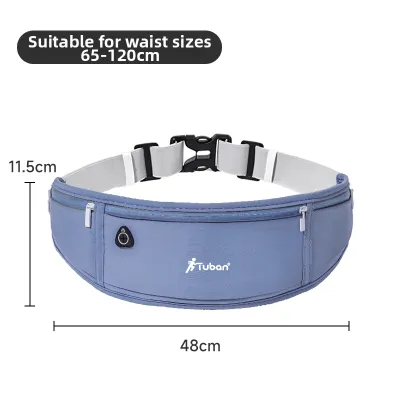
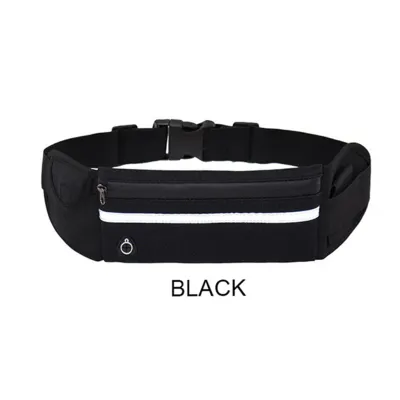
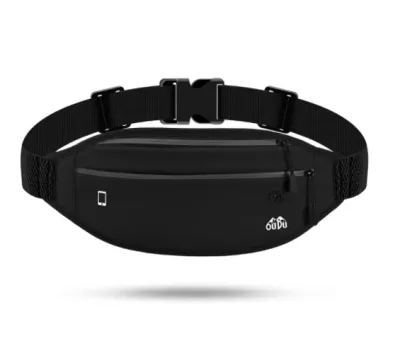
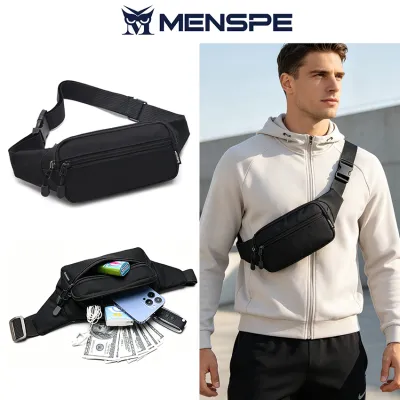
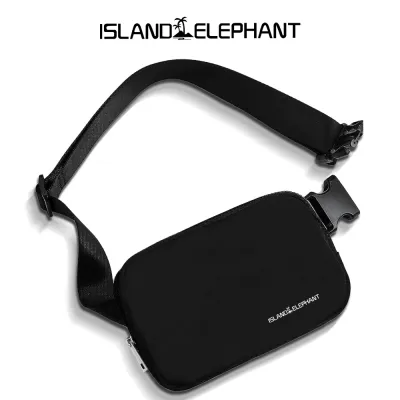
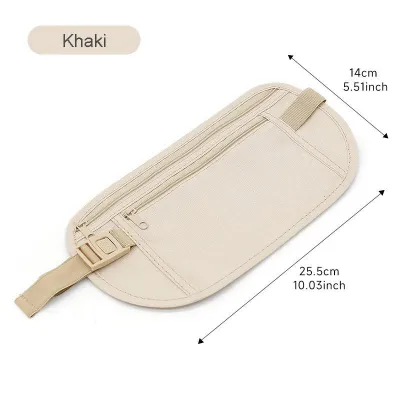
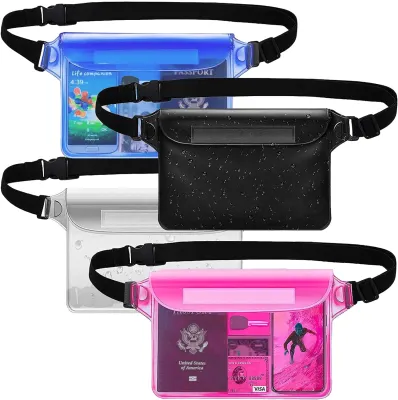
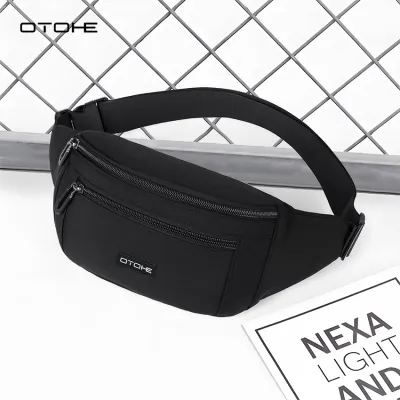
Prices are valid at publication and may change. Please refer to the product page for the latest price.
To verify the level of protection a bag offers, check for official Ingress Protection (IP) ratings. An IPX4 rating indicates resistance to splashing water from any direction, which is generally sufficient for light rain and sweat. For running during the monsoon season or in heavy downpours, an IPX6 rating ensures protection against powerful water jets, while an IPX7 rating means the bag can withstand temporary submersion in water. If a manufacturer does not list an IPX rating, you must inspect the physical construction of the bag. Look for seam-sealed or high-frequency welded seams rather than traditional stitched seams, as needle holes are notorious entry points for water under pressure.
Zippers are another critical vulnerability in any waterproof bag. Standard coil zippers allow water to seep directly into the main compartment. Well-constructed waterproof belt bags utilize polyurethane-coated zippers, often referred to as water-resistant or aquaguard zippers, which seal tightly when closed. Some extreme-weather bags even feature roll-top closures with buckle fasteners, completely eliminating the zipper failure point.
While keeping water out is essential, you must also consider how the bag interacts with your body. A fully waterproof material is naturally non-breathable. If the back panel of the belt bag—the side resting against your waist—is made of solid TPU or PVC, it will trap heat and sweat against your skin, leading to severe chafing and discomfort. To prevent this, select a belt bag that features a breathable, sweat-wicking back panel made of 3D spacer mesh or perforated foam. This design allows air to circulate and channels sweat away from your body, keeping your skin relatively dry and comfortable even during long, humid runs.
Achieving a Secure, Bounce-Free Fit During High-Impact Runs
A waterproof belt bag is only useful if it remains stable and comfortable while you are in motion. The high-impact nature of running creates vertical and lateral forces that cause poorly fitted bags to bounce, slide up to your stomach, or chafe against your hips. To avoid these issues, never rely on generic “one size fits all” labels. Instead, use a flexible measuring tape to measure your waist and hip circumference at the exact level where you plan to wear the belt. Some runners prefer wearing the belt low on the hips, while others prefer it snug around the natural waist; knowing your measurements ensures you select a belt with an adjustable range that accommodates your preference.

The width and elasticity of the strap play a major role in weight distribution and stability. Narrow straps concentrate the weight of the bag into a small surface area, which can cut into your skin and cause discomfort as you breathe deeply. Look for straps that are at least 1.5 to 2 inches wide, as they distribute pressure more evenly across your torso. The strap material should offer a balance of stretch and firmness; too much stretch allows the bag to sag and bounce when loaded with a heavy phone, while zero stretch can restrict your breathing and abdominal movement during intense efforts.
Buckles and adjustment mechanisms must be robust enough to withstand continuous tension and movement. Heavy-duty plastic quick-release buckles or low-profile hook-and-loop fasteners are common choices. Ensure the adjustment sliders lock securely into place so the strap does not gradually loosen as you run.
To further minimize movement, look for specific anti-bounce design features. Many high-performance running belts incorporate silicone grip strips on the inner lining to prevent the fabric from sliding against your running shorts. Contoured shaping, where the bag is wider in the center and tapers toward the sides, helps the belt conform to the natural curves of your body. Some advanced designs utilize a dual-strap adjustment system, allowing you to tighten the belt from both sides to keep the storage compartment evenly centered on your lower back or pelvis.
Matching Storage Capacity and Layout to Your Running Distance
The recommended storage capacity of your belt bag depends heavily on the distance of your runs and the specific gear you need to carry. For short daily runs, such as a 5K or 10K, a minimalist design is usually sufficient. You only need enough space for a smartphone, a house key, and perhaps an emergency cash note. For these shorter distances, a single-compartment stretch tube or a low-profile pouch keeps the profile slim and aerodynamic, minimizing wind resistance and weight.
As you transition to longer distances like half-marathons or trail runs, your storage requirements increase significantly. You will need to carry energy gels, salt tablets, a small first-aid kit, and potentially a flexible hydration flask. For these scenarios, a multi-pocket structured design is highly beneficial. Having separate compartments allows you to organize your gear so you can access an energy gel quickly without risking your phone falling out in the process. Some trail-specific running belts feature external elastic loops or mesh sleeves designed to hold a soft hydration flask or collapsible running poles.
When evaluating storage, always check the internal dimensions of the main compartment against the physical size of your smartphone, especially if you use a rugged protective case. A pocket that is too tight will strain the zipper and seams, compromising the bag’s waterproof integrity over time. Additionally, look for dedicated internal key loops or separate small pockets. Storing keys in the same compartment as your phone can scratch the screen or puncture the waterproof lining of the bag from the inside. Keeping these items isolated ensures both your phone and your bag remain undamaged.
Building Your Shortlist and Verifying Specs Before Purchase
Before purchasing a waterproof belt bag from an online marketplace or local sports retailer, it is crucial to verify the manufacturer’s claims against real-world performance. Start by cross-referencing the listed specifications with user reviews, paying close attention to feedback regarding long-term durability. Look for reviews from runners who have used the bag in heavy rain or high-humidity environments. Pay attention to comments about zipper lifespan, as cheap zippers are often the first component to fail, rendering the entire bag useless.
Additionally, verify the seller’s return policies and warranty terms. Because a secure fit is essential for a bounce-free run, you want the option to return or exchange the belt if it does not fit your body shape comfortably. Check if the manufacturer offers a warranty against manufacturing defects, such as delaminating seams, broken buckles, or tearing fabric. A brand that stands behind its craftsmanship is generally a safer investment for high-use athletic gear.
Finally, do not overlook safety features. Running in the early morning or late evening is common in the Philippines to avoid the intense midday heat, but these low-light hours present visibility risks. Ensure your shortlisted belt bags feature highly reflective elements, such as reflective logos, piping, or strap details. These features help make you visible to motorists and cyclists, ensuring your runs are not only dry and comfortable but also safe.
Frequently Asked Questions (FAQ)
Can I wash a waterproof belt bag in a washing machine?
You should always check the manufacturer’s care label before attempting to clean your waterproof belt bag. As a general rule, machine washing is not recommended for waterproof gear. The mechanical agitation of a washing machine, combined with high spin cycles, can delaminate the waterproof TPU or PVC coatings and weaken the sealed seams. Instead, hand-wash your belt bag in cool water using a mild, additive-free soap. Gently wipe down the exterior and interior with a soft cloth or sponge to remove sweat salt and dirt. Avoid using harsh detergents, bleach, or fabric softeners, as these chemicals can degrade the waterproof membranes and water-resistant zipper coatings. Always allow the bag to air-dry completely in a shaded, well-ventilated area away from direct sunlight and high heat sources, which can warp the materials.
How do I prevent my phone from overheating inside a waterproof bag?
Fully sealed waterproof compartments can act like miniature greenhouses when exposed to direct sunlight and high ambient temperatures. Because waterproof materials like TPU and PVC do not allow air to circulate, the heat generated by your smartphone’s battery and processor has nowhere to escape, which can trigger thermal shutdown warnings. To prevent overheating during hot daytime runs, try to position the belt bag so it is shielded from direct sunlight, such as wearing it on your lower back where your body casts a shadow. If you are running a short distance in dry weather, consider using a highly breathable, water-resistant belt instead of a fully waterproof one to allow heat dissipation. Additionally, monitor your device’s temperature during rest stops, and briefly open the zipper in a dry area to let trapped heat escape and allow the phone to cool down.
Community discussion
Share your experience or ask a question. Comments are reviewed before publication.