
A compact electric treadmill with a folding deck, a footprint of under 150 centimeters in length, and a width of around 60 to 70 centimeters is typically ideal for small condominium units. In space-constrained urban homes, balancing your fitness goals with the physical realities of your floor plan requires looking beyond just the machine’s motor power. You must evaluate the active footprint, storage dimensions, folding mechanisms, and safety clearances to ensure your home workouts do not disrupt your living space or your neighbors.
Measuring Your Condo Space for a Treadmill
Before browsing online catalogs or visiting a showroom, you must map out the exact zone where your electric treadmill will operate. Use a physical tape measure to outline the dedicated floor area. Do not rely on visual estimation; a treadmill in motion requires more physical space than its static frame suggests. Mark the length and width on your floor using masking tape to visualize how much walking room remains around the machine.
Ceiling height is another critical factor that condo dwellers often overlook. When you run on an electric treadmill, your body rises several inches above the deck. If the treadmill features an incline function, the deck itself elevates, reducing the overhead clearance even further. Measure your ceiling height and subtract the deck height of your prospective treadmill, plus your own height with running shoes on, to ensure you will not bump your head during high-intensity workouts.
Products mentioned in this guide
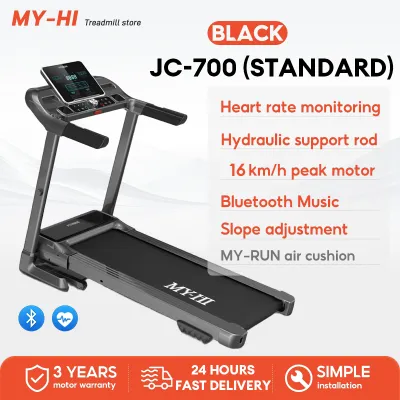
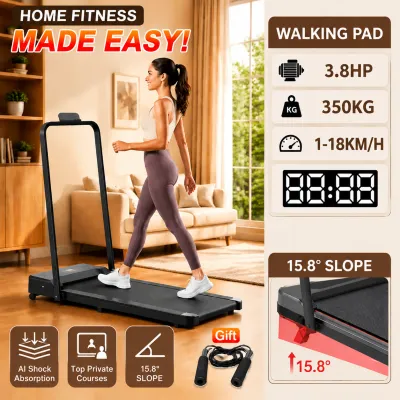
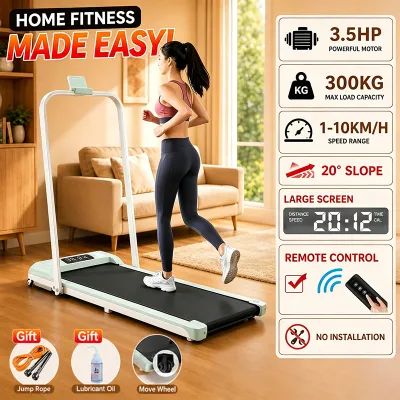
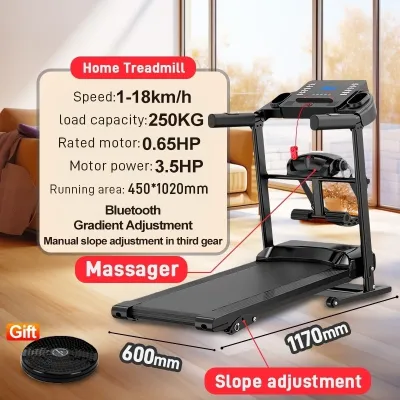
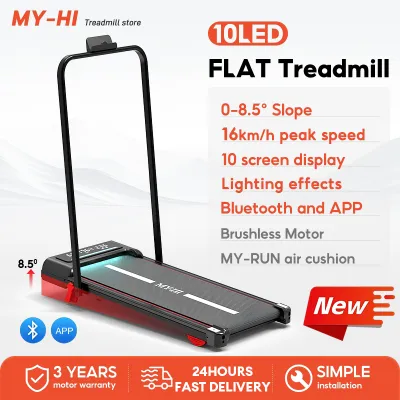
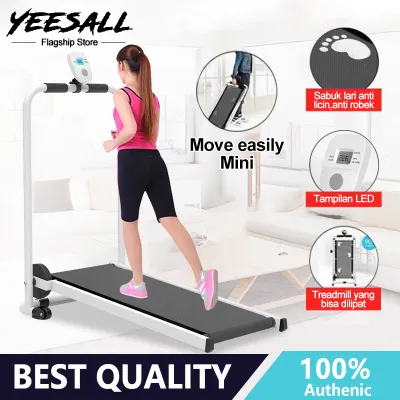
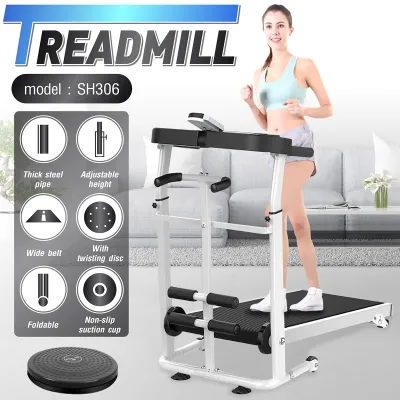
Prices are valid at publication and may change. Please refer to the product page for the latest price.
Getting the treadmill into your unit is the final spatial hurdle. Many modern high-rise developments in urban centers have tight service elevators, narrow corridors, and sharp hallway turns. Check the dimensions of your building’s elevator doors and interior cabin, as well as your own front door frame. Compare these measurements against the manufacturer’s boxed shipping dimensions to verify that the delivery team can safely transport the unit to your living room without damaging the walls or the machine.
Key Electric Treadmill Dimensions to Check
When shopping for an electric treadmill, you will encounter two sets of dimensions: the assembled footprint and the running surface. The assembled footprint represents the total floor space the machine occupies when fully set up. For a small condo, look for compact models that keep this footprint to a minimum while still providing a stable base. Ensure you have at least a few centimeters of buffer on either side so the machine does not rub against furniture or walls during high-speed operation.

The running surface, or belt size, directly affects your safety and comfort. A belt that is too short or narrow can cause you to step off the moving track, while a belt that is excessively large requires a massive, heavy frame. If you primarily plan to walk or jog, a shorter belt length of around 100 to 120 centimeters is often sufficient and saves valuable floor space. For taller runners with longer strides, a belt length of 130 to 140 centimeters may be necessary, which will naturally require a larger overall machine footprint.
It is important to understand that performance specifications are closely linked to physical bulk. High-horsepower motors and heavy-duty steel frames designed for high weight capacities require larger housings and wider bases. If you require a machine for light jogging or walking, a smaller motor (typically 1.5 to 2.0 continuous horsepower) allows for a lighter, more streamlined frame. Carefully weigh your performance needs against your spatial limits, as over-specifying your treadmill will result in a bulky machine that dominates your living area.
Space-Saving Features and Folding Mechanisms
For most condo owners, a folding electric treadmill is the most practical choice. These machines allow you to pivot the running deck upward when not in use, drastically reducing the floor space occupied by the machine. When evaluating folding models, check both the horizontal folded footprint and the vertical folded height. Some models fold almost completely flat to slide under a bed or stand upright against a wall, while others fold at an angle, requiring a dedicated corner of the room.
The type of folding mechanism determines how easy the machine is to transition between storage and active use. Hydraulic assist systems, often called soft-drop or easy-fold mechanisms, use gas shocks to help lift the heavy deck and lower it slowly to the floor without manual straining. If you choose a manual lift model, verify that you can comfortably lift the weight of the deck yourself. Always check the locking mechanism to ensure the deck stays securely upright, especially if you have pets or small children in the home.
If your fitness routine focuses solely on walking or light activity, an ultra-compact walking pad or under-desk treadmill is an excellent alternative. These minimalist machines lack bulky consoles and often feature folding handrails or no handrails at all, allowing them to slide easily under a sofa. However, keep in mind their inherent limitations: they generally offer lower top speeds, lack incline options, and provide less stability than traditional electric treadmills.
Maneuverability is crucial when you must move your equipment frequently. Look for models equipped with multi-directional transport wheels. Some treadmills only roll forward and backward, which can make maneuvering around tight condo corners difficult. Wheels that allow side-to-side movement make it much easier to guide the machine into a closet or behind a partition wall after your workout is complete.
Safety, Clearance, and Installation Requirements
Operating an electric treadmill in a confined space requires strict adherence to safety clearances. Manufacturers typically recommend leaving a clear zone of at least two meters behind the treadmill and about half a meter on each side. This open space is vital; if you lose your footing or stumble, the moving belt will quickly eject you backward. Placing the rear of the treadmill directly against a wall or a piece of furniture can lead to severe entrapment injuries if you fall.
Condo flooring, whether engineered wood, laminate, or tile, requires protection from the intense vibrations and impact of running. A dense, heavy-duty rubber equipment mat placed under the treadmill is essential. This mat absorbs impact energy, prevents the machine from sliding during use, and catches sweat and mechanical lubricants that could stain your floors. Additionally, check your building’s structural guidelines if you plan to purchase an exceptionally heavy commercial-grade unit, though most residential folding models fall well within standard residential floor load limits.
Electrical safety is another key installation factor. An electric treadmill draws significant power and should ideally be plugged directly into a grounded wall outlet without the use of extension cords or adapters, which can overheat. Position the treadmill so the power cord runs directly to the wall without crossing high-traffic walkways. Loose cords across a room create a dangerous tripping hazard and can be accidentally unplugged or damaged during a workout, potentially harming the machine’s internal electronics.
Frequently Asked Questions (FAQ)
Can I use an electric treadmill on a high-floor condo without causing noise complaints?
Yes, you can use an electric treadmill on a high floor, but you must take proactive steps to minimize noise transmission. The primary source of disturbance for neighbors below is the impact noise of your feet hitting the deck, which travels through the building’s concrete slab. To mitigate this, choose a treadmill with a high-quality, built-in deck cushioning system that absorbs shock. Placing a thick, high-density rubber mat beneath the machine is highly effective at dampening vibrations. Additionally, always review your condominium corporation’s house rules regarding heavy fitness equipment and designated quiet hours to ensure your workouts remain compliant and neighbor-friendly.
Is a manual treadmill a better space-saving alternative to an electric one?
A manual treadmill does offer a smaller footprint and eliminates the need for an electrical outlet, but it may not suit every user. Because manual treadmills rely entirely on your physical effort to move the belt, they require a different running mechanic that can feel less natural and place higher initial stress on your joints. They also lack the smooth, consistent speed control provided by an electric treadmill’s motor. If your primary goal is a low-impact, highly adjustable workout with pre-programmed training routines, the space-saving benefits of a manual treadmill may not outweigh the comfort and ease of use offered by a compact electric model.
Community discussion
Share your experience or ask a question. Comments are reviewed before publication.