
Transitioning from a traditional pea whistle to an electric whistle can transform how you manage a football match, especially on hot, humid afternoons where continuous running and blowing a manual whistle can quickly drain your energy. An electric whistle offers a hygienic, consistent, and highly audible alternative that activates at the press of a button. However, finding the right model for the football pitch requires looking beyond flashy marketing claims. You need a device that can cut through wind, rain, and crowd noise while surviving the physical demands of a fast-paced game.
To make an informed purchase, you must evaluate specific technical specifications such as decibel output, battery configuration, weatherproofing, and ergonomic design. Choosing a reliable tool ensures you maintain control of the match from the first whistle to the final whistle without worrying about sudden equipment failure.
Understanding Sound Output and Decibel Ratings
When browsing online marketplaces, you will often see electric whistles boasting extreme decibel (dB) ratings, sometimes exceeding 120 dB or 130 dB. While these numbers look impressive on a product listing, it is crucial to differentiate between peak decibel levels and sustained sound output. Peak ratings often represent a momentary spike measured directly at the speaker grill under laboratory conditions, which does not reflect how the sound travels across an open football field. Before buying, check the manufacturer’s testing specifications to see if the decibel level is rated at a realistic distance, such as one or two meters away.
Products mentioned in this guide
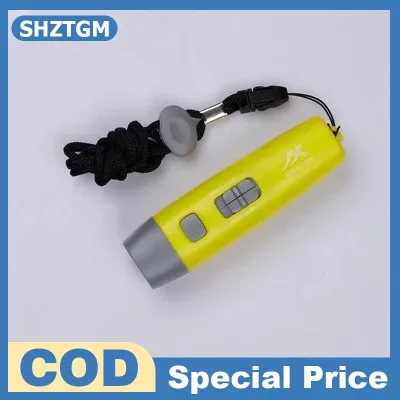
![[Pure heart]Handheld Electronic Whistle with USB Charging Sports Flashlight Whistle for Football Soccer Lifeguard Classroom](https://img.lazcdn.com/g/p/4c2a78d532fbf47241702f9bbb843920.jpg_400x400q80.jpg_.webp)
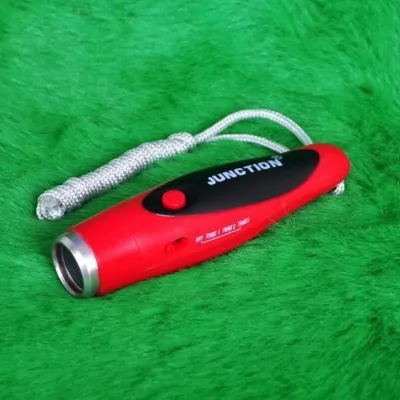
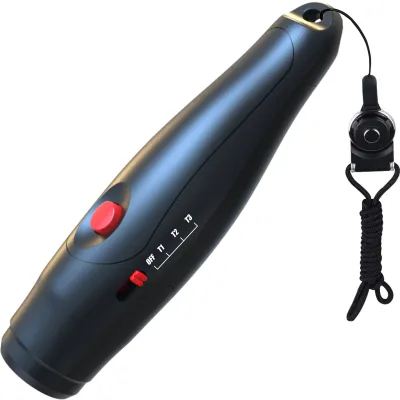
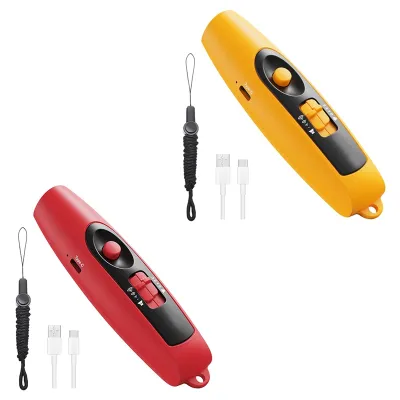
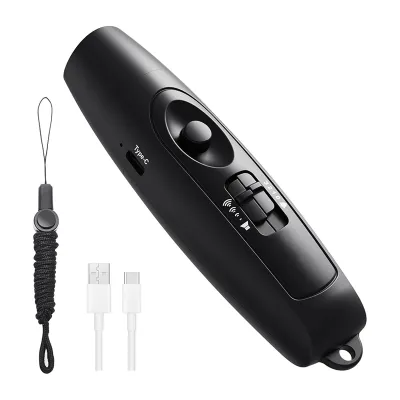
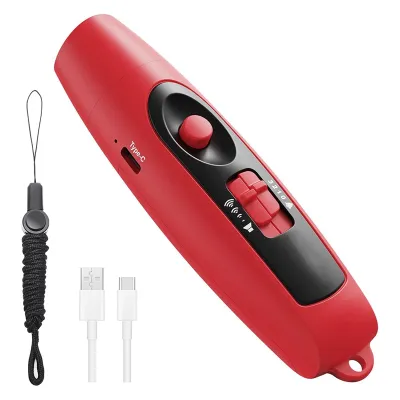
Prices are valid at publication and may change. Please refer to the product page for the latest price.
Your sound projection needs depend heavily on the size of the pitch and the level of competition you referee. For small-sided games, such as 7-a-side matches on compact community pitches, a moderate volume level is usually sufficient to alert players without overwhelming nearby spectators. Conversely, officiating a full-size 11-a-side match requires a much stronger sound projection to reach players on the far touchlines, especially when competing with ambient noise from passing traffic, wind, or cheering crowds.
The frequency and pitch of the tone are just as important as raw volume. Standard football matches benefit from a high-pitched, sharp frequency that mimics the traditional pea whistle, as this specific tone is highly effective at cutting through outdoor wind and low-frequency crowd chatter. A well-designed electric whistle should deliver a clear, piercing sound that immediately commands attention on the pitch without causing ear fatigue or discomfort for you as the referee.
Evaluating Battery Life and Power Options
A reliable power source is non-negotiable for any refereeing equipment, as a dead battery mid-match can disrupt the entire flow of a game. You will generally choose between rechargeable lithium-ion models (usually powered via USB) and those that utilize replaceable button-cell or AAA batteries. Rechargeable models are highly convenient for frequent referees who can easily plug the device into a power bank or car charger between weekend matches, saving you from buying replacement batteries that can cost several hundred ₱ over a busy season. Meanwhile, replaceable battery models offer the peace of mind of a quick swap if power runs out on a remote pitch.

To ensure your whistle lasts through back-to-back matches, look closely at the product specifications for continuous blow time versus standby time. Standby time indicates how long the device can remain powered on while idle, whereas continuous blow time measures the actual duration of sound emission. Because a referee only sounds the whistle in short bursts, a model with a modest continuous blow time of several hours can easily last for dozens of full-length matches, provided the standby power draw is minimal.
Always prioritize models that feature clear battery performance indicators or low-battery warning lights. A simple color-coded LED light that changes from green to red when power is low prevents the frustration of a sudden, unannounced shutdown during a critical play. Checking this indicator should become a standard part of your pre-match equipment inspection before you step onto the pitch.
Checking Build Quality and Weather Resistance
Football is played in all weather conditions, from intense tropical heat to sudden downpours. Therefore, your electric whistle must be built to withstand moisture, sweat, and accidental drops on hard ground. Instead of relying on vague marketing terms like “waterproof” or “weather-resistant,” look for a specific Ingress Protection (IP) rating on the packaging or product manual. An IP rating, such as IP54 or IP56, provides a standardized measure of how well the device resists dust and water splashes, ensuring it remains functional even during a heavy rainstorm.
The materials used in the whistle’s construction directly impact its durability and grip. High-impact ABS plastics are excellent for absorbing the shock of accidental drops on turf or gravel, while silicone or rubberized outer coatings provide a secure, non-slip grip when your hands are sweaty. Additionally, choosing materials that are easy to wipe down helps maintain long-term hygiene, which is a major advantage of electric whistles over traditional mouth-blown models.
Before finalizing your purchase, inspect the physical design of the button mechanisms and the speaker mouthpiece. The button should have a tactile, responsive click that you can feel even when wearing gloves, and it should be sealed to prevent sweat or rainwater from seeping into the internal circuitry. Avoid designs with deep crevices around the buttons or speaker grill, as these areas can trap dirt, grass, and moisture over time, leading to premature mechanical failure.
Selecting Ergonomics and Carrying Options
Comfort and accessibility are critical when you are running across the pitch for 90 minutes. The physical shape of the electric whistle should allow for quick, intuitive operation without requiring you to look down at the device. Look for a slim, contoured body that fits naturally in the palm of your hand, with the activation button positioned precisely where your thumb or index finger rests naturally.
Carrying options vary widely, and the best choice depends on your personal refereeing style. Many models come with adjustable wrist lanyards, finger rings, or elastic straps that keep the whistle securely attached to your hand or wrist. A finger-ring mount is particularly popular among football referees because it mimics the secure feel of a traditional metal whistle, allowing you to keep your hands relatively free to signal card offenses or point directions without dropping the device.
The overall weight of the whistle also plays a role in reducing fatigue. A heavy, bulky device can become uncomfortable during a long tournament and may bounce awkwardly if suspended from a neck lanyard. Opt for a lightweight, balanced design that feels secure whether you are sprinting down the touchline or raising your arm to signal an offside.
Specs and Features You Can Safely Ignore
While manufacturers often add extra features to make their products stand out, many of these additions are unnecessary gimmicks that do not improve your performance on the pitch. For example, whistles that offer three, four, or more different sound modes—including sirens, buzzers, or novelty tones—are largely useless for standard football matches. In official or even casual games, players and coaches expect a traditional, recognizable whistle tone; using an unusual sound can cause confusion and delay play.
Similarly, you can safely avoid paying a premium for advanced connectivity features like built-in Bluetooth, mobile app integration, or smart tracking metrics. While these tools might have niche applications for specialized athletic coaching or physical education classes, they offer no practical benefit during an active football match and only serve to drain the battery faster. Keep your equipment simple, reliable, and focused on its primary job: producing a clear, loud sound.
Finally, be skeptical of extreme, unverified decibel claims that lack standardized testing context. A whistle advertised as “ultra-loud” without any distance or frequency specifications is often no more effective than a standard, well-built model. Focus instead on verified build quality, reliable battery life, and a clean, high-frequency tone that is proven to cut through outdoor environments.
Frequently Asked Questions (FAQ)
Can I use an electronic whistle in official football matches?
Before purchasing an electric whistle for official league matches, you should consult the specific competition rules or your local football association guidelines. While electric whistles are widely accepted and highly recommended for training sessions, grassroots tournaments, and amateur leagues, some official senior or professional competitions may still mandate the use of traditional acoustic whistles. Checking these regulations beforehand ensures your equipment complies with local matchday standards.
How do I clean and maintain an electric whistle?
To prolong the lifespan of your electric whistle, always follow the manufacturer’s specific cleaning and maintenance instructions. For general upkeep, you can wipe down the exterior casing with a damp cloth and mild soap, taking care to avoid getting moisture inside the charging port or speaker grill. If your whistle features a removable silicone mouthpiece or grip, you can detach it and wash it separately with warm water and soap, ensuring it is completely dry before reattaching it to the electronic body.
Community discussion
Share your experience or ask a question. Comments are reviewed before publication.