
To fit an indoor cycling bike into a small Philippine condo unit—such as a typical 22-to-35-square-meter studio or one-bedroom layout in Metro Manila—you must look beyond the basic physical footprint. A suitable setup requires a bike with an operational footprint of roughly 120 cm by 60 cm, built-in front transport wheels, and highly adjustable components that keep the frame stable without blocking vital pathways. Balancing these dimensions with the realities of tropical humidity and limited floor space is the key to creating an efficient home gym.
Condo living in dense urban areas presents unique spatial challenges, including narrow entryways, shared walls, and multi-functional living areas. Selecting fitness equipment for these spaces requires careful planning to ensure your workouts do not interfere with daily life or damage your property. By focusing on precise measurements and specific design features, you can maintain an active lifestyle without sacrificing your valuable living space.
Measuring Your Condo Space for an Indoor Cycling Bike
Before browsing online marketplaces or visiting local fitness showrooms, you must accurately assess your available floor space. The most common error is measuring only the physical footprint of the bike—the actual metal base resting on the floor. While a standard bike might only occupy a rectangle of 120 cm by 50 cm, your body requires a larger operational footprint. When riding, your elbows flare out, your body sways slightly, and you need extra clearance to safely mount and dismount the frame. Plan for at least 30 to 50 cm of open space on all sides of the bike during use.
Products mentioned in this guide
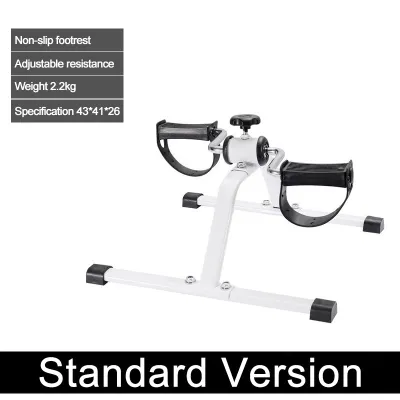
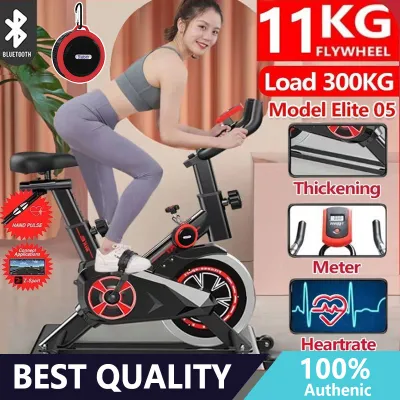
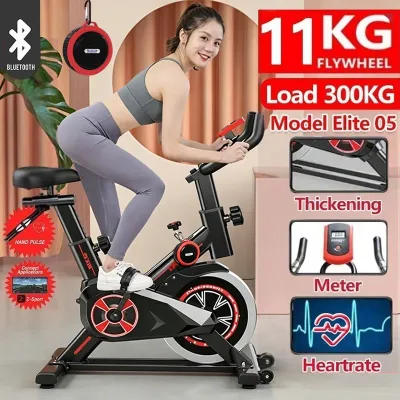
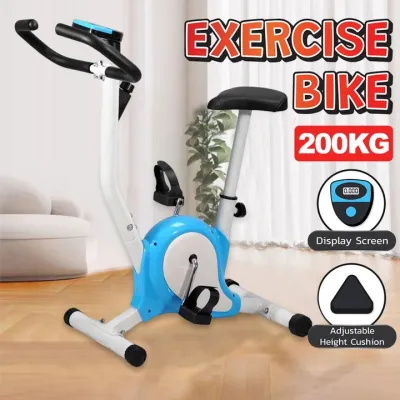
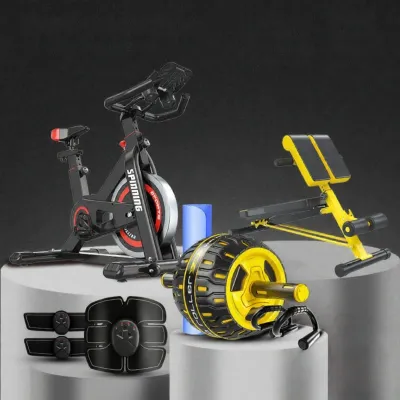
Prices are valid at publication and may change. Please refer to the product page for the latest price.
Delivery logistics represent another critical spatial boundary in high-rise condo buildings. Many modern developments feature narrow service elevators, tight corridor corners, and standard unit door widths of only 80 to 90 cm. Because indoor cycling bikes are often shipped pre-assembled or in large, heavy cardboard boxes weighing between 30 and 60 kg, you must verify that the packaged product can navigate these entry points. Measure your building’s elevator doors and your unit’s entryway before finalizing any purchase.
In the tropical climate of the Philippines, proper ventilation and sweat management are essential for indoor workouts. High humidity levels can make enclosed spaces feel suffocating during intense cardio sessions. You need to position your bike where it can benefit from direct airflow, whether from a high-velocity floor fan or your condo’s air conditioning unit. Placing the bike too close to a wall restricts this airflow and traps humid, salty sweat vapor, which can eventually damage your wall paint or wallpaper.
Ceiling height is a frequently overlooked dimension that can restrict your training style. Standard Philippine condo ceilings typically range from 2.4 to 2.7 meters. If you are tall or plan to perform high-intensity standing climbs—where you stand up out of the saddle—your head will rise significantly. To prevent painful collisions with light fixtures or low-hanging ceiling beams, measure your ceiling height and compare it to your height when standing on the pedals at their lowest point.
Key Dimensions to Check Before Buying
When evaluating different indoor cycling bike models, the manufacturer’s specification sheet is your most reliable tool. Pay close attention to the base length and width, which dictate the permanent floor space the bike will occupy. A typical compact studio bike has a base length of 110 cm to 130 cm and a width of 50 cm to 60 cm. To visualize this in your unit, use masking tape to outline these exact dimensions on your floor before making a decision.

Adjustability ranges are equally important for both ergonomic comfort and space optimization. High-quality bikes allow you to adjust the seat and handlebars vertically and horizontally. In a tight condo layout, a bike with highly adjustable posts can be compacted when not in use by sliding the seat and handlebars to their lowest, innermost settings. Ensure that when these components are extended to your riding position, they do not block cabinet doors, wardrobes, or walkways.
Floor load and surface protection are critical considerations for high-rise living. A heavy-duty indoor cycling bike with a 15 to 22 kg flywheel can easily weigh 45 to 55 kg on its own. When you add your body weight, this concentrated load rests on four small stabilizer feet. On delicate flooring materials like laminate, engineered wood, or vinyl planks, this pressure can cause permanent indentations or scratches. Always place a high-density PVC or rubber equipment mat under your bike to distribute the weight, dampen vibration noise, and protect your floors from corrosive sweat.
Pedal clearance and Q-factor also play a minor but important role in spatial planning. The Q-factor refers to the distance between the pedal attachments on the crank arms. While a narrower Q-factor is generally better for hip and knee alignment, you must also consider the outer sweep of the pedals. Ensure there is at least 20 cm of clear space on either side of the pedal stroke to prevent your cycling shoes from clipping nearby furniture, walls, or TV consoles during your workout.
Space-Saving Features and Design Options
Choosing a bike that fits your condo does not mean you have to compromise on workout quality. Modern fitness equipment manufacturers design products specifically for urban dwellers, offering features that maximize utility while minimizing physical footprint.
Foldable and Compact Frames
Foldable indoor cycling bikes, often designed with an X-frame configuration, are highly popular for studio apartments. These models feature a central hinge that allows the frame to collapse inward, reducing the storage footprint by up to 50% when the workout is complete. This allows you to store the bike inside a utility closet, behind a door, or next to a wardrobe, keeping your main living area free of clutter.
However, this convenience comes with structural trade-offs. To allow for folding, these frames are constructed with lighter materials and multiple moving joints, which can compromise overall rigidity. During high-intensity intervals or out-of-the-saddle climbs, a folding bike may flex, wobble, or feel unstable. Additionally, they rarely feature the heavy flywheels found on traditional studio bikes, resulting in a less smooth, less realistic road feel.
Before purchasing a folding model, always verify the manufacturer’s specified maximum user weight limit and frame materials. Look for robust locking pins and thick-gauge steel tubing to ensure the frame remains secure during use. If your training routine consists primarily of casual, low-to-moderate intensity cardio, a folding bike is a highly practical choice; however, serious cyclists may find the lack of stability limiting.
Transport Wheels and Vertical Storage
For those who prefer the stability of a non-folding, studio-style bike, transport wheels are an indispensable feature. Most heavy-duty magnetic or friction-resistance bikes include two small wheels integrated into the front stabilizer bar. By gripping the handlebars and tilting the bike forward, you can easily roll the machine across hard floors. This mobility allows you to set up the bike in the center of your living room for your workout, then roll it back into a corner or alcove afterward.
Vertical storage is another innovative design option, but it must be approached with caution. Some modern bikes are specifically engineered to stand upright on their rear stabilizers, significantly reducing their footprint. You must never attempt to store a standard bike vertically unless the manufacturer explicitly states it is safe to do so. Non-approved vertical storage can cause internal lubricants to pool incorrectly, damage electronic consoles, leak hydraulic fluids, or create a severe tipping hazard in a household with pets or children.
Moving a heavy, non-folding bike still requires moderate physical effort, even with high-quality transport wheels. A premium magnetic bike can weigh over 45 kg, and maneuvering this weight around tight corners, over thick rugs, or across sliding door tracks in a condo can be challenging. If you plan to move your bike daily, test the wheel mechanism or look for models with larger, polyurethane wheels that roll smoothly over various indoor surfaces.
Common Sizing and Placement Mistakes to Avoid
One of the most frequent mistakes condo owners make is ignoring the delivery pathway. It is incredibly frustrating to purchase a high-end bike only to find that the delivery box cannot fit through your building’s elevator doors or make the tight turn in your unit’s entrance hallway. Always cross-reference the packaged dimensions provided by the retailer with your building’s physical constraints before placing an order.
Placing the bike flush against a wall to save space is another common error that can cause long-term damage. During a vigorous workout, you will sweat heavily. In a humid tropical environment, this moisture evaporates and can condense on nearby cold concrete walls, leading to peeling paint, unsightly water stains, and mold growth. Keep the bike at least 30 cm away from walls and furniture to allow for proper air circulation and protect your condo’s interior finish.
Cable management is often overlooked when purchasing modern smart bikes or magnetic bikes that require external power. If your bike features a large touchscreen console or electronic resistance control, it must be plugged into a 220V wall outlet. Running power cords across high-traffic walkways in a small condo creates a dangerous tripping hazard. Plan your layout so the bike is positioned near an outlet, or use low-profile cord covers to secure any exposed cables safely along the floor.
Finally, do not rely solely on generic marketing terms like “space-saving” or “compact” without verifying the actual numbers. Different brands have different definitions of what constitutes a compact design. Always download the product’s user manual online to check the exact assembled dimensions, maximum adjustment heights, and recommended operational clearances. Taking the time to verify these specifications beforehand ensures a safe, comfortable, and sustainable home gym setup.
Frequently Asked Questions (FAQ)
Can I store an indoor cycling bike vertically to save space?
You should only store an indoor cycling bike vertically if the manufacturer has explicitly designed and approved the frame for vertical storage. Standard indoor bikes are front-heavy due to the flywheel and can easily tip over if stood on end, creating a serious safety hazard in a small condo. Additionally, vertical positioning on non-approved models can cause internal lubricants to pool incorrectly, potentially damaging the resistance system or electronic consoles and voiding your warranty.
Do foldable indoor cycling bikes compromise workout stability?
Yes, foldable indoor cycling bikes generally offer less stability than non-folding, solid-frame bikes during intense training. The hinge joint and locking pins that allow the bike to fold introduce natural flex points in the frame. While they are perfectly safe and stable for moderate, seated cardio sessions, they are not designed to handle the lateral forces of high-speed sprints or heavy out-of-the-saddle climbing. For high-intensity workouts, a compact but non-folding bike with a welded steel frame is highly recommended.
Community discussion
Share your experience or ask a question. Comments are reviewed before publication.