
To get the most out of Siargao’s diverse aquatic landscape, the ideal inflatable paddle board is a versatile all-around model featuring a slightly tapered nose, a thickness of 4.75 to 6 inches depending on your body weight, and a highly adaptable 2+1 fin configuration with a removable center fin. This specific combination allows you to glide effortlessly through the narrow, shallow channels of mangrove lagoons while maintaining the stability and tracking required to navigate choppy open-ocean swells. Because Siargao transitions rapidly from glassy, protected waters to exposed reef breaks, choosing a board that balances maneuverability with rigidity is essential for a safe and enjoyable paddling experience.
Understanding Siargao's Water Conditions
Siargao’s dramatic coastal variety presents unique challenges for stand-up paddle boarders. Serene, landlocked destinations like Sugba Lagoon or the quiet mangrove forests of Del Carmen feature glassy, shallow, and highly protected waters. However, underwater hazards like mangrove roots, limestone rocks, and shallow reefs are common. Navigating these tight spaces requires a board that can turn quickly and sit high enough in the water to clear submerged obstacles without scraping.
Conversely, stepping out onto the open ocean near General Luna or around offshore islands like Daku and Guyam exposes you to rolling ocean swells, strong tidal currents, and sudden tropical winds. These open-water environments demand excellent tracking—the board’s ability to travel in a straight line—and high lateral stability to keep you upright when waves hit your board from the side. A board optimized solely for flatwater will feel sluggish in these rolling swells, while a dedicated wave board will lack the glide needed for long-distance lagoon exploration.
Products mentioned in this guide
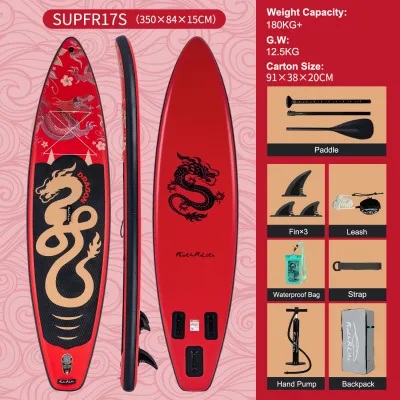
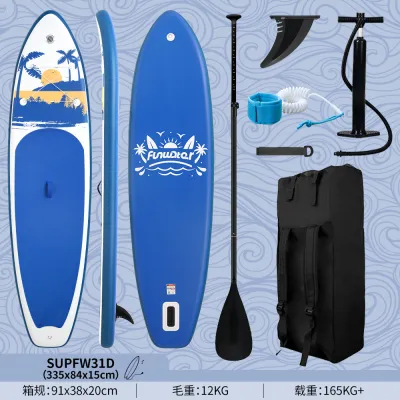
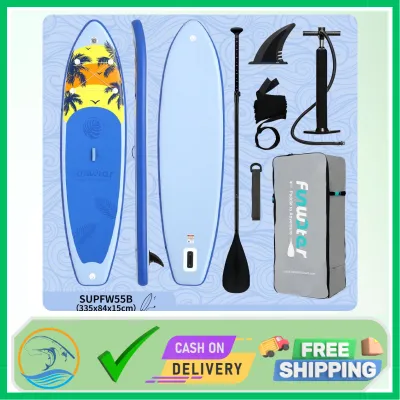
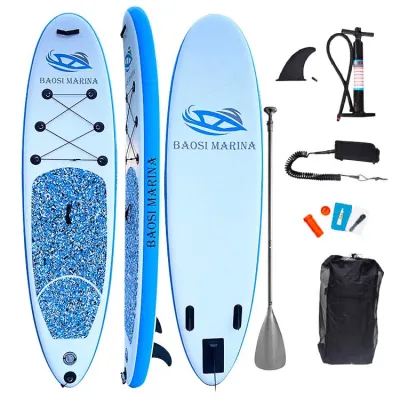

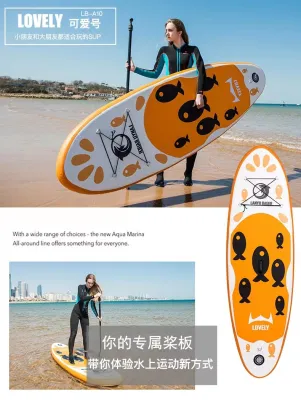
Prices are valid at publication and may change. Please refer to the product page for the latest price.
Key Board Specifications for Mixed Waters
Selecting the right board specifications requires understanding how shape, thickness, and fin configurations interact with Siargao’s varied marine environments.

An all-around board, characterized by a wide, rounded nose and a stable midsection, is generally the most practical choice for mixed conditions. The rounded nose provides excellent stability and helps the board float over small chops rather than piercing through them. However, if you plan to cover longer distances between islands, a hybrid or touring shape with a slightly pointed nose offers better efficiency and straight-line tracking. The trade-off is that touring boards have a larger turning radius, making them more cumbersome in tight mangrove channels.
Board thickness directly influences both rigidity and your center of gravity. Most standard inflatable paddle boards are 6 inches thick, which provides maximum volume, buoyancy, and stiffness. This thickness is ideal for heavier riders or those carrying gear, as it keeps the deck well above the water line. However, a 6-inch board can feel highly susceptible to crosswinds and can make you feel disconnected from the water in choppy conditions. A thinner board, around 4.75 inches, lowers your center of gravity, offering a more stable, connected feel in ocean swells. The caveat is that thinner boards must be constructed with high-density drop-stitch technology to prevent bending under your weight.
Your fin configuration is your primary tool for controlling direction and stability. A classic 2+1 setup—featuring two small, fixed side fins and one large, removable center fin—offers the ultimate versatility for Siargao. In deep, open water, installing the large center fin ensures excellent tracking and stability against wind and currents. When entering shallow lagoons or crossing low-tide reefs, you can slide or screw out the center fin and rely solely on the shallow side fins. This prevents the board from catching on rocks or coral, protecting both your equipment and the delicate marine ecosystem.
Evaluating Cross-Scenario Compatibility
Using a single inflatable paddle board for both flatwater cruising and wave riding always involves compromises. An all-around inflatable board can handle small, gentle rollers and beach breaks, but it will never match the carving performance of a hard surf-specific paddle board. The thick, rounded rails of an inflatable cannot bite into a wave face the way a hard board’s sharp rails do. If your primary goal is to surf Siargao’s famous reef breaks, it is highly recommended to use your inflatable for flatwater exploration and rent a dedicated hard surfboard or surf-SUP from a local shop in General Luna for wave sessions.
For those who want to stick to a single inflatable board, adjusting your fin setup is the easiest way to transition between activities. Swapping a long, stiff touring fin for a shorter, flexible river fin or a specialized surf fin can dramatically improve maneuverability in small waves.
Logistics also play a massive role in your island-hopping itinerary. Transporting an inflated board on a local outrigger boat or strapping it to the roof of a tricycle requires careful handling. Inflatables are highly durable, but they can still be punctured by sharp metal fittings on boats or rough tropical vegetation. If you plan to visit multiple spots in a single day, look for a board that deflates quickly and fits into a heavy-duty backpack with comfortable shoulder straps, allowing you to pack up and move when the tide changes.
Pre-Trip Preparation and Safety Checks
Before launching into Siargao’s waters, proper equipment maintenance and safety protocols are vital. The tropical heat in the Philippines has a direct physical effect on inflatable gear. When an inflatable board sits in direct sunlight, the air inside expands, rapidly increasing the internal pressure. To prevent seam failure or permanent damage, always inflate your board slightly below its maximum rated PSI if you plan to leave it on the beach. For example, if your board is rated for 15 PSI, inflating it to 13 or 14 PSI is safer during the hottest hours of the day. Always check the pressure with a reliable gauge before heading out.
Safety gear should never be compromised. A coiled ankle leash is mandatory for both flatwater and open-ocean paddling; it keeps your board close if you fall, preventing it from being swept away by strong currents or wind. In shallow reef areas, a leash also prevents your board from drifting into sharp coral or other water users. Additionally, wearing a personal flotation device (PFD) is highly recommended, especially when paddling in deep channels or during open-water crossings where currents can quickly pull you away from the shore.
Finally, consider the logistics of bringing your own gear versus renting. Most domestic airlines flying into Sayak Airport have strict weight limits and charge additional sports equipment fees for oversized bags. Check these policies carefully before booking. If you prefer to avoid the hassle of traveling with a heavy bag, local rental shops in General Luna offer a variety of boards, though high-quality inflatables can sometimes be limited during peak tourist seasons.
Frequently Asked Questions (FAQ)
Can I use a standard all-around inflatable paddle board in Siargao's ocean waves?
Yes, you can use a standard all-around inflatable paddle board in small, gentle waves, but it is not designed for high-performance surfing. The wide, rounded nose and thick rails of an all-around board make it difficult to turn sharply on a wave face and prone to getting caught by the wind. If you are a beginner or intermediate paddler, stick to small beach breaks and avoid crowded surf spots like Cloud 9, where fast-breaking waves and shallow reefs require advanced skills and specialized hard boards. If the swell becomes too large or currents make it difficult to paddle back to shore, safety dictates that you should immediately exit the water.
Do I need a special pump or pressure gauge for the humidity and heat in the Philippines?
You do not need a specialized tropical pump, but you must take extra care of your standard inflation equipment. High humidity and salty air can accelerate the corrosion of metal parts and degrade the lubricating grease inside your pump’s cylinder. Periodically clean and lubricate your pump seals with silicone grease to ensure smooth operation. More importantly, always use a highly accurate, independent pressure gauge rather than relying solely on visual checks. Because the intense tropical sun causes rapid air expansion inside the board, monitoring your PSI throughout the day is crucial to prevent over-inflation and potential seam blowouts.
Community discussion
Share your experience or ask a question. Comments are reviewed before publication.