
Navigating the diverse landscapes of the Philippines requires a vehicle capable of adapting to rapid changes in terrain and weather. While urban centers present paved roads, provincial routes and weekend trails often consist of loose gravel, packed clay, deep mud, and uneven rocky paths. For outdoor enthusiasts and practical commuters alike, an off-road electric scooter offers an agile, eco-friendly way to traverse these challenging environments. However, selecting a model that can withstand both rugged topography and sudden tropical downpours requires a careful evaluation of specific mechanical and electrical features.
To make an informed investment, riders must look beyond aesthetic appeal and focus on structural integrity, water resistance, and motor performance. Operating an electric scooter in off-road conditions introduces high levels of vibration, moisture, and debris that can quickly degrade standard commuter models. Understanding how to evaluate these specifications ensures you select a machine that remains safe, reliable, and durable over years of challenging rides.
Essential Features for Unpaved Trails and Wet Weather
When transitioning from smooth city streets to unpaved trails, the suspension system and tire configuration serve as your primary defense against impact and traction loss. Off-road riding demands a robust suspension system, typically utilizing dual spring, hydraulic, or polyurethane bushing setups. A dual suspension system absorbs the high-impact forces of potholes and rocky paths, protecting the scooter’s frame from structural fatigue and keeping the rider stable. Without adequate suspension, continuous vibrations can loosen internal electrical connections and cause premature battery wear.
Products mentioned in this guide
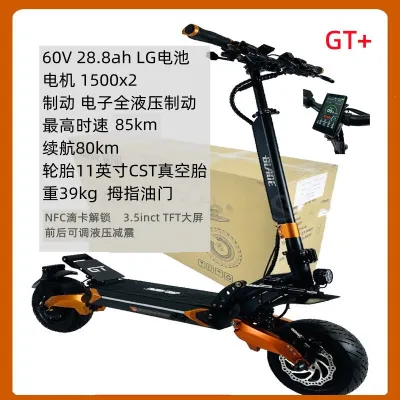
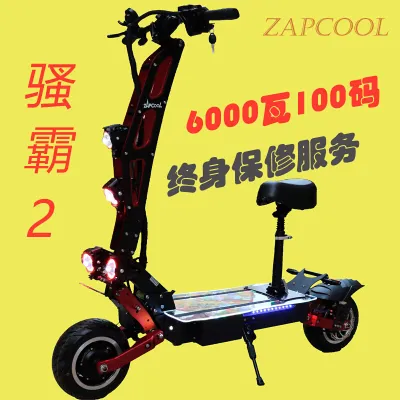
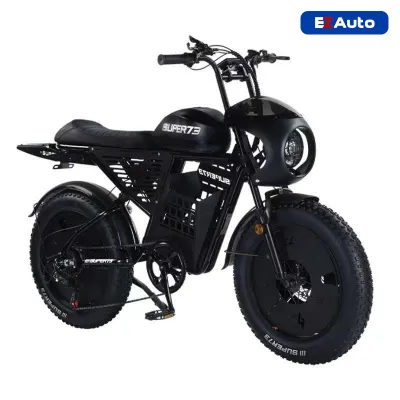
Prices are valid at publication and may change. Please refer to the product page for the latest price.
Tires are the sole point of contact between the scooter and the ground, making their design critical for safety. Pneumatic (air-filled) tires are highly recommended for off-road use because they provide natural shock absorption and conform to uneven surfaces. Look for tires that are at least 10 inches in diameter, though 11-inch or larger options offer superior ground clearance. The tread pattern must be deep and knobby to bite into loose dirt, gravel, and wet clay. Solid tires should be avoided for off-road riding, as they lack the necessary grip on wet surfaces and transmit harsh vibrations directly into the chassis.
Water resistance is another non-negotiable feature when riding in a tropical climate prone to sudden downpours. Ingress Protection (IP) ratings define how well a scooter’s electrical enclosures resist dust and moisture. An IP rating consists of two digits: the first represents solid protection, and the second represents liquid protection. For wet weather riding, look for a minimum rating of IPX5, which protects against water jets from any angle. Models with an IPX6 rating offer protection against more powerful water streams, providing greater peace of mind during unexpected rainstorms. However, no standard electric scooter is completely waterproof, and high-pressure water exposure must always be avoided.
Finally, climbing steep provincial inclines and pushing through high-resistance terrain like mud or wet grass requires substantial motor power and torque. Single-motor scooters often struggle on steep hills, leading to motor overheating and rapid battery drain. A dual-motor configuration, featuring a hub motor in both the front and rear wheels, distributes power more efficiently and provides the necessary torque to maintain momentum. When evaluating motors, focus on the nominal (continuous) wattage rather than the peak wattage, as nominal power reflects what the scooter can safely sustain during prolonged climbs.
Matching Scooter Capabilities to Local Terrain Types
To choose the right off-road electric scooter, you must align the vehicle’s specifications with the specific types of terrain you plan to encounter. Light off-road conditions, such as packed dirt paths, dry gravel roads, and minor asphalt cracks, are relatively forgiving. For these environments, a mid-tier scooter equipped with dual spring suspension, hybrid tires, and a single high-torque motor or moderate dual motors is usually sufficient. These scooters offer a balanced compromise between off-road capability and everyday commuter practicality.

Heavy off-road conditions, including deep mud, loose rocky trails, steep forest paths, and water-logged provincial roads, demand a heavy-duty machine. This class of scooter features reinforced frames, high ground clearance to prevent the deck from scraping on rocks, and advanced hydraulic suspension systems that can be adjusted for rebound and stiffness. These models also utilize wide, aggressive knobby tires and high-voltage electrical systems (typically 60V or 72V) to deliver the massive torque required to power through thick mud and loose gravel without stalling.
Frame durability and weight capacity are critical factors when carrying gear on long provincial rides. Off-road riding subjects the scooter to intense torsional stress, especially at the folding mechanism and the steering stem. Ensure the frame is constructed from high-grade forged aluminum or steel-reinforced alloys. Check the manufacturer’s maximum weight capacity, keeping in mind that your total riding weight includes your body weight plus any backpacks, tools, or protective gear. Exceeding the rated weight capacity compromises the suspension performance, reduces braking efficiency, and increases the risk of structural failure.
Battery range expectations must also be adjusted when transitioning from paved roads to off-road trails. Riding on loose gravel, mud, or steep inclines increases rolling resistance and forces the motors to draw more current from the battery. Consequently, a battery that delivers a specific range on flat, smooth asphalt may experience a 30% to 50% reduction in range when subjected to rugged off-road conditions. When planning long-distance provincial trips, always calculate your route with a conservative range estimate and factor in the lack of charging infrastructure in remote areas.
Pre-Purchase Verification and Safety Boundaries
Before purchasing an off-road electric scooter, it is essential to verify the manufacturer’s claims and understand the legal and physical boundaries of the machine. Many brands advertise high IP ratings, but a closer inspection of the warranty policy often reveals that water damage is explicitly excluded from coverage. Always read the warranty terms carefully. If a manufacturer refuses to cover water damage despite advertising a high IP rating, treat the water resistance claim as a secondary safety net rather than a guarantee of waterproof performance.
Braking performance is your most critical safety feature, especially during wet and muddy descents. Mechanical disc brakes use a physical cable to actuate the brake calipers, which can stretch over time and require frequent manual adjustment. Hydraulic disc brakes, on the other hand, use fluid pressure to provide superior stopping power, excellent modulation, and minimal hand effort. For heavy off-road riding and wet conditions, hydraulic disc brakes are highly recommended. Additionally, check the size of the brake rotors; larger rotors (140mm or 160mm) dissipate heat more effectively, reducing the risk of brake fade during long downhill rides.
Understanding the physical limits of your equipment is vital for preventing accidents and hardware damage. Even the most rugged off-road scooter has clear operational boundaries. You must stop riding immediately if water levels rise high enough to submerge the wheel axles, as this can allow water to bypass the motor seals and destroy the internal electronics. Similarly, if you experience a significant loss of traction, reduced braking response, or extremely low visibility during a heavy tropical downpour, seek shelter and wait for the weather to clear. Equipment cannot replace personal judgment, proper safety gear, and riding experience.
Before setting out on any off-road ride, perform a pre-ride safety inspection. Verify that the folding mechanism is securely locked and free of play, check that the tire pressure matches the manufacturer’s recommendations for off-road terrain, and test both brakes for responsive stopping power. Wearing appropriate protective gear, including a full-face helmet, knee and elbow pads, and sturdy closed-toe shoes, is mandatory for off-road riding, where falls onto gravel or rocks can cause severe injury.
Building Your Conditional Shortlist
When building a shortlist of potential off-road electric scooters, begin by categorizing your choices based on your primary use case. If you need a vehicle for daily commuting on rough provincial roads with occasional weekend trail rides, look for a hybrid model. These scooters typically feature folding handlebars, a moderate weight that allows them to be lifted into a car trunk, and a balance of street-friendly and off-road features. They offer sufficient ruggedness without the extreme weight and bulk of dedicated trail machines.
If your goal is pure weekend recreation on challenging forest trails, steep mountain paths, and muddy terrain, focus your search on dedicated heavy-duty off-road scooters. These models prioritize maximum suspension travel, wide decks for a stable stance, high-capacity batteries, and powerful dual-motor setups. While these scooters offer unmatched performance on rough terrain, they are significantly heavier—often weighing between 30 kg and 50 kg—making them difficult to transport without a dedicated vehicle rack or a large trunk.
Evaluating after-sales support and spare parts availability is a crucial step in the purchasing process, especially in the Philippines. Off-road riding inevitably leads to wear and tear on components like tires, inner tubes, brake pads, suspension bushings, and folding clamps. Before committing to a specific model, verify that the brand has authorized service centers or reputable local distributors within your region. Ensure that replacement parts are readily available in the local market, as waiting weeks for imported parts can leave your scooter unusable during prime riding season.
Finally, weigh the trade-offs between portability and ruggedness within your budget. High-end off-road scooters can cost tens of thousands of pesos (₱), representing a major financial commitment. While it may be tempting to opt for a cheaper, lighter model to save money and ease transport, compromising on frame strength, suspension quality, or braking systems can compromise your safety on rough trails. Define your budget, prioritize essential safety and performance features, and select the model that offers the most reliable build quality for your specific riding conditions.
Frequently Asked Questions (FAQ)
Can I ride an electric scooter in heavy tropical rain?
Riding an electric scooter in heavy tropical rain is highly discouraged, even if the vehicle possesses a high IP rating. Heavy downpours can quickly create deep puddles that submerge the deck and wheel hubs, allowing water to penetrate the battery compartment and motor casings, which can lead to permanent electrical failure. Furthermore, heavy rain drastically reduces tire traction on both paved and unpaved surfaces, significantly increasing your stopping distance and the risk of sliding. Reduced visibility during tropical storms also makes it difficult for other motorists to see you, creating a highly hazardous riding environment.
How do I maintain the scooter after riding on muddy trails?
Proper post-ride maintenance is essential for preserving the lifespan of your off-road electric scooter. Never use a high-pressure water hose or pressure washer to clean your scooter, as the intense pressure can force water past the rubber seals and into sensitive bearings, motors, and electrical ports. Instead, allow large clumps of mud to dry slightly, then gently brush them off with a soft-bristled brush. Wipe down the frame, deck, and suspension components with a damp microfiber cloth.
After cleaning, inspect the brake calipers and rotors for any trapped grit, pebbles, or debris that could cause premature wear or brake failure. Check the tire pressure to ensure it remains at the optimal level for your next ride, and inspect the tires for any punctures or embedded sharp objects. Finally, apply a suitable lubricant to the suspension pivot points and folding joints to prevent rust, and ensure the charging port is completely dry and clean before connecting the charger.
Community discussion
Share your experience or ask a question. Comments are reviewed before publication.