
To choose effective anti-fog swimming goggles, you must look for high-quality factory-applied coatings, a secure silicone gasket seal that prevents temperature-altering leaks, and lens tints suited to your swimming environment. In tropical climates like the Philippines, high humidity and warm air temperatures accelerate condensation inside the lenses. Selecting goggles with robust specifications and a proper physical fit is essential to keep your vision clear during pool training or open-water swims.
Evaluating these features before making a purchase helps you avoid the frustration of constantly stopping to clear your lenses. By understanding how different materials and designs interact with water and air temperatures, you can select a pair of goggles that offers reliable clarity and comfort.
Understanding Anti-Fog Coatings and Expected Lifespan
Factory-applied coatings are chemically bonded to the inner surface of the lens during manufacturing. These integrated layers are designed to distribute moisture evenly, turning tiny water droplets into a flat, transparent film of water that does not block your vision. Temporary surface treatments, such as quick-dip solutions or basic sprays, sit loosely on top of the lens and wash away much faster.
Products mentioned in this guide
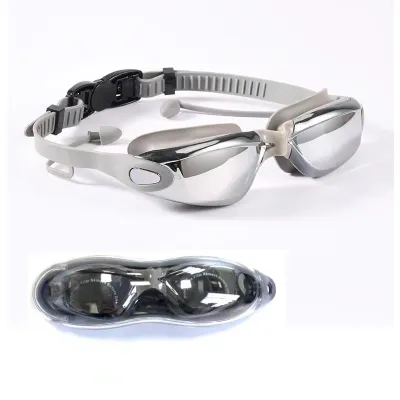
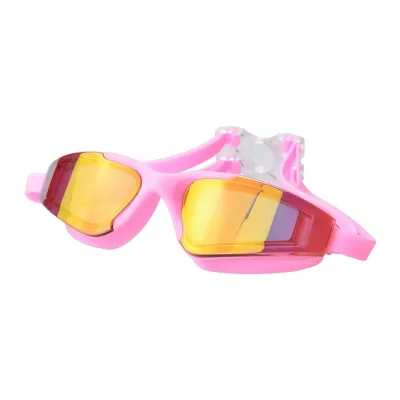
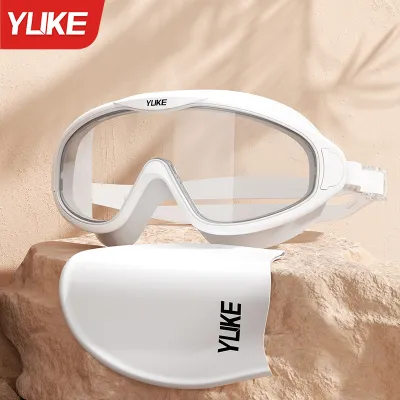
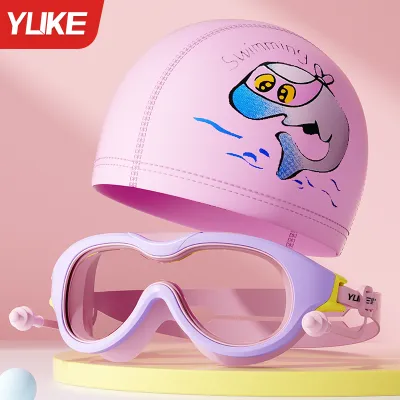
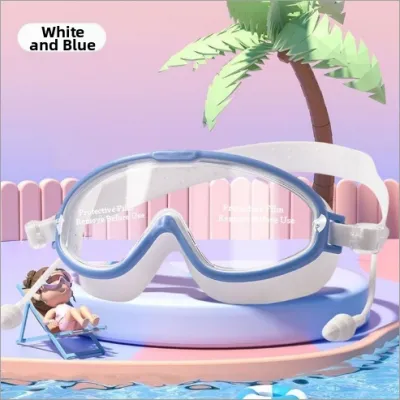
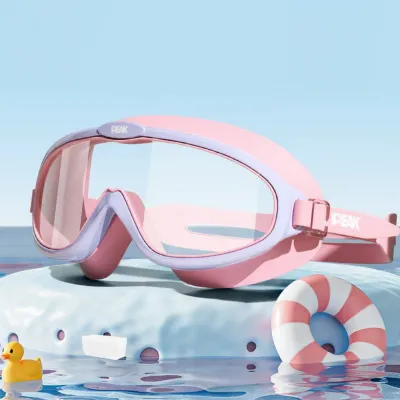
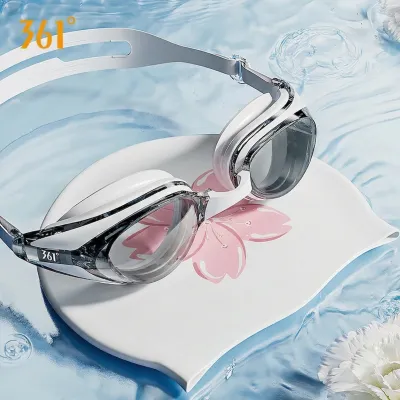
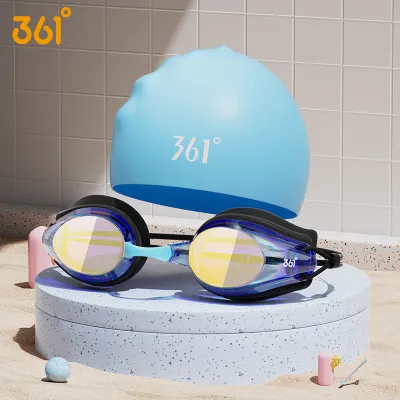
Prices are valid at publication and may change. Please refer to the product page for the latest price.
When shopping, check the product packaging or manufacturer specifications for terms like “integrated anti-fog,” “double-coated,” or specific durability ratings. Some premium models specify resistance to a certain number of washes or hours in the water, though these figures are tested under controlled laboratory conditions. Checking these details helps you gauge the initial quality of the treatment.
It is vital to understand that no anti-fog coating is truly permanent. Over time, exposure to pool chemicals, salt water, sweat, and natural skin oils will degrade the chemical layer. Depending on how often you swim in warm tropical pools, a factory coating may perform optimally for several weeks to a few months before requiring manual reapplication or maintenance.
Evaluating Lens Material, Tint, and UV Specifications
Look for lenses made from high-grade polycarbonate. This material is the industry standard for water sports because it offers excellent impact resistance, lightweight comfort, and high optical clarity. Polycarbonate also provides a stable substrate for anti-fog coatings to adhere to, reducing the risk of the treatment peeling or bubbling over time.

The right lens tint depends entirely on where you plan to swim. For indoor pools or early morning sessions, clear or light-colored lenses provide maximum light transmission and clear visibility. If you swim in bright outdoor pools or open water under the intense sun, mirrored or dark smoked lenses are necessary to reduce glare and squinting.
Always verify the UV protection rating on the product label before buying. Outdoor swimming exposes your eyes to harmful ultraviolet radiation, which can cause long-term damage. Look for goggles that explicitly state “100% UV Protection” or “UV 400” to ensure your eyes are fully shielded while training outdoors.
Checking Gasket Seal and Strap Adjustability for Temperature Control
Fogging is heavily driven by temperature differences. When warm, humid air inside the goggle meets the cooler lens surface cooled by the pool water, condensation forms. A high-quality silicone gasket creates a reliable, airtight seal that prevents cool water from leaking in and disrupting the internal temperature. Look for soft, hypoallergenic liquid silicone gaskets that conform to your facial structure without requiring painful strap tension.
A proper fit across the nose is critical for maintaining this seal. Goggles with interchangeable or adjustable nose bridges allow you to customize the distance between the lenses. If the nose bridge is too wide or too narrow, the gaskets will warp, creating tiny gaps near the inner corners of your eyes where water can seep in.
By securing a perfect physical seal, you limit the exchange of warm skin heat and cool pool water. This stabilization of the microclimate inside the goggle chamber is one of the most effective natural defenses against rapid fogging, working hand-in-hand with the chemical coating to keep your view clear.
Maintenance Rules to Preserve Anti-Fog Performance
The golden rule of anti-fog maintenance is to never touch, wipe, or rub the inside of the lenses. Even the softest microfiber cloth or a gentle finger swipe can scratch the delicate chemical coating, permanently ruining its ability to disperse water droplets.
After every swim, rinse your goggles immediately in cool, fresh tap water. This removes chlorine, salt, sweat, and pool additives that eat away at the anti-fog layer. Avoid using hot water, dish soaps, or harsh detergents, as these chemicals can dissolve the coating and degrade the silicone gaskets.
Allow the goggles to air dry completely in a shaded, well-ventilated area away from direct sunlight. Once dry, store them in a dedicated protective hard case or a breathable mesh pouch. Leaving them loose in a swim bag exposes the lenses to abrasive gear like zippers, keys, or rough towels.
Frequently Asked Questions (FAQ)
Can I apply aftermarket anti-fog sprays to factory-coated goggles?
Yes, but only after the original factory coating has worn off. Applying aftermarket sprays or drops to a brand-new, fully functioning factory coating is unnecessary and can damage or smudge the existing layer. Always check the manufacturer’s guidelines first. Once you notice the original anti-fog performance declining, clean the lenses thoroughly and apply a compatible, swim-safe anti-fog spray according to the product instructions to restore clarity.
Why do my anti-fog goggles still fog up during a swim?
Even high-quality anti-fog goggles can fog up due to fit issues or environmental factors. If water leaks past a loose gasket, the sudden temperature drop inside the lens will trigger condensation. Additionally, high body heat from intense swimming in a warm pool creates a stark contrast with the external water temperature. Touching the inner lens, exposing the goggles to dirt, or natural wear of the chemical coating over time will also cause fogging to return.
Community discussion
Share your experience or ask a question. Comments are reviewed before publication.