
The best bungee cords for securing climbing gear on multi-day mountain expeditions are marine-grade shock cords featuring a multi-strand latex core, a UV-resistant polyester outer jacket, and secure, non-marring gated or locking hooks. These specialized cords provide the necessary tension and environmental resistance to withstand the harsh, humid conditions of tropical mountain trails. However, before packing them, you must understand their limits: bungee cords are strictly utility tools for organizing and lashing secondary gear to your pack. They are never a substitute for load-bearing climbing ropes, anchors, or safety-critical systems. No piece of equipment can replace proper training, experience, and sound judgment when navigating challenging terrain.
Core Selection Criteria for Mountain Bungee Cords
Securing gear during multi-day climbs in the Philippines presents unique environmental challenges. High humidity, sudden tropical downpours, and dense forest canopies require materials that resist rot, mildew, and intense UV exposure at high elevations. Whether you are navigating the mossy forests of Mt. Dulang-dulang or scrambling across the exposed, sun-drenched volcanic rock of Mt. Apo, your gear-retention systems must be robust enough to handle rapid transitions between wet and dry conditions. Standard utility cords, which often rely on cheap rubber cores and cotton jackets, quickly lose their elasticity, sag under load, and degrade when exposed to constant moisture and heat.
To ensure your gear remains attached to your pack while scrambling up steep ridges or pushing through thick brush, you must look for outdoor-rated shock cords. These cords are specifically engineered to maintain consistent tension under dynamic movement and environmental stress. Unlike standard household options, outdoor-rated cords utilize synthetic jackets and high-grade rubber or polyurethane cores designed to withstand repeated stretching without snapping. They are built to absorb the sudden shocks of a bouncing backpack without transferring that energy directly to your gear attachments.
Products mentioned in this guide
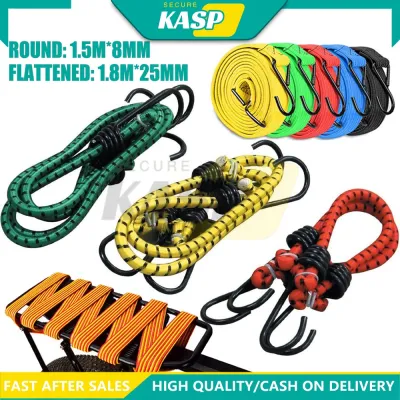
Prices are valid at publication and may change. Please refer to the product page for the latest price.
When building your gear-securing system, your decision matrix should focus on three primary variables: cord diameter, hook design, and jacket material. Balancing these factors allows you to customize your setup for different types of equipment, ensuring that heavy items remain stable while lightweight accessories are kept organized and easily accessible. A well-chosen cord prevents the frustration of lost equipment on remote trails where replacement is impossible, allowing you to focus entirely on the physical demands of the climb.
Evaluating Materials and Weather Resistance
The outer jacket of a bungee cord is its first line of defense against the elements. For mountain expeditions, polyester is generally the most reliable jacket material. Polyester offers excellent resistance to ultraviolet radiation, which is significantly stronger at high altitudes, and it absorbs very little water. This low absorption rate prevents the cord from becoming heavy, waterlogged, and prone to rot during prolonged exposure to rain. In the tropical climate of the Philippines, where a sudden downpour can saturate your gear in minutes, having a jacket that dries quickly and resists mildew is essential for maintaining the integrity of the cord over a multi-day trek.

Nylon is another common jacket material, known for its high abrasion resistance and strength. However, nylon tends to absorb water, which can cause the cord to stretch excessively when wet and dry out slowly in humid environments. This extra stretch can lead to gear shifting unexpectedly on your pack. Polypropylene is lightweight and highly resistant to chemical exposure, but it degrades much faster under direct sunlight, making it less suitable for multi-day trips where your pack is exposed to the sun for hours on end. Over time, UV exposure breaks down the polypropylene fibers, causing the jacket to become brittle and eventually split, exposing the delicate core underneath.
When shopping for cords, always check the manufacturer specifications for weather ratings and environmental limits. Look for labels that explicitly state “UV-resistant,” “marine-grade,” or “weatherproof.” If these specifications are missing or vague, it is best to assume the product is intended only for light indoor use. High-quality manufacturers will often provide detailed information about the temperature ranges their cords can withstand, which is valuable if you plan to climb in colder high-altitude areas where temperatures can drop significantly overnight.
Before purchasing, perform a quick visual and tactile inspection of the cords. Avoid any products that exhibit frayed jackets, exposed inner rubber strands, or uneven thickness along the length of the cord. The cord should feel firm and offer smooth, consistent resistance when stretched; a stiff, brittle feel or a cord that does not immediately snap back to its original length indicates material fatigue or poor manufacturing quality. Testing the tension in-store, if possible, can give you a good sense of the cord’s resistance and recovery speed.
Hook Design and Attachment Safety
The design of the hook is just as critical as the cord itself when it comes to securing gear on a steep climb. Traditional open metal hooks pose a significant hazard in rugged terrain. These hooks can easily snag on rock features, branches, or your own climbing harness, leading to torn gear or sudden, dangerous releases of tension. If an open hook slips under high tension, it can snap back toward your face with incredible force, posing a severe risk of eye injury or loss of balance on a precarious trail.
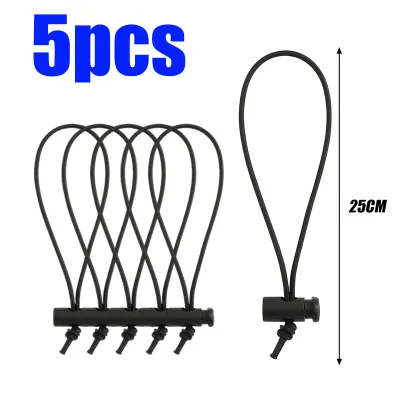
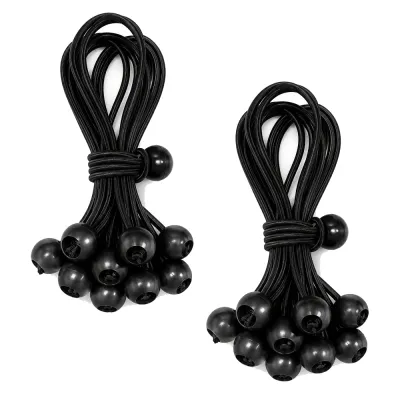
To minimize these risks, prioritize hooks with integrated gate mechanisms or locking features. Gated hooks, similar to basic carabiners, ensure that the cord remains securely attached to your pack’s daisy chains or lash points, even when the cord momentarily loses tension during movement. This is particularly important when scrambling over boulders or descending steep, uneven slopes where your pack experiences constant, multi-directional movement. Alternatively, soft-loop systems or ball-bungees eliminate hard hooks entirely, using knots and loops to secure gear without any risk of scratching or snagging.
When evaluating hook materials, look for heavy-duty composite plastics or steel-core hooks coated in a thick, protective polymer. Pure plastic hooks can become brittle and crack when exposed to UV rays and cold mountain temperatures, while uncoated metal hooks will quickly rust in humid tropical climates. Inspect the connection point where the cord enters the hook; this area should be reinforced with a heavy-duty crimp or a molded sleeve to prevent the cord from slipping out under high tension. A weak connection at the hook is the most common failure point for low-quality bungee cords.
Matching Cord Specifications to Climbing Gear
Different types of climbing and camping gear require specific cord thicknesses and tension levels to remain secure. For heavy, bulky items such as sleeping pads, tent poles, or extra ropes lashed to the exterior of your pack, select thicker cords ranging from 6mm to 8mm in diameter. These thicker cords provide the high tension necessary to prevent heavy loads from shifting, which can throw off your balance on narrow ridges. When securing a heavy rope, for example, a thicker cord ensures that the rope remains compressed and flush against the pack frame, minimizing sway.
For organizing lightweight accessories like carabiners, quickdraws, water bottles, or wet rain jackets, thinner cords of 4mm to 5mm are highly effective. These cords offer more flexibility and are easier to route through small attachment loops. Using thinner cords for light items also helps reduce the overall weight of your pack, which is a crucial consideration for multi-day expeditions where every gram counts. They can also be used to create custom gear loops on your shoulder straps for quick access to small tools.
When lashing gear to the exterior of your pack, always aim to keep the load centered and as close to your back as possible. Loose, dangling items create a severe snag hazard when navigating dense tropical forests or narrow rock chimneys. Ensure that the bungee cord is tensioned sufficiently to hold the gear flat against the pack, but avoid over-tightening cords across delicate equipment, such as climbing helmets, as excessive pressure can deform or damage protective shells. A deformed helmet may no longer provide the certified level of impact protection required during a fall or rockfall event.
Pre-Trip Inspection and Safe Usage Limits
A thorough pre-trip inspection is essential to prevent gear loss or injury on the trail. Before every multi-day expedition, lay out all your bungee cords and perform a systematic visual and tactile check. Run your fingers along the entire length of each cord while applying light tension, feeling for any “soft spots,” internal core breaks, or thinning areas that indicate internal damage. These soft spots often occur when individual latex strands inside the jacket snap, leaving the remaining strands to carry the entire load.
Inspect the outer jacket closely for any signs of fraying, cuts, or heat damage from campfires or stoves. Examine the hooks for cracks, bending, or rust, and test any gate mechanisms to ensure they open and close smoothly. If a cord exhibits any of these warning signs, or if it has lost its elasticity and remains permanently elongated, retire it immediately and replace it before your trip. Continuing to use a compromised cord increases the risk of a sudden failure that could drop your gear down a steep ravine.
Understanding the difference between a manufacturer’s maximum breaking strength and the actual safe working load is vital. Bungee cords are dynamic fasteners and should never be stretched to their absolute limit. As a general rule, a bungee cord should only be stretched to a maximum of 50% to 75% of its relaxed length during normal use. Exceeding this limit significantly increases the risk of sudden failure and dangerous snapback, which can cause severe injuries or cause you to lose critical gear down a mountain slope. Always design your lashing system so that the cords operate well within their elastic limits.
Purchasing Verification and Retail Considerations
When purchasing bungee cords from outdoor retailers or online marketplaces, careful verification of product details is necessary to ensure you are buying genuine, high-quality gear. Look for detailed product labels that specify the exact materials used, such as “latex rubber core” and “polyester jacket.” Avoid listings that use generic, hype-filled terms like “indestructible” or “military-grade” without providing concrete technical specifications.
Pay close attention to the seller’s descriptions regarding weatherproofing and UV resistance. If you are shopping on local online platforms in the Philippines, compare prices carefully; while a pack of basic utility cords might cost as little as ₱100 to ₱150, a single high-quality, outdoor-rated shock cord with gated hooks typically ranges from ₱200 to ₱400. Investing in reliable, specialized cords is a minor expense compared to the cost of replacing lost climbing gear or dealing with a gear failure in the middle of a remote mountain range.
Whenever possible, purchase your cords from reputable outdoor specialty brands or authorized retailers. This ensures that the products have undergone quality control and are manufactured to meet the demands of rugged outdoor use, giving you peace of mind during your multi-day mountain adventures.
Frequently Asked Questions (FAQ)
Can I use standard hardware store bungee cords for mountain climbing gear?
Using standard hardware store bungee cords for mountain climbing gear is highly discouraged due to safety and durability risks. These budget-friendly cords are typically designed for light indoor or light-duty automotive use, utilizing cheap rubber cores and cotton or polypropylene jackets that degrade rapidly when exposed to the high humidity, rain, and intense UV rays found in mountain environments. Additionally, their open metal hooks rust quickly and lack the secure closure needed to prevent gear from slipping off your pack during dynamic movement on steep trails.
How do I prevent bungee hooks from scratching my climbing helmet or pack?
To protect expensive climbing gear and pack fabrics from abrasion, you can slide protective sleeves made of silicone tubing or heat-shrink wrap over the hooks. Alternatively, wrapping the hooks in heavy-duty duct tape or electrical tape provides a simple, cost-effective cushion against friction. For the ultimate protection, consider replacing hard-hooked cords with soft-loop attachment systems, such as ball-bungees or knot-and-loop configurations, which secure your gear using high-strength fabric loops instead of metal or hard plastic.
What is the safest way to store bungee cords when not in use?
To preserve the elasticity and structural integrity of your bungee cords between trips, store them in a cool, dry, and dark environment away from direct sunlight, high heat, and ozone-producing appliances. Keep them away from harsh chemicals, insect repellents, and stove fuels, which can rapidly dissolve the rubber core or degrade the synthetic jacket. Always coil the cords loosely without any tension, as storing them in a stretched or tightly kinked state will permanently damage the internal latex strands and reduce their lifespan.
Community discussion
Share your experience or ask a question. Comments are reviewed before publication.