
Selecting the right cheerleading pompoms for competitive performances, such as the University Athletic Association of the Philippines (UAAP) or local school tournaments, is a critical decision that directly influences both visual scoring and athlete safety. While pompoms are often viewed as simple accessories, they function as vital athletic equipment that must be carefully matched to the venue size, choreography speed, and environmental conditions. The ideal choice balances maximum grandstand visibility with practical handling, ensuring that the squad looks cohesive and sharp without compromising their physical execution during high-intensity routines.
To make an informed purchase, teams must evaluate three primary dimensions: size, material finish, and handle design. Each of these factors carries specific athletic trade-offs. For instance, a pompom that looks spectacular under arena spotlights might cause excessive wrist strain during rapid tumbling passes, or a handle that feels secure in a dry air-conditioned room might slip in the high humidity of a typical Philippine school gymnasium. By analyzing these variables systematically, coaches and pep squad captains can select gear that enhances their stage presence while supporting the physical demands of their performance.
Understanding the Venue and Performance Demands of Campus Competitions
Philippine campus cheerleading operates in a wide variety of environments, ranging from massive, air-conditioned professional arenas to local, open-air school gymnasiums. Major collegiate competitions, like the UAAP Cheerdance Competition, are typically held in expansive venues such as the Smart Araneta Coliseum or the Mall of Asia Arena. In these colossal spaces, the distance between the performance floor and the upper-tier grandstands is substantial. This distance demands props with exceptional visual scale and light-reflective properties so that the clean lines and synchronized movements of the routine are clearly visible to judges and thousands of spectators sitting far away.
Products mentioned in this guide
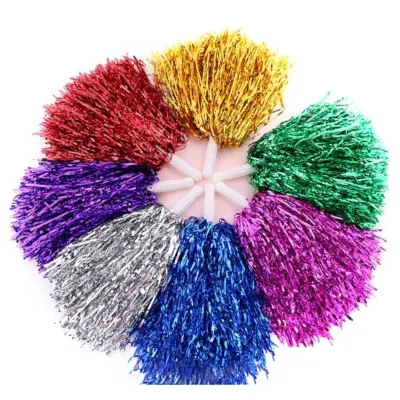
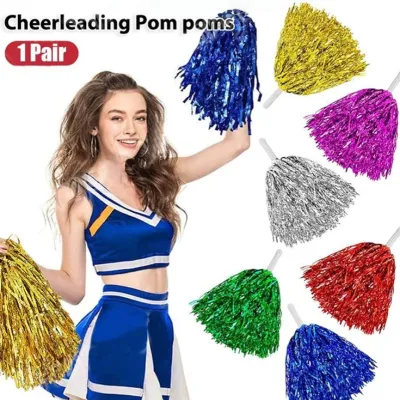
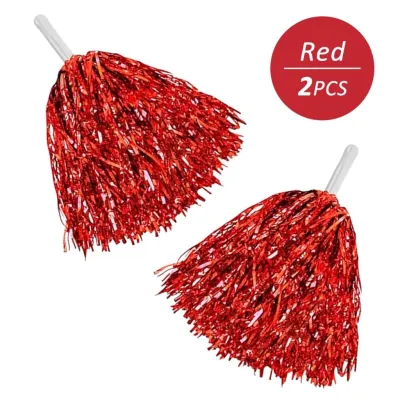
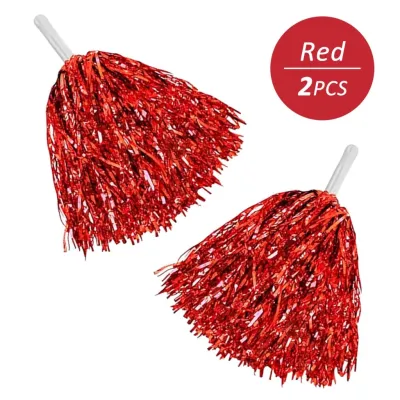
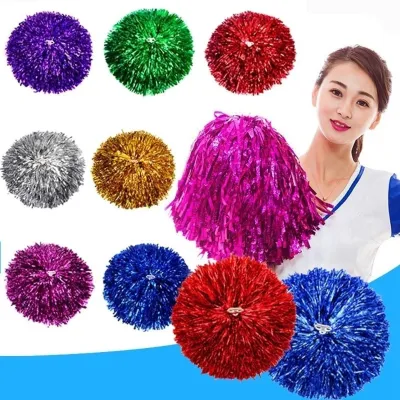
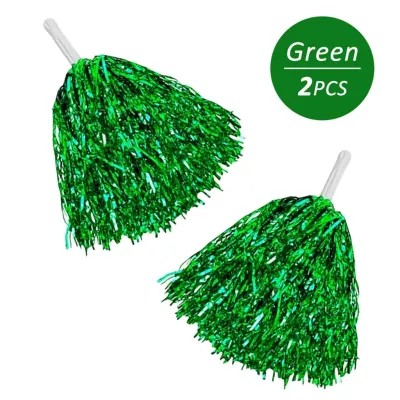

Prices are valid at publication and may change. Please refer to the product page for the latest price.
Conversely, local school tournaments and intramural meets frequently take place in smaller, indoor school courts or outdoor fields. In these closer quarters, the focus shifts from sheer visual block size to extreme precision, speed, and clean transitions. Furthermore, the tropical climate of the Philippines introduces unique challenges. High heat and humidity levels mean that athletes sweat heavily during intense routines. This moisture can severely impact grip security on pompom handles, potentially leading to dangerous slips during partner stunts, pyramids, or tosses. Therefore, selecting materials that resist moisture and handles that offer a secure, non-slip texture is essential for maintaining both performance quality and athlete safety.
Selecting the Right Pompom Size for Maximum Visual Impact
The diameter of a pompom determines how much visual space it occupies on the performance floor. Choosing the wrong size can either wash out a routine in a large arena or clutter the choreography in a smaller, more intimate venue. Teams must align their pompom dimensions with the specific layout of their competition venue and the physical demands of their routine.

Large and Extra-Large Pompoms (6-inch to 8-inch) for Stadiums
For massive arenas where the audience is positioned dozens of meters away, large and extra-large cheerleading pompoms—typically measuring between 6 to 8 inches in diameter—are the industry standard. These larger sizes create a substantial, solid block of color that effectively projects the team’s movements to the highest rows of the stadium. They are highly effective for simple, high-impact visual formations, sharp arm motions, and synchronized dance sections, ensuring that the visual impact is not lost in the vastness of the venue.
However, these larger sizes present significant physical trade-offs. An 8-inch pompom has more surface area, which creates noticeable aerodynamic drag during rapid arm movements. This resistance, combined with the slightly heavier weight of the extra material, accelerates upper-body fatigue. Squads utilizing large pompoms must incorporate targeted shoulder, forearm, and upper-body conditioning into their training regimens. Without this physical preparation, athletes may struggle to keep their arms fully locked out and synchronized during the latter half of a demanding five-minute routine, leading to a visible drop in performance sharpness.
Medium Pompoms (4-inch to 5-inch) for Indoor Gyms and Fast Routines
When performing in smaller school gymnasiums or executing highly technical, fast-paced choreography, medium cheerleading pompoms measuring 4 to 5 inches in diameter are highly advantageous. These compact sizes offer superior maneuverability, allowing athletes to transition quickly between dance motions, tumbling passes, and stunt mount positions. Because they occupy less physical space, they minimize the risk of the strands getting tangled in uniforms or interfering with a teammate’s grip during complex pyramids.
The reduced weight and lower air resistance of medium pompoms also significantly decrease wrist and shoulder strain. This makes them ideal for squads that feature intricate hand choreography, rapid-fire formations, or extensive tumbling sequences where speed and precision are prioritized over massive visual blocks. While they do not project as loudly in a massive coliseum, their clean, sharp lines are perfect for close-up judging and smaller, indoor court settings.
Choosing the Best Material and Finish for Stage Presence
The material composition and surface finish of pompom strands dictate how they interact with venue lighting and how well they hold up under intense physical use. Selecting the right finish requires balancing the desired aesthetic effect with the physical durability of the material.
Metallic and Holographic Finishes for Light Reflection
Metallic (foil) and holographic finishes are highly popular for competitive routines because of their exceptional light-catching properties. Under the intense overhead floodlights of a professional arena or the focused spotlights of an indoor stage, these reflective materials create a brilliant, shimmering effect that amplifies the energy of every movement. Holographic finishes offer a multi-colored, shifting spectrum of light that adds a modern feel to the performance.
Despite their visual appeal, holographic and metallic films can be delicate. Thin foil strands are more susceptible to stretching, creasing, and tearing when subjected to high-velocity snaps or accidental stepping during floor transitions. Before purchasing a large batch, coaches should consult the manufacturer’s technical specifications regarding strand thickness (typically measured in microns) and tear resistance. Opting for reinforced metallic strands ensures that the pompoms retain their reflective brilliance without shedding excessively during the high-stress environment of a live competition.
Standard Plastic and Glitter for Durability and Color Pop
For squads that prioritize long-term durability and highly accurate representation of school colors, standard plastic (vinyl) and glitter-infused pompoms are excellent choices. Standard plastic strands offer deep, saturated, matte, or semi-gloss colors that provide a clean, solid look on the floor. These materials are highly resilient, resisting tearing and shedding even when subjected to rough handling during daily practice sessions.
Glitter pompoms combine the durability of plastic with a subtle sparkle, offering a balanced aesthetic that works well in both indoor and outdoor settings. When selecting these materials, it is crucial to verify the exact color codes with your supplier. Because school branding in leagues like the UAAP relies heavily on specific, recognizable shades (such as distinct greens, blues, yellows, or reds), obtaining physical color swatches or digital color proofs before ordering is necessary to avoid mismatched gear on competition day.
Handle Types and Grip Security for High-Intensity Routines
The handle of a pompom is the direct interface between the athlete and the prop. In high-intensity cheerleading, where routines seamlessly transition from explosive dance moves to high-flying stunts, the handle design can be the difference between a flawless performance and a costly deduction due to a dropped prop.
There are three primary handle configurations used in competitive cheerleading:
- Baton Handles: These feature a solid, rigid bar in the center with pompom strands extending from both ends. They are the most traditional design, providing a balanced, centered grip that is ideal for structured dance routines and sharp, linear motions.
- Ring Handles: These incorporate one or two plastic rings attached to the center of the pompom. They allow cheerleaders to slip their fingers through the rings, enabling them to open their hands or transition directly into stunt bases or flyers without completely letting go of the pompom. However, they can restrict quick, hand-to-hand prop transfers.
- Hidden Handles (Block or Strap Handles): These are positioned entirely inside the mass of the strands, making the pompom appear as a seamless, solid sphere of color. They offer an exceptionally clean visual aesthetic but require a stronger, continuous grip from the athlete.
When selecting a handle type, hand size and grip security must be evaluated, especially under the humid conditions of Philippine venues. Sweaty hands can easily slip off smooth plastic handles. It is highly recommended to physically test a sample pompom’s handle before committing to a bulk squad order. Check the structural integrity of the handle attachment—ensure that the strands are tightly clamped or glued to the handle core so they do not fly out during rapid, high-velocity arm swings. For added safety, look for handles with textured grips or consider wrapping smooth handles with non-slip athletic tape to ensure maximum security during the routine.
Cross-Scenario Compatibility: Practice vs. Competition Day
Managing a cheerleading squad’s equipment budget requires strategic decision-making regarding how and when gear is used. High-quality, competition-grade cheerleading pompoms can be a significant investment, often ranging from ₱800 to over ₱1,500 per pair depending on the customization and materials. To maximize the lifespan of these props and ensure they look pristine when it matters most, squads must decide whether to use a single versatile set or split their inventory into practice and competition sets.
Using a single set of pompoms for both daily practice and competition is a common approach for budget-constrained school squads. If choosing this route, the team must select highly durable, standard plastic or heavy-duty vinyl pompoms that can withstand months of wear and tear. However, the constant friction, sweat, and exposure to outdoor elements during daily practices will inevitably cause the strands to crease, fade, and lose their fullness, which can diminish the squad’s visual impact on the competition floor.
A highly recommended alternative is to invest in two distinct sets of pompoms:
- Practice Sets: These consist of budget-friendly, highly durable plastic pompoms (often costing around ₱150 to ₱300 per pair). They are used for daily training, outdoor practices on concrete or grass, and rough handling. This allows the athletes to build the necessary muscle memory and endurance without worrying about damaging expensive gear.
- Competition Sets: These are premium metallic, holographic, or custom-colored pompoms that are kept strictly in protective storage. They are brought out only for final dress rehearsals and the actual competition day. This ensures that when the team steps onto the arena floor under the bright lights, their pompoms are perfectly fluffed, completely free of creases, and deliver the absolute maximum reflective shine.
Maintenance and Storage Tips to Prolong Pompom Lifespan
Proper maintenance and storage are essential to protect your investment and keep your cheerleading pompoms looking full, vibrant, and professional throughout the competitive season. Because tropical humidity can accelerate the degradation of adhesives and cause strands to stick together, implementing a regular care routine is vital.
To maintain your pompoms, follow these low-risk care steps:
- Fluffing: Pompoms often arrive compressed from shipping or become flat after being packed in gear bags. To restore their volume, shake them vigorously by the handles. For stubborn, flat areas, manually separate the individual strands from the base outward. Never use high-heat tools like hair dryers or irons on plastic or metallic strands, as this can melt or permanently warp the synthetic materials.
- Cleaning: Sweat, dirt, and body oils can accumulate on handles and strands. Wipe down the handles regularly with a damp cloth and a mild soap solution. Avoid using harsh chemical solvents, bleach, or abrasive cleaners, as these can strip the reflective coatings off metallic and holographic strands or weaken the plastic handle structure.
- Storage: Proper storage is critical to prevent the strands from becoming permanently crushed or creased. Store pompoms in a cool, dry place away from direct sunlight, which can fade colors over time. Hang them by their handles or lay them flat in breathable mesh bags. Avoid stuffing them tightly into the bottom of heavy equipment bags for extended periods. Always check the manufacturer's care labels first for any material-specific instructions.
Frequently Asked Questions (FAQ)
How many pompoms does a cheer squad typically need for a season?
A standard cheer squad should calculate their pompom needs based on the number of active performers, while always factoring in backups. Each active cheerleader requires one pair (two individual pompoms). It is highly recommended to order an additional 10% to 15% as spares to account for unexpected damage, strand loss, or misplaced items during travel to venues. For example, a 25-member performance squad should order at least 55 to 60 individual pompoms (or 30 pairs) to ensure the team remains fully uniform and prepared for any last-minute equipment issues.
Can I customize pompoms with my school's exact UAAP colors?
Yes, most specialty athletic suppliers offer customization options to match specific school color schemes. When ordering custom cheerleading pompoms, squads must plan well in advance. Custom manufacturing typically requires a minimum order quantity (MOQ) and can have lead times ranging from 4 to 8 weeks, especially during the peak competitive season. It is vital to provide the supplier with precise Pantone color codes or physical fabric samples to ensure an exact match. Always request a physical sample or a high-resolution digital proof to verify how the colors look under simulated arena lighting before authorizing the final bulk production.
Community discussion
Share your experience or ask a question. Comments are reviewed before publication.