
Managing plantar fasciitis as an active athlete in the Philippines requires a strategic approach to gear, especially given the high humidity and demanding training environments. Compression socks engineered specifically for plantar fasciitis offer a non-invasive way to support the foot’s arch, stabilize the heel, and reduce the sharp, stabbing pain associated with this common overuse injury. By applying targeted pressure to the plantar fascia ligament, these specialized garments help minimize micro-tearing during high-impact movements and facilitate faster recovery post-workout. However, finding the right pair involves understanding the critical differences between standard athletic socks and therapeutic compression wear, ensuring an accurate fit, and selecting materials that can withstand tropical heat.
Identifying the Right Design for Plantar Fasciitis Relief
Standard athletic compression socks are designed primarily to improve overall blood circulation in the lower legs. They apply graduated compression, which is tightest at the ankle and gradually decreases up the calf. While this is excellent for reducing muscle vibration and preventing calf fatigue, it does not provide the structural support needed to address the localized pain of plantar fasciitis.
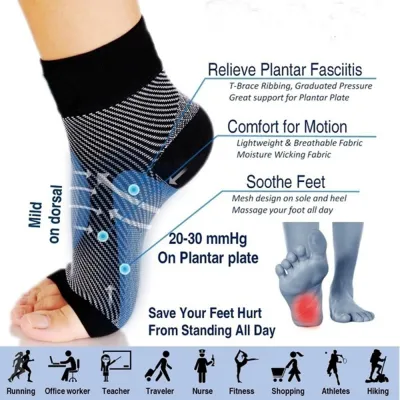
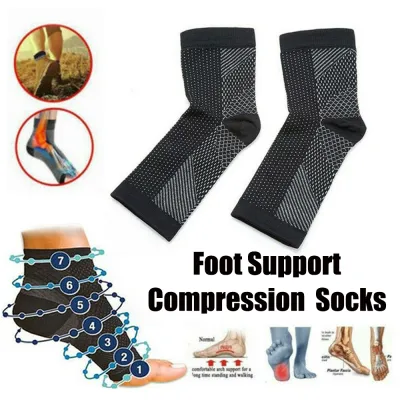
To address plantar fasciitis, you need socks or sleeves designed with targeted zone compression. These garments feature high-tension knit bands that wrap firmly around the arch of the foot. This localized pressure mimics the effects of athletic taping, lifting the plantar fascia slightly to reduce tension at its insertion point on the heel bone.
Products mentioned in this guide
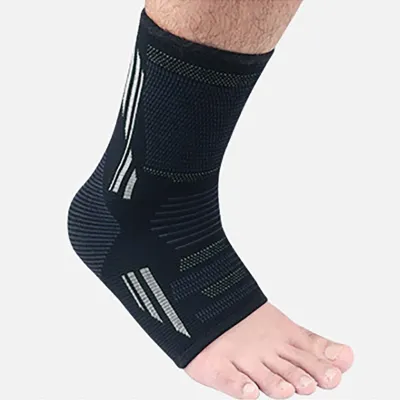
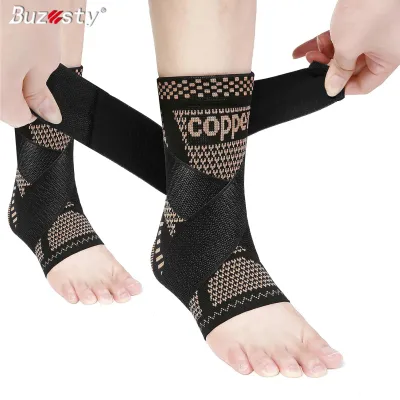
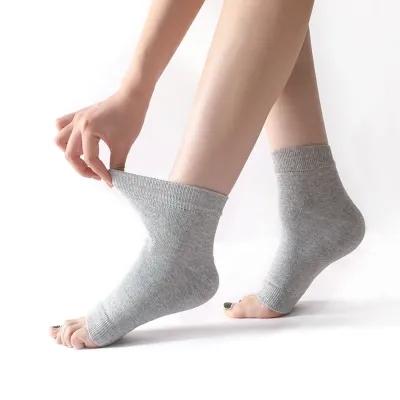
Prices are valid at publication and may change. Please refer to the product page for the latest price.
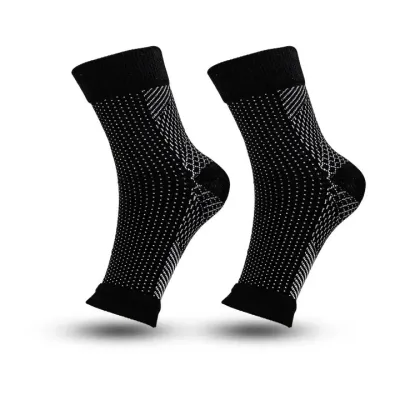
Look closely at the structural features of the sock. A high-quality plantar fasciitis sock will include a reinforced heel cup. This feature helps stabilize the calcaneus (heel bone), preventing excessive lateral movement or pronation that can further stretch and irritate the plantar fascia during running, jumping, or rapid lateral cuts.
Another key design element is the ergonomic arch band. This band should feel noticeably tighter than the rest of the sock, providing upward lift to the medial longitudinal arch. When you flex your foot or land during a stride, this band absorbs a portion of the impact, distributing the load more evenly across the foot.
Athletes must also choose between full-leg compression socks and isolated foot sleeves. Full-leg options extend up to the knee, combining targeted foot support with calf compression. This is highly beneficial if your plantar fasciitis is exacerbated by tight calf muscles or Achilles tendon stiffness, as it addresses the entire posterior chain.
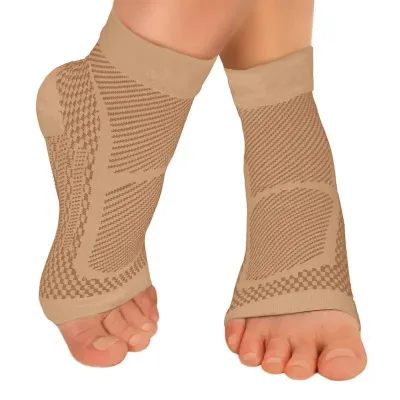
Foot sleeves, on the other hand, cover only the foot and ankle, leaving the toes and calves free. Sleeves are highly versatile because they can be worn under your favorite athletic socks, paired with sandals during recovery, or worn comfortably in hot weather. They focus all compressive force directly on the arch and heel, making them an efficient choice for localized pain.
Getting the Fit Right: Sizing and Compression Levels
The effectiveness of compression gear depends entirely on achieving the correct fit. A sock that is too loose will fail to support the arch, while a pair that is too tight can restrict arterial blood flow, worsen inflammation, and cause nerve compression. Never rely on your standard shoe size when purchasing compression socks, as shoe size does not account for the volume or circumference of your foot and ankle.

To find your correct size, use a flexible measuring tape to take three precise measurements. First, measure the circumference of your arch at its widest point. Second, measure the narrowest part of your ankle, just above the ankle bone. If you are opting for full-calf socks, measure the widest part of your calf muscle as well.
Once you have these measurements, compare them directly to the manufacturer’s specific sizing chart. Keep in mind that sizing standards vary significantly between brands; a “medium” in one brand may correspond to a “large” in another. If your measurements fall between two sizes, consider your primary use: choose the larger size for extended recovery wear or the smaller size for short, high-intensity athletic sessions, provided it does not cause discomfort.
Compression levels are measured in millimeters of mercury (mmHg). For athletic performance and plantar fasciitis support, garments generally fall into two categories: mild (15–20 mmHg) and moderate to firm (20–30 mmHg). Mild compression is suitable for light workouts, daily wear, and long travel recovery.
Moderate to firm compression (20–30 mmHg) is typically recommended for active sports participation. This level of pressure provides the structural rigidity required to keep the arch supported under the dynamic loads of running or court sports. Avoid medical-grade compression (30–40 mmHg) unless specifically prescribed by a sports physician, as improper use can lead to circulatory issues.
During use, monitor your feet closely for physical signs of an improper fit. If you experience numbness, tingling, cold toes, or a change in skin color, the socks are too tight and must be removed immediately. Conversely, if the sock bunches up, slips down the heel, or feels no tighter than a standard sock, it is too loose to provide therapeutic benefit.
Selecting Materials for Tropical Climates and Active Sports
Training in the tropical climate of the Philippines introduces unique challenges for athletic gear. High temperatures and intense humidity lead to heavy sweating, which can quickly compromise the structural integrity of your socks and cause severe skin irritation if the wrong materials are chosen.
Avoid pure cotton socks entirely. Cotton fibers absorb moisture and retain it, leading to heavy, damp socks that stretch out, lose their compression, and increase friction against the skin. Instead, prioritize synthetic blends composed of nylon, polyester, and elastane (spandex or Lycra).
Nylon provides durability and structural strength, ensuring the sock maintains its compressive force over repeated washes. Polyester excels at pulling moisture away from the skin to the outer layer of the fabric where it can evaporate quickly. Elastane provides the necessary stretch and recovery, allowing the sock to conform snugly to the contours of your foot.
Look for socks that feature integrated mesh ventilation panels along the top of the foot. These panels allow heat to escape, keeping your feet cooler during intense training sessions on outdoor courts or humid running trails. Proper ventilation also helps maintain a dry environment inside your shoe, reducing the risk of fungal infections.
In humid conditions, sweat can cause your foot to slide inside your sports shoes, leading to friction and painful blisters. To prevent this, look for compression socks with anti-slip features. Some advanced designs incorporate thin, internal silicone grip patterns or specialized high-friction yarns inside the heel and arch areas to lock the sock in place.
Finally, pay close attention to the toe construction. A seamless toe design is essential for athletes. Standard socks often have a bulky seam across the toes that can rub against your shoes during sudden stops, pivots, or long runs, leading to painful blisters. A seamless finish minimizes friction, allowing you to focus entirely on your movement.
Evaluating Options: A Pre-Purchase Checklist
When shopping on online marketplaces or browsing local sports retail stores in the Philippines, it is easy to get overwhelmed by the sheer volume of options. To ensure you invest in gear that actually aids your recovery, use a structured pre-purchase checklist to evaluate each product.
First, verify the specific structural claims of the product. Look for detailed product descriptions and close-up images that clearly show distinct compression zones. The sock should have a visible, tightly knit band around the arch and a defined heel pocket. Avoid products labeled generically as “compression socks” if they do not explicitly mention targeted arch support or plantar fasciitis relief.
Second, check the material composition. Ensure the fabric blend contains a high percentage of nylon and elastane (typically 15% to 30% elastane for effective compression). Avoid listings that do not disclose the exact material breakdown, as cheap polyester or cotton-heavy socks will quickly lose their elasticity and fail to provide support.
Third, cross-reference your physical measurements with the brand’s sizing guide. Do not assume your size based on previous purchases of different brands. Read customer feedback on online marketplaces specifically to check if other buyers report that the product runs small or stretches out quickly after washing.
Fourth, review the seller’s return and exchange policies. Because compression garments must fit precisely to be effective, there is always a chance you may need to swap sizes. Many online sellers have strict hygiene policies that restrict returns on worn undergarments, so clarify these terms before making a purchase.
Lastly, inspect the washing and care instructions. High-quality compression socks require gentle care to preserve their elastic fibers. Verify if the socks can be machine washed or if they require hand washing and air drying. In tropical climates, air drying away from direct, intense sunlight is highly recommended to prevent the elastane from degrading. When comparing prices in ₱ on local online listings, remember that high-quality materials and engineered compression zones typically command a higher price than basic athletic socks.
Safe Usage and Recovery Boundaries
While compression socks are an excellent tool for managing plantar fasciitis symptoms, they are not a standalone cure. They should be integrated into a comprehensive recovery routine and used safely to avoid masking underlying structural issues or causing secondary injuries.
Establish a clear wear schedule based on your activity levels. Wear your compression socks or sleeves during high-impact training sessions to support the arch and limit micro-tearing of the fascia. You can also wear them for two to four hours immediately after your workout to promote blood flow, reduce localized swelling, and accelerate tissue recovery.
Do not wear high-level compression socks continuously throughout the day and night. Your muscles and ligaments need periods of rest without external support to maintain their natural strength and flexibility. Overusing compression gear can lead to muscle weakness over time, as the foot becomes reliant on the external brace.
Combine compression therapy with active recovery practices. Dedicate time daily to stretching your calves, Achilles tendons, and the plantar fascia itself. Simple exercises, such as rolling the arch of your foot over a frozen water bottle or performing eccentric heel drops on a step, are highly effective at restoring tissue elasticity and reducing pain.
Ensure your athletic footwear matches your foot structure. Compression socks cannot compensate for worn-out shoes or shoes that lack adequate arch support. If you have flat feet or high arches, pair your compression gear with supportive athletic shoes or custom orthotic insoles recommended by a specialist.
Be aware of critical red flags that indicate you need to stop using the gear and seek professional medical attention. If your foot pain worsens progressively, if you experience sharp, shooting pain even while resting, or if you notice persistent swelling, redness, or warmth around the heel, stop using the socks immediately. Consult a sports physiotherapist, podiatrist, or orthopedic specialist to obtain a comprehensive diagnosis and treatment plan.
Frequently Asked Questions (FAQ)
Can I wear compression socks overnight for plantar fasciitis?
Generally, wearing active, high-compression socks overnight is not recommended. When you are lying down, your body is in a horizontal position, which naturally changes your blood circulation dynamics. Active compression garments designed for sports apply firm pressure that can restrict blood flow when your muscles are completely inactive, potentially leading to numbness or cramping.
Always check the manufacturer’s specific guidelines, as some brands produce low-pressure, lightweight sleeves specifically designed for overnight wear. However, if you suffer from severe morning heel pain, a dedicated night splint is usually a safer and more effective option. Night splints physically hold your foot in a gentle, passive stretch overnight, preventing the plantar fascia from tightening up while you sleep, and should be used under professional medical guidance.
Do I need full-calf compression socks or just foot sleeves?
The choice between full-calf compression socks and foot sleeves depends on your specific symptoms, your sport, and your personal comfort preferences. Full-calf socks are highly beneficial for runners, triathletes, and field sports players who experience calf tightness, shin splints, or lower leg fatigue alongside plantar fasciitis. By compressing the entire lower leg, they improve venous return and reduce muscle oscillation throughout the kinetic chain.
Foot sleeves are often preferred by court sports athletes (such as basketball or badminton players) and those training in hot, humid conditions. Sleeves provide highly concentrated, targeted compression directly to the arch and heel without adding heat to the calves. They are also highly compatible with different footwear systems, allowing you to wear your preferred moisture-wicking athletic socks over them, and they fit easily into tighter-fitting sports shoes.
Community discussion
Share your experience or ask a question. Comments are reviewed before publication.