
Building a home gym in the Philippines requires balancing space, budget, and training goals. When selecting dumbbells and barbells from a major local retailer like Toby’s Sports, the key to making a smart investment lies in matching the equipment’s physical specifications to your specific living conditions and fitness routine. Rather than buying the heaviest or most expensive set available, a successful setup depends on verifying material durability, spatial footprints, and mechanical safety features before finalizing your purchase.
Assessing Your Home Gym Space and Training Goals
Before browsing the strength training aisles or online catalog, you must evaluate the physical environment where your equipment will live. In many Philippine homes, particularly high-rise condominiums or second-floor bedrooms in traditional concrete houses, structural floor limits and noise transmission are critical factors. Heavy free weights exert significant localized pressure, meaning you must identify whether your flooring can support dropped weights or if you need to invest in dedicated protective underlayment.
Ceiling height is another frequently overlooked dimension that directly dictates your exercise selection. Standard overhead presses, clean-and-presses, or standing barbell movements require ample vertical clearance, especially if you are tall or using plates with large diameters. Take precise measurements of your designated workout area, factoring in not just the equipment’s static footprint but also the dynamic space required for you to move safely around the bars.
Products mentioned in this guide
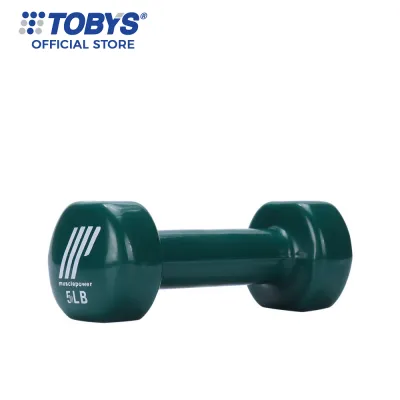
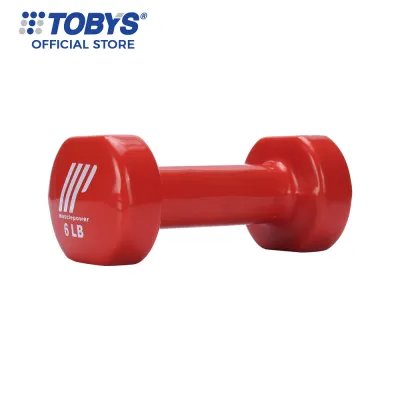
Prices are valid at publication and may change. Please refer to the product page for the latest price.
Your primary training style should directly guide your equipment choices rather than general fitness trends. If your focus is general fitness or high-intensity interval training, highly versatile and space-saving options will serve you better than specialized powerlifting gear. Conversely, if your goal is competitive powerlifting or Olympic weightlifting, you will require specific barbell dimensions and plate materials that can withstand high-velocity drops and heavy loads.
Establishing a realistic budget in ₱ is essential for long-term planning. Free weights are foundational, but they represent only one part of a complete home gym setup. When planning your initial expenses, allocate a portion of your budget for essential safety gear, such as high-density rubber flooring mats, before committing all your funds to premium barbells or heavy dumbbell sets. This balanced approach ensures you build a safe, functional training space from day one.
Selection Criteria for Dumbbells
Dumbbells are the most versatile tools in any home gym, but choosing the right set requires balancing space efficiency, durability, and overall cost. When evaluating the options at Toby’s Sports, you must look closely at how each design fits into your daily routine and physical space. Checking the manufacturer’s specifications for weight increments and handle dimensions will prevent common purchasing mistakes.

Fixed vs. Adjustable Dumbbell Systems
Fixed dumbbells, such as classic rubber hex models, offer unmatched durability and simplicity. Because they have no moving parts, you can drop them safely during intense sets without worrying about mechanical failure. They are ideal for quick drop-sets where you need to change weights instantly. However, a full run of fixed dumbbells requires a substantial amount of floor space and a dedicated rack, which can quickly clutter a small room or condo balcony.
Adjustable dumbbell systems solve the space problem by consolidating an entire rack of weights into a single pair of handles. These systems use dials, pins, or twisting handles to engage different weight plates, making them incredibly compact and cost-effective for progressive overload. The trade-off lies in their mechanical complexity; adjustable models are highly sensitive to impact and should never be dropped. Over time, the selector mechanisms can wear down, requiring careful handling and regular inspection to ensure the plates remain securely locked during overhead movements.
Material, Coating, and Grip Considerations
The materials used in dumbbell construction directly affect their longevity, noise levels, and floor safety. Rubber-coated or urethane-coated dumbbells are highly recommended for home environments because they dampen noise when placed on the floor and protect your tiles or wood laminate from chipping. While bare steel or chrome-finished dumbbells offer a classic look, they can be exceptionally loud and are more prone to showing scratches and surface wear over time.
The design of the handle is just as important as the weight itself. Look for handles with a contoured shape that fits naturally into the palm of your hand, which helps distribute pressure evenly during heavy presses. Pay close attention to the knurling depth—the crosshatched pattern cut into the metal. A moderate knurling provides a secure grip even when your hands are sweaty in the tropical heat, whereas overly aggressive knurling can cause blisters during high-rep sets, and smooth handles can become dangerously slippery.
Selection Criteria for Barbells and Weight Plates
A barbell setup is the centerpiece of strength progression, but it requires careful compatibility checks before purchase. You must ensure that the barbell sleeve diameter matches the hole sizes of your weight plates, as standard one-inch bars will not fit Olympic two-inch plates. Additionally, verifying the tensile strength and weight capacity limits on product labels is crucial for ensuring safety under heavy loads.
Barbell Types and Shaft Specifications
Barbells are engineered for specific movements, and choosing the wrong type can hinder your progress or cause joint discomfort. Powerlifting bars are designed to be stiff and rigid, featuring aggressive knurling to secure your grip during heavy squats, bench presses, and deadlifts. These bars minimize bend, or “whip,” allowing for maximum stability when moving heavy loads in a straight line.
Olympic weightlifting bars, on the other hand, are designed with more flexibility to allow the bar to bend and store elastic energy during dynamic lifts like the clean and jerk. They feature smoother, less aggressive knurling to protect your hands during rapid transitions. The shaft diameter also varies, with power bars typically measuring around 29mm for stiffness, while Olympic bars are often 28mm to allow for a better hook grip.
The rotation mechanism of the barbell sleeves is another critical specification to verify. Bushing sleeves use solid rings of brass or bronze to provide a smooth, controlled spin, making them durable and low-maintenance for general strength training. Bearing sleeves utilize ball or needle bearings to deliver an extremely fast, frictionless spin, which is essential for Olympic lifting to reduce rotational stress on your wrists and elbows.
Weight Plates and Bumper Options
Selecting the right weight plates depends heavily on your training style and your home’s flooring. Cast iron plates are highly cost-efficient and compact, allowing you to fit more weight onto the barbell sleeve. They are excellent for controlled powerlifting movements where the weights are not dropped. However, they are extremely loud and can easily crack concrete or shatter ceramic tiles if dropped without substantial protection.
Rubber bumper plates are constructed from high-density rubber surrounding a steel core, allowing them to be dropped safely from overhead without damaging the floor or the bar. They are essential for Olympic lifting and cross-training, providing excellent noise dampening and shock absorption. The downside is their thickness; bumper plates take up significantly more space on the barbell sleeve, which can limit the maximum weight you can load.
Calibrated plates are precision-machined iron plates designed to meet exact weight tolerances, often within a few grams of their stated weight. While they are highly accurate and incredibly thin, allowing for massive loads on the bar, they are generally unnecessary for most home gyms unless you are actively preparing for a sanctioned powerlifting competition. For general fitness, standard cast iron or rubber-coated plates offer more than enough accuracy.
Building a Condition-Based Shortlist at Toby's Sports
When shopping at Toby’s Sports, matching your current fitness level and space constraints to the right equipment category will streamline your decision-making process. Beginners or those focused on general fitness should look for adjustable dumbbell pairs and standard multi-purpose barbells. This combination provides maximum exercise variety with a minimal physical footprint, allowing you to build a solid foundation without overcrowding your living space.
Intermediate lifters focusing on hypertrophy and progressive overload should prioritize fixed hex dumbbells in key weight ranges alongside a standard Olympic barbell. Fixed dumbbells allow for faster transitions during supersets, while a 20-kilogram Olympic barbell provides the durability needed as your lifting weights increase. Pair these with a mix of rubber-coated iron plates to keep noise levels manageable during early morning or late-night workouts.
Advanced lifters and heavy strength athletes require specialized equipment that can handle extreme forces. If you fall into this category, seek out high-tensile power bars with aggressive knurling, paired with calibrated iron plates or heavy-duty bumper plates. Ensure you also select robust, professional-grade collars to prevent plate slippage during heavy sets, as standard spring collars may not provide sufficient clamping force under high loads.
Before finalizing any purchase, always verify the current stock availability, warranty terms, and heavy-item delivery options directly with Toby’s Sports. Free weights and barbells are exceptionally heavy, and shipping fees can vary significantly based on your location in the Philippines. Confirming whether the store offers home delivery and assembly services for larger items like racks or benches can save you significant logistical hassle.
Inspecting and Maintaining Your Free Weights
Maintaining your free weights is crucial for ensuring their safety and longevity, especially in the humid tropical climate of the Philippines. When your equipment arrives, perform a thorough physical inspection before accepting the delivery. Check the welds on the barbell sleeves and dumbbell handles for any visible cracks or unevenness, and spin the barbell sleeves to ensure they rotate smoothly without grinding.
To prevent rust from developing on exposed metal surfaces, establish a simple cleaning routine. Use a stiff nylon brush to clean sweat, skin cells, and chalk out of the barbell and dumbbell knurling after every workout. Leaving moisture and organic matter in the knurling is the primary cause of surface rust, which can quickly degrade the grip and appearance of your equipment.
Apply a thin coat of manufacturer-approved protective oil to the metal shafts and sleeves every few weeks, wiping off any excess with a clean microfiber cloth. For adjustable dumbbells, regularly check the selector dials or pins to ensure they remain tight and free of debris. Store all your free weights in a well-ventilated, dry area of your home, away from direct sunlight and open windows where rain or humid air can accelerate corrosion.
Frequently Asked Questions (FAQ)
Can I return or exchange weights if they don't fit my space?
Bulky and heavy fitness equipment often falls under strict return policies due to the high cost and logistical difficulty of transporting these items. Before making a purchase, verify the specific return and exchange terms with the retailer, as many stores do not accept returns for heavy weights simply due to space miscalculations. Additionally, if you purchase adjustable dumbbells, opening the safety packaging or breaking the hygiene seals may void your eligibility for a return, making precise pre-purchase measurements absolutely essential.
Do I need a lifting platform for my home gym?
Whether you need a dedicated lifting platform depends entirely on your training style and your home’s flooring. If you plan to perform Olympic lifts or heavy deadlifts where bumper plates will be dropped regularly, a lifting platform constructed from wood and high-density rubber is highly recommended to absorb the impact and protect the subfloor. For general fitness, controlled dumbbell movements, or light barbell work, high-density rubber interlocking mats placed over your existing floor are usually sufficient to prevent scratches and minor dents.
How do I prevent my barbells from rusting in a humid environment?
The high humidity in the Philippines makes metal equipment highly susceptible to oxidation and rust. To protect your investment, avoid storing your barbells in damp areas like open garages or unventilated basements. Wipe down the bar with a dry cloth immediately after use to remove sweat, and apply a light layer of protective oil to the shaft and sleeves at least once a month. Keeping the room well-ventilated or using a dehumidifier in your workout space can also significantly extend the lifespan of your metal equipment.
Community discussion
Share your experience or ask a question. Comments are reviewed before publication.