
Starting a home gym can feel overwhelming with the sheer volume of fitness gear marketed online. To build a highly functional strength training space without overspending, your first purchases must focus on maximum versatility, space efficiency, and progressive resistance. A combination of adjustable dumbbells, a set of high-quality resistance bands, and a sturdy adjustable weight bench forms an excellent foundational setup. This trio allows you to perform hundreds of full-body movements, accommodates strength progression, and fits easily into a corner of a room.
In the Philippines, factors like high humidity and limited indoor space mean you must prioritize rust-resistant finishes, compact footprints, and equipment that can be easily wiped down. Before buying anything, you must evaluate your specific environment, physical limits, and fitness goals to avoid turning expensive gear into clutter.
Assessing Your Space, Budget, and Training Goals
Before browsing online marketplaces, grab a tape measure. You need to evaluate your physical constraints to avoid purchasing oversized or irrelevant gear. Measure the exact floor space where you plan to exercise, and do not forget to check the ceiling height. Overhead movements like shoulder presses or standing dumbbell extensions require significant vertical clearance; a low ceiling can restrict your range of motion or force you to perform these exercises seated. Ensure you have at least a one-meter safety buffer zone around your workout area to prevent bumping into walls or furniture during dynamic movements.
Products mentioned in this guide
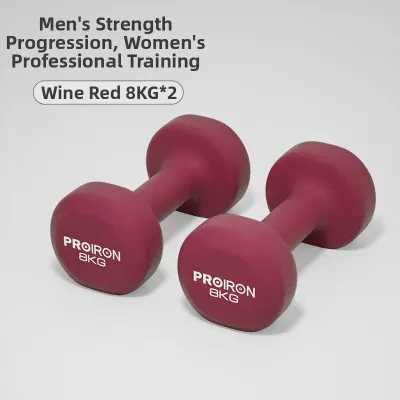
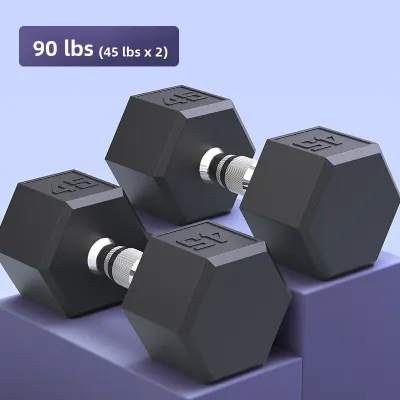
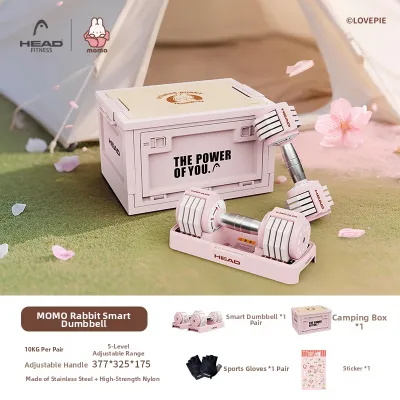
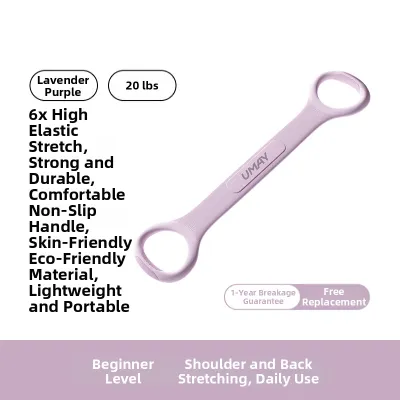
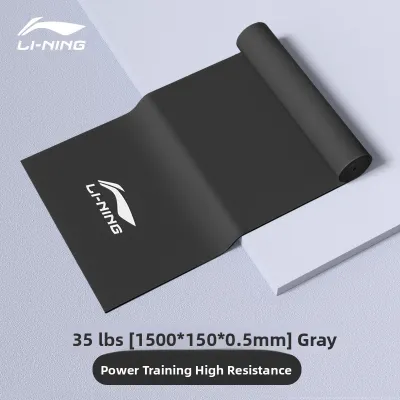
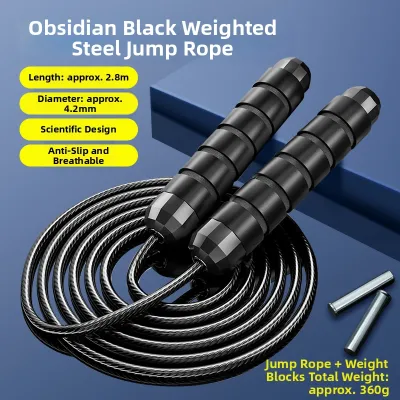
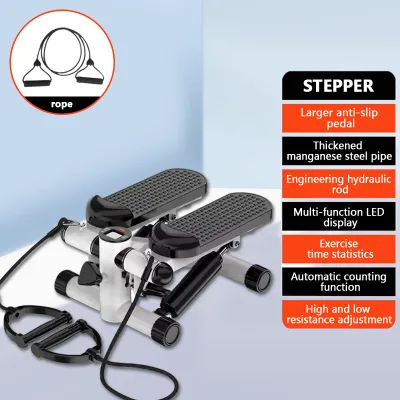
Prices are valid at publication and may change. Please refer to the product page for the latest price.
Next, define your primary training goals. Are you looking to build muscle, improve general fitness, or recover from an injury? If your focus is joint rehabilitation or low-impact mobility, heavy iron weights are secondary to progressive resistance bands. If your goal is muscle hypertrophy or strength development, you must select equipment that allows for progressive overload, meaning you can gradually increase the resistance as your body adapts. Matching your gear to your physical limits and fitness level prevents you from buying advanced equipment that you are not yet ready to use safely.
Finally, establish a realistic starting budget in Philippine Pesos (₱). A modest budget of ₱5,000 to ₱15,000 is more than enough to secure high-quality, safe foundational pieces. It is far better to invest this amount in a single pair of durable, adjustable dumbbells and a stable bench than to buy a cheap, multi-purpose home gym machine that compromises on safety and structural integrity. Setting a clear budget helps you prioritize versatile, long-lasting items over single-use fitness gadgets that often end up unused.
The Foundational Starter Kit: High-Value First Purchases
The most effective home gym is built around the concept of high-value versatility. Instead of buying specialized machines that only target one muscle group, focus on core categories of equipment that allow you to train your entire body. Your initial purchases should facilitate compound movements—such as squats, hinges, presses, and pulls—which engage multiple muscle groups simultaneously and offer a high return on your physical effort.

Prioritize items that offer multiple exercise variations within a compact footprint. In smaller living spaces, every square meter counts. Equipment that can be folded, stacked, or tucked away under a bed ensures your home remains a comfortable living space when you are not training.
Establish strict baseline quality and safety standards for your entry-level gear. Look for solid steel frames, secure locking mechanisms, and non-slip grips. In tropical climates, sweat and high humidity accelerate the rusting process, so prioritize equipment with powder-coated or chrome-plated finishes. Ensuring your gear meets these basic structural standards protects you from equipment failure and prolongs the lifespan of your investment.
Adjustable Dumbbells vs. Fixed Weight Sets
Dumbbells are the undisputed cornerstone of any home strength program, but choosing the right format requires balancing space and progression. Adjustable dumbbells use a single handle with a mechanism to add or remove weight plates, whereas fixed weight sets require a separate pair of dumbbells for every single weight increment.
Compare the footprint and storage requirements of both options. A single pair of adjustable dumbbells replaces up to fifteen individual pairs of fixed dumbbells, saving massive amounts of floor space and eliminating the need for a bulky, multi-tier storage rack. However, adjustable models require a brief setup time to change weights between exercises, which can disrupt the flow of fast-paced workouts or supersets. Fixed dumbbells are instantly ready to lift, making them highly convenient if you have the luxury of a dedicated, spacious workout room.
When evaluating adjustable dumbbells, check the weight increment mechanisms, locking security, and durability indicators. Look for robust locking pins, secure dial systems, or heavy-duty spin-lock collars. Dial-system adjustables are incredibly fast to change but often contain internal plastic gears that can crack if the dumbbells are dropped. Spin-lock collars take longer to adjust but offer superior mechanical simplicity and durability.
Assess the cost-per-kilogram ratio and long-term progression limits. While adjustable dumbbells have a higher upfront cost, they are far more economical than buying a full set of fixed weights as your strength increases. Check the maximum weight capacity of the adjustable set to ensure it can accommodate your long-term strength goals.
Resistance Bands for Versatility and Joint Health
Resistance bands are an incredibly versatile, low-cost addition to any home gym. They provide accommodating resistance, meaning the tension increases as the band stretches, which matches the natural strength curve of your muscles and reduces joint stress at the weakest points of a movement.
Identify the different band types to match your specific training needs. Continuous loop bands (often called power bands) are excellent for assisting with bodyweight exercises like pull-ups, adding resistance to squats, or performing mobility work. Tube bands with detachable handles and door anchors are ideal for replicating cable machine exercises, such as chest flies, lat pulldowns, and face pulls.
Check the material durability, thickness, and tension levels indicated by the manufacturer. High-quality bands are typically made of layered natural latex, which retains its elasticity longer than synthetic rubber. Always inspect your bands before every workout for micro-tears, discoloration, or dry rot. In hot, humid tropical environments, latex can degrade rapidly if stored in direct sunlight or damp areas. A band snapping under high tension can cause severe eye or skin injuries, so replace any band showing signs of wear immediately.
Selecting an Adjustable Weight Bench
An adjustable weight bench elevates your home workouts by allowing you to perform exercises from flat, incline, and decline angles. This versatility is essential for targeting different areas of your chest, shoulders, and back safely.
Verify the manufacturer’s stated maximum weight capacity before purchasing. This rating must include your body weight plus the heaviest weights you plan to lift. For safety, look for a bench with a minimum capacity of 200 to 250 kilograms. A bench that wobbles or flexes under load is highly dangerous and can lead to serious injury during heavy pressing movements.
Check the stability of the base, the density of the padding, and the security of the adjustment mechanism. Look for a bench with a wide rear stabilizer bar and non-slip rubber feet to prevent sliding on tiled or wooden floors. The padding should be firm and dense; soft, cheap foam will bottom out under your body weight, leaving your spine unsupported. Ensure the adjustment pins or ladder slots lock securely into place and cannot slip out during an exercise.
Finally, ensure the bench dimensions fit your body mechanics. The height of the bench from the floor should allow you to plant your feet flat on the ground, which is crucial for maintaining stability and core tension during lifts.
Secondary Additions: When to Expand Your Setup
Once you have established a consistent routine and mastered the foundational movements, you may eventually reach a point where your starter kit limits your progress. Identify strength plateaus or specific exercise limitations that necessitate expanding your setup. For example, if you can easily perform squats with your heaviest dumbbells, your lower body may require heavier external loads to continue adapting.
Before rushing to buy a barbell and iron plates, evaluate your space, floor-load requirements, and safety. A standard Olympic barbell is 2.2 meters long and requires a wide clearance area to load and unload plates safely. Heavy barbell training also requires a power rack or squat stands with safety spotter arms. If you live in an apartment or a multi-story home, you must consider the structural load capacity of your floors. Dropping heavy weights can damage tiles or concrete, so you must invest in thick rubber gym flooring tiles to absorb impact and dampen noise.
Alternatively, consider when bodyweight progression tools become necessary. A wall-mounted pull-up bar or a set of dip bars introduces vertical pulling and pushing movements that are difficult to replicate with dumbbells alone. These additions are highly space-efficient and offer a challenging path for upper-body strength progression without requiring heavy, expensive iron plates.
Common Beginner Mistakes: What to Avoid Buying First
One of the most common mistakes beginners make is purchasing bulky, single-purpose machines. These machines restrict your movement to a fixed path, which prevents your stabilizing muscles from working and limits the variety of exercises you can perform. They also dominate valuable floor space and are incredibly difficult to move or sell if you decide to change your routine.
Skip ultra-cheap, unbranded gear that lacks verified weight capacities, clear safety certifications, or warranty terms. While a cheap bench or dumbbell set may look appealing online, poor welds, thin steel, and low-quality locking collars pose significant safety risks. Inspect the weld quality of any metal equipment; smooth, continuous welds indicate a strong structure, while spotty, uneven welds are prone to cracking under stress.
Reconsider buying excessive weight plates or advanced accessories like lifting straps, knee wraps, or weight belts before you have mastered foundational movement patterns. Using these accessories too early can mask poor form and prevent your grip and core strength from developing naturally. Focus on building a solid foundation with basic, high-quality implements first.
Smart Shopping: Navigating Online and Local Retailers
When shopping for exercise equipment at home, navigating online marketplaces requires a cautious approach. Cross-reference manufacturer specifications with retailer listings to spot discrepancies in weight, dimensions, or materials. Unscrupulous sellers often inflate weight capacities or use stock photos that do not match the actual product.
Check return policies, shipping costs for heavy freight, and local warranty support in the Philippines. Because strength equipment is heavy, shipping fees can sometimes equal or exceed the cost of the item itself. Look for local distributors or physical showrooms where you can inspect the build quality in person before committing to a purchase. A local warranty ensures you can easily source replacement parts or get assistance if a mechanism fails.
Once your equipment is delivered, inspect all items thoroughly for structural defects, missing hardware, or transit damage before assembly. Check for bent steel frames, chipped powder coating (which invites rust in humid climates), and loose bolts. Tighten all connections securely using the proper tools, and perform a dry run with light weights to ensure everything is stable and functioning correctly before your first full workout.
Frequently Asked Questions (FAQ)
Do I need a squat rack for a beginner home gym?
No, a squat rack is not necessary for a beginner. You can build exceptional lower-body strength and muscle using dumbbells and resistance bands for movements like goblet squats, lunges, Bulgarian split squats, and Romanian deadlifts. These exercises place less axial loading on your spine and do not require safety spotters. Invest in a squat rack only when your strength levels exceed your ability to safely lift dumbbells into position, and when you have verified that your ceiling height and floor structure can safely support a heavy steel rack.
How do I maintain and clean my strength equipment?
To protect your investment from the high humidity of the Philippines, wipe down all metal and upholstery surfaces after every workout using a damp microfiber cloth and mild soapy water. This removes corrosive sweat, body oils, and moisture that can degrade vinyl padding and cause steel to rust. Avoid using harsh chemical solvents or bleach, which can strip protective coatings. Regularly inspect adjustable mechanisms, locking pins, and resistance bands for signs of wear, fraying, or loose components. Store your equipment in a dry, well-ventilated indoor space away from direct sunlight.
Can I build muscle using only resistance bands and light dumbbells?
Yes, you can effectively build muscle by manipulating training variables to increase intensity without relying on heavy weights. Focus on increasing your training volume by performing more repetitions and sets, slowing down the tempo of your movements (especially the lowering phase), and reducing rest times between sets to keep your muscles under tension longer. Emphasize strict form and a strong mind-muscle connection to maximize muscle fiber recruitment. Eventually, as your body adapts, you will need to transition to heavier external loads to continue driving long-term hypertrophy.
Community discussion
Share your experience or ask a question. Comments are reviewed before publication.