
Finding the best fat grips in the Philippines requires matching the accessory to your specific training objectives, whether you want to build massive forearms, develop a crushing grip for powerlifting, or safely rehabilitate a wrist injury. Because the tropical climate in the Philippines introduces high humidity and intense sweat during workouts, choosing the right material and diameter is crucial for both performance and safety. By temporarily converting standard barbells, dumbbells, and pull-up bars into thick-handled implements, these simple tools force your hands and forearms to work significantly harder, accelerating muscle activation and joint stability.
Understanding Fat Grip Dimensions and Materials
Thick-bar training has long been a secret weapon of elite strength athletes. When you increase the diameter of a handle, you alter the biomechanics of the lift. A standard bar allows your fingers to overlap, creating a closed-loop grip that relies heavily on mechanical leverage. In contrast, a thicker handle forces your hand into an open-grip position. This change in leverage shifts the mechanical advantage away from your hands, requiring immediate, intense isometric contraction of the forearm muscles just to keep the bar from slipping. This increased muscle recruitment radiates up the arm, activating the biceps, triceps, and shoulder stabilizers through a physiological phenomenon known as motor unit recruitment.
Diameter variations are the primary way to scale the difficulty of thick-grip training. Standard gym bars typically measure between 25mm and 30mm in diameter. Fat grips generally come in three main sizes: 50mm (2 inches), 63mm (2.5 inches), and 75mm (3 inches). A 50mm grip is the industry standard and serves as the most versatile entry point for the majority of lifters. It provides a noticeable challenge without completely limiting the amount of weight you can lift. Moving up to 63mm significantly increases the difficulty, making it ideal for intermediate lifters focusing on grip-specific training. The 75mm variation is an extreme tool, primarily suited for advanced athletes, strongmen, or those performing dedicated grip-only exercises, as it severely limits the load you can handle on standard lifts.
Products mentioned in this guide
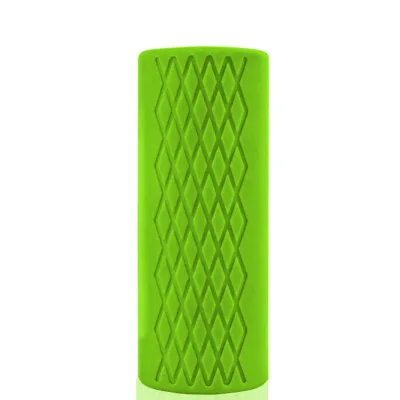
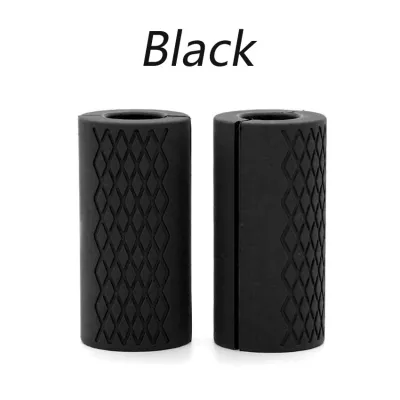
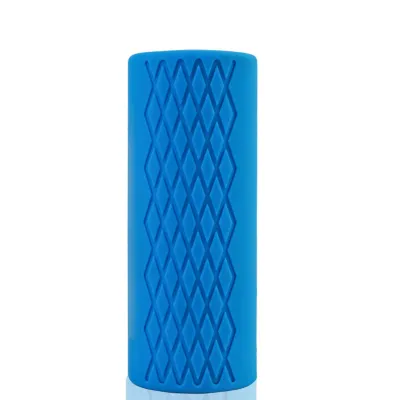
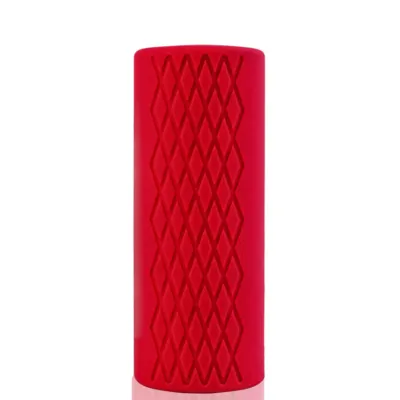

Prices are valid at publication and may change. Please refer to the product page for the latest price.
The material composition of a fat grip directly dictates its durability, safety, and comfort, especially in hot and humid environments. Silicone is widely considered the gold standard for modern grip adapters. High-grade silicone is non-porous, meaning it will not absorb sweat, bacteria, or oils from your hands. This is an essential feature in the Philippines, where high humidity can turn porous materials into breeding grounds for mold and unpleasant odors. Silicone grips are incredibly durable, resistant to tearing, and maintain their shape even under extreme loads.
Solid rubber is another highly durable option. It offers a very firm, non-compressible feel that mimics an actual thick steel bar. However, rubber can be heavier, sometimes carries a strong industrial odor, and can become slick when wet unless it features deep, molded tread patterns. High-density foam is the most budget-friendly option, but it comes with significant drawbacks. Foam is highly compressible; under heavy loads, it squishes down, defeating the purpose of the thick handle and causing energy leaks. Furthermore, foam absorbs sweat like a sponge, making it difficult to clean and prone to rapid degradation in tropical climates.
Before purchasing, it is essential to check the manufacturer’s specifications regarding the inner diameter of the grips. Most standard adapters are designed with an inner diameter of approximately 25mm to 28mm, which allows them to snap snugly onto standard and Olympic barbells. If you plan to use them on specialized equipment, home gym pull-up bars, or thick-handled dumbbells, measuring the bar first prevents the frustration of buying a grip that cannot close fully or slips during use.
Matching Fat Grips to Your Training Goals
Selecting the right fat grips is not a one-size-fits-all decision. Your choice must align directly with your primary physiological objective, whether that is neurological adaptation, muscular hypertrophy, or joint recovery. Different training goals demand distinct levels of material compressibility, outer diameter, and surface texture. By understanding how these physical properties interact with your body, you can avoid premature grip fatigue and ensure that your accessory supports, rather than hinders, your overall progress.

Maximizing Grip Strength and Endurance
For powerlifters, martial artists, and strength athletes, the primary goal of thick-bar training is to build a crushing, unyielding grip that translates to heavy deadlifts, carries, and athletic performance. To achieve this, you must prioritize high-density, non-compressible materials. Solid rubber or ultra-firm silicone grips are ideal because they do not yield under pressure. When you perform a heavy static hold or a farmer’s walk, any compression in the grip material creates an energy leak. This means some of your muscular effort is wasted compressing the material rather than transferring directly to the bar, reducing the neurological demand on your hands.
To maximize strength, you should opt for larger diameters, typically starting at 63mm and progressing toward 75mm if your hand size allows. These larger sizes force your fingers into an extreme open-hand position, heavily taxing the central nervous system and the finger extensors. This intense neurological stimulus forces rapid adaptations in grip endurance and raw holding power.
However, you must recognize the physiological limit where grip failure begins to compromise your primary lifts. If you attempt to use a 75mm grip during a heavy deadlift session, your grip will likely fail long before your hamstrings, glutes, and back are fully stimulated. To prevent this, use these ultra-thick grips selectively. Incorporate them during warm-up sets, accessory movements like rows and shrugs, or dedicated grip-only training blocks, rather than letting them limit your main compound lifts.
Targeting Forearm Hypertrophy
If your primary goal is to build muscular, vascular forearms, your training focus shifts from raw neurological output to maximizing muscle time-under-tension and metabolic stress. For hypertrophy, moderate diameters—specifically around 50mm (2 inches)—are highly effective. This size is thick enough to recruit the forearm muscles intensely but small enough to allow you to complete higher repetition ranges, typically between 8 and 15 reps, without your hands giving out prematurely.
In the Philippines, where high humidity is a constant factor in both commercial and home gyms, evaluating the surface texture of the grips is critical for hypertrophy work. High-volume training produces significant sweat, which can cause smooth silicone or rubber grips to slip. Look for grips featuring cross-hatched, knurled, or deeply textured surfaces. These patterns channel sweat away from the contact points, maintaining high friction and allowing you to focus entirely on squeezing the target muscles rather than struggling to keep a grip on a slippery accessory.
The key to forearm growth is balancing the thickness so that the target muscles reach local muscular fatigue before your grip completely fails. When performing isolation movements like bicep curls, reverse curls, or hammer curls, a 50mm grip ensures that your forearms and brachioradialis are thoroughly fatigued by the end of the set, triggering the metabolic stress and micro-tears necessary for muscle growth.
Supporting Rehabilitation and Joint Health
Thick-handled training is not only for building massive strength; it is also an excellent tool for managing joint discomfort and rehabilitating from injuries like tennis elbow (lateral epicondylitis), golfer’s elbow (medial epicondylitis), or mild wrist strains. When you grip a standard thin bar tightly, the force is concentrated over a very small surface area, which can place acute, localized pressure on the carpal tunnel, finger joints, and tendons.
For rehabilitation and joint health, you should opt for softer, slightly compressible materials. High-quality, medium-density silicone or specialized rubber grips that offer a small amount of give are ideal. This slight compressibility helps distribute the squeezing force more evenly across the entire palm of your hand, reducing localized pressure points and easing the strain on your wrists and elbows.
Additionally, you should use smaller diameter increments when starting your recovery journey. Instead of jumping straight to a 50mm grip, look for slimmer adapters that increase the bar diameter to around 40mm or 45mm. This subtle increase gently alters the joint angles and muscle recruitment patterns, allowing you to rebuild tendon tolerance and joint stability without overloading your nervous system or aggravating inflamed tissues.
Safety is paramount during recovery. Always consult a physical therapist or a qualified medical professional before introducing thick-handled implements to a rehabilitation protocol. They can help you determine the appropriate timing, volume, and load to ensure your training supports healing rather than causing further irritation.
Key Features to Check Before Buying
Before purchasing a pair of fat grips, taking precise measurements of your existing gym equipment is a critical step. Use a caliper or a simple tape measure to find the exact outer diameter of your dumbbells, barbells, and pull-up bars. While standard Olympic bars are typically 28mm to 30mm, many home gym barbells, adjustable dumbbells, and cable machine attachments can range from 25mm to 32mm. If the inner diameter of the fat grip does not match your bar, the grip will either fail to close completely—leaving a dangerous gap—or it will slide and spin during your exercises, creating a severe safety hazard.
Another practical feature to evaluate is the design of the grip, specifically split-design versus solid-cylinder models. Split-design grips feature a single slit running down the length of the cylinder, allowing you to pry the grip open and snap it onto any part of a bar in seconds. This design is highly recommended for standard workouts, especially if you plan to perform supersets or drop sets where you need to transition the grips quickly between different pieces of equipment. Solid-cylinder designs, which lack a slit and must be slid onto the bar from the ends, are highly impractical for standard barbells and dumbbells, though they are occasionally found on specialized cable attachments.
Budget is also an important consideration for fitness enthusiasts in the Philippines. High-quality silicone fat grips generally range from ₱500 to ₱1,500 per pair on local online marketplaces and sports retailers. While you may find cheap foam alternatives priced under ₱300, they are often a poor investment. The intense humidity and heat in local gyms cause cheap foam to degrade rapidly, losing its shape, absorbing sweat, and tearing within a few months of regular use. Investing a bit more in a durable, non-porous silicone pair ensures a long lifespan, excellent hygiene, and consistent performance, making it the more economical choice in the long run.
Safe Usage and Progression Guidelines
Transitioning to thick-bar training requires a structured, cautious approach to prevent acute injuries and chronic overuse issues. The most common mistake lifters make is attempting to use their normal working weights immediately after attaching fat grips. Because thick handles drastically reduce your mechanical advantage, your hands and forearms must work exponentially harder. To allow your connective tissues, tendons, and small stabilizing muscles in your hands and wrists to adapt, you must start with significantly lighter loads. A good rule of thumb is to reduce your working weight by 30% to 40% for any exercise where you introduce fat grips, gradually scaling the weight back up over several weeks as your grip strength improves.
You must also remain highly sensitive to the warning signs of overuse. Unlike muscle soreness, which is a normal part of training, sharp pain, burning sensations in the tendons, or numbness and tingling in your palms, wrists, or elbows are clear indicators of nerve compression or tendon strain. If you experience any of these symptoms, stop the exercise immediately. Continuing to train through joint or tendon pain can lead to chronic conditions like tendonitis, which can sideline your training for months.
Finally, for your safety, avoid using fat grips on highly unstable movements, overhead presses, or any exercise where a dropped weight poses a severe crush hazard. For example, using fat grips on a heavy bench press, overhead tricep extension, or military press is extremely dangerous. If your grip fails unexpectedly during these movements, the bar can fall directly onto your chest, neck, or head, causing catastrophic injury. Keep your fat grip training restricted to pulling movements (such as rows, deadlifts, and pull-ups), carrying exercises (like farmer’s walks), and controlled isolation movements (like bicep curls and tricep pushdowns) where a sudden grip failure simply results in the weight dropping safely to the floor.
Frequently Asked Questions (FAQ)
Can I use fat grips for all upper body exercises?
No, fat grips are not suitable for all upper body exercises, and using them universally can be highly dangerous. You should avoid using them on heavy, dynamic, or highly unstable lifts where grip failure could result in severe injury. This includes exercises like the bench press, overhead press, clean and jerk, and snatch. On these movements, the risk of dropping the weight far outweighs any potential forearm training benefit. Instead, restrict your use of fat grips to safe, controlled exercise categories. The most effective movements for thick handles are static holds (such as farmer’s walks), controlled pulling movements (like barbell rows, lat pulldowns, and pull-ups), and isolation exercises (such as bicep curls, hammer curls, and tricep pushdowns) where a dropped weight can be managed safely.
Do fat grips replace dedicated grip strengtheners?
Fat grips do not replace dedicated grip strengtheners, as they target different aspects of hand and forearm strength. Fat grips primarily provide an isometric training stimulus; they require you to hold a static, open-handed position under tension for an extended period. This is excellent for building support grip endurance and overall forearm mass. In contrast, dedicated grip tools—such as spring-loaded hand grippers, pinch blocks, and finger bands—train dynamic crushing power, pinching strength, and finger extension through a full range of motion. To build a truly comprehensive and functional grip, you should integrate both tools. Use fat grips during your main lifting sessions on pulling and isolation days, and use dedicated hand grippers on off-days or at the very end of your workouts to build active closing power, ensuring you monitor your total training volume to prevent overtraining.
Community discussion
Share your experience or ask a question. Comments are reviewed before publication.