
To choose the right Frenzel dive mask and fins for snorkeling and diving in the Philippines, you must match the gear’s design to your specific water activity, experience level, and the unique marine environments you plan to explore. For casual surface snorkeling in calm, shallow sanctuaries, a wide-view, high-volume mask paired with flexible, full-foot fins provides the most comfortable, low-fatigue experience. If you are progressing to recreational scuba diving or freediving along deep walls and channels, a low-volume mask and stiffer, open-heel fins paired with neoprene dive boots offer the necessary hydrodynamics and propulsion to navigate moderate currents safely.
While Frenzel offers accessible, durable equipment suitable for tropical waters, gear is ultimately a tool that cannot replace proper training, physical fitness, and sound ocean judgment. Before entering the water, always assess local weather conditions, tidal currents, and your personal swimming limits. Ensuring your equipment fits perfectly and matches your skill level is the first step toward a safe and memorable underwater adventure.
Understanding Frenzel Gear for Philippine Waters
The Philippines boasts some of the most biodiverse marine environments in the world, characterized by warm tropical waters typically ranging from 26°C to 30°C. From the shallow coral gardens of Puerto Galera to the deep drop-offs of Tubbataha, the conditions you encounter can vary dramatically. While surface waters are often calm and inviting, tidal changes can generate sudden, moderate currents along reef edges. Snorkeling and diving here also frequently involve boarding and exiting traditional motorized outrigger boats, known locally as bangkas, which require gear that can withstand tight packing and physical impact.
Products mentioned in this guide
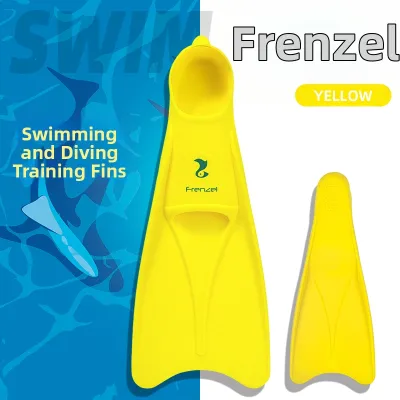
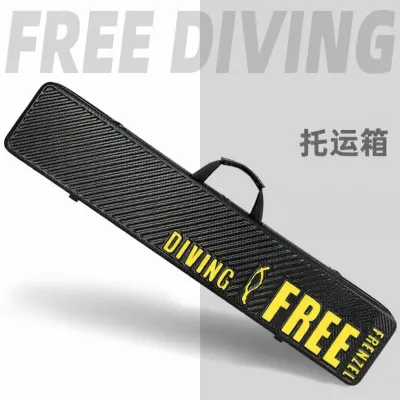
Prices are valid at publication and may change. Please refer to the product page for the latest price.
Frenzel has established itself as a popular brand among local water sports enthusiasts and vacationers by balancing affordability, durability, and functional design. The brand focuses on recreational-grade equipment, making it highly accessible for hobbyists who want reliable gear without the premium price tags of specialized technical brands. For those planning multi-island itineraries, having personal gear that fits correctly is far more comfortable and hygienic than relying on worn-out rental equipment from beachside shops.
Matching your gear to these local conditions is critical for both personal safety and environmental protection. Strong equatorial sunlight can rapidly degrade low-quality plastics, while high-salinity seawater accelerates the corrosion of metal buckles and stiffens cheap rubber. Furthermore, poorly fitting fins can cause physical exhaustion when fighting mild currents, while oversized fins can lead to accidental contact with fragile, slow-growing coral reefs. Investing in the right configuration ensures you remain comfortable, in control, and environmentally conscious throughout your trip.
How to Choose the Right Frenzel Dive Mask
Fit and Seal
The most critical factor when selecting any dive mask is how well it seals against your face. Frenzel masks utilize high-grade silicone skirts, which are more supple and resilient than cheaper PVC alternatives, allowing them to conform to various facial shapes. A proper seal keeps water out and prevents constant clearing, which can ruin a snorkeling session and cause unnecessary panic underwater.

To determine if a specific Frenzel mask fits your face before buying, you should perform a simple, reliable test known as the “inhale test”:
- Clear any hair away from your forehead and cheeks, as even a few strands can break the seal.
- Look slightly upward and place the mask gently on your face without using the strap.
- Inhale gently through your nose and hold your breath.
- If the mask suctions firmly to your face and does not fall when you look down, the fit is correct.
- Check for any pressure points, particularly on the bridge of your nose or the forehead, which could cause discomfort during prolonged use.
Volume and Field of View
Mask volume refers to the amount of air trapped inside the mask frame. Low-volume masks sit closer to your face, reducing the pocket of air you need to equalize as you dive deeper. They are exceptionally easy to clear if water leaks inside and are the preferred choice for freedivers and advanced snorkelers who frequently dive below the surface. However, the close proximity of the lenses can sometimes feel slightly restrictive to beginners.
High-volume or wide-view masks feature larger frames and side windows, offering an expansive, panoramic view of the reef. These are ideal for entry-level snorkelers and scuba divers who prioritize situational awareness and a bright, open feel. The trade-off is that they require more effort and air to clear of water, and they present more drag when swimming underwater.
Lens Type and Construction
For safety, always verify that the mask lenses are made of tempered glass. Tempered glass is highly resistant to scratching, handles pressure changes at depth, and, in the rare event of a high-impact break, shatters into small, blunt pieces rather than sharp shards. Look for a small “T” or “Tempered” engraving on the corner of the lens.
Frenzel offers both single-lens and dual-lens configurations. Single-lens designs provide an uninterrupted view across the bridge of your nose, which many snorkelers prefer for a seamless visual experience. Dual-lens masks have a central frame division but are highly versatile because they can often accommodate prescription lens inserts, making them the practical choice for swimmers who wear glasses.
Strap and Buckle System
When adjusting your mask on a moving bangka or in choppy surface waters, a reliable strap and buckle system is invaluable. Look for Frenzel models equipped with quick-release buckles that allow you to adjust the tension with a single squeeze, even while wearing thin gloves. The strap itself should be wide and split at the back to distribute pressure evenly across the crown of your head.
For added comfort, consider adding a neoprene strap wrapper. These soft covers slide over the silicone strap, preventing it from pulling or tangling in long hair, and they make putting on and taking off the mask significantly easier during active island-hopping tours.
Selecting Frenzel Fins Based on Skill Level and Use Case
Full-Foot vs. Open-Heel
Full-foot fins feature a soft, enclosed rubber pocket that wraps entirely around your heel, designed to be worn barefoot or with thin neoprene socks. They are lightweight, highly flexible, and easy to pack, making them the standard choice for warm-water surface snorkeling, sandy beach entries, and casual boat trips. However, because they offer no sole protection, walking across hot sand, rocky shallows, or sharp coral rubble to reach the water can be difficult and painful.
Open-heel fins feature an adjustable strap at the back and are designed to be worn with thick-soled neoprene dive boots. This setup is highly recommended for scuba diving and shore entries where you must walk over sharp rocks, volcanic sand, or near sea urchins. The boots protect your feet on land and inside the fin, while the adjustable straps allow you to fine-tune the tightness. The primary downside is that the combination of open-heel fins and boots is heavier, bulkier, and more expensive than a simple full-foot setup.
Blade Stiffness and Material
Fin blades are typically made from mixtures of plastic, rubber, or composite materials, which dictate how stiff or flexible they are. Beginners and casual surface snorkelers should opt for soft, highly flexible blades. These require very little leg strength to flex, reducing the risk of painful calf cramps and muscle fatigue during long sessions in the water.
Stiffer blades are designed for experienced snorkelers, freedivers, and scuba divers who need to generate significant thrust. If you are diving in areas known for moderate currents, such as the channels around Apo Island, a stiffer blade allows you to swim efficiently against the water flow. However, using stiff fins without proper leg conditioning and kicking technique (such as the frog kick or long, slow flutter kicks) will quickly exhaust your muscles.
Travel and Portability
If your itinerary involves taking small domestic flights with strict baggage weight limits, or riding on crowded public vans between coastal towns, portability is a major factor. Standard long-blade freediving fins can be incredibly difficult to pack and are prone to bending or snapping if compressed in soft luggage.
For travel-heavy trips, look for Frenzel’s short-blade or compact snorkeling fins. While short fins do not provide the same top-end speed or thrust as long-blade models, they are highly maneuverable in tight spaces, fit easily into standard carry-on backpacks, and are perfectly adequate for casual reef exploration in calm bays.
Matching Gear to Your Snorkeling and Diving Profile
The Beginner Snorkeler
If your primary goal is to float comfortably on the surface and observe marine life in shallow, protected areas like the coral gardens of Coron, your priority is comfort and ease of use.
- Mask: A wide-view, single-lens Frenzel mask with a soft silicone skirt that minimizes facial pressure.
- Fins: Lightweight, flexible, full-foot fins that fit snugly barefoot without rubbing against your heels.
- Price Range: Entry-level setups generally range from ₱1,200 to ₱2,500, offering excellent value for seasonal vacationers.
The Recreational Scuba Diver
For certified divers exploring deeper reefs, shipwrecks, and wall sites, your gear must be durable, highly hydrodynamic, and compatible with protective thermal wear.
- Mask: A low-volume, dual-lens Frenzel mask that is easy to equalize and clear at depth, featuring a dark silicone skirt to reduce side glare.
- Fins: Durable, open-heel fins paired with 3mm or 5mm neoprene dive boots to protect your feet during rocky entries and provide strong propulsion.
- Price Range: Mid-range scuba setups typically fall between ₱3,000 and ₱6,000, depending on the specific fin construction and boot compatibility.
The Island-Hopping Traveler
If you are constantly moving from one island to another, packing and unpacking your gear daily, you need a setup that is highly portable, quick-drying, and resilient to rough handling.
- Mask: A compact, low-volume mask that can fold relatively flat, stored inside a hard protective travel case.
- Fins: Short-blade, lightweight travel fins that fit easily into a standard daypack.
- Price Range: Travel-optimized packages usually range from ₱2,000 to ₱4,000, focusing on lightweight materials and space-saving designs.
Pre-Purchase Checklist
Before finalizing your purchase of Frenzel gear, take a moment to verify these critical details on the packaging, product labels, or with the authorized retailer:
- Silicone Markings: Ensure the mask skirt is labeled as 100% liquid silicone, rather than a cheaper siliate or PVC blend, to guarantee long-term flexibility and seal integrity.
- Tempered Glass Logo: Double-check that the lenses feature the permanent "Tempered" or "T" stamp.
- Size Charts: When buying fins, do not rely solely on your standard shoe size. Consult the manufacturer's specific millimeter or centimeter size chart, especially if you plan to wear dive boots, which require sizing up the fin pocket.
- Warranty and Spare Parts: Confirm the retailer's return policy and ask if replacement straps, buckles, or fin keepers are readily available in case of wear and tear.
Care and Maintenance for Tropical Diving Gear
To maximize the lifespan of your Frenzel masks and fins, you must protect them from the harsh combination of salt, heat, and intense ultraviolet (UV) radiation common in tropical climates. Simple, consistent maintenance steps will keep the silicone pliable and prevent the plastic components from becoming brittle.
First, always rinse all of your gear thoroughly with clean, fresh water as soon as possible after every saltwater session. Saltwater leaves behind tiny salt crystals as it evaporates, which can act like sandpaper on silicone seals, jam quick-release buckles, and cloud the mask lenses. If fresh water is limited on a boat, a quick splash from a water bottle is better than leaving the salt to dry on the gear.
Second, dry your equipment completely in a shaded, well-ventilated area. Never leave your mask or fins sitting in direct midday sunlight on a boat deck or beach towel. Intense UV rays degrade silicone rapidly, causing clear skirts to turn yellow and brittle, and can warp plastic fin blades.
Finally, store your gear properly both during transit and when you return home. Avoid placing heavy luggage, tanks, or lead weights on top of your fins, as this can permanently bend or warp the blades, ruining their hydrodynamic efficiency. Keep your mask in its original hard plastic protective case to prevent the silicone skirt from being crushed out of shape, and store everything in a cool, dry closet away from direct sunlight and household chemicals.
Frequently Asked Questions (FAQ)
Can I use scuba diving fins for snorkeling in the Philippines?
While you can physically use scuba diving fins for surface snorkeling, it is generally not recommended for casual swimmers. Scuba fins are designed to be stiffer and heavier to push a diver carrying heavy tank equipment through deep water, which requires significant leg strength and specific kicking techniques.
Using these heavy fins on the surface can quickly lead to severe fatigue, muscle cramps, and exhaustion. Furthermore, their bulk makes them difficult to pack for light travel, and they increase the risk of accidentally kicking and damaging fragile shallow-water corals. For surface snorkeling, lightweight, flexible fins designed specifically for surface use are much more comfortable and safer.
How do I prevent my Frenzel dive mask from fogging up?
New dive masks fog up because of a thin layer of silicone residue left on the tempered glass lenses during the manufacturing process. To prevent this, you must first prep the mask by gently scrubbing the inside of the dry lenses with a mild, non-abrasive dish soap or basic white toothpaste (avoid gel toothpastes or those with harsh whitening beads) using your clean fingertip, then rinsing it thoroughly. Always check the manufacturer’s care instructions first, as some modern lenses feature specialized anti-fog coatings that can be permanently scratched or stripped by abrasive cleaners.
Before every dive or snorkel session, apply a small drop of commercial defogging solution, diluted baby shampoo, or even clean saliva to the dry inner lenses. Rub the solution across the glass, give it a very quick rinse in fresh or salt water, and place the mask directly onto your face. Avoid touching the inside of the lenses after rinsing, as oils from your fingers will cause the fog to return.
Community discussion
Share your experience or ask a question. Comments are reviewed before publication.