
To safely transition between heavy bag strikes, pad work, and functional gym exercises, you need a specialized hybrid conditioning glove rather than a standard weightlifting grip glove. In hot, humid training environments, selecting the wrong gear can lead to painful knuckle scrapes, wrist strain, or rapidly deteriorating equipment. Proper striking technique and structured training remain your primary line of defense against injury, but the right glove acts as a critical buffer.
Choosing the correct gear requires understanding how different gloves protect your hands while allowing you to grip gym equipment. This guide will help you identify the key features of high-quality hybrid gloves, match them to your specific workout routine, and maintain them to withstand intense, sweaty training sessions.
Defining "Grip Gloves" for Striking and Heavy Bag Use
In the fitness world, the term “grip gloves” can refer to several distinct types of protective gear. For martial arts conditioning, it is crucial to distinguish between weightlifting grip gloves, mixed martial arts (MMA) grappling gloves, and hybrid conditioning gloves. Weightlifting gloves are designed solely to protect the palms from friction against metal barbells, pull-up bars, and dumbbells. They typically feature thin, rubberized palm pads and completely exposed fingers and knuckles, offering zero protection against impact.
Products mentioned in this guide
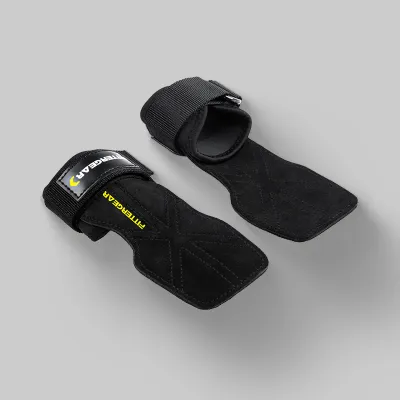
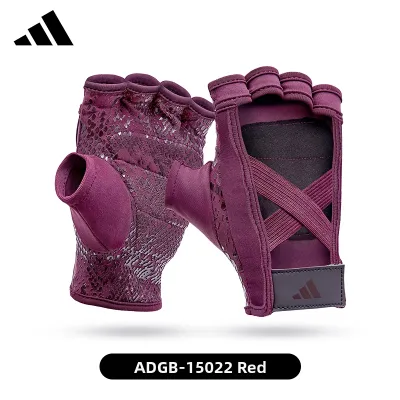
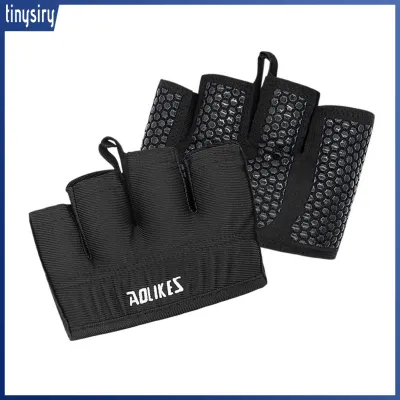
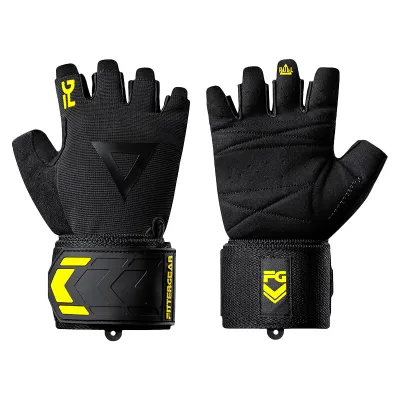
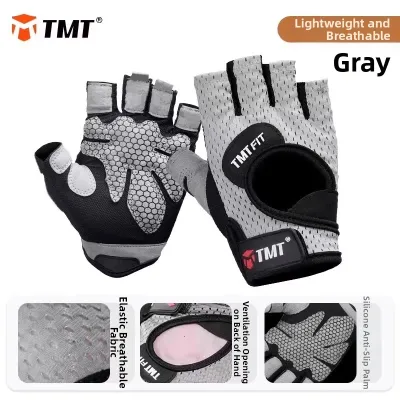
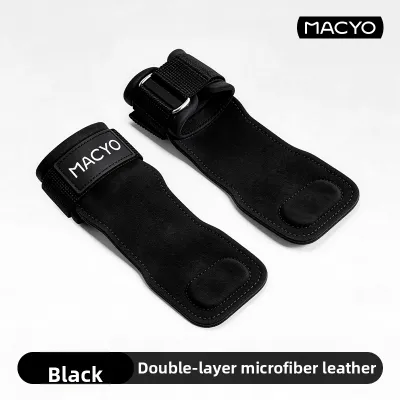
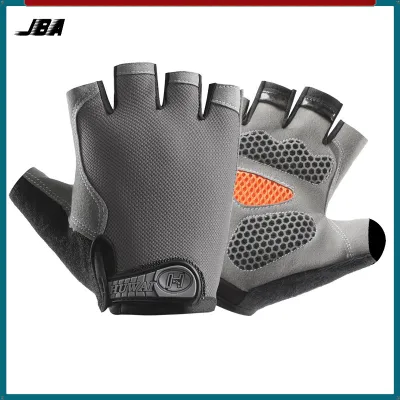
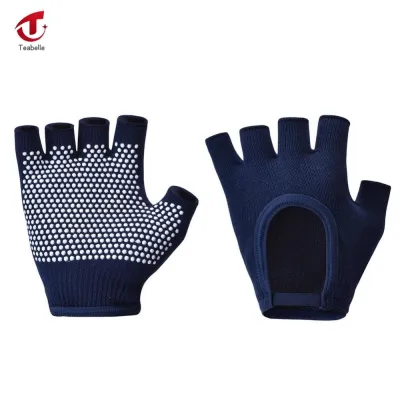
Prices are valid at publication and may change. Please refer to the product page for the latest price.
Using standard lifting gloves for heavy bag strikes poses a high risk of hand injury. When your knuckle strikes a dense heavy bag, the impact force travels directly into the small bones of your hand. Without dedicated padding to disperse this shock, you risk bruising, skin tears, and joint misalignment. Furthermore, lifting gloves do not provide the wrist support necessary to keep your hand aligned during a punch, which can lead to painful wrist sprains.
Hybrid martial arts conditioning gloves bridge the gap by combining a textured palm grip with dense, integrated foam padding over the knuckles. These gloves feature a semi-open palm or segmented finger design, allowing you to maintain the finger mobility needed to grip gym ropes, medicine balls, or barbells. The baseline requirement for safe bag work is a glove with at least half an inch of high-density foam padding over the primary knuckles, paired with a secure wrist strap that stabilizes the joint without restricting your natural fist-making ability.
Key Features to Check for Heavy Bag and Pad Work
When shopping for gym grip gloves, you must evaluate specific physical and material features to ensure they can handle the demands of striking and conditioning. The most critical component is the knuckle padding. Look for multi-layered foam or high-density gel inserts designed specifically for shock dispersion. You can verify the padding density by pressing firmly on the knuckle area with your thumb; the padding should resist bottoming out and quickly spring back into shape.

The palm material and grip texture are equally important, especially if your workouts involve holding focus mitts, Thai pads, or handling gym ropes. Look for gloves featuring textured synthetic leather, silicone grip patterns, or reinforced microfiber palms. These materials provide the friction necessary to hold pads securely against a training partner’s strikes without slipping, while also protecting your palms during floor exercises like push-ups or mountain climbers.
Wrist closure systems are your primary defense against joint buckling. While professional boxers use lace-up gloves for maximum customization, gym conditioning requires the convenience of hook-and-loop straps. Look for a wide, thick single-strap or a dual-strap system that wraps fully around the wrist joint. The strap should feel rigid enough to prevent your wrist from bending backward or sideways upon impact, yet flexible enough to allow a comfortable range of motion during non-striking exercises.
In tropical climates, breathability and moisture-wicking properties are essential for both comfort and gear longevity. High humidity and intense sweat accelerate the breakdown of glove materials and create a breeding ground for odor-causing bacteria. Prioritize gloves with mesh palms, perforated finger panels, and inner linings made from quick-drying synthetic fabrics. These features help channel sweat away from your skin, keeping your hands dry and improving your grip on gym equipment.
Matching Glove Styles to Your Gym Scenarios
Your choice of glove style should align directly with the primary activities in your training routine. If your workouts focus heavily on heavy bag training, your main priorities are shock absorption, knuckle coverage, and wrist stability. For this scenario, look for a heavier hybrid glove or a dedicated bag glove with a closed-thumb design and thick, continuous padding across the entire punching surface. Finger dexterity is less critical here, as your main goal is protecting your hands from repetitive, high-impact forces.
For workouts centered on pad work and mitt training, you need to balance knuckle protection with tactile feedback and hand speed. A lighter, open-palm MMA-style training glove is highly effective for this purpose. The open-palm design allows your hands to stay cooler and provides better sensory feedback when catching kicks or adjusting your grip on focus mitts. The reduced weight also helps you maintain fast hand speed during rapid punching combinations.
If your routine consists of mixed conditioning—such as alternating between heavy bag intervals, kettlebell swings, battle ropes, and bodyweight movements—versatility is key. Look for hybrid cross-training gloves that feature segmented knuckle padding and a fully open palm with rubberized grip zones. This design allows you to transition seamlessly from striking the bag to gripping a kettlebell handle or performing pull-ups, without the hassle of constantly taking your gloves on and off.
How to Verify Fit and Material Quality Before Buying
To ensure your gloves perform safely and endure rigorous gym use, you must verify the fit and construction quality before committing to a purchase. Start by measuring your hand circumference accurately. Wrap a flexible measuring tape around your dominant hand just below the knuckles, excluding the thumb. Compare this measurement directly to the manufacturer’s specific sizing chart, as sizing can vary significantly between different brands.
Next, inspect the seam reinforcement in high-stress areas. Pay close attention to the stitching around the thumb crotch, the base of the fingers, and the edges of the wrist strap. High-quality gloves feature double-stitched seams or reinforced piping to prevent the material from splitting under the tension of making a fist or the impact of striking a bag. Avoid gloves with loose threads, uneven stitching, or raw, unhemmed material edges.
Perform a physical fist test to assess the flexibility of the grip surface. Put the glove on, secure the wrist strap, and make a tight fist. The palm material should lie relatively flat against your hand without bunching up excessively, which can cause painful pinching or blisters during training. The knuckle padding should remain centered directly over your primary knuckles; if it shifts to the side or exposes your joints when you close your hand, the glove is either poorly designed or the wrong size.
Care, Maintenance, and When to Replace Your Gloves
Dry your gloves thoroughly after every training session to prevent odor buildup and material degradation. In humid environments, leaving damp gloves inside a dark gym bag is a recipe for mold and bacteria growth. Hang your gloves in a well-ventilated indoor area away from direct sunlight, as extreme heat and UV rays can dry out and crack both synthetic and genuine leather. You can also insert glove dogs or cedar chips to help absorb moisture and maintain the glove’s shape.
Clean the exterior and interior of your gloves regularly using safe, non-abrasive methods. Wipe down the surfaces with a damp microfiber cloth and a mild, diluted soapy water solution. Avoid harsh chemical detergents or submerging the gloves entirely in water, as this can ruin the internal foam padding. Always check the manufacturer’s care label for specific cleaning instructions, and never put your training gloves in a washing machine or tumble dryer.
Inspect your gloves weekly for visual and tactile warning signs of wear. Feel the knuckle padding to ensure it has not compressed, shifted, or bottomed out. If you can feel the hard surface of the bag directly through the padding when striking, the foam has lost its protective capabilities. Additionally, check the palm grip; if the textured surface has worn smooth or slippery, it will no longer provide a secure grip on gym equipment.
Stop using compromised gloves immediately to avoid hand, wrist, or training partner injuries. Continuing to strike a heavy bag with worn-out padding or a loose wrist strap significantly increases your risk of joint strain, bone bruises, and skin abrasions. Investing in a replacement pair when your current gloves show signs of structural failure is essential for maintaining a safe and productive training routine.
Frequently Asked Questions (FAQ)
Can I use standard weightlifting gloves for heavy bag training?
No, you should not use standard weightlifting gloves for heavy bag training. Weightlifting gloves are designed solely to protect your palms from friction and do not contain the dense foam padding required to absorb impact forces. Striking a heavy bag with lifting gloves can lead to severe knuckle bruising, skin tears, and wrist injuries due to the lack of shock dispersion and joint support.
Do I need hand wraps under hybrid grip gloves?
Yes, wearing hand wraps under hybrid grip gloves is highly recommended, especially during heavy bag sessions. Hand wraps stabilize the numerous small bones in your hands and wrists, filling any empty space inside the glove to ensure a secure fit. While you might skip wraps for very light technical pad work, full-power striking always requires the added structural support of wraps to prevent wrist buckling.
How tight should martial arts grip gloves feel?
Martial arts grip gloves should feel snug and secure around your knuckles and palm without restricting your blood circulation or causing numbness. You should be able to make a full, comfortable fist, and your fingers should have enough mobility to grip gym equipment easily. If the glove pinches your skin or prevents you from closing your hand completely, it is too tight or poorly fitted.
Community discussion
Share your experience or ask a question. Comments are reviewed before publication.