
Selecting the right knee supporter for knee pain in the Philippines requires balancing your specific physical needs with the demands of a warm, humid climate. Whether you are managing discomfort from playing basketball on local courts, hiking rugged trails, or navigating a daily commute, a knee supporter can provide valuable assistance. However, it is essential to remember that these wearable devices are designed to assist your movement and manage symptoms, not to serve as a permanent cure or a substitute for professional medical rehabilitation.
Using a knee supporter without understanding your underlying condition can lead to improper joint alignment or even worsen your discomfort. By matching the design of the supporter to the specific type of pain you experience, you can protect your joint while maintaining as much natural mobility as possible. This guide will help you evaluate the key features, styles, and sizing methods to find a suitable option for your daily life.
Understanding Your Knee Pain and Support Needs
Before browsing online marketplaces, you must identify the specific nature of your knee discomfort. Mild muscle fatigue often presents as a dull, generalized ache after a long day of walking or standing, which typically responds well to light compression. Joint swelling, common in chronic conditions like arthritis, requires gentle, uniform pressure to help manage fluid accumulation and improve joint awareness. Tendon irritation, such as pain directly below the kneecap, usually stems from repetitive jumping or running and requires targeted pressure rather than overall joint compression. Structural instability, where the knee feels like it might give way or wobble sideways, indicates potential ligament issues that require physical stabilization.
Products mentioned in this guide
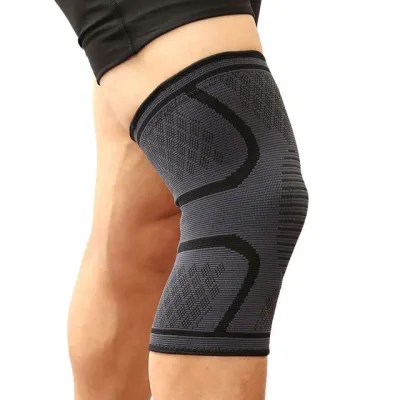
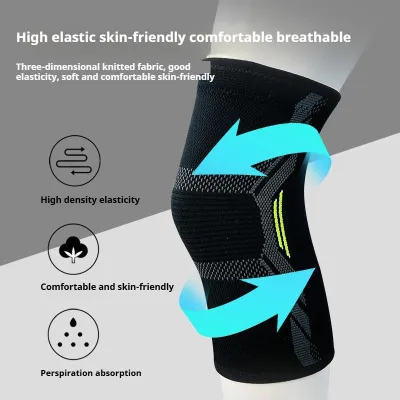
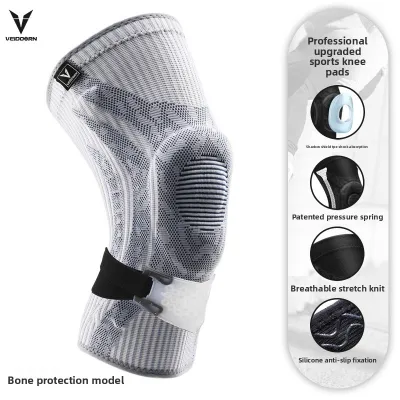
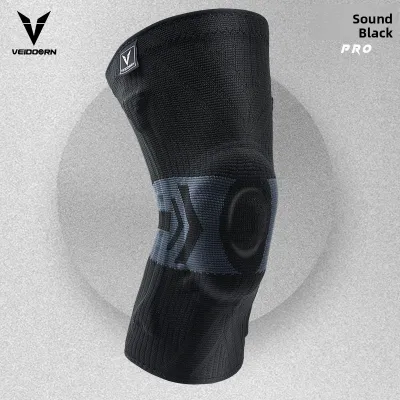
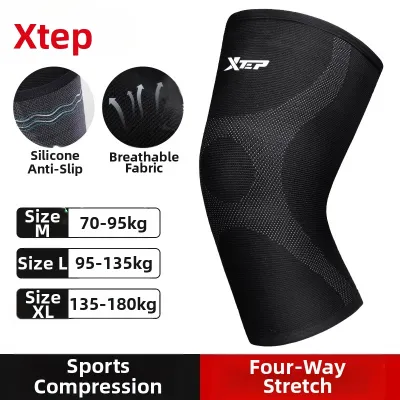
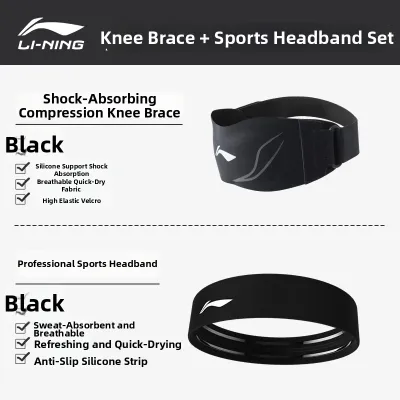
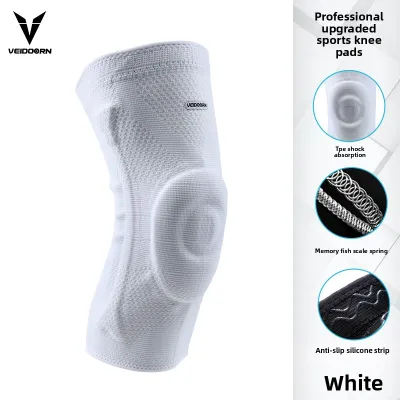
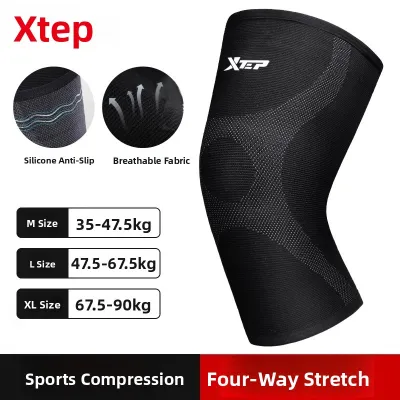
Prices are valid at publication and may change. Please refer to the product page for the latest price.
Different levels of support correspond directly to these distinct conditions. Compression sleeves offer the lowest level of restriction, focusing on promoting blood flow and warmth. Stabilization braces incorporate flexible side stays or straps to guide the joint and prevent minor lateral shifting. Immobilization, achieved through rigid hinged braces, restricts specific ranges of motion to protect healing tissues. If you experience sharp, sudden, or severe pain, or if your knee locks or completely gives way, you must consult a healthcare professional immediately before relying on any type of supporter.
Key Features to Evaluate When Browsing Options
When searching for a knee supporter for knee pain on ecommerce platforms, you need a clear checklist of material and structural specifications to filter through the thousands of available listings. In the tropical climate of the Philippines, fabric choice is paramount. Traditional heavy-duty neoprene offers excellent structural support and heat retention, which can be beneficial for soothing stiff joints. However, in high humidity, neoprene can trap sweat, leading to skin irritation, heat rashes, and unpleasant odors during extended wear. For daily use or outdoor activities, look for breathable 3D knit fabrics, moisture-wicking nylon blends, or perforated materials that allow heat to escape.

The closure system of the supporter also dictates its usability and comfort. Pull-on sleeves offer a low-profile design that fits easily under trousers, but they can be difficult to slide over a swollen joint and offer no adjustability if your knee swells during the day. Adjustable wraparound straps, on the other hand, allow you to customize the compression level throughout the day and are much easier to put on or take off without removing your footwear. However, they tend to be bulkier and may shift if the hook-and-loop fasteners are of lower quality.
Additionally, pay close attention to structural enhancements built into the supporter. Silicone gel pads or rings surrounding the kneecap help keep the patella aligned and absorb shock during impact. Flexible spring stays sewn into the sides of a sleeve provide light lateral support without restricting your natural bending motion. For severe instability, look for removable metal hinges that physically prevent the knee from bending sideways while allowing natural forward and backward movement.
Matching Supporter Types to Specific Knee Conditions
Selecting the right category of knee supporter ensures you receive the appropriate balance of mobility and protection. The four primary types of knee supporters cater to different levels of joint stress and specific anatomical structures.
Compression Sleeves for General Ache and Mild Swelling
Compression sleeves are highly suitable for mild arthritis, general soreness, and post-workout recovery. These sleeves apply uniform pressure around the entire joint, which helps improve proprioception—your brain’s awareness of the joint’s position—and encourages blood circulation to reduce minor swelling. They are typically lightweight, highly flexible, and comfortable enough for extended wear during daily chores or light exercise.
When choosing a compression sleeve, look for designs featuring graduated compression, which is tighter at the bottom and slightly looser at the top to facilitate fluid drainage. Seamless knitting is another critical feature to verify, as it prevents the fabric from rolling down, bunching behind the knee, or digging into your skin during repetitive movement. Keep in mind that compression sleeves do not provide structural stability for ligament tears or severe joint instability, and using them for these conditions will not prevent further injury.
Wraparound Braces for Ligament Strains and Instability
Wraparound braces are designed for individuals dealing with mild to moderate ligament sprains, meniscus irritation, or a general feeling of knee instability. These braces typically feature an open-patella design to relieve pressure on the kneecap, combined with adjustable straps that wrap above and below the joint. This configuration allows you to tighten the brace to match your comfort level and accommodate changes in swelling.
To ensure adequate support, look for wraparound models that include flexible side stays, which help prevent the knee from shifting laterally while still allowing a normal walking stride. The primary limitation of these braces is their bulkiness, which can make them noticeable under tight clothing and potentially warm to wear in humid weather. Furthermore, you must exercise caution when tensioning the straps; over-tightening can restrict blood circulation, leading to coldness or tingling in your lower leg.
Patellar Straps for Tendon Irritation and Jumper's Knee
Patellar straps, also known as knee bands, serve a highly specific purpose: addressing pain located directly below the kneecap, often referred to as patellar tendinopathy or jumper’s knee. Unlike full sleeves or braces, a patellar strap is a narrow band that wraps tightly around the leg just beneath the patella. It works by applying focused pressure to the patellar tendon, which alters the angle at which the tendon inserts into the bone, thereby reducing the mechanical strain placed on the tissue during running or jumping.
When shopping for a patellar strap, look for models that feature a molded silicone or gel insert. This insert ensures the pressure is concentrated directly on the tendon rather than spreading flatly around the entire leg, which improves both comfort and effectiveness. However, you must recognize the strict limitations of this design: a patellar strap offers absolutely no support for the main knee joint, lateral ligaments, or meniscus, making it useless for overall joint instability.
Hinged Braces for Post-Injury and Heavy Load Activities
Hinged braces represent the highest level of external support available and are intended for post-surgery recovery, severe ligament tears, or heavy powerlifting. These braces incorporate rigid metal or composite hinges on both sides of the joint, which physically block lateral movement and hyperextension while guiding the knee through a safe, linear bending path.
When evaluating hinged braces, look for dual-axis hinges that closely mimic the natural gliding motion of the human knee, along with secure, multi-strap fastening systems on both the thigh and calf to prevent the brace from slipping. Because these braces are highly restrictive, heavy, and can significantly alter your gait, they should generally be used under the guidance of a physical therapist or orthopedic specialist. Improper use of a hinged brace can lead to joint stiffness and rapid muscle weakness if worn unnecessarily.
How to Measure and Ensure a Proper Fit
Buying a knee supporter online requires careful measurement to avoid the common pitfall of ordering the wrong size, which can render the supporter useless or even harmful. To get an accurate measurement, use a flexible fabric measuring tape while standing upright with your leg slightly bent at approximately thirty degrees. If you do not have a flexible tape, you can use a piece of string and measure it against a standard ruler.
Most manufacturers require three primary measurements: the circumference of your thigh (typically measured ten to fifteen centimeters above the center of the kneecap), the circumference of the knee joint directly over the center of the patella, and the circumference of your calf (measured ten to fifteen centimeters below the kneecap). Always refer to the specific sizing chart provided by the manufacturer of the product you are purchasing, as sizing standards vary dramatically between different brands; a medium in one brand may easily correspond to a large in another.
Once your supporter arrives, you must verify the fit before wearing it for any extended period. Use the two-finger rule: you should be able to slide two fingers comfortably under the top and bottom bands of the supporter. If you cannot fit your fingers, the supporter is too tight and may restrict blood flow. Conversely, if the supporter slides down your leg when you walk, or if you notice numbness, tingling, coldness in your foot, or deep red indentations on your skin, the size is incorrect, and you should exchange it for a better-fitting option.
Safe Usage, Care, and When to Stop
Using a knee supporter safely requires understanding that it is a temporary aid to assist your recovery or protect your joint during specific activities, not a permanent replacement for natural joint strength. To maintain your natural muscle function and prevent your stabilizing muscles from becoming dependent on the brace, limit your wear time to periods of physical activity or when you are experiencing active discomfort. Avoid wearing a supporter continuously throughout the day unless specifically instructed to do so by a medical professional.
Proper maintenance of your knee supporter is essential to preserve its elastic properties and prevent skin issues. Sweat, body oils, and dirt can degrade the elastic fibers and hook-and-loop fasteners over time, while also creating a breeding ground for bacteria in warm climates. Hand wash your supporter in cool water using a mild detergent, rinse it thoroughly, and allow it to air dry flat in a shaded, well-ventilated area. Avoid using bleach, fabric softeners, or a clothes dryer, as high heat can warp plastic components, melt silicone pads, and destroy the elasticity of the fabric.
Finally, you must remain vigilant for signs that the supporter is causing harm rather than helping. Immediately stop using the supporter and consult a healthcare professional if you experience increased pain, skin irritation or breakdown, persistent numbness or tingling, or swelling in your lower leg or foot below the brace. A supporter should provide comfort and stability; any sign of physical distress indicates that the device is either improperly fitted, incorrectly applied, or unsuitable for your specific condition.
Frequently Asked Questions (FAQ)
How long should I wear a knee supporter each day?
The appropriate daily wear time for a knee supporter depends entirely on your activity level, the severity of your pain, and the type of supporter you are using. For general compression sleeves, wearing them during physical activities, workouts, or periods of prolonged standing—typically spanning two to four hours at a time—is generally safe and effective. However, you should avoid wearing any supporter all day long without taking regular breaks, as continuous use can lead to muscle dependency and gradual weakening of the muscles surrounding the joint. Always follow the specific guidelines provided by the manufacturer or your physical therapist.
Can I wear a knee supporter while sleeping?
As a general rule, you should not wear a knee supporter, whether it is a compression sleeve or a rigid brace, while sleeping unless a medical professional has explicitly prescribed it for post-surgical recovery. During sleep, your body’s natural circulation slows down, and you cannot actively monitor for signs of restricted blood flow, such as numbness or tingling. Furthermore, prolonged immobility combined with trapped moisture in a warm climate can lead to severe skin irritation and breakdown. If you experience nighttime knee pain, consult your doctor to explore safer management strategies.
Do knee supporters weaken the knee muscles over time?
Knee supporters do not inherently weaken your muscles if they are used correctly as a temporary aid during periods of stress or activity. However, if you rely on a highly supportive brace constantly for daily movements without engaging in active rehabilitation, your body may begin to depend on the external support, leading to muscle atrophy over time. To prevent this, always combine the use of a knee supporter with targeted strengthening and flexibility exercises designed to rebuild the natural stability of your knee joint, ensuring that the supporter remains a tool for recovery rather than a permanent crutch.
Community discussion
Share your experience or ask a question. Comments are reviewed before publication.