
Selecting the ideal strength training setup requires matching your equipment’s mechanical resistance to your body’s physiological needs. If you are looking to integrate Luminaflex fitness gear into your home gym, your decision should not rest on aesthetics alone. Instead, it must be guided by your specific training objectives—whether that means packing on raw muscle mass, boosting muscular endurance, or maintaining general physical conditioning. The brand’s lineup spans a wide range of modalities, from heavy-duty adjustable free weights to high-tension cable systems and portable resistance gear, each engineered for distinct training stimuli.
To make a smart investment, you need to understand how different resistance profiles interact with your muscles. For instance, free weights provide a constant gravitational load that challenges your stabilizing muscles, whereas cable systems and resistance bands offer continuous or progressive tension throughout an exercise’s entire range of motion. By analyzing your primary fitness goals alongside your physical space, budget, and local environmental conditions, you can select the exact configuration that will safely and effectively support your strength journey for years to come.
Quick Guide: Aligning Luminaflex Gear With Your Primary Goal
Before diving into technical specifications, it is highly beneficial to map your main fitness goals directly to the general categories of equipment available. Strength training is not a one-size-fits-all endeavor; the physiological adaptations your body undergoes depend heavily on the volume, intensity, and mechanical tension of your workouts.
Products mentioned in this guide
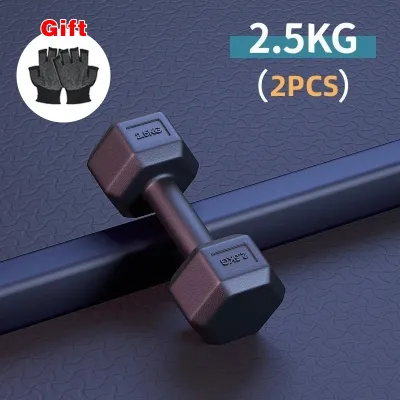


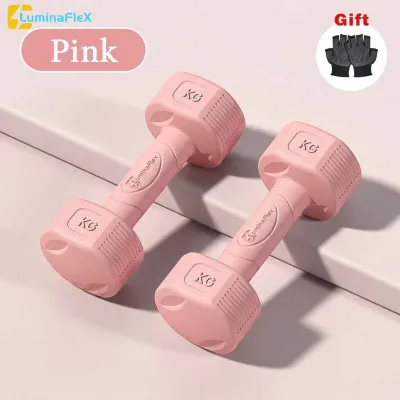
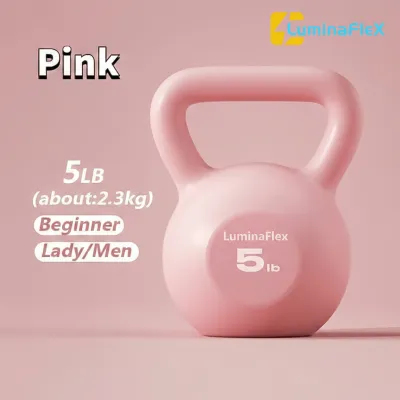
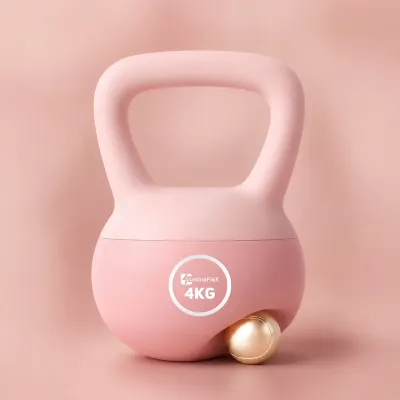


Prices are valid at publication and may change. Please refer to the product page for the latest price.
- Muscle Hypertrophy and Raw Strength: This goal requires high mechanical tension and progressive overload. To achieve this, you need heavy, expandable resistance options. Look for heavy adjustable dumbbells, barbells, plate-loaded systems, and robust utility benches. These tools allow you to perform heavy compound lifts that recruit maximum muscle fibers.
- Muscular Endurance and Stamina: This objective relies on high-repetition sets, sustained metabolic stress, and minimal rest periods. Lighter adjustable dumbbells, variable cable-and-pulley systems, and high-quality resistance bands are the premier choices here. They allow for rapid transitions and keep constant tension on the working muscle.
- General Fitness and Functional Conditioning: If your focus is on mobility, cardiovascular health, and daily movement efficiency, versatility and space-saving designs are paramount. Multi-functional gear like kettlebells, medium-resistance bands, and compact folding benches allow you to perform multi-planar movements, circuit training, and high-intensity interval training (HIIT) without dedicating an entire room to a single-purpose machine.
Ultimately, the key to long-term success is matching the resistance profile of the gear to your current physical capabilities while ensuring there is a clear path for progression. Choosing equipment that cannot scale with your strength means you will quickly plateau, while buying overly complex commercial-grade machines for basic fitness can lead to wasted budget and cluttered living spaces.
How to Select Equipment Based on Your Training Objective
Building Muscle Mass and Raw Strength
To stimulate muscle hypertrophy and build maximum raw strength, your training must center on the principle of progressive overload. This means you must gradually increase the stress placed upon your musculoskeletal system over time. Within the Luminaflex lineup, your primary focus should be on heavy free weights, such as adjustable dumbbell sets, barbells, and plate-loaded resistance machines. These tools allow you to perform fundamental compound movements—like squats, deadlifts, overhead presses, and chest presses—which recruit large muscle groups and trigger systemic hormonal responses conducive to muscle growth.

When selecting heavy free weights, pay close attention to weight capacities and the increments of adjustment. For hypertrophy, you need a system that can scale from moderate starting weights to heavy loads as your strength develops. Look for adjustable dumbbells that offer fine incremental steps (such as 1-kilogram or 2-kilogram adjustments) rather than massive jumps. Large weight gaps can stall your progress, as jumping from a 20-kilogram dumbbell to a 24-kilogram dumbbell represents a massive 20 percent increase in load, which can compromise your lifting form and increase the risk of joint strain.
Furthermore, safety and structural stability are non-negotiable when handling heavy loads. Ensure that any bench or rack you select features a high maximum weight capacity—ideally combining your body weight plus your maximum projected lifting weight with a generous safety margin. Look for heavy-gauge steel frames, wide stabilizer feet, and high-density foam padding that will not bottom out under heavy compression. Ergonomic, knurled metal grips are also essential; they provide a secure, non-slip interface with your hands, preventing the weight from shifting during high-effort, near-maximal lifts.
Improving Muscular Endurance and Stamina
If your primary training objective is to improve muscular endurance, your workouts will typically feature higher repetition ranges (often 15 to 25 reps or more per set) paired with shorter recovery intervals. This style of training relies on metabolic stress and prolonged time under tension to condition your slow-twitch muscle fibers and enhance lactic acid clearance. For this modality, heavy barbells are often less practical than highly versatile, fast-adjusting equipment such as lighter adjustable dumbbells, variable cable systems, and multi-layered resistance bands.
One of the major advantages of cable systems and resistance bands for endurance training is their unique resistance curve. Unlike free weights, which rely entirely on gravity and lose resistance at certain points of a movement (such as the top of a bicep curl), cables and bands provide continuous tension throughout the entire range of motion. This constant engagement forces the target muscle to work continuously, maximizing metabolic fatigue. Additionally, resistance bands offer progressive resistance—meaning the tension increases as the band stretches—which challenges your muscles during the peak contraction phase of the movement.
When training for endurance, the speed of your transitions is critical. If you are performing drop sets, supersets, or circuit routines, you cannot afford to spend two minutes manually changing weight plates between exercises. Look for dial-adjustable dumbbells or pin-selectorized cable systems that allow you to change the resistance in seconds. This rapid adjustability keeps your heart rate elevated and maintains high metabolic demand, ensuring your cardiovascular and muscular endurance systems are trained simultaneously.
General Fitness and Functional Conditioning
For many fitness enthusiasts, the goal is not to lift massive weights or run ultra-marathons, but rather to move pain-free, burn calories, and maintain functional strength for daily life. If this describes your path, you should prioritize multi-functional, space-efficient gear that supports multi-planar movements. Functional training involves moving your body through all three planes of motion (sagittal, frontal, and transverse), which requires tools that do not lock you into a fixed, rigid path of motion.
Kettlebells, light-to-medium resistance bands, and highly adjustable utility benches form the cornerstone of a functional home gym. Kettlebells are exceptional for ballistic, full-body movements like swings, cleans, and snatches, which build explosive power, core stability, and cardiovascular conditioning all at once. Resistance bands can be anchored to doors or heavy furniture to facilitate lateral walks, rotational woodchops, and assisted mobility stretches. An adjustable utility bench that can transition from decline to flat, incline, and fully upright positions dramatically expands the variety of exercises you can perform with a single set of weights.
Space efficiency is another critical factor for general fitness users, particularly those setting up workouts in compact urban apartments or shared family spaces. Look for equipment that is easy to store when not in use. Folding utility benches that can slide under a bed, nesting dumbbell sets, and resistance bands that pack away into a small drawer are ideal. This portability also allows you to take your workouts outdoors or move them to a cooler, air-conditioned room depending on the daily weather, keeping your routine flexible and sustainable.
Key Specifications to Verify Before Purchasing
Investing in strength equipment is a long-term commitment, and verifying technical specifications beforehand will save you from buyer’s remorse. The first specification to analyze is the overall weight and resistance range. You must check both the minimum starting load and the maximum capacity. If you are a beginner, a dumbbell set that starts at 5 kilograms might be too heavy for delicate lateral raises or rotator cuff exercises. Conversely, if you are an experienced lifter, a set that tops out at 20 kilograms will quickly become obsolete for heavy compound movements like squats or lunges. Choose a system that accommodates your current strength while leaving ample room for future physical development.
Next, carefully evaluate the adjustment mechanisms of any variable-weight equipment. Dial-adjustable systems use internal gears to select weight plates, which is incredibly fast but requires high-quality, durable internal components. Pin-selector systems, common on cable columns, rely on a magnetic or spring-loaded pin to select the weight stack; ensure the pin fits snugly and securely to prevent accidental slippage under load. Plate-loaded systems, where you manually slide weight plates onto a sleeve, are highly reliable and virtually indestructible, but they require physical storage space for the extra plates and take longer to adjust during a workout.
Given the tropical climate of the Philippines, material quality and climate resilience are absolutely paramount. High humidity, warm temperatures, and salty air can cause rapid oxidation and rust on low-grade steel equipment. When browsing the Luminaflex catalog, look for products that feature electrostatic powder coatings, chrome plating, or stainless steel components, which offer superior protection against corrosion. Sweat-proof, non-porous grips and heavy-duty, double-stitched vinyl upholstery are also vital. Materials that absorb sweat will quickly develop unpleasant odors, harbor bacteria, and degrade structurally under the influence of acidic perspiration.
Finally, measure your intended workout space and compare it against the product’s footprint and storage specifications. Remember that you do not just need enough space to place the equipment; you need adequate clearance around it to perform exercises safely. For example, a barbell bench press setup requires at least 2.2 meters of width to accommodate a standard Olympic bar, plus additional clearance on either side to safely load and unload plates. If space is tight, look for compact, multi-functional units, wall-mounted cable systems, or equipment with built-in transport wheels and folding mechanisms that allow you to roll the gear into a corner when your workout is finished.
Safety Checks, Setup, and Routine Maintenance
Before you begin any training session, performing a quick safety inspection of your equipment is a vital habit that can prevent serious injury and extend the lifespan of your gear. If you are using cable machines, inspect the entire length of the cable for any signs of fraying, cracking in the protective plastic coating, or exposed steel wire. Check that pulleys spin smoothly without grinding and that all carabiners and attachment points are fully closed and secure. For adjustable dumbbells, verify that the locking plates are properly seated and that the selection dials are fully engaged in their slots before lifting the weights from their trays.
Proper assembly and physical placement are equally crucial for your safety. Always set up your strength equipment on a completely level, solid floor. Uneven flooring can cause heavy racks or benches to wobble under load, shifting the center of gravity and placing dangerous lateral stress on the frame. If you are placing heavy equipment on tiled or wooden floors, use high-density rubber gym mats to protect your home’s flooring, absorb vibrations, and provide a high-grip surface that prevents the equipment from sliding during dynamic movements. For tall or top-heavy equipment, such as power towers or wall-mounted cable pulleys, ensure they are securely anchored to wall studs or masonry according to the manufacturer’s exact instructions.
Routine maintenance in a warm, humid environment like the Philippines requires consistent care to combat moisture and sweat damage. After every single workout, use a clean, dry microfiber cloth to wipe down all sweat from metal frames, upholstery, and grips. For a deeper clean, use a mild, non-abrasive soap solution; avoid harsh chemical cleaners or bleach, which can dry out vinyl upholstery and strip protective coatings from metal. Lubricate moving parts, such as guide rods on cable machines or the internal gears of adjustable dumbbells, strictly using the manufacturer-recommended lubricant (such as silicone spray or light machine oil) to maintain smooth operation and prevent friction wear.
Lastly, you must know when to stop using your equipment and seek professional assistance. If you ever hear unusual grinding, squeaking, or clicking noises that persist after cleaning and lubrication, halt your workouts immediately. Slipping adjustment dials, loose-fitting selector pins, or any visible structural deformation—such as bent steel frames, cracked welds, or warped weight plates—are critical safety hazards. In these scenarios, stop using the product immediately and contact the manufacturer’s customer support or a qualified fitness equipment technician to evaluate and repair the unit before attempting to lift again.
Frequently Asked Questions (FAQ)
Can I use the same equipment for both endurance and muscle building?
Yes, you can absolutely use the same equipment to target both muscular endurance and muscle hypertrophy, provided the gear offers a sufficiently wide range of resistance. The physiological adaptation your body experiences is primarily determined by how you structure your training variables—such as weight, repetitions, sets, and rest times—rather than the specific brand or type of machine you use.
For example, if you own a set of dial-adjustable dumbbells, you can set them to a heavy weight and perform 6 to 12 repetitions per set with longer rest periods to stimulate muscle growth. To target endurance with the exact same dumbbells, you can simply adjust them to a lighter setting and perform 15 to 25 rapid repetitions with minimal rest between sets. This versatility makes adjustable equipment highly cost-effective and space-efficient for home gyms.
How do I know if a resistance band is wearing out and needs replacement?
Resistance bands are made of elastic materials like latex or thermoplastic elastomers (TPE), which naturally degrade over time, especially when exposed to the heat and humidity of a tropical climate. To prevent dangerous snap-back injuries, you should inspect your bands regularly for visual and tactile signs of wear.
Look closely for tiny micro-tears, hairline cracks, white stress marks, discoloration, or areas where the band has become visibly thinner or stretched out. Tactile signs of degradation include a sticky or gummy texture, extreme stiffness, or a powdery residue on the surface. If you notice any of these warning signs, or if the band has lost its original elasticity, stop using it immediately and replace it. Always store your bands in a cool, dry place away from direct sunlight and heat sources to maximize their lifespan.
Community discussion
Share your experience or ask a question. Comments are reviewed before publication.