
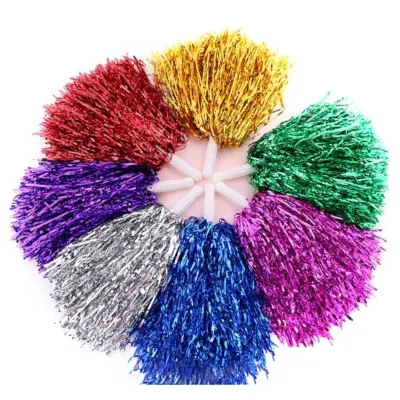
Selecting the right party pompoms for outdoor campus sports meets in the Philippines requires balancing visual impact with extreme weather durability. To withstand intense tropical heat, high humidity, and sudden rain showers, the best choice for cheer squads and dance troupes is metallic foil or high-density solid plastic (vinyl) pompoms equipped with secure baton or loop handles. These materials maintain their vibrant colors under direct sunlight, resist waterlogging, and remain highly visible across expansive outdoor track ovals and grass fields.
While aesthetic appeal is crucial for team spirit, selecting equipment that matches the physical environment prevents performance mishaps and unnecessary replacement costs. Standard indoor cheer gear often fails when exposed to the elements, making it essential to evaluate material specifications, handle designs, and maintenance requirements before purchasing gear for your school’s athletic delegation.
Key Environmental Factors for Philippine Outdoor Sports Meets
Campus sports meets in the Philippines, such as annual intramurals or regional athletic meets, are typically held in open-air stadiums, local sports complexes, or school grounds. These venues expose performance equipment to harsh tropical conditions. High heat indexes and intense humidity can cause materials to soften or degrade, while strong ultraviolet (UV) exposure rapidly fades standard dyes. Additionally, sudden localized downpours can instantly saturate porous materials, rendering them heavy and unusable mid-routine.
Products mentioned in this guide
Prices are valid at publication and may change. Please refer to the product page for the latest price.
Bright, direct sunlight behaves very differently from controlled indoor gymnasium lighting. Outdoors, light is scattered over a massive area, which can wash out flat colors and make small performance accessories invisible from the bleachers. To counter this, cheer equipment must possess high-glare or highly reflective properties to ensure the choreography remains distinct and visually striking to judges and spectators seated dozens of meters away.
Field surfaces also present unique challenges for equipment longevity. Whether your team performs on natural grass, dry dirt, clay, or synthetic running tracks, pompoms will inevitably make contact with the ground during transitions, stunts, or floor routines. Rough track textures can easily snag delicate fibers, while damp grass and loose soil introduce moisture and dirt that can ruin the structural integrity of the strands if the material is not designed for rugged outdoor use.
To ensure your squad’s gear lasts through the multi-day event, establish clear baseline criteria before ordering. Focus on non-porous materials that repel water, fibers with verified UV resistance, and robust handle constructions that can withstand high-velocity movements in windy conditions. Equipment cannot replace proper preparation; ensure your performers are also conditioned for the outdoor heat before executing intensive physical routines.
Comparing Pompom Materials for Heat, Humidity, and Rain
Different materials perform uniquely under the stress of outdoor tropical climates. Evaluating the physical properties of each option helps you select a product that maintains its shape, color, and safety features throughout the sports season.

Metallic and Holographic Foils
Metallic and holographic foil party pompoms offer exceptional visibility under bright daytime sunlight. The highly reflective surfaces of these plastic-based foils catch direct sun rays, creating a brilliant, glittering flash that is easily seen from the far side of a standard track oval. This reflective quality maximizes the visual impact of synchronized hand movements, making them a favorite for large-scale outdoor field demonstrations.
From a practical standpoint, foil strands are inherently water-resistant. If a sudden rain shower occurs during the opening ceremony, these pompoms will not absorb water. They shed moisture quickly when shaken, preventing them from becoming heavy or waterlogged. This water resistance ensures that the weight of the equipment remains consistent, reducing the risk of wrist strain or dropped props during wet performances.
Before purchasing, verify the manufacturer’s specifications regarding UV resistance and strand thickness. Thinner, low-grade foils can become brittle under prolonged heat exposure, leading to excessive shedding during fast-paced routines. Look for foils with a thickness of at least 25 to 30 microns to ensure they resist tearing when exposed to strong winds and repetitive shaking.
Keep in mind that metallic foils can crease permanently if stepped on or compressed tightly against rough outdoor surfaces like gravel or synthetic tracks. Inspect the strands regularly for structural damage, as creased or torn foil can tangle easily, reducing the overall volume and fluffiness of the pompom.
Solid Plastic and Vinyl
Solid plastic and vinyl party pompoms are highly durable options for rugged outdoor environments. These strands are thicker and heavier than metallic foils, allowing them to withstand rough handling, accidental drops on dirt, and high-velocity wind resistance without tearing or losing their shape. They provide a distinct, classic “rustling” sound that adds an auditory element to cheer routines.
Maintenance for solid plastic is straightforward. Because vinyl is non-porous, any mud, dust, or field dirt accumulated during a performance can usually be wiped clean. Always check the manufacturer’s care label first, but a simple wipe-down with a damp cloth is typically sufficient to restore their appearance, making them ideal for multi-day tournaments where gear must be cleaned quickly overnight.
Color retention is another major advantage of high-quality vinyl. When selecting plastic pompoms, look for products made with fade-resistant dyes or UV-treated plastics. These treatments ensure that deep school colors, such as royal blue, forest green, or vibrant red, do not bleach or turn dull after hours of exposure to the tropical sun.
In terms of movement dynamics, vinyl pompoms have more physical weight than foil. While this makes them highly wind-resistant, it also means they require more physical effort to wave. Teams must account for this weight difference during practice to prevent premature arm fatigue during long parade marches.
Tissue Paper and Fabric Options
Tissue paper and untreated fabric pompoms are highly susceptible to damage in outdoor tropical settings. These materials are extremely porous and absorb moisture rapidly from the air, sweat, or damp ground. Once wet, tissue paper loses all structural integrity, clumping together into a heavy, mushy mass that tears apart with minimal movement.
In addition to tearing, wet tissue paper and cheap dyed fabrics are prone to color bleeding. If these materials become damp from rain or intense sweat, the dyes can run, permanently staining school uniforms, performance costumes, and the skin of the athletes. This can ruin expensive team apparel and create an unprofessional appearance on the field.
Because of these limitations, restrict tissue paper and delicate fabric options strictly to dry, indoor gymnasiums or short-duration indoor promotional activities. They should not be used for active outdoor field routines or events where weather conditions cannot be guaranteed.
Sizing and Handle Selection for Field Visibility and Grip
Selecting the correct dimensions and handle configuration is critical to balancing visual effectiveness with performer safety and comfort.
- Size and Proportion: Standard pompom strand lengths generally range from 6 inches to 12 inches. For expansive outdoor fields, larger sizes like 10-inch or 12-inch strands are highly recommended because smaller sizes tend to disappear visually when viewed from distant bleachers. However, larger pompoms catch more wind and can become physically demanding to handle. For junior athletes or high-wind venues, a medium 8-inch to 10-inch size often provides the best balance of visibility and control.
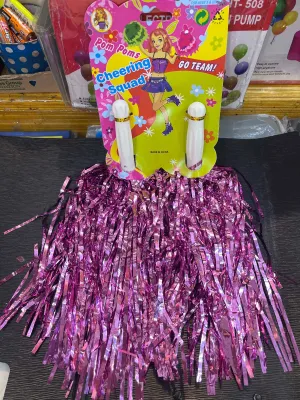
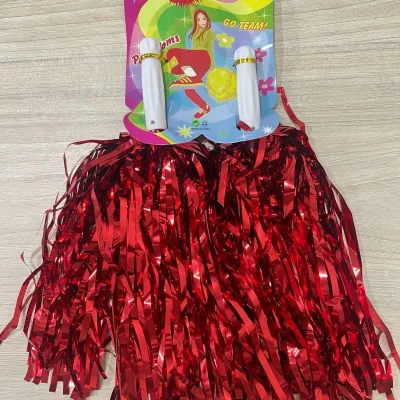
- Handle Types and Grip Security: High humidity and physical exertion cause performers' hands to sweat, making secure handles essential. Baton handles—which feature a solid plastic bar in the middle of the pompom—offer excellent control and are easy to grip firmly. Hidden handles, such as D-rings or elastic straps, secure the pompom directly to the hand or fingers, minimizing the risk of the equipment flying off during high-impact stunts or tosses. Avoid simple cardboard or thin plastic loop handles that can soften or break when exposed to moisture.
- Weight and Balance: Before finalizing an order, verify the product's weight specifications. Unbalanced or excessively heavy pompoms place unnecessary strain on the shoulders and wrists, which can lead to fatigue during long parade segments or extended half-time shows. Opt for lightweight plastic or foil designs that distribute the weight evenly across the handle.
- Ergonomic Checks: Ensure the handle diameter and strap adjustability match the hand sizes of your squad members. Handles that are too thick can cause hand cramping, while loose straps can slip off during rapid transitions. If possible, test a sample pompom with various team members to verify a secure, comfortable fit.
Care and Maintenance to Preserve Color and Structure
Proper post-event care extends the lifespan of your equipment, ensuring the colors remain bright and the strands stay fluffy for future sports meets.
- Post-Event Inspection: Establish a routine to check your equipment after every outdoor use. Inspect the base of the strands near the handle for fraying, loose fibers, or cracks in the plastic hardware. Address minor snags early by carefully trimming damaged ends with sharp scissors to prevent further tearing.
- Safe Cleaning Protocols: To clean off dirt or mud, allow the mud to dry completely first. Once dry, gently shake the pompoms upside down or use a soft-bristled brush to knock the dry soil loose. For stubborn spots on plastic or foil, wipe the strands gently with a microfiber cloth lightly dampened with clean water. Always consult the manufacturer's care instructions before applying any liquid or cleaning agents, and avoid harsh chemical solvents that can strip the reflective coating off foil.
- Drying and Storage: Never store damp or wet pompoms in closed bags or storage bins. Air-dry them thoroughly by hanging them upside down in a shaded, well-ventilated indoor space. Avoid drying them in direct sunlight, as this accelerates UV damage, and never leave them inside hot vehicles or unventilated equipment sheds, where extreme heat can warp plastic handles and melt adhesive bonds.
- Reshaping Techniques: If pompoms become flat or compressed during transport, restore their volume using safe manual methods. Hold the pompom by the handle and shake it vigorously upside down. You can also gently separate clumped strands by hand, working from the center outward. Avoid pulling hard on individual strands, as this can loosen the binding at the core.
Frequently Asked Questions (FAQ)
Can I use the same pompoms for both indoor gymnasiums and outdoor fields?
Yes, high-quality metallic foil and solid plastic pompoms can transition successfully between indoor and outdoor venues. However, you must clean them thoroughly after outdoor use before bringing them onto indoor gymnasium floors. Dirt, sand, or small gravel trapped within the strands can shed onto the gym floor, creating slip hazards for athletes and scratching polished wood or synthetic court surfaces. If your budget allows, keeping separate sets for indoor and outdoor events is the best way to preserve the appearance and cleanliness of both the equipment and the venues.
How do I safely clean mud or dirt off plastic and foil pompoms?
To clean mud or dirt safely, let the mud dry completely before attempting to clean the strands. Once dry, shake the pompoms out thoroughly or use a soft brush to remove the crusty dirt. For any remaining stains, wipe the affected strands with a soft cloth dampened with water. Do not submerge the pompoms completely in water or use harsh dish soaps, bleach, or abrasive cleaners, as these can dissolve the adhesives holding the strands to the handle or damage the metallic finish. If the manufacturer’s care instructions conflict with these steps, always prioritize the manufacturer’s guidelines.
What is the best way to store pompoms after a rainy outdoor event?
Immediately after a rainy performance, shake the pompoms vigorously to remove as much excess water as possible. Once indoors, hang them upside down or lay them flat on a clean towel in a shaded, well-ventilated area with good airflow. Let them air dry completely before packing them away. Never store damp pompoms in sealed plastic bags, tight equipment duffels, or humid storage closets, as trapped moisture quickly leads to mold growth, unpleasant odors, and rapid material degradation.
Community discussion
Share your experience or ask a question. Comments are reviewed before publication.