
Finding relief from the sharp, stabbing heel pain of plantar fasciitis requires matching the right support tool to your daily routine. Because this discomfort often peaks during your first steps in the morning or after long hours of standing, different products target different phases of your day. Choosing the correct option depends entirely on when you need support, your activity level, and how your body responds to movement.
Insoles are designed for weight-bearing activities, offering structural arch support and shock absorption directly inside your footwear. Sleeves provide daytime compression and flexible mobility, making them ideal for active use or when walking barefoot around the house. Night splints focus on passive stretching during sleep or rest, keeping the plantar fascia extended to help reduce that initial morning stiffness. These products are supportive tools designed to aid comfort; they do not replace a formal diagnosis or treatment plan from a healthcare professional.
Understanding the Design Purpose of Each Support Type
To select the most effective support, it helps to understand how each category interacts with your foot structure. The plantar fascia is a thick band of connective tissue that supports the arch of your foot and absorbs impact when you walk. When this tissue becomes irritated or inflamed, sudden stretching can cause sharp pain. Each support type uses a different mechanical approach to manage this tension throughout the day and night.
Products mentioned in this guide
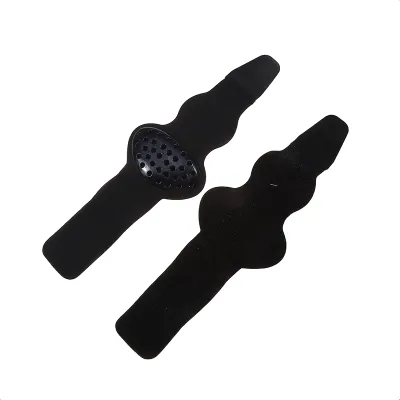
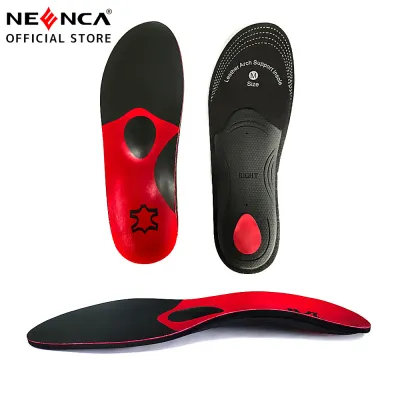
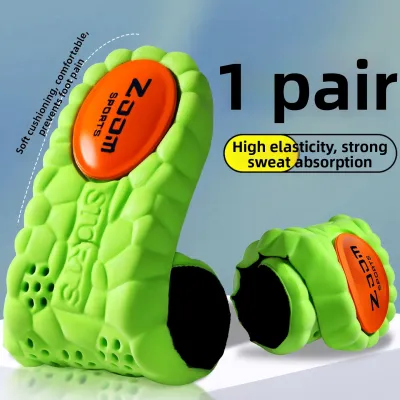
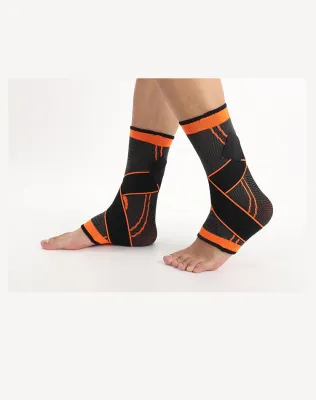
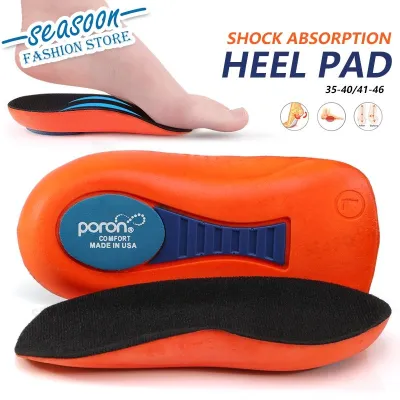
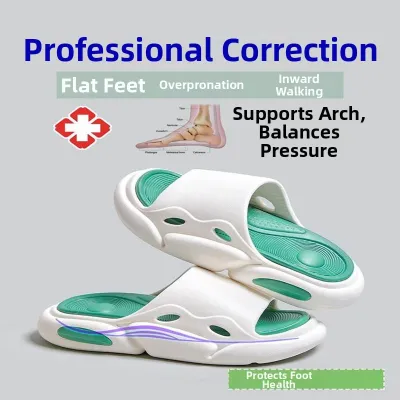
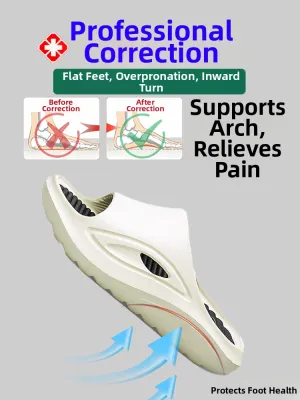
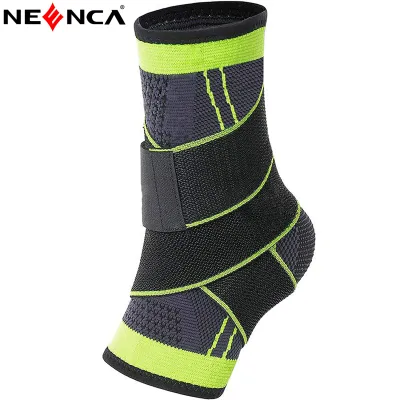
Prices are valid at publication and may change. Please refer to the product page for the latest price.
The market offers a wide variety of designs, materials, and rigidity levels. Because individual product specifications and material compositions vary significantly by manufacturer, you should always check the product label and instructions to ensure a specific model matches your physical needs.
Insoles: Arch Structure and Shock Distribution
Insoles, or orthotic inserts, slip directly into your shoes to modify how your foot interacts with the ground. Their primary job is to support the arch and distribute your body weight more evenly across the entire sole, reducing localized pressure on the heel.
- Material Rigidity: Insoles generally fall into three categories: rigid, semi-rigid, and soft. Rigid designs, often made of hard plastics or carbon fiber, focus on structural control and preventing the arch from collapsing. Semi-rigid options combine a supportive nylon or plastic arch bridge with a cushioned foam overlay, offering a balance of control and comfort. Soft insoles rely entirely on foam or gel to provide cushioning, though they offer less structural arch correction.
- Heel Cups and Arch Profiles: High-quality insoles feature a deep heel cup that cradles the fatty pad of your heel, helping to naturalize shock absorption. They also come in low, medium, and high arch profiles to match your natural foot shape.
- Footwear Compatibility: To use aftermarket insoles successfully, you must typically remove the factory insoles that came with your shoes. Failing to do so can reduce the volume inside the shoe, causing your toes to pinch or your heel to slip out of the back. Some insoles are trim-to-fit, requiring you to use your old insole as a template to cut the new one to the exact shape of your shoe's toe box.
Sleeves: Compression and Active Mobility
Sleeves are elasticized fabric bands that slide over your foot, covering the arch and ankle. Unlike insoles, they do not rely on your footwear for structure, allowing you to wear them with or without shoes.
- Compression Zones: These sleeves use targeted elastic weaving to apply pressure to the arch and ankle. This compression helps manage localized swelling and provides a sensation of stability during movement.
- Integrated Inserts: Some sleeves feature built-in gel pads or silicone strips along the arch. These inserts apply direct, localized pressure to the plantar fascia, mimicking the support of an insole while maintaining the flexibility of a fabric sleeve.
- Low-Profile Wearability: Because they are thin and lightweight, sleeves fit easily under standard socks. This makes them highly versatile for people who prefer to walk barefoot at home or who wear tight-fitting athletic shoes.
Night Splints: Prolonged Stretching Structures
Night splints are rigid or semi-rigid braces worn while sleeping or resting. They are designed to address the common issue of the plantar fascia tightening and shortening overnight.
- Dorsal vs. Posterior Designs: Posterior splints feature a rigid spine that runs down the back of the calf and under the sole of the foot, holding the foot at a strict 90-degree angle. Dorsal splints use a rigid plastic support along the top of the foot and shin, leaving the heel and arch exposed for a less bulky feel.
- Adjustable Tension: Most splints utilize adjustable hook-and-loop straps or integrated tension wedges. These mechanisms allow you to gradually increase the upward stretch on your toes and fascia as your flexibility improves.
- Mobility Restrictions: Because of their rigid structure, night splints are not designed for walking. Wearing a posterior splint makes walking highly awkward and potentially unsafe, meaning you must remove or loosen the device if you need to get out of bed during the night.
Comparing Practical Dimensions for Daily Use
Integrating a support product into your daily life requires looking at practical factors like wear time, maintenance, and how easily you can travel with the device. In warm, humid tropical environments like the Philippines, material care and breathability become even more critical to prevent skin irritation and odor.

| Feature | Insoles | Sleeves | Night Splints |
|---|---|---|---|
| Primary Wear Time | Daytime (during weight-bearing activities) | Daytime (active movement or rest) | Nighttime (during sleep or prolonged rest) |
| Footwear Requirement | Must be worn inside closed shoes | Can be worn barefoot, with socks, or in shoes | Worn barefoot; not compatible with shoes |
| Maintenance | Wipe down with a damp cloth; air dry | Hand-wash with mild soap; air dry thoroughly | Wipe plastic parts; hand-wash removable liners |
| Portability | Moderate (most practical when kept inside your primary shoes) | High (lightweight, easily folded into a bag) | Low (bulky, takes up significant luggage space) |
| Climate Comfort | Can trap heat inside closed shoes | Breathable, but fabric can absorb sweat | Can feel warm; dorsal designs offer increased airflow |
Proper maintenance is essential for longevity. For instance, washing sleeves regularly prevents sweat buildup, which is especially important in humid climates. Never machine-wash or tumble-dry insoles or splint liners unless the manufacturer explicitly states it is safe, as high heat can warp plastic supports and degrade adhesives.
Decision Framework: Which Type Fits Your Lifestyle?
To determine which support type is right for you, evaluate your daily activities, when your pain is most severe, and your personal comfort preferences.
- Choose Insoles if: Your pain occurs primarily while walking, running, or standing for long periods on hard floors. They are ideal if you wear closed shoes, such as work boots, sneakers, or school shoes, for most of the day. This option provides a set-and-forget solution that stays inside your shoes and requires no adjustment during the day.
- Choose Sleeves if: You prefer to walk barefoot or wear open sandals around your home but still need arch support. They are also suitable if you participate in sports or exercises where rigid insoles might restrict your foot's natural movement, or if you want a lightweight, low-profile option that easily transitions between different pairs of shoes.
- Choose Night Splints if: Your primary complaint is intense, stabbing pain during your very first steps in the morning. They are highly effective if you experience severe stiffness after sitting at a desk or resting on the couch for long periods, provided you are comfortable sleeping with a structured device on your foot and do not frequently get up during the night.
- Verify First if: You have underlying circulatory issues, diabetes, or neuropathy, as compression sleeves or tight splint straps can restrict blood flow. You should also verify first if you are unsure of the exact source of your heel pain, as conditions like stress fractures or nerve compression require different treatment paths, or if your pain does not improve after several weeks of consistent use.
Pre-Purchase Checks and Safety Boundaries
Before purchasing any plantar fasciitis support, take time to verify the specifications to ensure a safe and comfortable fit. While basic sleeves may cost under ₱500 on local online marketplaces, advanced night splints or structured insoles can range higher, making it important to verify the features you actually need before purchasing.
First, always consult the manufacturer’s sizing chart. For insoles, this often means matching your exact shoe size or measuring your foot length in millimeters. For sleeves and night splints, you will typically need to measure your ankle or calf circumference. An ill-fitting support can worsen your pain; a sleeve that is too tight can restrict circulation, while a loose insole can slip and cause blisters.
Second, inspect the materials used in the product. If you have sensitive skin or live in a hot, humid climate, look for breathable, moisture-wicking fabrics. Avoid materials that cause skin irritation, and check for latex content if you have a known allergy.
Third, establish clear safety boundaries. If you experience numbness, tingling, cold toes, increased pain, or skin discoloration while wearing any support, remove it immediately. These are signs of restricted circulation or nerve pressure.
Finally, remember that orthotic insoles, sleeves, and night splints are designed to manage symptoms and support recovery. They are not a substitute for professional medical advice, physical therapy exercises, stretching routines, or other treatments prescribed by your doctor.
Frequently Asked Questions (FAQ)
Can You Wear an Insole and a Sleeve at the Same Time?
Yes, you can wear both simultaneously, but you must carefully monitor the volume inside your shoe. Combining a compression sleeve with an aftermarket insole can crowd your foot, leading to excessive pressure on the top of your instep. This pressure can restrict circulation or pinch nerves. If you choose to combine them, ensure your shoes have enough wiggle room, or consider loosening your laces to accommodate the extra material.
How Do You Adjust to Wearing a Night Splint?
Adjusting to a night splint requires patience, as sleeping with a rigid device can feel unnatural at first. Manufacturers generally recommend a gradual break-in period. Start by wearing the splint for 20 to 30 minutes while resting on the couch in the evening. Slowly increase this wear time over several days before attempting to sleep in it for an entire night. Additionally, avoid over-tightening the straps initially; start with a gentle, comfortable stretch and only increase the angle as your flexibility improves.
Community discussion
Share your experience or ask a question. Comments are reviewed before publication.