
Practicing your golf swing in the Philippines often requires a bit of creativity. Between sudden tropical downpours that keep you off the driving range and the intense midday heat, finding ways to practice at home is essential for maintaining your game. Plastic golf balls offer a highly accessible, low-risk alternative for backyard, garage, or indoor drills, allowing you to swing freely without the fear of breaking windows, damaging walls, or losing expensive real-world balls in thick grass.
However, not all plastic golf balls are manufactured to the same standards. Choosing the wrong type can lead to brittle balls that shatter on your first drive, or lightweight designs that fail to mimic even the basic flight characteristics of a real golf ball. To get the most out of your home training sessions, you must evaluate several key physical and structural specifications before making a purchase.
Core Specifications to Check Before Buying
When browsing options, the physical and structural attributes of a plastic golf ball will dictate how it behaves when struck and how much useful feedback it provides to your hands and arms. Understanding these specifications helps you avoid low-quality novelty items and select true training aids.
Products mentioned in this guide
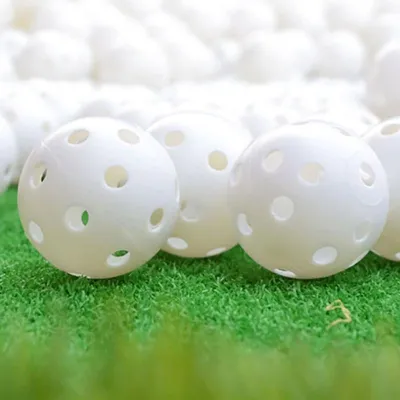
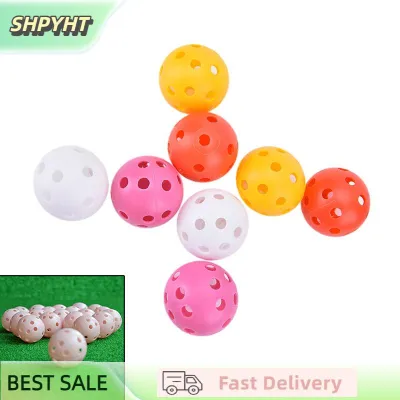
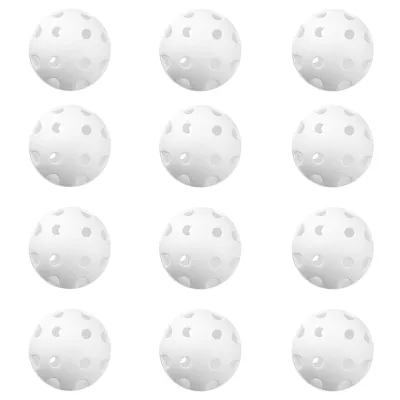
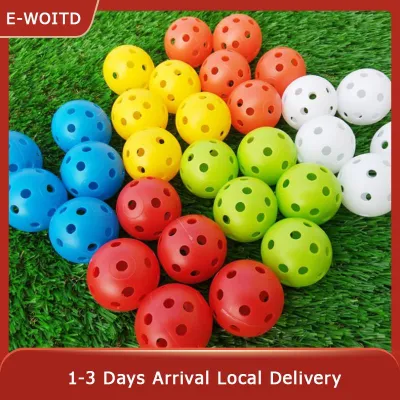
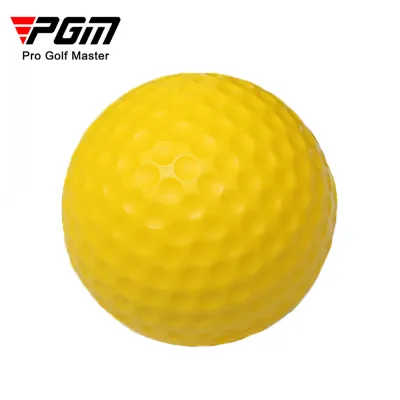
Prices are valid at publication and may change. Please refer to the product page for the latest price.
Material Density and Wall Thickness
The rigidity of a plastic golf ball directly influences the feedback you feel through the club shaft upon impact. High-density plastics, such as heavy-duty polyethylene, offer a firmer feel that closely resembles the click of a real golf ball. These balls retain their shape well over time and transfer energy efficiently, allowing you to gauge the quality of your strike.
Conversely, thin-walled or highly flexible plastics tend to feel mushy or soft when hit. While these softer options are excellent for protecting delicate indoor surroundings, they offer very little tactile feedback, making it difficult to tell if you hit the ball flush or off the toe. When evaluating product specifications, look for terms like “impact-resistant” or “thick-walled” to ensure the ball can withstand repeated high-velocity impacts.
Hole Patterns and Aerodynamics
The design of the holes on a plastic golf ball determines its aerodynamic drag and flight stability. Balls with large, wide slots or oversized holes are designed to maximize air resistance, which rapidly slows the ball down and limits its total travel distance. These are ideal for very tight spaces where you want the ball to drop quickly after impact.
For a more realistic flight path, look for plastic balls featuring micro-holes or dimple-like patterns. These designs allow a small amount of air to pass through while maintaining a semi-solid surface area. This structure mimics the aerodynamic lift of a standard golf ball, allowing you to observe genuine flight characteristics, such as a slice or a hook, over a short distance of ten to fifteen meters.
Weight and Size Compliance
To ensure your practice translates directly to the golf course, your practice balls should match the physical dimensions of standard golf equipment. A regulation golf ball has a diameter of approximately 42.67mm. Practicing with balls that are significantly smaller or larger can disrupt your visual alignment, setup posture, and address position.
While the size should remain constant, the weight of plastic golf balls will always be significantly lower than the 45.93 grams of a regulation ball. Most plastic practice balls weigh between 4 and 12 grams. Opting for balls on the heavier end of this spectrum is highly beneficial, as the extra mass helps maintain a more natural swing tempo and prevents the ball from being easily blown off course by light tropical breezes.
Color and Visibility
Visibility is a major practical consideration, especially when practicing outdoors in the Philippines. Standard white plastic balls can easily disappear into thick, vibrant backyard grass like Carabao grass. Searching for lost practice balls in the heat quickly drains your energy and cuts into your valuable practice time.
Choosing high-visibility neon colors, such as bright yellow, orange, or pink, makes retrieving your balls much easier. If you plan to practice indoors on a dark green hitting mat, selecting contrasting colors will help you track the ball’s initial launch angle and direction more clearly in lower indoor lighting conditions.
Matching Plastic Ball Designs to Practice Drills
Different practice drills require different ball characteristics to be effective. Aligning the design of your plastic golf balls with your specific training goals ensures you get the most accurate feedback possible.

Putting and Chipping Drills
For short-game practice, you need a ball that rolls smoothly and predictably. Solid plastic balls or those with very small micro-holes are the best choice for putting and chipping. Because they lack large, disruptive holes, they roll true across carpets, putting mats, or closely cropped backyard grass without wobbling or hopping.
These heavier, solid designs also provide realistic green-speed feedback. When practicing short chips, they react consistently off the clubface, allowing you to develop a reliable feel for distance control and landing spots before you transition to a real green.
Full Swing and Driver Practice
When you want to practice full swings with your irons or driver, safety and distance control become your primary concerns. For these high-speed swings, you should opt for lightweight, aerated plastic balls. The built-in holes create massive drag, ensuring that even a powerful swing will only send the ball a short distance.
This limited flight allows you to swing with full force in a typical backyard without worrying about sending the ball into a neighbor’s yard. Despite the short flight, the aerodynamic drag will still exaggerate any side-spin you put on the ball, giving you an immediate visual indicator of whether you are slicing or hooking your shots.
Indoor and Confined-Space Training
If your practice space is limited to a living room, garage, or hallway, protecting your home is the absolute priority. In these environments, you should look for softer, more pliable plastic variants, such as those blended with EVA foam or flexible polymers.
These softer materials absorb the force of the impact, significantly reducing the risk of denting drywall, scratching furniture, or cracking glass if a shot goes astray. They also make much less noise upon impact, allowing you to practice early in the morning or late at night without disturbing your household or neighbors.
Bunker and Rough Simulation
Practicing escapes from thick backyard grass or a DIY sand bucket requires a ball that can handle resistance. Standard lightweight plastic balls often get stuck or fly erratically when hit out of deep lies. For these drills, heavier plastic balls are highly recommended.
The extra weight helps the ball push through the grass or sand, allowing you to practice the aggressive, downward striking motion needed for real bunker and rough play. Using plastic balls for these drills also protects your expensive wedges from being scratched by hidden stones or debris in your yard.
Understanding Performance Limits and Durability
While plastic golf balls are incredibly useful training tools, they have distinct performance limits. Setting realistic expectations and knowing how to care for your balls will ensure you get the most value out of your purchase.
Flight Distance and Trajectory Limits
It is important to understand that plastic golf balls cannot replicate the exact compression, spin rates, or launch angles of real multi-layer urethane or surlyn golf balls. Because they are so light, they do not compress against the clubface, meaning you will not get accurate distance data.
Instead of using these balls to measure how far you hit each club, focus entirely on your swing mechanics, body rotation, and contact consistency. Use the ball’s short flight path as a simple directional guide rather than a measure of your actual on-course yardage.
Impact Resistance and Cracking
High clubhead speeds place immense stress on plastic materials. Brittle, low-quality plastics can easily crack, split, or even shatter when struck by a driver or a low iron. This is not only frustrating but can also leave sharp plastic fragments in your practice area.
Before buying, check product descriptions for terms like “shatterproof” or “high-impact resistance.” Reading user reviews can also give you a clear idea of how well the balls hold up to repeated full-force swings with metal woods and irons.
Weather and UV Degradation
The tropical climate in the Philippines presents a unique challenge for plastic gear. High humidity and intense, direct sunlight can rapidly degrade plastic polymers, making them brittle and highly susceptible to cracking over time.
To prolong the lifespan of your practice balls, never leave them scattered across your lawn or exposed to the sun for extended periods. Store them in a cool, dry, and shaded place, such as a storage bin in your garage, when they are not in use. Some manufacturers offer UV-resistant coatings, which are highly worth looking for if you plan to practice outdoors frequently.
When to Retire a Practice Ball
Using damaged practice balls can ruin your training sessions. Regularly inspect your balls for signs of wear, such as hairline cracks, deep gouges from wedge grooves, or permanent oval deformation.
Once a plastic ball loses its perfect spherical shape or develops a crack, its flight path and roll will become highly erratic. Practicing with a deformed ball can lead to false feedback, causing you to adjust your swing unnecessarily. Retire and replace any damaged balls immediately to keep your practice sessions accurate.
Quick Comparison: Plastic, Foam, and Wiffle-Style Balls
To help you decide if standard plastic is the right choice for your practice setup, it is helpful to compare it against other common practice ball alternatives.
| Ball Type | Flight Distance | Club Feedback | Indoor Safety | Primary Use Case |
|---|---|---|---|---|
| Standard Plastic (Solid/Micro-holed) | Short (10-20 meters) | Moderate to High | Moderate | Backyard chipping, putting, and swing path alignment |
| Foam Balls | Very Short (5-10 meters) | Low | High | Indoor full swings and confined-space practice |
| Large-Hole Wiffle-Style | Extremely Short (<5 meters) | Low to Moderate | High | Tight indoor spaces and basic hand-eye coordination |
Each of these options comes with distinct trade-offs. Foam balls offer the highest level of safety for indoor use, but they lack realistic weight and can be easily carried away by the slightest breeze outdoors. Large-hole wiffle-style balls are incredibly durable and restrict distance heavily, but they offer very poor roll consistency for putting and chipping.
Standard plastic balls, particularly those with solid cores or micro-holes, offer the best middle ground. They provide enough weight to resist light wind and roll smoothly, while still limiting flight distance enough for safe backyard use. Evaluate your primary practice environment first to determine which category fits your needs.
Purchasing Checklist for Online and Local Retailers
When you are ready to purchase plastic golf balls from local sports shops or online marketplaces in the Philippines, use this checklist to ensure you get a high-quality product that offers great value.
- Calculate the Cost per Ball: Compare prices across different pack sizes. Online sellers often offer bulk packs of 12, 24, or 50 balls. If you practice outdoors where balls can easily get lost in bushes, buying in bulk is highly economical. For indoor use, a smaller pack of premium, durable balls may be a better investment.
- Verify Dimensions and Materials: Read the product description carefully to ensure the balls are close to the standard 42mm diameter. Avoid generic toy balls, which are often too large, too light, or made of thin, brittle plastic that will split on your first swing.
- Check User Reviews for Durability: Look for feedback from other golfers. Pay close attention to reviews that mention using the balls with drivers or irons. If multiple buyers report that the balls cracked after only a few hits, look for a more durable option.
- Review the Return and Replacement Policy: Ensure the retailer offers a clear return policy. This protects you in case the balls arrive squashed, deformed, or damaged due to poor packaging during transit.
Frequently Asked Questions (FAQ)
Can I use plastic golf balls with my premium driver and irons?
Yes, plastic golf balls are generally safe to use with premium clubs. Because plastic is much softer than steel or titanium, it will not scratch or damage your clubfaces or grooves. However, high-speed impacts can sometimes cause hard plastics to crack or leave a light plastic residue on the clubface. It is always a good practice to wipe down your clubfaces and clean the grooves after a practice session to remove any debris.
Do plastic golf balls help improve my actual on-course scores?
Yes, when used correctly, plastic golf balls can significantly improve your game. They are excellent tools for working on your swing mechanics, tempo, alignment, and hand-eye coordination. Because they limit flight distance, they allow you to practice more frequently at home. However, because they do not replicate true spin rates or distance, you should always transition to real golf balls at a driving range or course to finalize your distance gapping and short-game feel before a round.
Community discussion
Share your experience or ask a question. Comments are reviewed before publication.