
Selecting the right Rudy Project cycling accessories in the Philippines depends entirely on matching the specific demands of your route with the tropical climate. Because local rides range from high-humidity coastal flats to steep, rain-slicked mountain passes, a single helmet or pair of sunglasses cannot serve every scenario equally well. To make an informed choice, you must evaluate how specific gear features—such as ventilation ports, lens tints, and adjustable retention systems—perform under intense heat, sudden downpours, and varying terrain. Investing in the correct gear profile not only enhances your comfort during long hours in the saddle but also ensures your protective equipment functions reliably when you need it most.
Understanding Your Riding Style and Local Conditions
Every cycling discipline presents unique physical challenges that dictate your gear requirements. Road cyclists often maintain high speeds over long distances, requiring aerodynamic efficiency and continuous cooling. Mountain bikers and gravel riders navigate uneven terrain, low-hanging branches, and loose debris, which demands enhanced physical coverage and high-impact protection. Meanwhile, urban commuters prioritize visibility, ease of adjustment, and versatility for stop-and-go traffic.
The tropical climate of the Philippines introduces environmental factors that directly affect gear performance. High ambient temperatures and intense humidity accelerate perspiration, which can lead to fogged eyewear and saturated helmet padding. Intense ultraviolet (UV) radiation requires reliable optical protection to prevent eye strain during long midday rides. Sudden tropical rainstorms also demand gear that can handle rapid transitions in light and wet conditions without compromising your safety.
Products mentioned in this guide
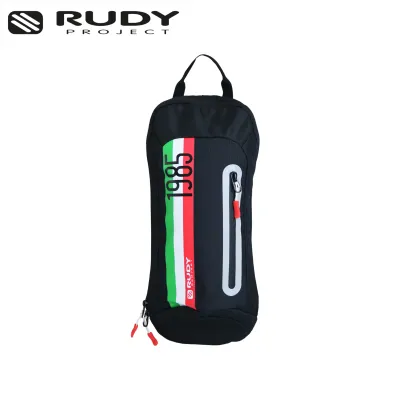
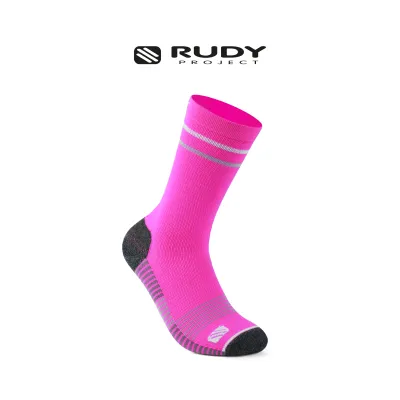
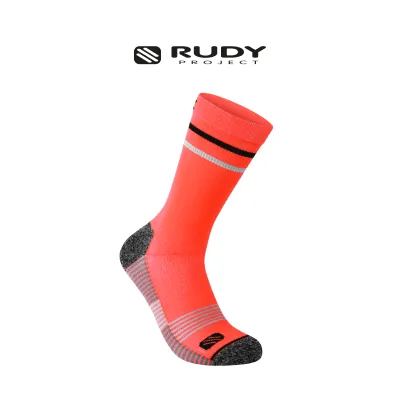
Prices are valid at publication and may change. Please refer to the product page for the latest price.
Your personal sweat rate and head shape are critical factors in long-ride comfort. A helmet that fits poorly or lacks adequate sweat-channeling channels can cause perspiration to drip directly into your eyes, compromising your vision and safety. Selecting gear with adjustable retention systems and moisture-wicking materials helps mitigate these climate-induced challenges, allowing you to focus entirely on the road or trail ahead.
Key Selection Criteria for Cycling Helmets
When evaluating cycling helmets, balancing aerodynamic efficiency with ventilation is essential for riding in hot weather. While fully enclosed aero helmets reduce drag, they can trap heat on slow, steep climbs. For tropical riding, look for helmets featuring multiple intake and exhaust vents that channel air over your scalp, allowing heat to escape even at lower speeds. This continuous airflow is vital for preventing heat exhaustion during long climbs under the midday sun.

The retention system and internal padding are your primary defenses against discomfort and slippage. Look for micro-adjustable dials at the rear of the helmet that allow you to fine-tune the fit with one hand. Padding should be removable, washable, and constructed from quick-drying fabrics that manage heavy sweat without retaining odors. Some designs incorporate specialized brow pads that redirect sweat away from your eyes and onto the sides of your face.
Safety certifications are non-negotiable indicators of structural integrity. Before purchasing, verify that the helmet packaging or the inner liner displays recognized safety standard labels, such as CE EN 1078 or CPSC. These labels confirm the helmet has undergone standardized impact testing, though you should always inspect the outer shell and EPS foam liner yourself for any visible cracks or defects. Remember that safety equipment is designed to manage impact forces, but it cannot replace proper riding technique and situational awareness.
Weight distribution plays a significant role in neck fatigue during extended rides. A lightweight helmet that distributes its mass evenly across your head reduces pressure points and muscle strain. Look for adjustable lateral dividers on the chin straps to ensure the straps sit comfortably below your ears without chafing, allowing for a secure fit that remains comfortable for hours.
Choosing the Right Eyewear and Lens Technology
Selecting the appropriate lens technology is crucial for maintaining clear vision through changing light conditions. Photochromic lenses automatically adjust their tint level based on UV exposure, making them highly suitable for rides that transition from bright coastal roads to shaded mountain canopies. Conversely, fixed-tint lenses are excellent for consistent, bright daylight, provided you choose a tint category that matches your typical riding hours. Understanding the light transmission properties of each lens helps you select the right option for your usual routes.
High humidity frequently causes lens condensation, especially when you stop at intersections or climb slowly. To prevent fogging, look for eyewear designs that incorporate strategic venting along the frame edges or the lenses themselves. These vents encourage continuous airflow, clearing moisture quickly once you resume moving. Anti-fog coatings applied to the inner surface of the lens also provide an extra layer of defense against condensation.
Perspiration can cause sunglasses to slide down your nose, distracting you during critical maneuvers. Verify that the eyewear features hydrophilic rubber or specialized grip materials on the nose pads and temple tips. These materials are designed to increase their grip when exposed to moisture, keeping the frame securely in place during heavy sweating. Adjustable nose pieces are also valuable for customizing the distance between the lens and your face to optimize airflow.
The curvature and wrap angle of the frame determine both your peripheral vision and your level of physical protection. A wrap-around design shields your eyes from wind, dust, insects, and side-glare. Ensure the frame shape does not obstruct your peripheral view, allowing you to spot passing vehicles or trail obstacles without turning your head excessively. This wide field of vision is essential for maintaining situational awareness in busy environments.
Matching Gear Profiles to Specific Cycling Disciplines
To optimize your riding experience, you should align specific helmet and eyewear features with the distinct demands of your chosen cycling discipline. No single setup excels in every environment, so matching your gear profile to your primary riding style ensures the best balance of protection, comfort, and performance.
Road Cycling and Racing
For road cycling and racing on paved surfaces, minimizing weight and maximizing airflow are paramount, particularly during long climbs under the sun. Look for helmets that prioritize lightweight construction without compromising structural coverage. Excellent ventilation is necessary to keep your head cool when riding speeds vary on steep ascents.
Road surfaces present hazards like potholes, loose gravel, and oil slicks that require rapid detection. High-contrast lenses help sharpen road details and improve depth perception, allowing you to spot surface irregularities early. These lenses are especially beneficial when transitioning between bright sunlight and tree-shaded asphalt.
Your riding posture on a road bike is typically aggressive and forward-leaning. Eyewear with aerodynamic, rimless, or half-frame profiles prevents the upper frame from blocking your line of sight when your head is down. Ensure the helmet’s brow design integrates seamlessly with the top of your sunglasses to maintain an unobstructed field of view.
Mountain Biking and Gravel Riding
Off-road riding demands enhanced protection due to the unpredictable nature of trails and gravel paths. Look for helmets that offer extended coverage around the temples and the back of the head to protect against low-side falls. Reinforced internal structures help maintain helmet integrity during impacts with branches or rocks.
Trail conditions feature rapidly changing light as you move in and out of forested areas. Impact-resistant polycarbonate lenses are essential to protect your eyes from flying debris, dirt, and low-hanging twigs. Select lens tints that enhance contrast in low-light or dappled forest environments, helping you read the terrain accurately.
Vibrations from rough trails can easily displace your gear. A highly secure, bounce-free retention system on both your helmet and eyewear is critical. Check that the helmet’s rear dial locks firmly into place and that the sunglasses have adjustable temples that wrap securely behind your ears to prevent slipping on technical descents.
Urban Commuting and Leisure Riding
Urban commuters navigate a complex mix of bright open avenues and shaded city streets. Versatile lenses that offer clear vision in mixed lighting are ideal for these environments. Photochromic lenses or clear-to-medium tints provide the flexibility needed to handle early morning commutes, midday sun, and evening rides home.
For daily use, prioritize long-term comfort and durability over extreme weight savings. Look for robust frame materials that can withstand being packed into a commuter bag or dropped occasionally. Helmets with simple, durable adjustment mechanisms ensure you can quickly secure your fit before heading out into traffic.
Visibility is a primary safety concern when sharing the road with motorized vehicles. Consider helmets that feature integrated mounts for rear safety lights or reflective elements on the shell and straps. These features help increase your visibility to drivers, especially during sudden tropical downpours or low-light evening commutes.
Pre-Purchase Checks and Authenticity Verification
To ensure you are purchasing genuine Rudy Project equipment that meets safety standards, always verify the seller’s authorized dealer status. When shopping on online marketplaces or visiting physical retail stores, look for official dealer badges or certificates. Purchasing from unauthorized sources increases the risk of acquiring counterfeit products that lack proper impact protection.
Carefully inspect the product packaging, serial numbers, and included accessories upon receipt. Genuine helmets and eyewear typically arrive in high-quality packaging with clear, printed safety documentation, a user manual, and a dedicated storage case or microfiber pouch. Check that the serial numbers on the product match those on the box and warranty card.
Before your first ride, perform a thorough physical fit test at home or in the store. Put on the helmet and tighten the retention dial; it should sit snugly on your head without causing painful pressure points. Shake your head gently from side to side to ensure the helmet does not shift excessively. For eyewear, verify that the nose pads rest comfortably on your nose bridge and that the frame does not pinch the sides of your head.
Review the manufacturer’s warranty terms and the availability of local after-sales support. Genuine products are backed by warranties covering manufacturing defects, which can be claimed through authorized local distributors. Keep your proof of purchase in a safe place, as it is required to initiate any warranty claims or replacement services.
Frequently Asked Questions (FAQ)
How do I properly clean and maintain photochromic lenses?
To preserve the optical clarity and specialized coatings of your photochromic lenses, clean them using only manufacturer-approved microfiber cloths and mild lens cleaning solutions. Avoid using household glass cleaners, dish soaps, or paper towels, as these can strip away protective coatings and scratch the lens surface. When not in use, always store your eyewear in a hard protective case to shield it from dust, heat, and accidental impacts.
Can I use my road cycling glasses for mountain biking?
While you can physically wear road cycling glasses on trails, they may not provide the specific protection needed for off-road riding. Road-specific eyewear often features lighter frames and tints optimized for bright, open asphalt, which can make trail obstacles hard to see in shaded forests. Additionally, trail riding requires higher impact resistance and a more secure, bounce-free grip to handle constant vibrations and potential debris strikes.
Community discussion
Share your experience or ask a question. Comments are reviewed before publication.