
Finding the right bicycle for a girl aged 9 to 12 in the Philippines involves balancing physical growth, local road conditions, and riding confidence. At this transitional age, children are often too large for small sidewalk toys but might not yet have the physical reach or handling skills for adult-sized frames. The ideal choice is not a one-size-fits-all solution; instead, it depends heavily on where she plans to ride, whether that means flat subdivision pavements, gravel-strewn barangay roads, or local dirt paths. By evaluating her current skill level and matching it with the specific design features of city, mountain, BMX, or hybrid bikes, you can select a model that ensures both safety and long-term enjoyment.
Understanding Her Riding Environment and Skill Level
Before browsing local bike shops or online catalogs, take a close look at the physical environment where the bike will be used most frequently. In many Philippine neighborhoods, riding surfaces can vary dramatically within a single block. A quiet subdivision might offer smooth, flat concrete, while outer barangay roads often feature a mix of cracked asphalt, loose gravel, sudden potholes, and steep inclines. If she will primarily ride on flat, paved driveways or dedicated park paths, a simpler and lighter bike design is highly suitable. Conversely, if her daily routes involve navigating uneven terrain, dirt paths, or muddy patches after a tropical downpour, she will benefit from a bike built to handle rougher surfaces.
Her current physical coordination and cycling experience are equally critical factors in this decision. A child who is still learning to balance or who struggles with hand-eye coordination will require a highly stable bike with intuitive, easily reachable brakes. If she is transitioning from training wheels, a heavy bike with complex gear systems can feel overwhelming and discourage her from riding altogether. On the other hand, an experienced young rider who has already mastered basic balance and hand brakes might feel limited by a single-speed cruiser and may be ready to learn how to shift gears to tackle local hills.
Products mentioned in this guide
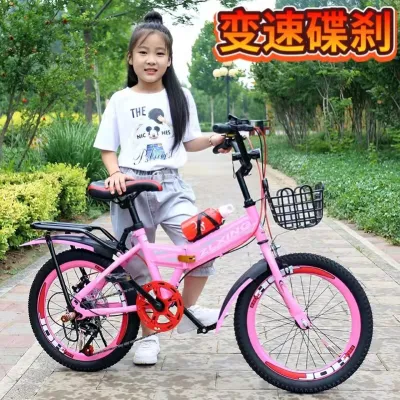
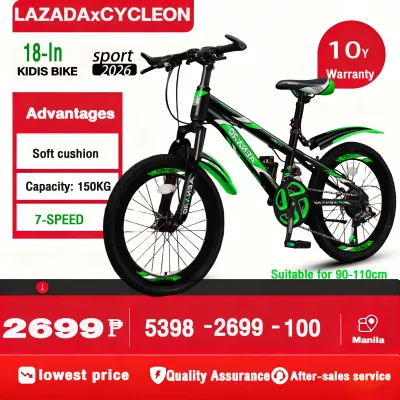
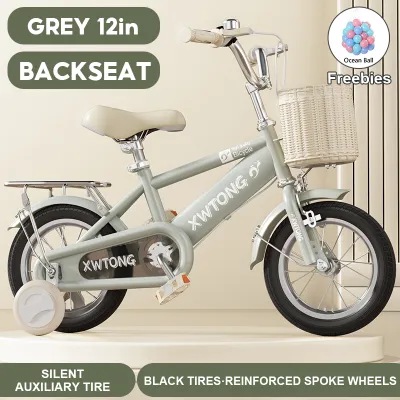
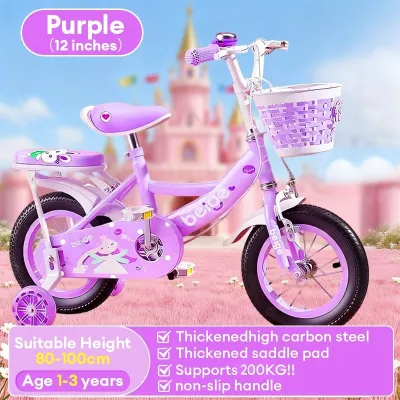
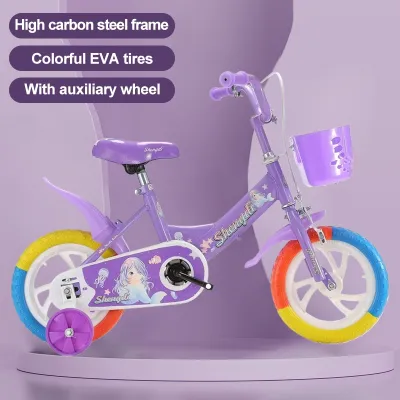
Prices are valid at publication and may change. Please refer to the product page for the latest price.
Finally, clarify the primary goal of the purchase. Is the bike intended for casual afternoon play with neighborhood friends, weekend family trail rides, or active sports and trick riding? Defining this purpose helps narrow down the category quickly. A bike designed for long-distance comfort will look and perform very differently from one built for short, high-intensity bursts of speed or skatepark tricks.
Comparing Bike Types for 9 to 12-Year-Old Girls
Selecting the right category requires understanding how different frame geometries, tire widths, and braking systems perform under specific conditions. There are four primary bike types available for this age group: city, mountain, BMX, and hybrid models. Each category represents a distinct set of engineering trade-offs, meaning that a feature that makes a bike excellent for one environment might make it difficult to ride in another.

To make an informed choice, parents should focus on how these design differences impact stability, weight, and ease of control. A heavier frame might offer durability but can tire out a smaller rider on uphill climbs, while lightweight components might require more careful maintenance on rough roads.
City and Cruiser Bikes
City and cruiser bikes are designed primarily for comfort, simplicity, and casual riding on flat, paved surfaces. These models typically feature an upright riding position that allows the rider to sit comfortably without hunching forward, which provides excellent forward visibility and reduces strain on the back and wrists. Many city bikes designed for girls in this age bracket come equipped with practical accessories such as front baskets, rear racks, and mudguards, which are highly useful for carrying personal items or school gear while keeping mud splashes off clothing during the rainy season.
The braking systems on these bikes are often straightforward, utilizing either traditional hand-operated rim brakes or intuitive coaster brakes, which engage when the rider pedals backward. The tires are generally smooth and moderately wide, offering a stable and cushioned ride on concrete or asphalt.
However, city and cruiser bikes have distinct limitations that make them unsuitable for more rugged adventures. Their heavier frames and lack of multiple gear ratios make climbing steep hills highly challenging for a young rider. Additionally, the smooth tire treads offer very little traction on loose gravel, wet grass, or muddy paths, which can lead to slipping if ridden off-road.
Mountain Bikes (MTB)
Mountain bikes are built to withstand the physical demands of off-road trails, dirt paths, and uneven neighborhood streets. For a 9 to 12-year-old girl, a youth-sized mountain bike offers exceptional durability and versatility, especially in areas where road maintenance is inconsistent. Key features of these bikes include wide, knobby tires that provide a strong grip on loose dirt, gravel, and wet surfaces, as well as front suspension forks designed to absorb shocks from bumps and potholes.
Most youth mountain bikes come equipped with multiple gears, allowing the rider to adjust pedaling resistance to climb steep hills or maintain speed on flat stretches. This gear system is highly beneficial for developing advanced riding skills, though it does require some practice to master.
The primary trade-off with mountain bikes is their weight and rolling resistance. The heavy-duty frames and thick, knobby tires make these bikes heavier and slower on smooth pavement compared to city or hybrid models. If she plans to ride almost exclusively on flat concrete, the extra weight and complexity of a mountain bike’s suspension and gear systems may add unnecessary physical effort to her rides.
BMX Bikes
BMX bikes are highly specialized machines designed for skateparks, pump tracks, and freestyle trick riding. Characterized by their compact frames, 20-inch wheels, and single-speed drivetrains, these bikes are incredibly robust and built to survive frequent drops and impacts. The low seat position and upright handlebars give the rider maximum maneuverability, allowing them to stand up on the pedals easily to perform jumps or navigate obstacles.
Many BMX models feature 360-degree rotating handlebars, often called a gyro system, which allows the bars to spin completely without tangling the brake cables. This makes them the go-to choice for active girls who are interested in learning tricks, visiting local skateparks, or participating in dirt track racing.
Despite their durability, BMX bikes are highly impractical for general transportation or long-distance riding. The low seat height makes sitting down while pedaling uncomfortable over long stretches, and the lack of gears makes climbing even minor hills exhausting. Without suspension, riding a BMX over rough, potholed streets for extended periods can also cause significant hand and wrist fatigue.
Hybrid Bikes
Hybrid bikes combine the best characteristics of road, city, and mountain bikes to create a versatile, multi-purpose option. They typically feature lightweight frames, flat handlebars for upright control, and medium-width tires that strike a balance between speed on pavement and grip on light dirt or gravel. This makes them an excellent choice for girls who want a single bike that can handle both neighborhood streets and weekend family rides on hardpacked park trails.
Hybrids often include a moderate range of gears, giving the rider enough flexibility to tackle hills without the extreme complexity or weight of a full mountain bike drivetrain. Their lightweight construction makes them easier to accelerate, steer, and carry over small obstacles or up steps.
While highly versatile, hybrid bikes are a compromise design. They do not possess the heavy-duty suspension or aggressive tire treads needed for technical, rocky mountain bike trails, nor do they have the specialized structural reinforcement required for BMX tricks. For general recreational riding across mixed surfaces, however, they offer an outstanding balance of performance and ease of use.
Sizing and Fit: Getting the Right Wheel and Frame Size
Ensuring a proper fit is the single most important factor in keeping a young rider safe and confident. Unlike adult bikes, which are sized by the frame, kids’ bikes are categorized primarily by wheel diameter. For girls aged 9 to 12, the transition typically happens between 20-inch, 24-inch, and occasionally 26-inch wheels, depending on her height and physical growth rate. A bike that is too large will be difficult to steer, balance, and stop, while a bike that is too small will cause knee discomfort and limit her riding efficiency.
To determine the correct size, do not rely solely on age charts; instead, measure her height and inseam. Have her stand flat-footed against a wall and measure the distance from the floor to her crotch. When she stands over the top tube of the bicycle with both feet flat on the ground, there should be a clear gap of at least one to two inches between her body and the frame. This standover height is crucial for safety, as it ensures she can quickly dismount the bike in an emergency without colliding with the metal frame.
Additionally, check her reach to the handlebars and brake levers. When sitting on the saddle, she should be able to comfortably reach the handlebars with a slight bend in her elbows, allowing for responsive steering. Her fingers must easily wrap around the brake levers without straining, and she should have enough hand strength to fully compress the levers to stop the bike. Look for models with adjustable seat posts and handlebar stems, which allow you to raise the components as she grows, extending the usable lifespan of the bike over several seasons.
Essential Safety Gear and Accessories
Equipping your child with the correct safety gear is non-negotiable for preventing injuries and building riding confidence. The most critical piece of equipment is a properly fitted bicycle helmet. When shopping, look for helmets that carry recognized safety certification labels, such as the Product Safety (PS) mark or Import Commodity Clearance (ICC) sticker in the Philippines, or international standards like CPSC or CE. The helmet must sit level on her head, covering the forehead, with the chin strap adjusted snugly so that no more than two fingers can fit between the strap and her chin. Always replace a helmet immediately after any significant impact, even if no visible cracks are present, as the internal protective foam may be compromised.
For beginners or those exploring rougher terrains, physical protection like lightweight knee and elbow pads can prevent painful scrapes and bruises. Ensure she always wears closed-toe shoes with good grip, such as sneakers, rather than sandals or slippers, to protect her feet from slipping off the pedals or getting caught in the chain. Brightly colored or reflective clothing is also essential, especially during overcast afternoons or early evening rides, to ensure she remains highly visible to motorists and pedestrians.
Practical accessories can significantly enhance both safety and convenience. A loud, easy-to-reach bell is highly useful for alerting pedestrians on shared pathways or narrow neighborhood streets. Installing a water bottle cage on the frame encourages hydration during hot, humid tropical days. Finally, if she will be riding near dusk, equip the bike with a bright white front headlight and a red rear flashing light to ensure visibility in low-light conditions.
Where to Buy and What to Check Before Purchasing
When deciding where to purchase a bike, weigh the convenience of online marketplaces against the personalized service of a specialized local bike shop. While online platforms often offer a wider variety of styles and competitive pricing, the bike will typically arrive partially assembled in a box. Incorrect home assembly can lead to mechanical failures, loose handlebars, or misaligned brakes, which pose serious safety risks. Purchasing from a local bike shop ensures that the bicycle is professionally assembled, tuned, and adjusted specifically to your child’s physical measurements before you take it home.
Before finalizing any purchase, perform a thorough physical inspection of the bicycle. Squeeze the brake levers to verify they are highly responsive and do not pull all the way back to the handlebar grips. Spin both wheels to ensure they rotate smoothly without wobbling or rubbing against the brake pads, and check that the tires are inflated to the manufacturer’s recommended pressure range printed on the sidewall. If the bike has gears, shift through the entire range to confirm the chain moves smoothly between sprockets without slipping or making grinding noises.
Finally, verify the manufacturer’s warranty terms, particularly regarding the frame and major components. Confirm whether the local shop offers free initial tune-ups or ongoing maintenance services, as new brake and gear cables naturally stretch and require adjustment after the first few weeks of active riding.
Frequently Asked Questions (FAQ)
How do I know if she is ready to transition to a 24-inch bike?
She is generally ready to transition to a 24-inch bike when her height reaches approximately 4 feet 5 inches (around 135 cm) and her current 20-inch bike looks visibly cramped, with her knees rising close to the handlebars while pedaling. Physically, she should display strong balance, confident steering, and the ability to operate hand brakes effectively, as a 24-inch bike features a heavier frame and a higher center of gravity. If she can stand over the frame of a 24-inch bike with both feet flat on the ground and still maintain a safe clearance gap, she has the physical size required to handle the larger wheel size safely.
Should I buy a bike with gears or a single-speed for a beginner?
For an absolute beginner, a single-speed bike is highly recommended because it eliminates the distraction of gear shifting, allowing her to focus entirely on mastering balance, steering, and braking. Single-speed bikes are also lighter, mechanically simpler, and require far less maintenance, making them ideal for flat neighborhood streets and paved driveways. However, if she already rides confidently and your local area features hilly terrain or gravel paths, a bike with a simple 6-speed or 7-speed gear system is a better investment, as it will allow her to climb inclines comfortably and keep pace with family members on longer rides.
Community discussion
Share your experience or ask a question. Comments are reviewed before publication.