
Selecting the right fitness equipment for a high-rise home in the Philippines requires balancing personal fitness goals with the realities of limited floor space. In a typical Metro Manila condominium, where studio and one-bedroom units often range from 20 to 40 square meters, every square meter of floor space is highly valuable. To maintain a comfortable living environment while staying active, the ideal solution is an exercise bike that offers a compact footprint, quiet operation, and easy mobility without sacrificing structural stability.
For most condo dwellers, folding exercise bikes or compact upright bikes with magnetic resistance provide the best balance. These models allow you to perform regular cardiovascular workouts without permanently dedicating a large portion of your living room or bedroom to gym equipment. By understanding the specific spatial, structural, and mechanical characteristics of different exercise bikes, you can make an informed decision that fits both your fitness routine and your home layout.
Assessing Your Condo Space and Layout Before Buying
Before browsing online marketplaces or visiting local fitness showrooms, you must accurately measure your available floor area. Start by mapping out a dedicated footprint where the bike will sit during use. While a manufacturer’s specifications will provide the static length and width of the bike’s base, you must also account for dynamic space. This includes the outward flare of your knees while pedaling, the forward reach of your arms on the handlebars, and the necessary clearance of at least 0.5 to 1 meter around the machine for safe mounting and dismounting.
Products mentioned in this guide
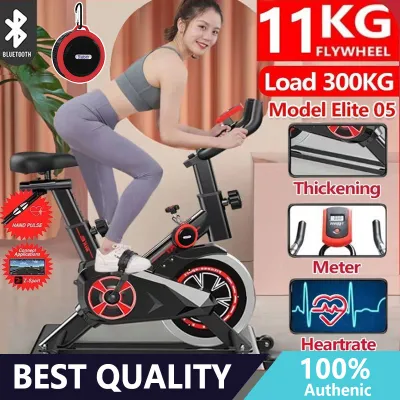
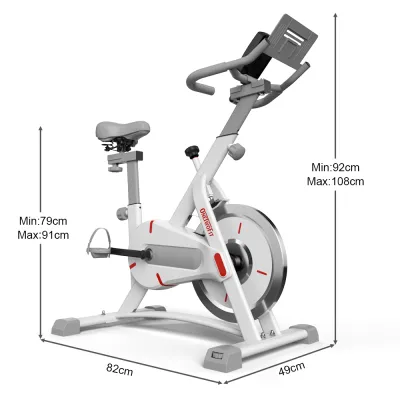
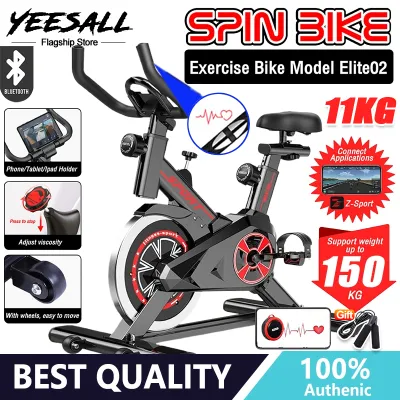
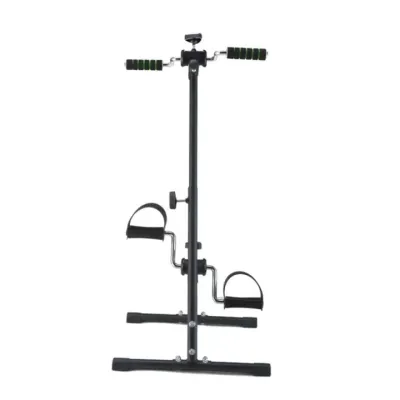
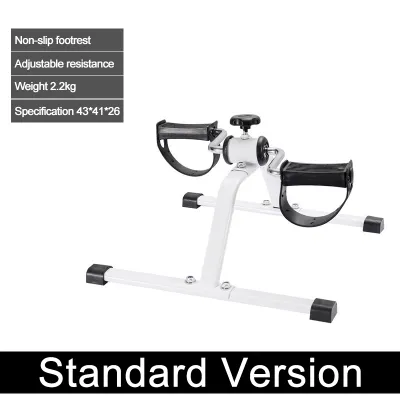
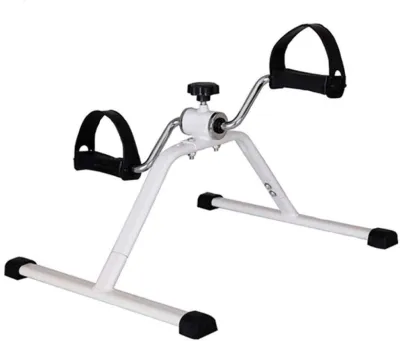
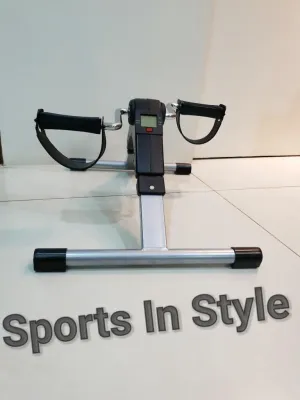
Prices are valid at publication and may change. Please refer to the product page for the latest price.
Logistical constraints are equally important when bringing heavy fitness equipment into a high-rise residential building. Measure the width of your condo unit’s main doorway, interior doors, and the dimensions of the building elevator and stairwells. Many exercise bikes are delivered in large, heavy boxes that may not fit through narrow, turning hallways or standard elevator doors. Confirming these measurements beforehand prevents the frustration of receiving a delivery that cannot physically enter your home.
Living in a shared building also means considering structural factors like floor load capacity and noise transmission. High-density concrete floors are excellent for supporting weight, but low-frequency vibrations from pedaling can easily travel through the floor to the unit below. Choosing a bike with a smooth belt-drive system and placing it on a specialized dampening mat will help maintain good relations with your neighbors.
Comparing Exercise Bike Types for Limited Spaces
Different styles of exercise bikes occupy space in distinct ways, and each offers a unique set of trade-offs regarding stability, workout intensity, and storage convenience.

Folding Exercise Bikes
Folding exercise bikes are designed specifically for ultra-compact homes where floor space must be reclaimed after every workout. These models feature a scissor-style frame that collapses vertically, allowing you to roll the bike into a narrow closet, utility room, or behind a sofa when not in use. They are lightweight, typically weighing under 20 kilograms, making them easy to lift and maneuver.
However, the folding design requires structural trade-offs that limit high-intensity training. The lightweight frame and narrow base offer less stability, meaning they can wobble during fast pedaling or high-resistance workouts. Additionally, folding bikes generally have lower maximum user weight capacities and lighter flywheels, which provide a less fluid pedaling motion and a limited overall resistance range.
Compact Upright Bikes
Compact upright bikes closely mimic the geometry of a traditional outdoor bicycle, keeping the rider in an vertical posture. These machines occupy a moderate, permanent footprint—typically around 100 centimeters in length by 50 centimeters in width. Because they do not fold, they feature more robust steel frames and heavier flywheels than folding models, offering a much smoother and more stable ride.
While they require a dedicated spot in your condo, many compact upright models are designed with a minimalist aesthetic that blends easily into a room’s decor. They are highly suitable for consistent, moderate-intensity cardio sessions. Their main limitation is that they cannot be tucked away completely out of sight, making them better suited for units with a designated corner for fitness.
Indoor Cycling (Spin) Bikes
Indoor cycling bikes, commonly referred to as spin bikes, are built for high-intensity studio-style workouts, standing climbs, and high-cadence intervals. They feature heavy steel frames, low-profile handlebars, and heavy flywheels that generate substantial inertia. This design provides exceptional stability, ensuring the bike remains rock-solid even when you exert maximum force while standing on the pedals.
Despite their relatively narrow width, spin bikes are heavy and visually dense, which can make a small room feel crowded. Their weight—often exceeding 40 kilograms—makes them difficult to move frequently, even with built-in transport wheels. If your fitness program prioritizes high-intensity training and you do not mind dedicating a permanent, prominent space to your equipment, a spin bike is a highly durable choice.
Recumbent Bikes
Recumbent bikes feature a bucket-style seat with back support, positioning the rider’s legs out in front rather than directly beneath the torso. This design minimizes stress on the lower back and joints, making it an excellent option for rehabilitation or low-impact recovery. The wide, padded seat provides a highly comfortable workout experience.
However, this horizontal configuration requires a significantly larger footprint than any other style of exercise bike. Recumbent bikes often exceed 140 centimeters in length, making them highly impractical for tight condo layouts. Unless you have a spacious, multi-room condominium with a dedicated home gym area, a recumbent bike will likely overwhelm your living space.
Key Features That Save Space and Add Value
When evaluating specific exercise bike models, focusing on smart design features can help you maximize your workout potential without increasing the physical size of the machine.
- Magnetic Resistance: Unlike friction resistance, which uses felt pads that press against the flywheel and create a soft rubbing sound, magnetic resistance systems are virtually silent. They use adjustable magnets to control difficulty, eliminating physical wear and tear while ensuring your early morning or late-night workouts do not disturb sleeping family members or neighbors.
- Mobility and Stability: Look for bikes equipped with high-quality transport wheels integrated into the front stabilizer bar. This allows you to tip the bike forward and roll it effortlessly across the floor. Additionally, adjustable leveling feet are crucial for stabilizing the frame on slightly uneven condo tiling or vinyl plank flooring, preventing wobbling during use.
- Console and Connectivity: Large, built-in touchscreens add significant physical bulk, height, and cost to an exercise bike. Choosing a model with a simple LCD console and a secure tablet or smartphone mount allows you to use your own device for entertainment or training apps, keeping the bike's profile sleek and visually unobtrusive.
- Multi-Way Adjustability: If multiple members of your household will use the bike, look for a model that offers both vertical and horizontal seat adjustments, as well as adjustable handlebar height. Proper bike fitting is essential for preventing knee and joint strain, and quick-release adjustment knobs make transitioning between users fast and simple.
Common Space-Measuring and Placement Mistakes
Avoiding common layout planning errors will ensure your exercise bike remains a functional, safe, and pleasant addition to your condominium.
One frequent mistake is measuring only the metal base of the bike while ignoring the active clearance needed for your body. When pedaling, your elbows may flare outward, or your body may lean forward over the handlebars. If the bike is placed too close to a wall, cabinet, or television stand, you risk scraping your knuckles or bumping your knees during a workout.
Placement relative to your condo’s environmental systems is also critical. Avoid placing the bike directly under or next to split-type air conditioning units where condensation might drip onto the console, or in direct afternoon sunlight near large balcony glass. Intense tropical heat and UV exposure can degrade plastic shrouds, warp materials, and damage electronic displays, which can void the manufacturer’s warranty.
Ceiling height is another factor that is easily overlooked, particularly for users planning to ride indoor cycling bikes. If you intend to perform standing climbs, measure your height while standing on the pedals at their highest point to ensure your head clears any ceiling fans, light fixtures, or low-hanging concrete beams.
Finally, always check the manufacturer’s instructions regarding ventilation clearance. Some motorized or high-end magnetic bikes require a small buffer of empty space around the flywheel shroud or power input area to prevent heat buildup during extended training sessions.
Setting Up and Maintaining Your Bike in a Compact Room
Once you have selected the right exercise bike, proper installation and routine care will protect your investment and preserve your living environment.
Always place a high-density PVC or rubber equipment mat beneath your exercise bike. This mat serves several functions: it protects delicate condo flooring—such as laminate, engineered wood, or ceramic tiles—from scratches and sweat, and it absorbs the structural vibrations generated by pedaling, significantly reducing noise transfer to the unit below.
Ensure there is adequate airflow in your workout area. Small rooms can quickly become warm and humid during exercise, which can cause sweat to pool on the floor and the bike frame. Position a small floor fan nearby or set up your bike within range of your air conditioning unit’s airflow to help keep your body cool and manage room humidity.
Regular maintenance is essential for keeping your bike running quietly and safely. Sweat is highly corrosive due to its salt content, so make it a habit to wipe down the handlebars, seat, frame, and console with a soft, damp cloth after every ride. Periodically check the tightness of the pedals, seat post, and stabilizing bolts, as the vibrations from regular use can gradually loosen them over time.
If you ever experience unusual grinding noises, frame instability, or slipping resistance, stop using the bike immediately. Refer to the troubleshooting section of your user manual or contact a qualified local technician to inspect the internal drive belt or magnetic mechanism before resuming your workouts.
Frequently Asked Questions (FAQ)
Can I keep an exercise bike on a condo balcony?
Keeping an exercise bike on a condo balcony is generally not recommended due to the harsh tropical climate of the Philippines. High humidity, salt air in coastal areas, direct sunlight, and sudden torrential rains can quickly rust the steel frame, degrade plastic components, and ruin internal electronic consoles. Most manufacturers explicitly state that outdoor or semi-outdoor storage voids the product warranty.
How do I reduce noise from my exercise bike in an apartment?
To minimize noise, select an exercise bike that uses a magnetic resistance system and a belt-drive mechanism rather than a chain drive. Place the bike on a thick, high-density rubber equipment mat to absorb structural vibrations. Ensure the bike’s leveling feet are perfectly adjusted so the frame does not rock against the floor, and keep the moving parts clean and properly tightened to prevent squeaks.
Community discussion
Share your experience or ask a question. Comments are reviewed before publication.