
Selecting the right fishing bait in the Philippines requires a clear understanding of your target species, the specific aquatic environment, and the prevailing tropical weather conditions. Whether you are casting into the calm waters of an inland volcanic lake or targeting powerful marine predators along a rocky coastline, matching your bait to the natural forage of the area is the key to a successful catch. By evaluating water clarity, tidal movements, and structural depth, you can make informed decisions on whether to use live, natural, or artificial options.
Safety on the water must always be your primary consideration. Before planning any fishing trip, check local weather forecasts, monitor sea conditions, and ensure you are equipped with appropriate personal flotation devices. No amount of high-quality gear or effective bait can replace proper safety training, situational awareness, and the judgment to call off a trip when weather conditions deteriorate.
Quick Answer: Matching Bait to Your Fishing Scenario
To quickly determine the most effective bait for your next outing, you must first identify whether you are fishing in a freshwater or saltwater environment. Freshwater bodies like rivers, reservoirs, and lakes generally favor baits that mimic insects, small frogs, and freshwater shrimp. In contrast, saltwater environments such as estuaries, mangrove channels, and open coastal reefs require durable baits that can withstand strong currents and appeal to highly active marine predators.
Products mentioned in this guide


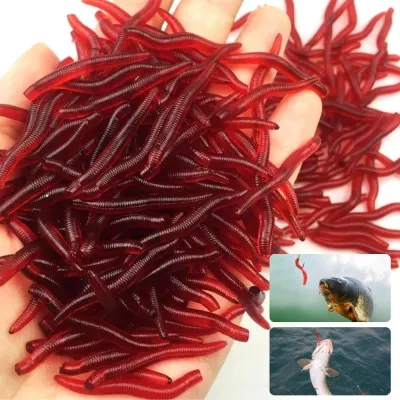
![[COD] 5pcs 10pcs 50pcs Fishing Baits Tackle Fishy Smell Bass Fishing Lure bloodworm EarthWorm Worm Red Baits](https://img.lazcdn.com/g/p/cfc39e0c9a93fa46e96f82458bcd291f.jpg_400x400q80.jpg_.webp)
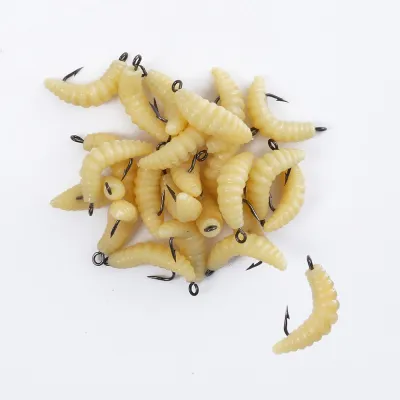
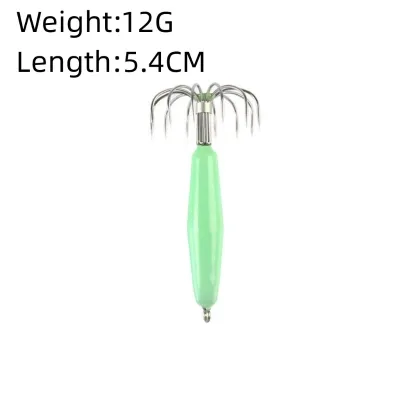
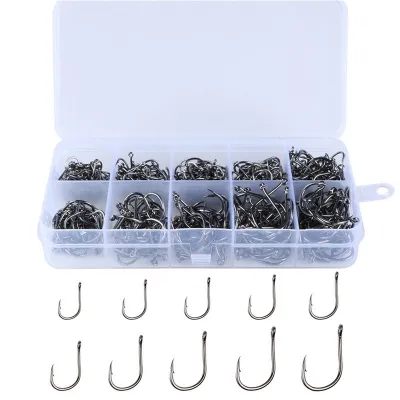
Prices are valid at publication and may change. Please refer to the product page for the latest price.
The following matrix provides a starting point for your selection:
- Freshwater Still Water: Use live earthworms, dough baits, or soft plastic frogs. Target species include tilapia and snakehead (haruan).
- Freshwater Flowing Water: Use inline spinners, spoon lures, or live crickets. Target species include freshwater catfish (hito) and local carp.
- Saltwater Nearshore/Estuary: Use live or cut shrimp (hipon), sliced squid, or soft plastic swimbaits. Target species include snapper (maya-maya) and grouper (lapu-lapu).
- Saltwater Deep Reef/Offshore: Use heavy metal jigs, trolling spoons, or whole baitfish like round scad (galunggong). Target species include trevally (talakitok) and barracuda.
Before heading out, always verify local fishing regulations. Many municipal waters and marine protected areas (MPAs) have strict rules regarding permissible bait types, catch-and-release zones, and the transport of live bait species to prevent the introduction of invasive organisms.
Freshwater Bait Selection for Lakes and Rivers
Inland freshwater environments in the Philippines present distinct challenges depending on whether you are fishing in still lakes or flowing river systems. In still waters, fish have ample time to inspect your offering. This makes natural baits like live earthworms, small freshwater shrimp, and specialized dough baits highly effective, as they release natural scents and move realistically. If you prefer artificial options, highly detailed soft plastic lures that mimic local forage are excellent choices.

Flowing rivers, however, require a different approach. The constant current forces fish to make split-second decisions before the food is swept away. In these environments, high-vibration artificial lures such as inline spinners, crankbaits, and spoon lures are highly effective. The flash and vibration of these lures trigger instinctive predatory strikes even in fast-moving water.
To optimize your presentation, adjust the size, profile, and color of your bait based on water turbidity and structural depth. After heavy tropical rains, rivers and lakes often become highly turbid or muddy. In these conditions, bright colors like chartreuse or very dark colors like black and dark blue provide the best contrast. Lures with built-in rattles or large blades help fish locate the bait using their lateral lines. In clear water, switch to natural, translucent, or realistic baitfish patterns to avoid spooking wary fish.
Successful freshwater angling relies heavily on “matching the hatch.” Observe the shoreline and water surface before rigging your line. If you notice small frogs leaping along the grassy banks, a topwater hollow-body frog lure worked slowly over lily pads is an excellent choice for predatory snakeheads. If small freshwater shrimp are clinging to submerged structures, rigging a live shrimp or a matching soft plastic imitation near those structures will yield the best results.
Saltwater and Coastal Bait Strategies
Saltwater environments demand durable baits and robust tackle capable of withstanding corrosive conditions and powerful fish. Cut bait, such as sliced squid or strips of fresh fish, is a staple for coastal anglers. Squid is exceptionally tough, staying secure on the hook even when targeted by smaller, bait-stealing fish. It releases a strong, oily scent trail that draws bottom-dwelling species like grouper (lapu-lapu) and snapper (maya-maya) out of their rocky crevices.
For active mid-water predators like trevally (talakitok), live bait is often unmatched. Live shrimp (hipon) or small baitfish rigged under a slip float or on a light bottom rig swim naturally, sending out distress vibrations that attract nearby predators. When using artificial lures in coastal areas, heavy-duty metal jigs, sinking minnows, and topwater poppers are excellent for covering large areas of water and mimicking fleeing baitfish.
Adapting your presentation to tidal movements, salinity changes, and strong coastal currents is critical for saltwater success. Fish feed most actively when the tide is moving, as the current transports baitfish and nutrients. Position your bait near natural choke points, reef edges, or deep channels where the current concentrates forage. Be mindful of salinity drops near river mouths after heavy downpours; marine species may move deeper or further offshore to find stable salinity levels, requiring you to fish deeper water with heavier sinkers.
Proper storage and preparation are essential to keep your marine bait appealing. Keep cut bait in a sealed container placed directly on ice inside an insulated cooler; warm, sun-exposed bait quickly softens and loses its structural integrity on the hook. When rigging live shrimp, insert the hook carefully through the tail or just below the head horn, avoiding the dark spot containing the brain, to ensure the bait remains active and swimming naturally for as long as possible.
Adapting to Weather and Water Conditions
Weather patterns in tropical climates can shift rapidly, requiring quick adjustments to your bait presentation. During periods of high water clarity and bright, midday sun, fish often retreat to deeper structures or thick cover to avoid predators and intense light. In these conditions, reduce your bait size, switch to lighter fluorocarbon leaders, and slow down your presentation. Natural baits or highly realistic, unweighted soft plastics fished slowly along the bottom are less likely to alarm cautious fish.
Conversely, when sudden tropical downpours or wind-driven waves muddy the water, visibility drops significantly. To compensate, increase the visibility and sensory output of your bait. Use highly scented natural baits, or apply commercial scent gels to your artificial lures. Lures that generate strong vibrations, such as chatterbaits, wide-wobbling crankbaits, or spinners with large Colorado blades, allow fish to track the bait through vibration rather than sight.
Recognizing when to switch from active lures to passive or natural baits is a crucial skill. If you observe fish following your fast-moving artificial lures but turning away without striking, it is a clear signal that they are highly cautious or inactive. In this scenario, transition to a passive presentation. Suspending a live bait or a piece of fresh cut bait under a float, or slowly bouncing a weighted natural rig along the bottom, often coaxes stubborn fish into biting when active lures fail.
Building a Versatile Bait Kit for Mixed Environments
For anglers who enjoy exploring both freshwater lakes and coastal saltwater shores, assembling a versatile, cost-effective bait kit is highly practical. Several multi-purpose lures can successfully cross over between these environments. Soft plastic paddle-tail swimbaits in neutral colors like white, silver, or translucent grey mimic both freshwater minnows and saltwater baitfish. Similarly, classic metal spoons and inline spinners are highly effective casting lures that attract a wide variety of predatory species regardless of water salinity.
When stocking your kit, balance your budget by combining affordable, consumable natural baits with durable artificial options. Budgeting ₱100 to ₱500 for fresh market squid or shrimp is an inexpensive way to secure highly effective bait for a day of coastal fishing. For your artificial inventory, invest in high-quality soft plastics made from tear-resistant materials that can survive multiple strikes from toothy species, reducing the frequency of replacements.
Proper organization and maintenance of your bait kit are vital to prevent gear damage and spoilage. Keep your freshwater and saltwater tackle strictly separated in dedicated utility boxes. Even a small amount of saltwater residue transferred to freshwater hooks can cause rapid rusting. Use tackle boxes with adjustable dividers and place moisture-absorbing silica gel packets inside to keep hooks dry. Additionally, never store scented soft plastics in the same compartment as standard plastics, as the chemical reactions can cause the lures to melt, warp, or transfer unwanted scents.
Frequently Asked Questions (FAQ)
Can I use the same artificial lures for both freshwater and saltwater fishing?
While many lure shapes and actions work well in both environments, the hardware components differ significantly. Saltwater-rated lures are specifically designed with corrosion-resistant materials, such as tin-plated or stainless steel hooks and heavy-duty split rings, to withstand the highly corrosive nature of marine environments. Freshwater lures typically feature lighter, high-carbon steel hooks that will rust and degrade rapidly after even brief exposure to saltwater. If you choose to use freshwater lures in saltwater, you must thoroughly rinse the entire lure, including the hooks and split rings, in clean fresh water immediately after use to prevent rust and structural failure.
How do I keep live bait alive during a long fishing trip in tropical heat?
Keeping live bait active in tropical climates requires careful temperature and oxygen management. Use an insulated bait bucket or cooler to shield the water from direct sunlight and ambient heat. To lower the water temperature without shocking the bait, place sealed, frozen water bottles inside the container rather than loose ice, which can alter salinity and introduce harmful chlorine as it melts. Equip your container with a reliable, battery-operated aerator fitted with a fine-mist air stone to maintain high dissolved oxygen levels. Avoid overcrowding the bucket, and periodically replace a portion of the water with fresh, clean water from your fishing location to remove waste buildup.
Community discussion
Share your experience or ask a question. Comments are reviewed before publication.