
Managing carpal tunnel syndrome requires a targeted approach to joint stabilization, and finding the right wrist support is a crucial step toward finding relief. A high-quality carpal tunnel wrist support works by keeping the wrist joint in a neutral position, which directly minimizes pressure on the median nerve running through the carpal tunnel. In the tropical climate of the Philippines, selecting a brace involves balancing this structural rigidity with high breathability to prevent sweat buildup and skin irritation. While a wrist support is an excellent conservative management tool, it is important to remember that braces manage symptoms rather than curing the underlying anatomical issue, meaning persistent pain always warrants a professional medical evaluation.
Quick Answer: What to Look For in a Carpal Tunnel Wrist Support
When selecting a wrist support for carpal tunnel syndrome (CTS), your decision should be guided by three primary dimensions: rigidity, breathability, and proper sizing. Rigidity determines when and how you can use the brace. For night use, a highly rigid splint is essential to prevent unconscious wrist bending, while daytime activities require a more flexible brace that permits functional hand movement.
In the hot and humid climate of the Philippines, breathability is a non-negotiable feature. Standard neoprene braces trap heat and sweat, which can quickly lead to skin maceration or fungal infections. Prioritize supports made with perforated materials, open-weave mesh, or moisture-wicking liners.
Products mentioned in this guide
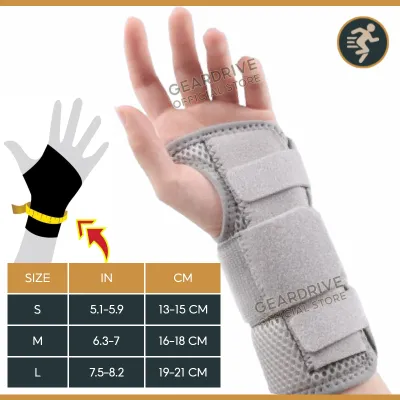
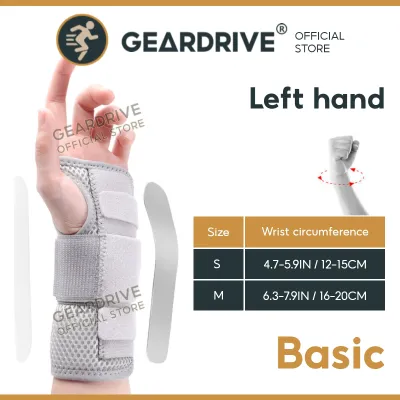
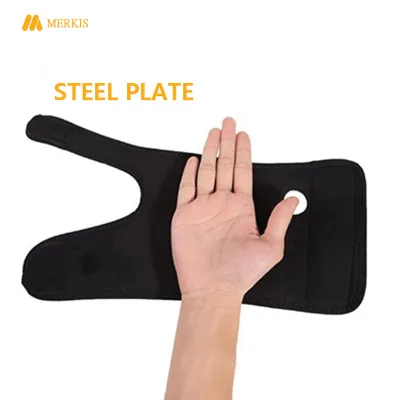
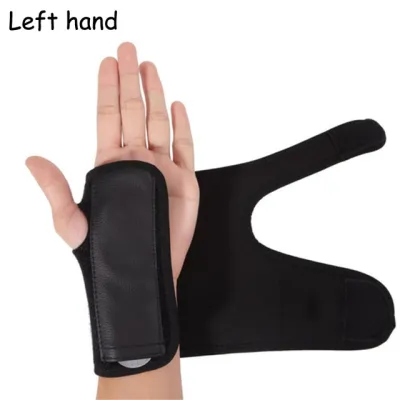
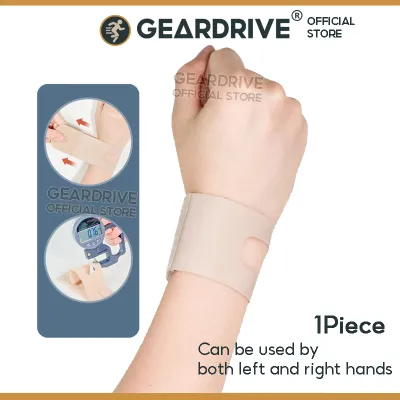
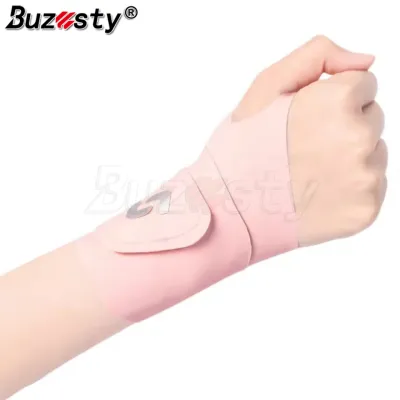
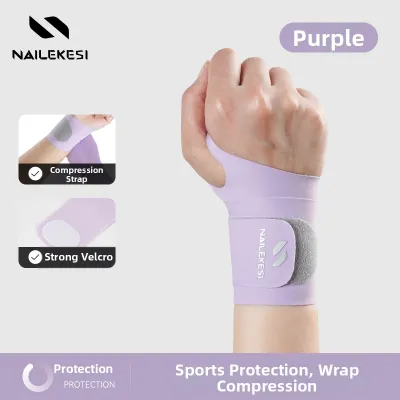
Prices are valid at publication and may change. Please refer to the product page for the latest price.
Finally, the brace must fit correctly to be effective; an ill-fitting support can either fail to stabilize the joint or constrict blood flow, worsening your symptoms. While basic elastic wraps in the local market may cost between ₱300 and ₱800, high-quality therapeutic splints with technical fabrics generally range from ₱1,200 to ₱3,500. Keep in mind that while these braces are highly effective at managing symptoms, they do not cure the underlying condition. If your pain, numbness, or tingling persists or intensifies, seek a professional medical evaluation.
Understanding How Wrist Supports Manage Carpal Tunnel Symptoms
The carpal tunnel is a narrow, rigid passageway of ligament and bones located at the base of your hand. Running through this tight space are the tendons that flex your fingers, alongside the median nerve, which provides sensation to your thumb, index, middle, and part of your ring finger. When you perform repetitive hand movements, grip objects tightly, or rest with your wrists bent, the tendons can become inflamed and swell. Because the carpal tunnel cannot expand, this swelling increases the hydrostatic pressure inside the tunnel, compressing the sensitive median nerve and triggering the classic symptoms of numbness, tingling, and sharp pain.

The primary goal of conservative carpal tunnel management is to achieve “neutral wrist positioning,” which refers to holding the joint straight or at a very slight upward angle of 0 to 15 degrees. Biomechanical studies show that this neutral alignment keeps the carpal tunnel at its maximum physical volume, which minimizes pressure on the median nerve and allows irritated tissues to rest and heal.
A wrist support acts as a physical barrier that prevents your joint from entering extreme flexion (bending downward) or extension (bending upward). By keeping the joint stable, the brace reduces the mechanical friction on the tendons, allowing local inflammation to subside. This structural stabilization provides significant symptom relief, helping to alleviate the tingling and numbness that disrupt daily tasks.
However, it is vital to have realistic expectations. A wrist brace is a management tool, not a structural cure. It cannot physically widen a naturally narrow carpal tunnel, nor can it resolve systemic medical issues like thyroid disorders or rheumatoid arthritis that may contribute to nerve compression. For active individuals and athletes, sports and heavy lifting can place extreme mechanical loads on the wrist, making proper joint stabilization even more critical to prevent micro-trauma and avoid exacerbating nerve compression during physical exertion.
Key Features to Look for in a Tropical Climate
Selecting a wrist brace in the Philippines requires careful attention to material science and design. The year-round high temperatures and relative humidity create a challenging environment for wearable medical supports, making comfort and hygiene top priorities.
- Breathability and Moisture-Wicking: Traditional solid neoprene is a popular material for orthopedic supports because of its durability and excellent compression. However, in tropical climates, solid neoprene acts as an insulator, trapping body heat and sweat against your skin. This continuous moisture can lead to skin breakdown, bacterial accumulation, and fungal infections such as tinea. Look for braces that feature perforated neoprene, open-weave mesh panels, or technical moisture-wicking inner liners. These advanced fabrics encourage continuous airflow and draw sweat away from the skin, keeping your arm cool and dry.
- Washability and Hygiene: Because you will likely wear your wrist support daily during humid commutes, office work, or light exercise, it will rapidly absorb sweat, sebum, and environmental dust. To maintain hygiene and prevent unpleasant odors, choose a brace that is easy to clean. Verify if the brace is hand-washable and if the internal rigid stays are removable. Removable metal or plastic stays allow you to wash the fabric sleeve thoroughly without risking rust or warping the structural components. Always follow the manufacturer's care instructions, opting for mild soap and allowing the brace to air-dry completely in a well-ventilated, shaded area.
- Lightweight and Low-Profile Construction: Bulky, heavily padded braces designed for colder climates are highly impractical for daytime wear in tropical regions. They can make you feel uncomfortably hot and are difficult to wear discreetly under professional office attire. Seek out lightweight, low-profile designs that target support specifically to the wrist joint while leaving as much of your palm and fingers exposed as possible. This minimal footprint aids in natural heat dissipation and ensures you can perform daily tasks without feeling weighed down.
- Skin Sensitivity and Hypoallergenic Materials: The combination of heat, sweat, and friction inside a snug brace can easily trigger contact dermatitis, especially if you have sensitive skin. Many budget-friendly braces utilize cheap synthetic rubbers, latex, or harsh chemical adhesives. To minimize the risk of painful chafing, rashes, or allergic reactions, prioritize braces lined with hypoallergenic materials, brushed cotton, or bamboo-derived fabrics. These natural and semi-synthetic fibers are gentler on the skin barrier and remain comfortable during extended wear.
Types of Wrist Supports and When to Use Them
No single wrist support is perfect for every situation. Managing carpal tunnel syndrome effectively requires matching the type of brace to your specific activity level, symptom severity, and the time of day.
Rigid Night Splints
During sleep, most people naturally curl their hands inward or tuck them under their pillows, placing the wrists in extreme flexion for hours at a time. This prolonged bending spikes pressure on the median nerve, which is why many carpal tunnel sufferers wake up in the middle of the night with painful, numb hands. Rigid night splints are designed specifically to prevent this unconscious movement.
These splints feature solid metal (usually aluminum) or high-strength plastic stays located on the palm side (palmar), the back of the hand (dorsal), or both. These rigid inserts lock the wrist in a neutral 0-degree angle, ensuring the carpal tunnel remains fully open throughout the night. While rigid night splints provide the highest level of nerve protection and therapeutic rest, they completely restrict wrist movement. Consequently, they are too bulky and restrictive for daytime tasks, typing, or sports, and attempting to force movement against them can strain your forearm muscles.
Flexible Daytime and Sports Braces
For office work, typing, gaming, or light athletic training, complete immobilization is impractical and counterproductive. Flexible daytime and sports braces are designed to strike a balance between support and mobility. Instead of heavy, rigid metal bars, these supports utilize flexible plastic stays, spring steel coils, or adjustable elastic tension straps.
These materials allow a functional range of motion, enabling you to type, write, and grip objects while providing a physical boundary that prevents your wrist from bending into extreme, nerve-compressing angles. They also offer valuable proprioceptive feedback, serving as a constant tactile reminder to maintain healthy wrist alignment. However, flexible braces are not suitable for severe, advanced cases of carpal tunnel syndrome, as they do not provide the absolute stabilization required to protect a highly compressed nerve under heavy load.
Compression Sleeves and Ergonomic Supports
It is essential to distinguish true carpal tunnel braces from simple compression sleeves. Compression sleeves are elastic, pull-on tubes made of knit fabric or thin neoprene. While they apply gentle, uniform pressure that can improve local blood circulation and reduce mild swelling, they do not contain rigid stays. Because they cannot hold your wrist in a neutral position, compression sleeves do not protect the median nerve from mechanical compression and should not be used as a primary treatment for carpal tunnel syndrome.
Ergonomic supports, such as gel wrist rests for keyboards, vertical computer mice, and split-layout keyboards, are not wearable braces but are highly valuable complementary tools. They modify your physical workspace to encourage natural, neutral wrist alignment, reducing the repetitive strain on your joints before you even put a brace on. Combining ergonomic adjustments with targeted brace wear provides a highly effective, multi-layered approach to symptom management.
How to Ensure the Right Fit and Comfort
An improperly fitted wrist support can be ineffective or, worse, compress the median nerve further and restrict blood circulation. Achieving a precise fit requires careful measurement, correct adjustment, and monitoring for warning signs.
Measuring Correctly: Before purchasing a brace, do not rely on your general clothing size. Use a soft, flexible measuring tape to measure the circumference of your wrist just above the bony prominence. Compare your measurement to the manufacturer’s specific sizing chart, as sizing standards vary significantly between brands. If your measurement falls between two sizes, consult the manufacturer’s guidelines; generally, a larger size is safer for rigid splints to avoid constriction, while a smaller size may be appropriate for highly elastic sleeves.
The “Two-Finger” Rule: When securing the hook-and-loop straps of your brace, aim for a snug but comfortable fit. The brace should feel secure enough that it does not slide down or twist on your arm when you move your hand. To verify the tension, apply the two-finger rule: you should be able to slide one or two fingers flat underneath the straps without forcing them. If you cannot fit a finger under the strap, the brace is too tight and must be loosened.
Checking for Red Flags: Pay close attention to how your hand and fingers feel after wearing the brace for 15 to 30 minutes. If you experience increased numbness, a cold sensation in your fingertips, a pale or bluish skin tint, or a throbbing sensation in your wrist, the brace is restricting your blood flow or compressing a nerve. Loosen the straps immediately. If these symptoms persist even after adjusting the straps, remove the brace entirely and consult a healthcare professional.
Adjusting the Rigid Stay: Many medical-grade rigid braces feature a removable aluminum palmar stay. Because hand anatomy varies from person to person, a perfectly straight metal bar can sometimes press uncomfortably against the base of your palm or thumb. In many designs, this aluminum stay can be gently bent to better match the natural contour of your hand. However, to ensure you do not alter the therapeutic neutral angle, it is highly recommended to have a physical therapist, occupational therapist, or doctor perform this adjustment for you.
Safe Usage and When to See a Professional
Using a wrist support safely requires establishing clear boundaries on wear duration and recognizing when conservative self-care is no longer sufficient.
Usage Guidelines: For optimal results, a rigid night splint should be worn consistently every night for a period of four to six weeks. This continuous nighttime rest allows the inflamed tendons within the carpal tunnel to recover. Daytime braces should be used selectively. Put them on only during activities known to trigger your symptoms, such as long typing sessions, driving, or playing sports.
Avoiding Muscle Weakness: One of the most common mistakes is wearing a highly restrictive brace 24 hours a day, 7 days a week. Your forearm muscles and wrist tendons require regular movement to maintain their strength and flexibility. Prolonged, continuous immobilization leads to muscle atrophy and joint stiffness. Over time, this weakens the wrist, making it even more susceptible to injury and strain once you eventually remove the brace. Balance brace wear with periods of gentle, unbraced movement.
When to Stop and Seek Help: A wrist support is an excellent conservative management tool, but it cannot cure advanced nerve damage. You must stop using the brace and seek immediate medical evaluation from a physician, orthopedist, or physical therapist if you experience any of the following “red flag” symptoms:
- Persistent, unyielding weakness in your thumb or hand (such as struggling to turn doorknobs, button a shirt, or hold a glass).
- Frequently dropping objects due to a loss of grip strength or sensation.
- Visible flattening or muscle wasting at the base of your thumb (known as thenar atrophy).
- Severe, sharp pain that wakes you up in the middle of the night despite wearing a properly fitted night splint.
Always read and follow the specific care and fitting instructions provided by the manufacturer of your wrist support. If those instructions conflict with the advice of your doctor or physical therapist, always prioritize the personalized guidance of your healthcare provider. Never attempt to self-diagnose or treat severe, progressive neurological symptoms with an over-the-counter brace alone.
Frequently Asked Questions (FAQ)
Can I wear a carpal tunnel wrist support while playing sports or lifting weights?
Rigid night splints or highly restrictive medical braces should never be worn during active sports or heavy weightlifting. Immobilizing the joint during dynamic movements increases the risk of acute injury, as it prevents your body from naturally absorbing impact and adjusting its grip. For athletic pursuits, a flexible sports brace or professional athletic taping can provide mild stabilization and helpful proprioceptive feedback without completely locking the joint.
However, these supports are not a substitute for proper athletic technique, correct grip mechanics, and progressive load management. If you are recovering from carpal tunnel syndrome, consult a sports physiotherapist to design a safe, graduated return-to-play program and modify your exercises.
How long does it take for a wrist splint to relieve carpal tunnel symptoms?
For individuals with mild to moderate carpal tunnel syndrome, consistent use of a rigid night splint typically yields noticeable improvement—such as reduced morning numbness, less tingling, and decreased pain—within two to four weeks. However, the exact timeline depends heavily on the severity of your nerve compression and whether you continue to perform repetitive, aggravating tasks during the day.
If you do not experience any meaningful symptom relief after four weeks of consistent, correct wear, it is highly likely that your nerve compression is more advanced. In this scenario, stop relying solely on conservative bracing and schedule a professional medical evaluation to discuss advanced diagnostic testing, physical therapy, or other medical interventions.
Community discussion
Share your experience or ask a question. Comments are reviewed before publication.