
When customizing your bicycle to withstand the intense tropical climate of the Philippines, selecting the right bike stickers is a matter of material science rather than just aesthetics. To survive the relentless cycle of torrential monsoon rains, high humidity, and scorching midday sun, your bike stickers must feature a combination of cast vinyl or high-grade polyester, a robust acrylic-based waterproof adhesive, and a dedicated ultraviolet (UV) protective laminate. Standard paper or unlaminated monomeric vinyl stickers will quickly fade, crack, or peel away when exposed to these harsh environmental stressors. By understanding how different materials interact with moisture and heat, you can choose decals that remain vibrant and securely bonded to your frame for years.
How Tropical Weather Affects Bike Sticker Adhesives and Inks
The climate in the Philippines presents a unique trifecta of challenges for any adhesive-backed material applied to an outdoor vehicle. High relative humidity and frequent heavy downpours are the primary catalysts for adhesive failure. When moisture hangs constantly in the air or pools on the surface of your bike frame, it seeks out microscopic gaps along the edges of the sticker. Over time, water molecules penetrate the adhesive layer, causing it to emulsify or lose its tackiness, which ultimately leads to edge lifting and peeling.
Intense solar radiation is equally destructive. The ultraviolet rays of the tropical sun break down the chemical bonds in both the printing inks and the sticker material itself. Unprotected inks undergo photodegradation, causing vibrant custom designs to fade into dull, unreadable gray tones within a few months of regular daytime riding. Furthermore, UV exposure degrades plasticizers within standard vinyl, rendering the material brittle, prone to cracking, and highly susceptible to chipping from road debris.
Products mentioned in this guide
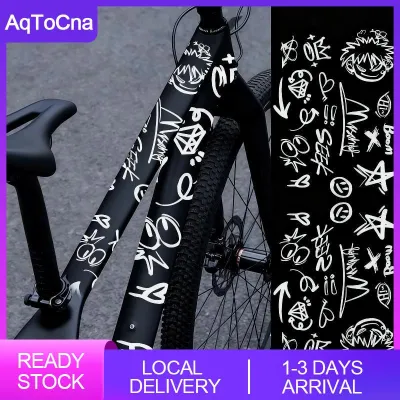
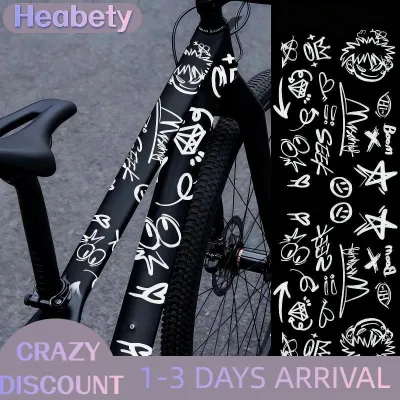
1 Lazada user ratings
mahina ang kapit
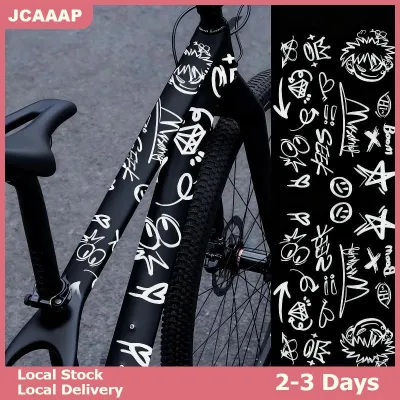
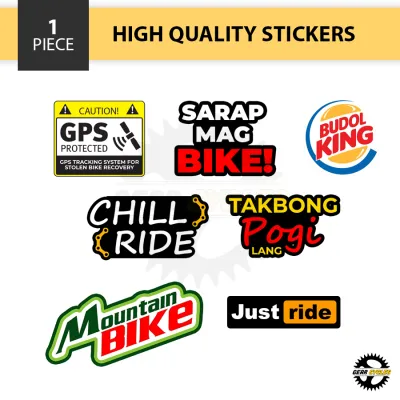
3,660 Lazada user ratings
Great quality decals!, Scratch-proof stickers are a game-changer!, High-quality materials ensure durability!, The designs are so cool and tr…Read full reviewShow less
Great quality decals!, Scratch-proof stickers are a game-changer!, High-quality materials ensure durability!, The designs are so cool and trendy!, Love the unique designs!,
Love the unique designs!, The designs are so cool and trendy!, Scratch-proof stickers are a game-changer!, Great quality decals!,
Great quality decals!, Love the unique designs!, The designs are so cool and trendy!, Scratch-proof stickers are a game-changer!,
all goods, na receive ko na yung degreaser. naglinis na agad ako ng bike pag ka receive ko. Thank you
very nice sticker. nakakadagdag Ng personality Ng rider at Ng bike. Thank you Seller for the sticker
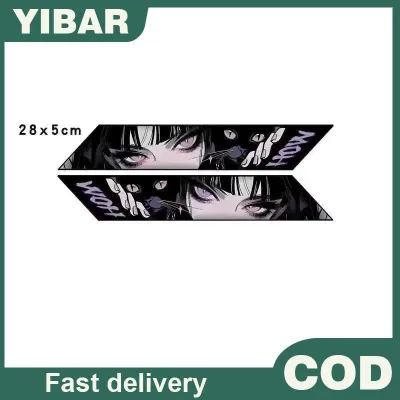
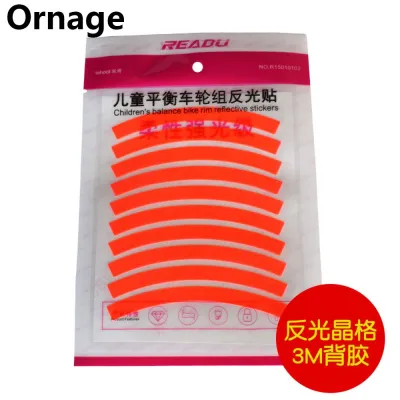
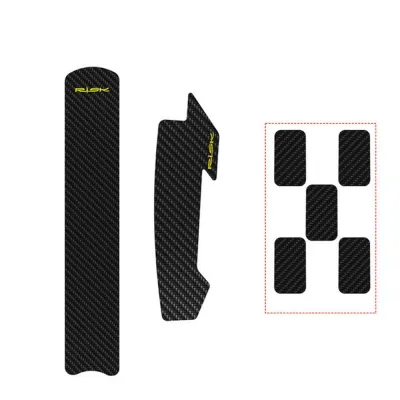
Prices are valid at publication and may change. Please refer to the product page for the latest price.
Finally, rapid temperature fluctuations compound these issues. A bicycle parked under the direct sun can reach high surface temperatures, causing the metal or carbon fiber frame to expand slightly. When a sudden afternoon downpour rapidly cools the frame, the material contracts. If the sticker material does not possess the elasticity to expand and contract in tandem with the frame, the shear stress breaks the adhesive bond, causing the sticker to wrinkle, bubble, or shear off entirely.
Comparing Common Bike Sticker Materials for Wet Conditions
To find a sticker that survives these demanding conditions, you must look beyond the surface design and evaluate the physical layers of the product. A high-quality outdoor decal is a multi-layered system consisting of a release liner, an adhesive layer, the base face stock (the material), the printed ink, and a protective top coat or laminate. Each layer must be engineered to resist moisture and thermal stress to ensure the entire assembly remains intact on your bicycle frame.

Vinyl Stickers: Water Resistance and UV Limits
Vinyl is the industry standard for outdoor decals, but not all vinyl is manufactured equal. When shopping for bike stickers, you will generally encounter two primary types: monomeric (often called standard printable vinyl) and polymeric or cast vinyl. Monomeric vinyl is thicker, less flexible, and prone to shrinking over time, especially when exposed to heat. Under the Philippine sun, monomeric vinyl edges will often pull back, leaving a sticky residue that collects dirt and accelerates peeling.
Cast vinyl, on the other hand, is manufactured by liquid casting, resulting in an extremely thin, highly flexible film that has no “material memory.” This means it easily conforms to the complex curves, welds, and tapered tubes of a bicycle frame without trying to shrink back to its original flat shape. For maximum durability, verify that the manufacturer specifies the use of cast vinyl paired with a solvent-based acrylic adhesive, which resists water degradation far better than water-based adhesives.
However, even the highest quality cast vinyl requires a protective barrier. Unlaminated vinyl stickers will suffer rapid ink degradation from both UV rays and physical abrasion from your knees, cables, or cleaning brushes. Always check the product specifications for a clear UV-resistant laminate layer—either matte or glossy—which acts as a shield for the printed inks and adds an extra layer of waterproofing to the entire sticker.
Reflective Stickers: Visibility vs. Moisture Trapping
Reflective stickers are highly popular among cyclists in the Philippines because they significantly enhance safety during night rides or low-visibility downpours. These stickers are constructed using embedded glass beads or micro-prisms that bounce light back to its source. While excellent for safety, this complex multi-layer construction introduces specific vulnerabilities when exposed to constant moisture and high humidity.
The primary risk with reflective films is delamination. Because reflective stickers are thicker and stiffer than standard vinyl, they do not conform as easily to tight frame curves. If applied to a highly curved tube, the material’s natural stiffness exerts constant outward tension, fighting against the adhesive. If water manages to seep under an edge, it can travel along the reflective micro-prism layers, trapping moisture inside and causing the sticker to take on a cloudy, waterlogged appearance that permanently ruins both its reflectivity and its adhesion.
To mitigate these risks, look for engineering-grade or premium outdoor reflective films that feature sealed edges or are specifically rated for fleet and vehicle graphics. These materials are designed to resist water ingress along the cut lines. When using reflective decals, it is best to apply them to flatter sections of the frame, such as the seat tube or the outer faces of the forks, where physical tension on the adhesive is minimized.
Paper-Based and Polyester Alternatives
Paper-based stickers have no place on a bicycle frame intended for outdoor use. Even if a paper sticker is coated with a thin plastic top layer, water will inevitably seep in through the unprotected cut edges. Once moisture contacts the paper core, the fibers swell, the adhesive dissolves, and the sticker disintegrates into a soggy mess during your first rainy ride. Save paper stickers strictly for indoor gear, notebooks, or dry storage boxes.
Polyester (PET) stickers, conversely, offer an exceptionally durable alternative to vinyl. Polyester films are highly resistant to tearing, chemicals, heat, and moisture. They maintain their dimensional stability perfectly, meaning they will not shrink or stretch under extreme temperature shifts. This makes them excellent for small, high-precision decals, brand logos, or warning labels on your bike frame.
When evaluating polyester stickers, look for a thickness specification of at least 2 mils (50 microns) and ensure they are explicitly labeled as “outdoor-rated” or “weatherproof.” The main trade-off with polyester is its rigidity; unlike cast vinyl, polyester does not stretch or conform well to complex, multi-directional curves. It is highly suited for flat surfaces or simple cylindrical tubes but may lift at the corners if forced onto complex frame welds or tight bends.
Key Specifications to Check Before Buying
When browsing online marketplaces or local bike shops for custom decals, do not rely solely on generic claims like “waterproof” or “heavy-duty.” Instead, look for specific technical terms and manufacturer ratings in the product description to verify true outdoor durability.
First, check the adhesive type. Look for “solvent-based acrylic adhesive” or “permanent marine-grade adhesive.” These adhesives cure to form a highly water-resistant bond that resists emulsification when submerged or subjected to heavy rain. Avoid stickers that list “water-based” or “removable” adhesives if your primary goal is long-term weather survival.
Second, verify the outdoor lifespan rating. Reputable sticker manufacturers often state an expected outdoor durability range, typically measured in years (e.g., “3-year outdoor durability” or “5-year UV protection”). Keep in mind that these ratings are often tested under moderate climates; in the intense heat and humidity of the Philippines, you should expect the actual lifespan to be slightly shorter, making a higher initial rating highly desirable.
Third, look for the presence of a “UV over-laminate.” This is a distinct, clear protective film applied over the printed vinyl. If a product description does not explicitly mention a laminate layer, the sticker is likely printed directly onto vinyl with standard inks, which will fade rapidly under intense sunlight. Finally, check if the manufacturer specifies a required curing time—typically 24 to 48 hours—which is the critical window the adhesive needs to form a permanent bond before being exposed to moisture.
Application and Maintenance Tips for Humid Climates
Even the highest-grade marine vinyl will fail prematurely if it is applied incorrectly. Proper surface preparation is the single most important factor in determining how long your bike stickers will last in wet weather. Any microscopic layer of oil, road grime, wax, or moisture trapped beneath the sticker will prevent the adhesive from bonding fully to the frame paint, leading to rapid failure during the next heavy rain.
Begin by thoroughly washing your bicycle frame with a wax-free dish soap to remove heavy dirt and grease. Once dry, clean the specific application area using isopropyl alcohol (70% or higher) and a clean, lint-free microfiber cloth. This step removes invisible oils left behind by your hands or chain lubricants. Allow the alcohol to evaporate completely; do not blow on it to dry it, as this can reintroduce moisture and oils from your breath.
Always apply your stickers in a dry, shaded environment, preferably indoors or during a dry time of day. Applying stickers in high-humidity outdoor conditions can trap a microscopic layer of moisture on the frame surface, severely compromising the adhesive’s curing process. Use a squeegee or a hard plastic card wrapped in a soft cloth to press the sticker down firmly, working from the center outward to push out any trapped air bubbles. Pay special attention to the edges, ensuring they are completely flat and sealed against the frame.
Once applied, allow the adhesive to cure undisturbed for at least 24 to 48 hours before taking your bike out for a ride or exposing it to water. When cleaning your bicycle in the future, avoid using high-pressure water sprays directly on the edges of the stickers, as the intense pressure can force water under the film and initiate peeling. Instead, gently wipe the stickered areas with a soft sponge and mild soapy water.
Frequently Asked Questions (FAQ)
Can I use regular laptop stickers on my bike?
It is generally not recommended to use standard laptop stickers on a bicycle. Most laptop stickers are designed for indoor use and are made from monomeric vinyl or paper without a UV-protective laminate or a waterproof solvent adhesive. When exposed to heavy rain, humidity, and direct sunlight, these stickers will quickly fade, peel, or disintegrate. If you wish to use a laptop-style sticker on your bike, verify first that the product description explicitly states it is rated for outdoor, vehicle, or marine use.
How do I remove peeling stickers without damaging the paint?
To safely remove old or peeling stickers without scratching your bike’s clear coat, use gentle heat from a hair dryer to soften the adhesive. Warm the sticker for 10 to 15 seconds, then slowly peel it back at a sharp angle. If any sticky residue remains on the frame, apply a small amount of isopropyl alcohol or a dedicated, paint-safe adhesive remover to a microfiber cloth and gently rub the area. Never use sharp metal blades, steel wool, or harsh solvents like acetone, as these can permanently scratch or strip your bicycle’s paint and clear coat.
Community discussion
Share your experience or ask a question. Comments are reviewed before publication.