
Choosing the right lifestyle vest for adult water sports depends entirely on how your body moves during your chosen activity. A vest designed for lounging on a motorboat will restrict your arms on a paddleboard, while a bulky traditional life jacket can ride up painfully when you sit in a kayak. To stay safe and comfortable, you must match the vest’s cut, foam distribution, and materials to your specific movement patterns on the water.
By understanding the design differences between specialized vests, you can select gear that supports your sport rather than hindering it. Whether you are navigating calm lakes, paddling through coastal swells, or cruising on a boat, the right personal flotation device (PFD) ensures you remain buoyant without sacrificing your range of motion.
What Defines an Adult Lifestyle Vest?
An adult lifestyle vest is a modern personal flotation device designed with an emphasis on comfort, mobility, and contemporary aesthetics. Unlike traditional, bulky orange life jackets that are primarily engineered for emergency flotation, lifestyle vests use flexible foam panels and tailored cuts. This allows you to move naturally during active water sports while still providing reliable buoyancy.
Products mentioned in this guide
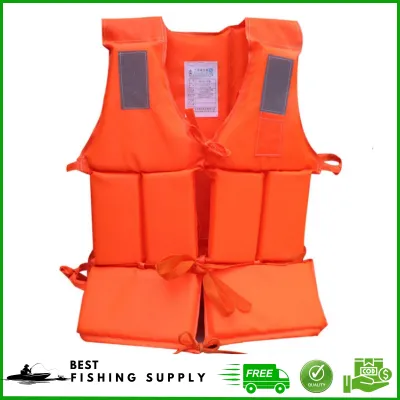
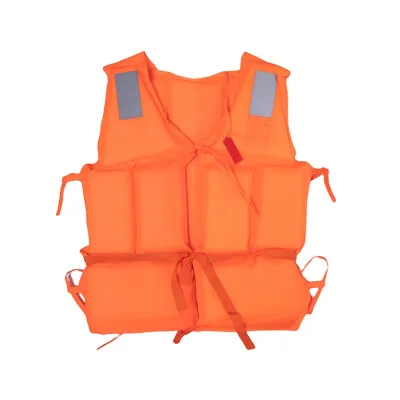
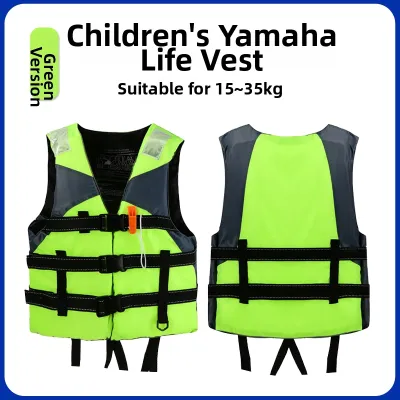
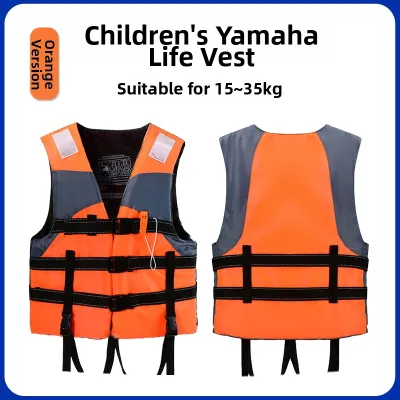
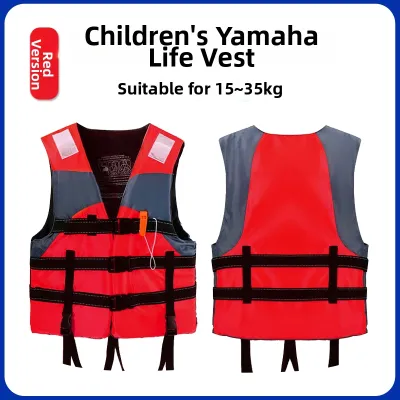
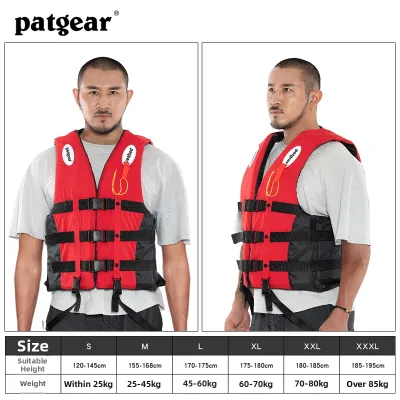
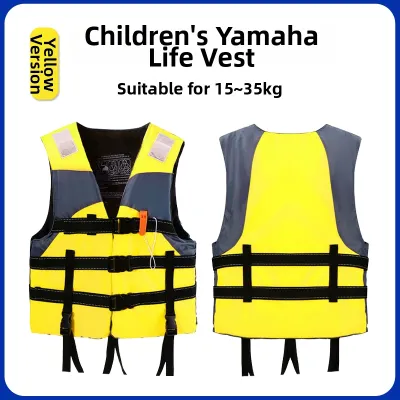
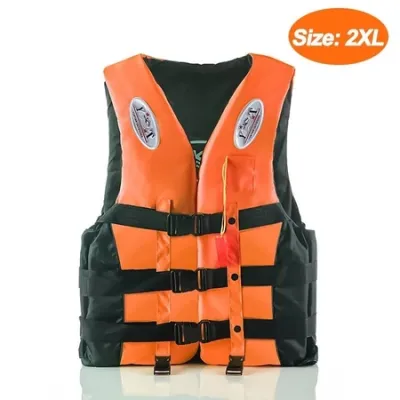
Prices are valid at publication and may change. Please refer to the product page for the latest price.
When shopping for a lifestyle vest for adult use, always check the manufacturer’s label printed on the inside. This label contains critical information regarding approved activities, buoyancy ratings, and material specifications. Vests are rated for different water conditions and weight limits, so verifying these details ensures the vest matches your physical profile and intended environment.
It is also essential to verify local maritime safety regulations in the Philippines regarding acceptable flotation devices. Local authorities, such as the Philippine Coast Guard or local resort safety officers, often enforce specific rules about which PFD types are mandatory for motorized vessels, non-motorized boats, and personal watercraft. Ensuring your vest complies with these local standards keeps you safe and avoids potential fines during your excursions.
Matching Vest Design to Kayaking Needs
Kayaking requires a seated position that places unique demands on your safety gear. Standard life jackets often press against the high back of a kayak seat, forcing the vest to ride up toward your chin and causing severe discomfort. To prevent this, look for a lifestyle vest featuring a high-back design or a cutaway lower back that leaves the lower spine free of thick foam.

Unrestricted arm movement is another critical factor for paddling efficiency. Vests tailored for kayaking feature exceptionally large armholes and narrow, flexible shoulder panels. This open design prevents the fabric and foam from chafing against your inner arms during long hours of repetitive paddling strokes.
Given the tropical heat and high humidity of local waters, thermal comfort is just as important as physical mobility. Opt for vests constructed with mesh lower backs, built-in drainage channels, and highly breathable fabrics. These features allow air to circulate freely and ensure the vest dries rapidly after taking on splashes or during a capsizing recovery.
Matching Vest Design to Paddleboarding Needs
Stand-up paddleboarding demands excellent core balance, constant torso rotation, and the ability to climb back onto the board from the water. A bulky vest can throw off your center of gravity and make re-entry difficult. For this activity, prioritize low-profile designs with minimalist foam distribution that hugs your torso closely without restricting your core movement.
Some paddleboarders prefer alternative form factors, such as belt-style or waist-pack inflatable flotation devices. While these options offer maximum freedom of movement, you must verify if they are permitted by local maritime regulations for your specific paddling location. Additionally, because these devices require manual deployment, they are only suitable for confident swimmers who can remain calm in deep water.
When paddling under the tropical sun, lightweight materials are essential. Look for outer fabrics like high-grade neoprene or specialized nylon that do not absorb excess water. Materials that resist waterlogging keep the vest light throughout your session, preventing fatigue as you paddle along coastal waters.
Matching Vest Design to General Boating Needs
General boating, whether on a motorized utility boat, a sailboat, or a recreational pontoon, involves a mix of sitting, standing, and light physical activity. For these environments, utility and long-term wearability are the primary design priorities. Look for vests equipped with practical features like zippered pockets, D-rings, and lash tabs to secure whistles, keys, or small tools.
Comfort during extended wear is crucial when spending a full day on deck. Vests with soft collar linings, padded shoulder straps, and multiple adjustable side panels help prevent skin irritation. These adjustments allow you to customize the fit over different layers of clothing, such as rash guards or light windbreakers.
For easy transitions between relaxing and active boating, zip-front closures are highly practical. They allow you to put on or take off the vest quickly and can be unzipped slightly for ventilation when the boat is safely anchored. Buckle-only or pull-over styles can be more cumbersome to adjust throughout a long day on the water.
Evaluating Cross-Activity Compatibility
If you participate in multiple water sports, you might wonder if a single hybrid vest can serve all your needs. A versatile, multi-use vest can save money, with quality adult models ranging from ₱1,500 to ₱5,000 depending on materials. However, using a single vest across different sports always involves trade-offs in comfort and performance.
For example, a high-back kayaking vest can work reasonably well for paddleboarding, though the high foam placement might feel slightly top-heavy when you stand. Conversely, a minimalist paddleboarding vest may lack the back clearance needed for a comfortable kayak seat, leading to constant riding up and chafing while you paddle.
To make the right choice, evaluate your primary water activity versus your secondary pursuits. If you spend eighty percent of your time kayaking and only occasionally paddleboard, prioritize a kayak-specific design. If your time is split evenly, look for a mid-profile hybrid vest with flexible side panels and moderate back clearance to balance the demands of both sports.
How to Verify Fit and Safety Compliance
No matter which style of lifestyle vest you choose, it will only protect you if it fits correctly and remains securely fastened. To check the fit, put the vest on, zip it up, and tighten all straps starting from the waist and moving upward to the shoulders. The vest should feel snug but comfortable, allowing you to breathe deeply without restriction.
Once the straps are tightened, perform the shoulder pull test. Have a companion grasp the shoulder straps of your vest and pull firmly upward, or pull them up yourself. If the vest slides up past your nose or chin, it is too loose or too large, and you must either tighten the straps further or try a smaller size.
Before heading out onto the water, conduct a quick visual inspection of your gear. Check for broken buckles, stuck zippers, frayed straps, or torn fabric that might expose the internal flotation foam. If you notice degraded, crumbling, or waterlogged foam, replace the vest immediately according to the manufacturer’s safety guidelines to ensure your continued protection.
Frequently Asked Questions (FAQ)
Can I use an inflatable belt pack for kayaking or boating?
Inflatable belt packs are generally not recommended for kayaking or high-speed boating. Because they require manual activation, they are unsuitable if you are capsized, injured, or temporarily disoriented in the water. Furthermore, many local maritime safety regulations do not recognize uninflated belt packs as approved flotation devices for active boating or rough water conditions.
How do I clean and store my lifestyle vest after use?
To maintain the integrity of your vest, rinse it thoroughly with clean, fresh water after every use to remove salt, sand, and chlorine. Hang the vest to air dry in a well-ventilated area away from direct sunlight, as ultraviolet rays can degrade the fabric and foam over time. Store the dry vest in a cool, dark closet without compressing it under heavy gear, which can permanently damage the flotation foam.
Community discussion
Share your experience or ask a question. Comments are reviewed before publication.