
To choose the right aerobic step board for a small condo, look for a compact platform (typically around 68 to 80 centimeters in length) with nesting risers that stack directly underneath, and a height adjustability range of 10 to 20 centimeters. This balance ensures you have enough surface area for safe foot placement while keeping the storage footprint minimal enough to slide under a sofa or fit inside a typical closet.
Measuring Your Condo Space and Dynamic Workout Clearance
Condo living in urban areas often means working with tight, multi-functional layouts where the living room doubles as a workout zone. Before purchasing an aerobic step board, measure the exact floor area where you plan to exercise, ensuring there is a clear path away from television consoles, glass coffee tables, and low-hanging light fixtures.
Dynamic clearance is different from static storage space. When performing lateral steps, straddles, or lunges off the board, you require at least one meter of open space on all sides of the platform to prevent accidental collisions with walls or furniture. This buffer zone is crucial for maintaining proper form without the fear of hitting nearby objects.
Products mentioned in this guide
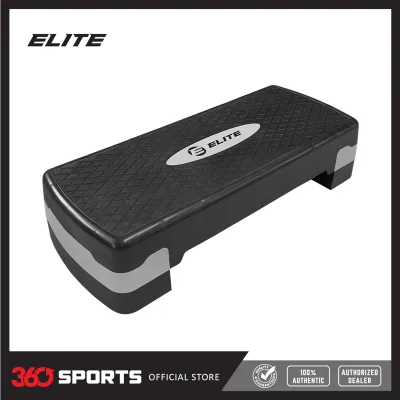
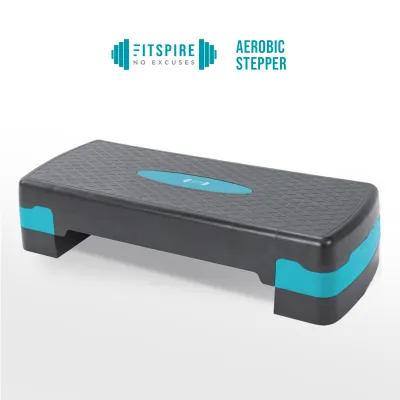
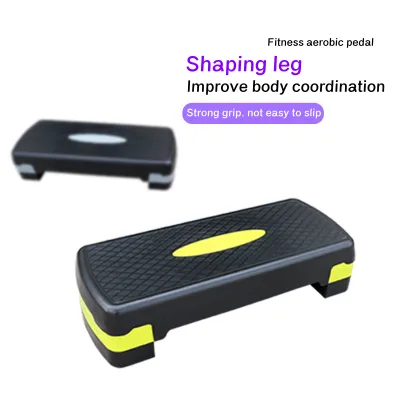
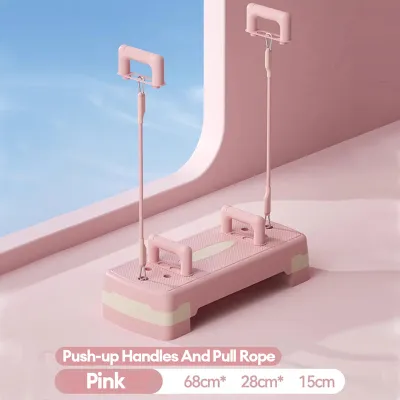
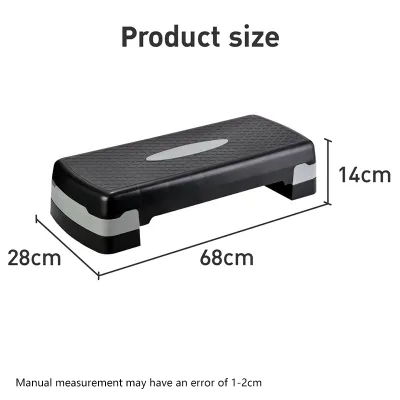
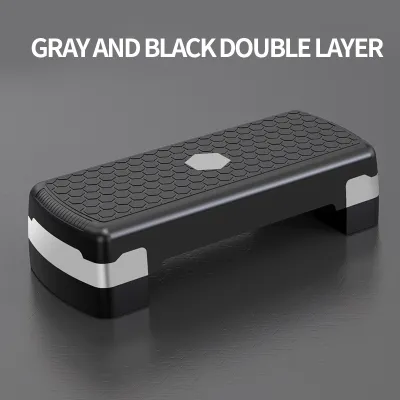
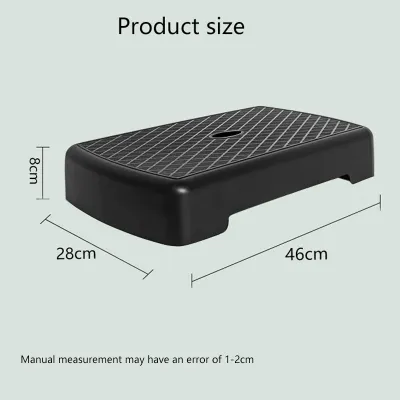
Prices are valid at publication and may change. Please refer to the product page for the latest price.
Consider the floor type in your unit, which is commonly polished tile, vinyl planks, or engineered hardwood. High-impact movements can cause the board to slide or scratch these surfaces, making a dedicated, high-density fitness mat an essential addition to protect both your flooring and your joints. A good mat also helps absorb the sound of your steps, keeping your workouts quiet for neighbors.
Humidity in tropical climates can also affect floor grip and material degradation. Moisture buildup on smooth tiles can increase the risk of slippage, so verifying the ventilation in your workout zone is a key step before starting any high-intensity routine. Running an air conditioner or positioning a floor fan nearby can help keep the floor dry and your grip secure.
Evaluating Board Dimensions and Height Adjustment Mechanisms
Aerobic step boards generally come in two primary sizes: compact (or fitness-sized) and club-sized. Compact boards are highly suited for small condos because they measure shorter in length, but they offer less surface area for wide-stance exercises or lying down for chest presses.

Club-sized boards provide superior stability and a wider range of exercise options, but their length can make them cumbersome to store and use in tight quarters. If your routine focuses primarily on basic stepping, high-knees, and vertical jumps, a compact board is usually sufficient. However, taller individuals may still require a slightly longer platform to ensure safe foot placement.
Height adjustability is achieved through stackable risers, which typically allow you to adjust the platform height. Standard increments let you increase the intensity of your workout as your cardiovascular fitness improves. Most boards adjust from 10 centimeters up to 15 or 20 centimeters, allowing you to customize the challenge based on your current physical conditioning.
When evaluating these risers, check how they attach to the main platform. Some models feature nesting designs where the blocks lock securely into the underside of the board, while others use detached blocks that must be stored separately, increasing the overall storage footprint. Nesting designs are highly recommended for condos because they prevent loose parts from cluttering your closets.
Always verify the maximum weight capacity printed directly on the manufacturer’s label or instruction manual. Do not rely on general assumptions about plastic durability, as weight limits can vary significantly based on the structural ribbing underneath the platform. Choosing a board with a reinforced underside ensures it can handle dynamic, high-impact forces over years of regular use.
Maximizing Utility with Space-Friendly Storage Features
In a compact condo, every square inch of storage space is valuable. Look for aerobic step boards that feature nesting risers, which slide and lock directly into the hollow underside of the platform when not in use, keeping all components together as a single unit. This design eliminates the hassle of searching for misplaced risers when you are ready to exercise.
Some modern designs include built-in storage compartments within the platform itself or integrated attachment points for resistance bands. These multi-functional features allow you to transition from cardio to strength training without needing multiple bulky pieces of equipment. Utilizing a single, versatile tool helps keep your living space organized and free of unnecessary fitness clutter.
Foldable or collapsible step boards offer another space-saving alternative, but they come with distinct trade-offs. While they fold down to a fraction of their size, the hinges and locking pins can introduce slight structural play, which may reduce overall rigidity during high-impact lateral movements. If you choose a foldable model, prioritize those with heavy-duty locking pins and reinforced steel frames.
Before finalizing your purchase, measure the clearance height under your bed, sofa, or inside your wardrobe. Ensure the total height of the stacked board and risers is lower than this clearance limit so you can easily slide the equipment out of sight when your workout is complete. Keeping your gear hidden helps maintain the clean, relaxing aesthetic of your home environment.
Final Safety and Setup Verification for Compact Spaces
Safety in a confined space requires careful inspection of the equipment’s physical properties. Examine the top surface of the step board to ensure it features a textured, non-slip rubber or thermoplastic matrix that provides secure footing even when wet with sweat. A textured surface prevents your shoes from slipping during rapid, multi-directional movements.
Flip the board over to inspect the rubber feet or non-skid pads on the bottom of the platform and each riser. These pads must grip your floor or fitness mat firmly to prevent the board from sliding forward or backward during dynamic stepping. If the rubber pads feel hard or plastic-like, they may not provide enough traction on smooth condo tiles.
Ceiling height is another critical factor, especially if your condo has dropped ceilings or low-hanging ceiling fans. Stand on your step board at its maximum height and perform a gentle vertical reach to verify that you have ample clearance to avoid head or hand injuries. Always position your board well away from the direct path of any spinning fan blades.
Finally, review the manufacturer’s return policy and warranty terms before purchasing. Testing the physical dimensions and stability in your actual workout space is the only way to ensure the board fits your body size, fitness level, and condo layout perfectly. If the board feels too large or unstable during your first trial, a flexible return policy allows you to exchange it for a more suitable option.
Frequently Asked Questions (FAQ)
Can I use an aerobic step board on hardwood or tile floors without damaging them?
Yes, but you must take precautions to protect both the floor and your safety. Check the base of the step board and its risers to ensure they are made of non-marking rubber or soft plastic that will not scuff polished surfaces. It is highly recommended to place a dense, non-slip fitness mat underneath the board to absorb impact, dampen noise for downstairs neighbors, and prevent scratches. Always consult your specific condo flooring guidelines or lease agreement regarding home workout equipment to avoid security deposit deductions.
Are foldable aerobic step boards stable enough for high-intensity workouts?
The stability of a foldable aerobic step board depends heavily on the quality of its locking mechanisms, hinges, and structural materials. While convenient for storage, some foldable models may not offer the same rigid feel as solid, single-piece platforms during rapid lateral movements. Always verify the maximum weight capacity and approved exercise types printed on the product label before attempting high-intensity routines. If you notice any shifting, wobbling, or creaking during use, stop immediately and consult the manufacturer to ensure the locking pins are fully engaged and undamaged.
Community discussion
Share your experience or ask a question. Comments are reviewed before publication.