
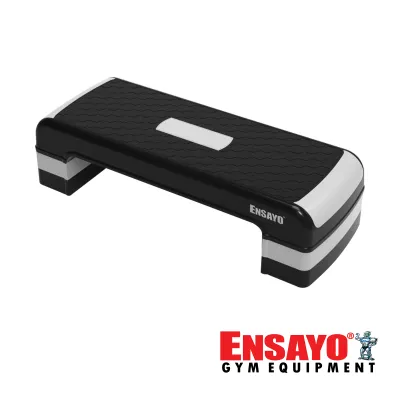
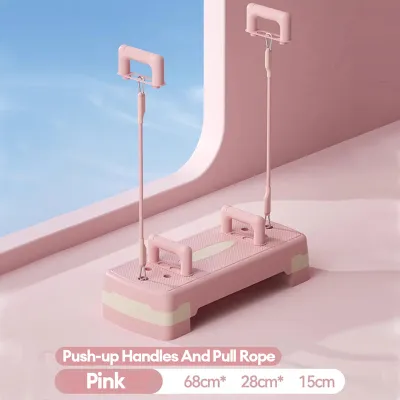
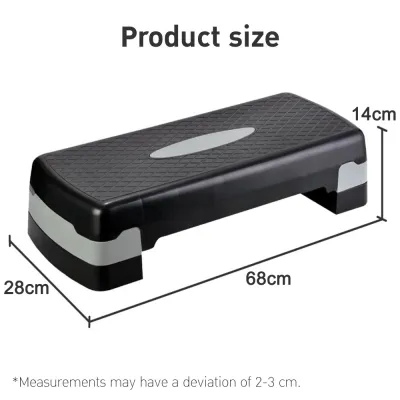
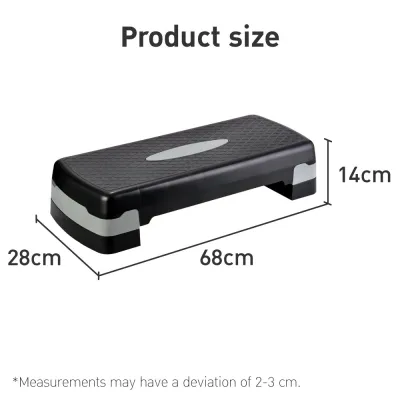
Finding the right aerobics step board for a compact condominium in the Philippines requires balancing your fitness goals with the realities of limited floor space. In typical studio or one-bedroom units, a compact step board measuring approximately 68 to 80 centimeters in length and 28 to 30 centimeters in width offers the ideal compromise. This size provides a secure landing zone for basic cardio routines while leaving enough room to navigate around your living room furniture. Larger, health-club-sized boards that span over 100 centimeters often crowd smaller rooms, leaving very little safety clearance for dynamic movements. By selecting a size tailored to your specific floor plan, you can maintain an active lifestyle without turning your living area into an impassable obstacle course.
Measuring Your Condo's Safe Workout Footprint
Condo layouts in dense urban centers often feature tight corridors, multi-functional living areas, and low ceilings. Before purchasing any fitness equipment, you must measure the exact floor area where you plan to exercise. Clear a dedicated zone and account for the swing of nearby doors, the edge of the sofa, and low-profile coffee tables. You need to ensure that your feet will not strike any hard surfaces if you step off-center or lose your balance during a high-energy routine.
To map out this space accurately, use a physical tape measure to mark a rectangle on your floor that represents the step board’s dimensions, then add a generous safety boundary around it. This boundary should be free of rugs that can slip, electrical cords, and decorative items. If you have to move furniture every time you work out, ensure that the temporary layout still allows for a clear path to exits and does not block ventilation grilles or balcony doors.
Products mentioned in this guide
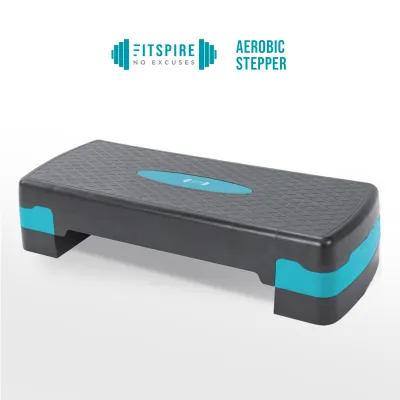
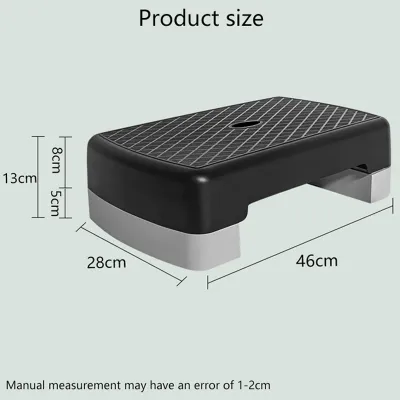
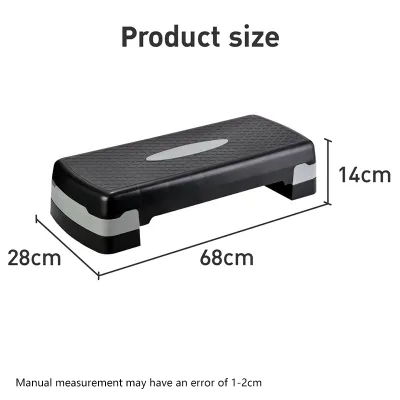
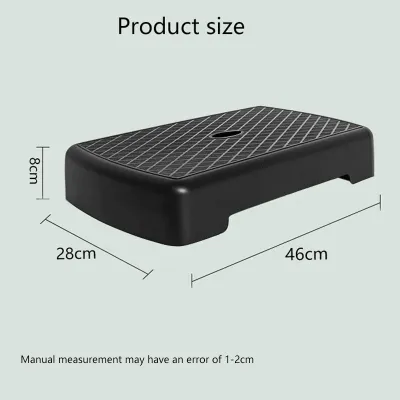
Prices are valid at publication and may change. Please refer to the product page for the latest price.
Ceiling height is another critical factor that many condo dwellers overlook. Standard residential ceilings can feel restrictive, especially if you have low-hanging light fixtures or ceiling fans spinning to combat the tropical heat. Stand in your designated workout spot and raise your arms fully above your head. If you plan to perform high-impact jumps or step-ups on a raised board, add the maximum height of the step (often up to 15 or 20 centimeters) to your own height to verify you will not hit the ceiling or light fixtures. If your hands come within 30 centimeters of any ceiling fixture, you should adjust your routine to avoid overhead jumps or relocate your workout to a safer area of the home.
Balancing Step Board Dimensions With Space and Fitness Goals
A compact board is highly portable and easy to tuck away, but its smaller surface area requires more precise foot placement. If your workouts consist primarily of basic up-and-down stepping, a compact model is highly efficient and perfectly adequate. However, if your routine includes wide-stance lateral steps, lunges, or lying down for chest presses, a slightly longer mid-sized board (around 90 centimeters) might be necessary to prevent your feet or back from slipping off the edges.

To avoid cluttering your limited floor area with multiple pieces of equipment, look for boards that utilize stackable or adjustable risers. These risers allow you to increase the workout intensity by adjusting the height (typically from 10 to 15 or 20 centimeters) without requiring additional storage space for separate platforms. Choosing a single adjustable platform ensures you can progress in your fitness journey while keeping your living space clean and organized.
When weighing the trade-offs between compact and larger models, consider your personal skill level and body size. Taller individuals with longer strides may find compact boards too restrictive for natural movement, increasing the risk of stepping on the edge of the platform and turning an ankle. If you require a larger board but have limited space, you will need to compensate by dedicating a larger portion of your living room to your workout zone and choosing a model that can be easily disassembled or stored vertically.
Planning for Storage and Daily Living Integration
Living in a compact condo means every square meter counts, and fitness equipment should not dominate your daily environment when not in use. When the workout is over, your step board needs a dedicated, out-of-sight home. Measure the clearance under your bed frame or the bottom shelf of your closet before buying. Many compact boards are designed to store their risers directly underneath the main platform, minimizing their vertical profile to just 10 centimeters, which easily slides under most standard bed frames.
Protecting your flooring is also essential. Many Philippine condos feature polished tiles, vinyl planks, or engineered hardwood. Dynamic stepping can cause a poorly designed board to slide, which not only risks injury but can also leave deep scratches on your floors. Inspect the bottom of the board and its risers for high-quality rubber feet or non-slip grips. In humid tropical conditions, sweat can accumulate quickly on the floor, making a reliable grip design even more critical to prevent sliding.
If storage space is exceptionally tight, consider whether the equipment can serve a secondary, low-profile function. A sturdy, flat step board can double as a low bench for bodyweight exercises, a footrest under a home office desk, or even a temporary step stool to reach high kitchen cabinets. Selecting a neutral-colored board can also help it blend into your home decor if it cannot be completely hidden from view.
Verifying Stability and Safety in Tight Quarters
Safety must come first when exercising in confined spaces. Always verify the manufacturer’s maximum weight capacity, keeping in mind that dynamic impact—such as jumping onto the board—exerts significantly more force than your standing weight. Ensure the board is rated to handle these dynamic forces safely, especially if you plan to use hand weights or resistance bands during your routine.
Floor levelness is another vital check. Older condo units or tiled floors with wide grout lines can sometimes be slightly uneven. Placing a step board across an uneven surface can cause it to wobble during use, leading to loss of balance. Always test the stability of the board by pressing down on all four corners before starting your routine. If you detect any wobble, relocate the board to a flatter section of the room or use a thin, dense exercise mat to level out the surface.
Additionally, establish clear stopping conditions to protect yourself and your home. If you feel your movements are restricted by nearby walls, or if the room lacks adequate ventilation and becomes excessively hot and humid, pause your workout immediately. In small spaces, carbon dioxide and heat can build up quickly, so keeping a window cracked or running an air conditioner is highly recommended to maintain a safe and comfortable exercise environment.
Frequently Asked Questions (FAQ)
Can I use an aerobics step board on a carpeted condo floor?
Yes, but stability depends heavily on the carpet’s pile thickness. Thick, plush carpets can cause the step board to wobble or tilt when you land on the edges. If your condo has carpeted flooring, choose a board with a wide, continuous base rather than narrow individual feet. If the board still feels unstable, place a dense, non-slip fitness mat underneath it to create a firmer, safer foundation.
How much clearance do I need around the step board for a full routine?
As a general rule, you should maintain a minimum clearance of 60 to 90 centimeters of open space on all sides of the step board. To calculate your specific needs, stand on your board and extend your arms and legs fully in all directions. If you can perform lateral lunges or step off the back of the board without touching furniture or walls, your workout footprint is safe. Always allow extra buffer space for fast-paced, rotational movements where your balance might shift.
Community discussion
Share your experience or ask a question. Comments are reviewed before publication.