
Upgrading your mountain bike cockpit in the Philippines can be a daunting task, especially when navigating the steep, technical descents of Timberland, the muddy ruts of San Mateo, or the rocky trails of Antipolo, where a weak or poorly sized stem can compromise steering control and lead to dangerous crashes. To choose the ideal alloy mountain bike (MTB) stem for trail and enduro riding, you must select a short length (typically 35mm to 50mm) with a low rise (0 to 6 degrees) that matches your handlebar clamp diameter (31.8mm or 35mm) and is constructed from high-grade, durable aluminum like 6061-T6 or 7075-T6. While upgrading your stem can significantly sharpen your bike’s handling and improve your riding position, it is important to remember that high-quality equipment cannot replace proper skills training, physical conditioning, and sound trail judgment. Before heading out to tackle aggressive terrain, riders must ensure their cockpit is correctly configured, properly torqued, and suited to their specific skill level and physical proportions.
What length and angle should you choose for your riding style?
You should choose a stem length between 35mm and 50mm and an angle between 0 and 6 degrees depending on whether you prioritize balanced climbing efficiency on trail rides or maximum downhill control on steep enduro tracks. Shorter stems quicken steering response and pull your weight back, which complements modern long-and-slack frame geometries, while the stem’s rise directly dictates your handlebar height and front-wheel traction.
For trail riding, which involves a mix of technical climbing and moderate descending, a stem length of 40mm to 50mm is generally ideal. This length keeps enough weight over the front tire to prevent it from wandering or lifting on steep climbs, which is a common challenge on loose, tropical clay trails. It also provides a balanced riding position that reduces fatigue during long, multi-hour trail sessions in hot and humid weather. If your trail bike has a moderately slack head tube angle (around 65 to 66 degrees), a 45mm or 50mm stem helps maintain a responsive yet stable steering feel without making the front end feel too twitchy.
Products mentioned in this guide
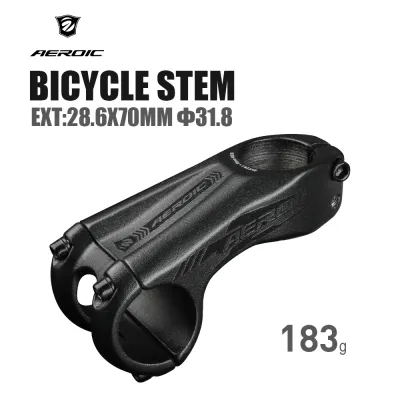
14 Lazada user ratings
Compatibility: For 28.6 - 31.8 fork and handle bars Ease of installation.: smooth as a silk....
🔨Durability:good 🔌Compatibility:compatible
satisfied customer maganda
goods goods gooods
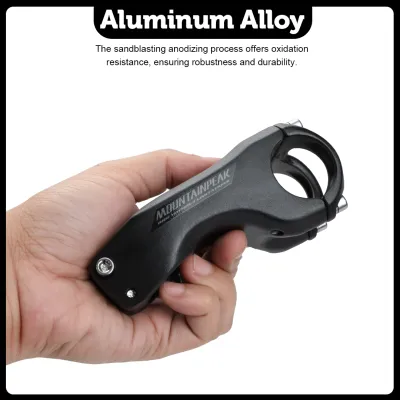
6 Lazada user ratings
Bicycle long stem 100mm Negative 17" Mtb Roadbike Stem Lightweight Alloy. High quality alloy with 3d forging.
all goods nmn medyo mahaba nga lng sa stock kong stem pero ok na din
🔨Durability:goods 🔌Compatibility:goods 🛠️Ease of Installation:goods
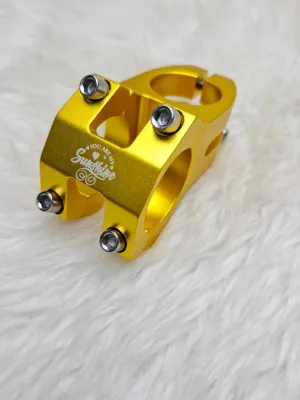
372 Lazada user ratings
Inorder ko kahapon dumating agad ngayon isang gabi lng yung tulog ko sa subrang bilis ng deliver🖒 salamat sa seller na napaka bilis mag reci…Read full reviewShow less
Inorder ko kahapon dumating agad ngayon isang gabi lng yung tulog ko sa subrang bilis ng deliver🖒 salamat sa seller na napaka bilis mag recieved ng order Godbless po sa bussines u☺
Late review: Matibay naman sya at sakto sa handle bar ko matagal lang dumating pero ok naman ang parcel, bagay naman sa bike ko hehe thanks …Read full reviewShow less
Late review: Matibay naman sya at sakto sa handle bar ko matagal lang dumating pero ok naman ang parcel, bagay naman sa bike ko hehe thanks sa rider at seller
panalo tong item na to ang ganda ng kulay order ulit ako ,, mukha naman matibay til next time salamat seller and rider.
Maganda ung stem kaso maliit pala ung handle bar ko😔 Di bale bili na lang ako bagong handle bar… thank you po seller!☺️
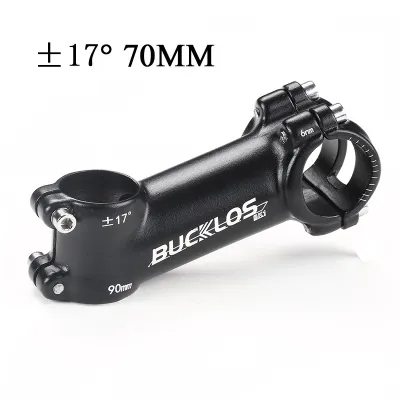
118 Lazada user ratings
it's good actually, it perfectly fits on my mtb great value for the price Durable and lightweight aluminum alloy, Easy to install and adjust…Read full reviewShow less
it's good actually, it perfectly fits on my mtb great value for the price Durable and lightweight aluminum alloy, Easy to install and adjust,
got the items nice and well packed. thank you seller and lazada for the voucher discount. will definitely order again
maluwag po mali po ng nabiling size gusto ko sana mapalitan ito
suoer ganda 5stars
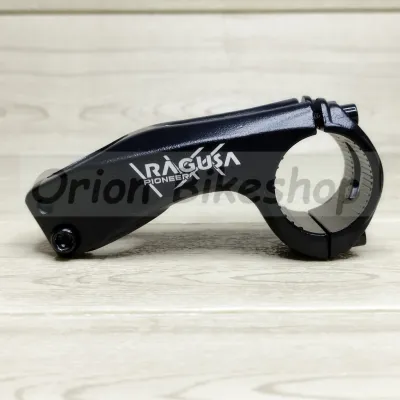
140 Lazada user ratings
Durable alloy material, Easy to install and adjust, Perfect fit for my bike, Improves my bike's performance, Great value for the price, Enha…Read full reviewShow less
Durable alloy material, Easy to install and adjust, Perfect fit for my bike, Improves my bike's performance, Great value for the price, Enhances my mountain biking experience, Provides a comfortable grip, Sleek and stylish design,
Improves my bike's performance, Sleek and stylish design, Durable alloy material, Perfect fit for my bike, Easy to install and adjust, High-…Read full reviewShow less
Improves my bike's performance, Sleek and stylish design, Durable alloy material, Perfect fit for my bike, Easy to install and adjust, High-quality construction,
ok maganda Quality:good
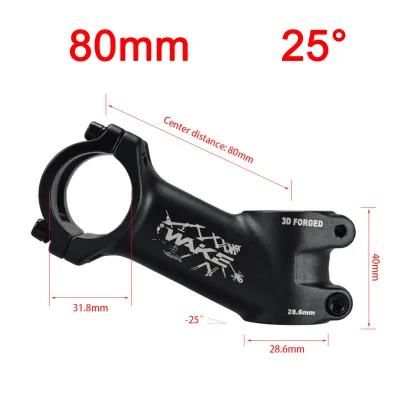
239 Lazada user ratings
Enhanced control and stability, Easy to install and adjust, Improved my riding experience, Perfect fit for my bike, Excellent value for the …Read full reviewShow less
Enhanced control and stability, Easy to install and adjust, Improved my riding experience, Perfect fit for my bike, Excellent value for the price, Durable aluminum alloy material, Sleek and stylish appearance, Lightweight and sturdy stem,
Durable aluminum alloy material, Lightweight and sturdy stem, Great design and build quality, Enhanced control and stability, Sleek and styl…Read full reviewShow less
Durable aluminum alloy material, Lightweight and sturdy stem, Great design and build quality, Enhanced control and stability, Sleek and stylish appearance, Easy to install and adjust,
Perfect fit for my bike, Improved my riding experience, Durable aluminum alloy material, Provides a comfortable riding position,
Easy to install and adjust, Improved my riding experience, Enhanced control and stability, Sleek and stylish appearance,
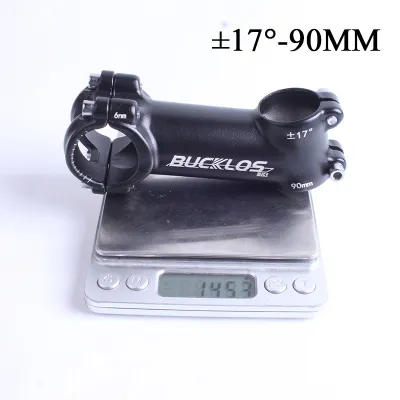
41 Lazada user ratings
Comes with multi-tool for installation, Precise fit for fork steerer tube, Lightweight aluminum alloy stem,
bad trip may sira
🔨Durability:
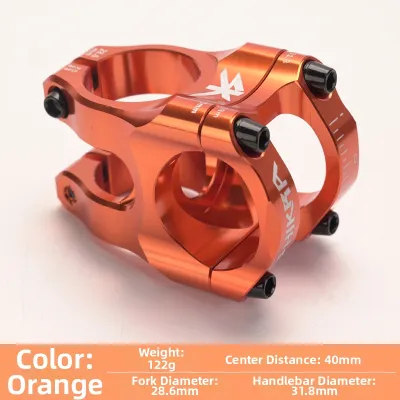
14 Lazada user ratings
ayos na ayo,.ang ganda, bagay na bagay sa bike ko
Amazing, fried tastes even better.
It's cheap and practical.
goods na goods guys
Prices are valid at publication and may change. Please refer to the product page for the latest price.
For enduro riding, where the focus shifts toward high-speed, aggressive descents and steep, technical drop-offs, a very short stem of 35mm to 40mm is the preferred choice. Paired with wide handlebars (typically 780mm to 800mm), a short stem allows you to make instantaneous steering corrections and keeps your center of gravity safely behind the front axle. This setup is crucial for maintaining stability when rolling down steep rock gardens or navigating slippery wet roots. However, riders should be aware that an ultra-short 35mm stem can make the front end feel light and loose during steep climbs, requiring you to actively slide forward on your saddle and lower your chest to maintain traction.
The angle or rise of your stem—typically ranging from 0 to 6 degrees—is another critical factor that shapes your cockpit’s ergonomics and weight distribution. A 0-degree stem keeps your handlebars lower, which is excellent for aggressive riders who want to load the front tire for maximum grip in flat, fast corners. Conversely, a stem with a 5-degree or 6-degree rise lifts the handlebars slightly, offering a more upright and comfortable riding position that can alleviate lower back strain and neck fatigue. This rise is particularly beneficial for riders with long legs or those who frequently ride extremely steep descents where a higher front end provides greater confidence and prevents the sensation of pitching over the handlebars.
Ultimately, your choice must match your body proportions and the specific terrain you ride. If you find yourself struggling to keep traction on climbs, a slightly longer stem or a lower rise can help resolve the issue. If you feel stretched out or struggle to lift the front wheel over obstacles, shortening your stem is a logical step. Always test adjustments gradually, and remember that drastic changes in stem length can significantly alter how your bike handles, requiring a period of adaptation to avoid losing control on familiar trails.
How do you verify stem compatibility with your bike's fork and handlebars?
To verify stem compatibility, you must measure and match the stem’s steerer clamp diameter to your fork’s steerer tube (typically 1 1/8 inches) and ensure the handlebar clamp diameter matches your handlebar’s center thickness (either 31.8mm or 35mm). Additionally, you must confirm that your fork’s remaining steerer tube length is sufficient to accommodate the stem’s stack height while leaving enough room for proper headset compression.
The first compatibility check is the steerer tube diameter, which is the portion of the fork that extends up through the frame’s head tube. The vast majority of modern trail and enduro mountain bikes use a standard 1 1/8-inch (28.6mm) straight steerer tube at the clamping point, even if the fork itself has a tapered steerer. Before purchasing a new alloy stem, use a digital caliper or consult your bike’s manufacturer specifications to confirm this measurement. Installing a stem with an incorrect steerer clamp size is impossible and highly dangerous, as any play or loose fit at this critical junction can lead to a sudden loss of steering control.
The second critical measurement is the handlebar clamp diameter, which must precisely match the center section of your handlebars. The two dominant standards in modern mountain biking are 31.8mm and 35mm. A 31.8mm handlebar will slip inside a 35mm stem clamp, even if the bolts are fully tightened, which can cause the handlebars to suddenly rotate downward during a hard landing. Conversely, attempting to force a 35mm handlebar into a 31.8mm stem will damage both components, creating stress fractures that can lead to catastrophic failure on the trail. While some aftermarket shim adapters exist to fit smaller bars into larger stems, using them is generally discouraged for high-impact trail and enduro riding where maximum clamping security is required.
Finally, you must evaluate the stem’s stack height, which is the vertical distance the stem occupies on the fork’s steerer tube. Stems typically have a stack height ranging from 35mm to 45mm. For a safe installation, the fork’s steerer tube must extend far enough through the headset and spacers to support the stem’s clamping bolts. Ideally, the steerer tube should end approximately 2mm to 3mm below the top edge of the stem (or the top of a spacer placed above the stem) to allow the top cap to apply tension and eliminate headset play. If your steerer tube is cut too short, the upper clamp bolt of the stem may not have enough metal to grip, which can cause the stem to twist or pull off the fork during a hard impact.
Which alloy stem features matter most for durability on rugged terrain?
The alloy stem features that matter most for durability on rugged terrain are the specific grade of aluminum used, a robust 4-bolt faceplate design, and the manufacturing method employed to shape the component. High-quality materials and precise manufacturing ensure the stem can withstand the extreme bending and twisting forces encountered when landing jumps, casing drops, or riding through high-speed rock gardens.
When evaluating aluminum grades, you will primarily choose between 6061 and 7075 alloy. Stems made from 6061 aluminum are highly popular because they offer excellent corrosion resistance, good ductility, and reliable strength at a very reasonable price point. However, premium stems often utilize 7075 aluminum, which is significantly harder and boasts a higher tensile strength and fatigue resistance than 6061. This superior strength-to-weight ratio allows manufacturers to machine away excess material, creating a stem that is both lighter and stiffer. For aggressive enduro riders who subject their equipment to constant abuse, investing in a 7075 alloy stem provides an extra margin of safety against material fatigue and stripped threads.
The design of the faceplate—the removable front piece that clamps the handlebar to the stem body—is another vital factor for trail safety. A robust 4-bolt faceplate is the industry standard for trail and enduro riding because it distributes the clamping force over a wider surface area of the handlebar compared to older 2-bolt designs. Look for stems with wide, independent faceplates or a single-piece faceplate with a wide stance, as this minimizes bar flex and reduces the risk of stress concentrations that can snap handlebars. When installing the faceplate, it is critical to use a calibrated torque wrench to tighten the bolts in a cross pattern to the manufacturer’s exact specification (usually between 5 and 6 Newton-meters) to ensure even clamping pressure.
Manufacturing methods also play a major role in a stem’s performance and longevity. Stems are typically either 3D-forged or CNC-machined. Forging involves pressing hot aluminum into a mold under immense pressure, which aligns the metal’s grain structure and results in exceptional structural integrity and fatigue resistance. CNC (Computer Numerical Control) machining, on the other hand, involves carving the stem out of a solid block of billet aluminum. This process allows for incredibly precise tolerances, sharp aesthetics, and targeted weight reduction. While forged stems are often more affordable and highly durable, CNC-machined stems are favored by enthusiasts for their high stiffness, precise fit, and premium finish.
How can you safely buy alloy MTB stems on local online marketplaces?
To safely buy an alloy MTB stem on local online marketplaces in the Philippines, you must source your components from verified official brand stores, authorized distributors, or highly reputable local bike shops that maintain a physical presence. Because the stem is a critical safety component that directly controls your steering, avoiding counterfeit products and unverified sellers is essential to prevent catastrophic equipment failure on the trail.
When browsing local e-commerce platforms, your first line of defense is to identify verified sellers. Look for official mall badges, high seller ratings (ideally 4.8 stars or above), and shops that explicitly state they are authorized dealers for reputable cycling brands. Many established physical bike shops in Metro Manila, Cebu, and other major provinces operate online storefronts on these platforms. Purchasing from these recognized shops ensures you are getting genuine products that have passed quality control standards, rather than cheap imitations manufactured without structural testing.
Spotting counterfeit alloy stems requires a keen eye for red flags, starting with the price. If a premium alloy stem that normally retails for ₱3,000 to ₱5,000 is listed on an online marketplace for ₱500 to ₱1,000, it is almost certainly a counterfeit. These fake stems are often cast from low-grade, brittle scrap aluminum rather than forged or CNC-machined from certified alloys. Other warning signs include blurry or misaligned laser-etched logos, rough or uneven anodized finishes, low-quality steel bolts that rust quickly, and listings that lack detailed technical specifications or official packaging.
Before finalizing your purchase, thoroughly examine the customer review section. Look for recent reviews that include clear, high-resolution photos and videos of the actual product received by buyers in the Philippines. Pay close attention to feedback regarding the quality of the threads, bolt alignment, and whether the stem fit securely onto the handlebars and steerer tube. Additionally, verify the seller’s return and refund policies. A reputable seller will offer a clear return window if the product arrives with manufacturing defects, whereas fraudulent sellers often refuse returns or disappear once a sale is completed. If you receive a stem and notice any thread stripping, uneven gaps, or structural blemishes during installation, do not ride the bike; instead, initiate a return immediately.

Community discussion
Share your experience or ask a question. Comments are reviewed before publication.