
Finding the right ASICS volleyball kneepads requires balancing your defensive responsibilities, your jumping frequency, and the court surfaces you play on. There is no single model that fits every player perfectly; instead, the ideal choice depends on whether you need a low-profile sleeve for maximum jumping mobility or a heavily padded slider model for frequent floor contact. By evaluating your position, measuring your knee circumference accurately, and checking the structural specifications of each design, you can select a pair that provides reliable joint protection without restricting your movement on the court.
Assessing Your Protection Needs by Position and Court
Liberos and defensive specialists spend a significant portion of the match low to the ground, executing digs, pancake saves, and slides. For these players, high-density padding and extended coverage are essential to absorb the repetitive impact of hitting the floor. Without adequate protection, the constant friction and impact can lead to chronic joint pain, bruising, and skin abrasions that hinder performance.
Conversely, front-row players like middle blockers and hitters spend more time transitioning for jumps and landing from blocks. Their primary concern is vertical mobility and lightweight comfort. Heavy, bulky padding can feel restrictive during rapid approach runs and explosive jumps, making a streamlined sleeve design more appealing for these roles.
Products mentioned in this guide
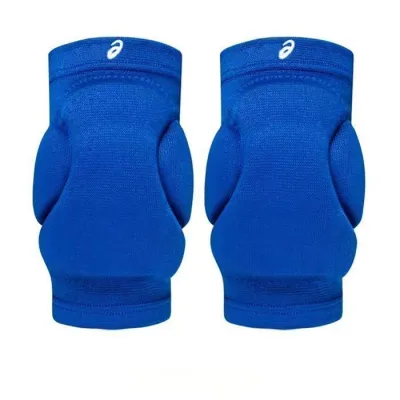
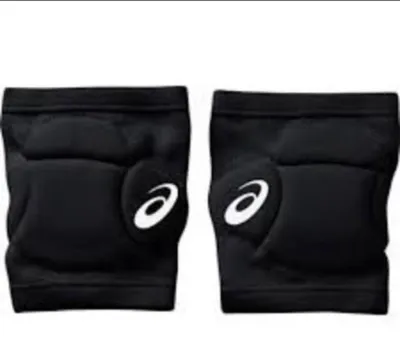
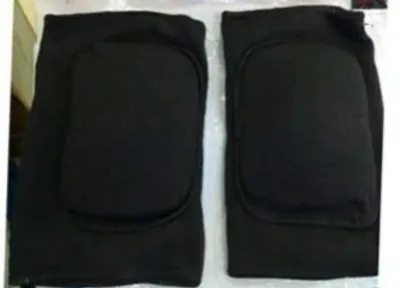
Prices are valid at publication and may change. Please refer to the product page for the latest price.
The type of court surface plays a massive role in how quickly your gear wears down and how much shock absorption you need. Indoor hardwood floors offer some natural give, but synthetic multi-purpose gym floors or polished concrete courts—common in many local community centers and barangay sports complexes in the Philippines—are highly unforgiving. Harder, non-yielding surfaces require thicker padding to prevent deep bone bruises and joint strain.
In tropical climates, indoor courts can become incredibly hot and humid, especially in venues without centralized air conditioning. High humidity causes players to sweat profusely, which can make kneepads slip down the leg or feel excessively heavy. Selecting materials with high breathability and moisture-wicking properties is crucial to maintaining comfort and focus during long, intense sets.
Finally, consider your personal injury history and joint sensitivity. Players recovering from previous patellar tendonitis or minor knee scrapes may prefer continuous, wrap-around padding even if their position does not strictly require frequent diving. Balancing your physical needs with your tactical role ensures you do not compromise on safety or performance.
Matching ASICS Kneepad Designs to Your Playing Style
ASICS categorizes its protective gear into distinct structural designs tailored to different movement profiles. Rather than focusing solely on seasonal model names, which can change across retail cycles, players should look at the physical architecture of the kneepad. The two primary categories are low-profile sleeves and heavy-duty slider pads, each engineered with specific foam densities and coverage areas.

To find your ideal match, cross-reference your primary movements on the court with the physical attributes of the gear. If your game relies on speed, quick transitions, and frequent jumping, a minimalist design will serve you best. If your role requires throwing your body to the floor to keep the ball alive, prioritizing thick, shock-absorbing foam and abrasion-resistant outer fabrics is the safer path.
Low-Profile and Sleeve Designs
Low-profile sleeve designs are engineered for players who prioritize speed, agility, and an unobstructed range of motion. These sleeves typically feature a slim, contoured pad that covers the patella without wrapping excessively around the sides of the joint. Middle blockers and setters often favor this style because it allows them to bend their knees quickly during rapid sets and block transitions without feeling any bulk.
The primary trade-off of a lightweight sleeve is reduced impact protection. While these models easily shield the knee from minor scrapes and light floor contact, they are not designed to absorb the full force of high-velocity dives on hard surfaces. If you frequently slide or drop directly onto your knees, the thin foam layer may compress fully, transferring the impact energy directly to your joint.
When inspecting low-profile sleeves, check the product specifications for fabric composition. Look for blends containing nylon, spandex, or polyester, which provide excellent elastic recovery and snug compression. Additionally, verify if the manufacturer lists moisture-wicking technologies or ventilated mesh panels on the back of the sleeve, as these features are essential for keeping your skin dry and preventing chafing in warm playing conditions.
Slider and Extra-Padded Models
Slider and extra-padded models are built for maximum impact resistance and extensive floor contact. These designs feature thick, high-density foam—often utilizing specialized polyurethane or gel-based inserts—that extends around the sides of the knee to protect the delicate lateral and medial areas. Liberos and defensive specialists rely on this comprehensive coverage to execute slides and dives safely.
Transitioning to a heavily padded model requires an adjustment period, as the added bulk can feel slightly restrictive at first. The extra weight, though minimal in absolute terms, can alter your sensation of lightness during jumps. However, the trade-off is highly beneficial for defensive players who would otherwise suffer from chronic bruising or floor burns after a multi-match tournament.
Before purchasing, verify the manufacturer’s details regarding padding thickness and outer fabric durability. Look for models that feature a reinforced, low-friction outer knit or a specialized coating designed to slide smoothly across hardwood or synthetic court surfaces. This sliding capability reduces the risk of the kneepad catching on the floor, which can cause the sleeve to roll down or twist mid-play.
Sizing, Fit, and Pre-Purchase Checks
A protective kneepad is only effective if it stays securely in place during explosive movements. To find your correct size, use a flexible measuring tape to measure the circumference around the center of your kneecap while standing with your leg slightly bent. Compare this measurement directly to the manufacturer’s sizing chart, as athletic apparel sizing can vary significantly between different brands and product lines.
Once you have the kneepads in hand, evaluate the physical construction before heading to the court. Check the interior top and bottom hems for silicone grip strips, which help lock the sleeve against your skin and prevent it from sliding down during play. Examine the stitching along the seams; flatlock seams are highly desirable as they lie flat against the skin, reducing the likelihood of painful friction burns and chafing during lateral movements.
Because knee shapes and muscle distributions vary widely, a size that fits one player’s measurements perfectly might feel too tight on another’s calves or thighs. Always check the return and exchange policies of authorized retailers before finalizing your purchase. This precaution is especially important when buying online, ensuring you can swap the pads for a different size if the initial fit restricts your blood flow or feels loose.
Care, Maintenance, and Replacement Signals
Regular maintenance is essential to keep your kneepads hygienic and structurally sound. Sweat, body oils, and court dust accumulate quickly, breaking down the elastic fibers and causing the fabric to lose its compression over time. Always refer to the care label on your specific model; most manufacturers recommend hand washing in cold water with a mild detergent to gently remove dirt and odors.
Never expose your volleyball kneepads to high heat, such as a machine dryer or direct, intense sunlight for extended periods. High temperatures degrade the internal foam padding, causing it to shrink, harden, or lose its shock-absorbing properties. Instead, squeeze out excess water gently without wringing the pads, and hang them to air dry in a well-ventilated indoor area or a shaded outdoor spot.
Even with meticulous care, protective gear has a limited lifespan. Inspect your kneepads regularly for visual and physical signs of wear. If the foam padding feels permanently compressed, lumpy, or fails to spring back after pressure is applied, it can no longer protect your joints effectively. Stretched-out sleeves that require constant pulling up during a match, or fraying elastic bands, are clear indicators that it is time to invest in a replacement pair.
Frequently Asked Questions (FAQ)
Do I need to wear kneepads on both knees?
While some players choose to wear only one kneepad if they have a dominant diving side, wearing protection on both knees is highly recommended. Volleyball is an unpredictable, fast-paced sport where emergency defensive moves often force you to land on whichever side is closest to the ball. Relying on a single pad can lead to subconscious movement compensation, altering your natural landing mechanics and potentially increasing the risk of injury on your unprotected joint.
How often should volleyball kneepads be replaced?
The lifespan of your kneepads depends on your playing frequency, defensive style, and court conditions rather than a strict calendar date. Active players training multiple times a week on hard surfaces may need to replace their pads every six months, while recreational players might get a full year of use. Perform a quick physical check before each season: if the foam has lost its rebound or the sleeve slips constantly, the gear should be replaced.
Can I use ASICS volleyball kneepads for other court sports?
Yes, ASICS volleyball kneepads can be used for other indoor court sports like handball, dodgeball, or badminton, where players frequently slide or drop to their knees. However, they are not designed for high-impact outdoor sports like skateboarding or roller derby, which require hard plastic shells to slide on rough asphalt. Always check the manufacturer’s intended use guidelines to ensure the padding matches the specific impact risks of your activity.
Community discussion
Share your experience or ask a question. Comments are reviewed before publication.