
Selecting the ideal automatic pop-up canopy for camping in the Philippines requires balancing rapid deployment with the harsh realities of a tropical climate. Sudden afternoon downpours, intense UV exposure, and high coastal humidity can quickly compromise low-quality gear. To find the best option for your outdoor adventures, you must prioritize robust waterproofing, UV-resistant fabrics, and corrosion-resistant frames that can withstand localized weather shifts.
An automatic canopy serves as the social hub of your campsite, protecting your kitchen setup, dining area, or communal lounge space. While these structures offer unmatched convenience compared to traditional tarp setups, their mechanical joints and large surface areas make them vulnerable to wind and heavy rain. Understanding how to evaluate these products before purchasing ensures your investment survives the demanding Philippine environment.
Core Selection Criteria for Tropical Camping Canopies
When planning a camping trip in regions like Batangas, Zambales, or Rizal, your canopy must serve a clear primary purpose. Campers generally use these structures either as a semi-permanent basecamp shade or as a temporary emergency shelter during sudden rainstorms. A basecamp canopy remains erected for days, requiring superior structural integrity and UV protection, whereas an emergency shelter prioritizes lightweight portability and rapid, single-person deployment.
Products mentioned in this guide
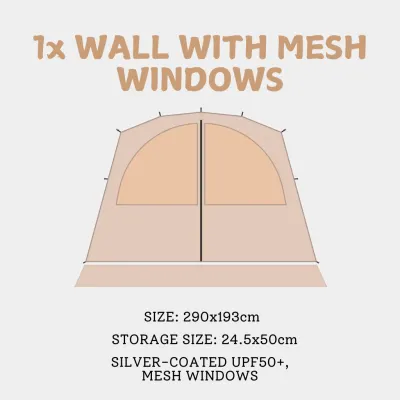
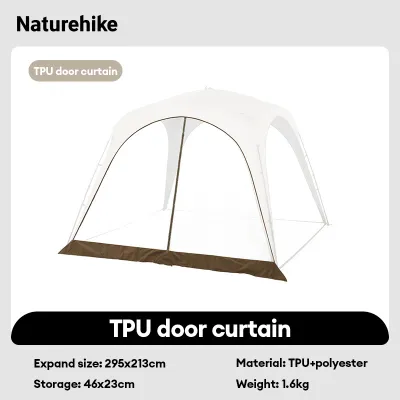
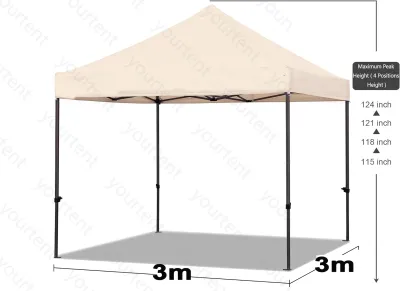
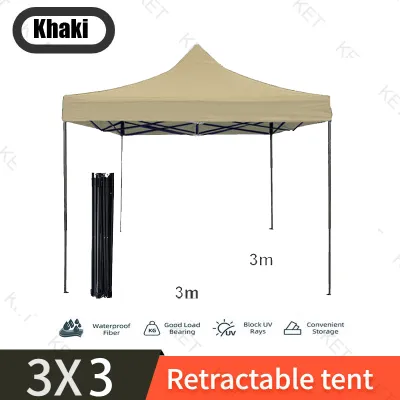
Prices are valid at publication and may change. Please refer to the product page for the latest price.
For tropical wet and sunny conditions, specific fabric ratings are non-negotiable. Look for fabrics with a minimum Ultraviolet Protection Factor (UPF) of 50+ to block harmful solar radiation during intense midday heat. For rain protection, verify the hydrostatic head rating, which measures waterproof capability in millimeters. A rating of at least 1500mm is recommended for light showers, while a 3000mm rating is necessary to prevent water from penetrating the fabric during heavy tropical downpours.
Navigating the financial aspect of outdoor gear on major e-commerce platforms reveals distinct budget-to-durability tiers. Entry-level canopies priced between ₱1,500 and ₱3,000 often feature thin fabrics and lightweight steel frames, making them suitable for casual backyard use or calm beach days but risky for overnight mountain camping. Mid-range options from ₱3,500 to ₱6,000 offer a better balance of reinforced joints, thicker coatings, and improved wind resistance. Heavy-duty, professional-grade models exceeding ₱8,000 utilize premium aluminum or powder-coated steel frames and high-denier fabrics designed to endure repeated exposure to harsh elements.
Evaluating Canopy Materials and Frame Durability
The frame is the backbone of your automatic canopy, and its material directly impacts both transportability and longevity. Steel frames are highly rigid and cost-effective, providing excellent stability in moderate winds due to their weight. However, in the humid and coastal environments common across the Philippine archipelago, untreated steel is highly susceptible to rust. If you choose steel, verify that it features a high-quality powder-coated or hammer-tone finish to seal the metal against moisture.

Aluminum frames offer a compelling alternative, especially for campers concerned about vehicle payload or carrying distance. Aluminum is naturally resistant to rust and significantly lighter than steel, making it ideal for coastal beach camping where saltwater spray accelerates corrosion. The trade-off lies in rigidity; lightweight aluminum frames can bend or warp under extreme wind loads if they lack internal reinforcement or proper wall thickness. High-end models often use anodized aluminum with hexagonal leg profiles to maximize strength without adding excessive weight.
Fabric durability is determined by denier count, weave density, and protective coatings. Denier (D) measures the thickness of the individual threads; a 150D fabric is lightweight and easy to pack, but a 300D or 420D polyester fabric offers vastly superior tear resistance and longevity. Ensure the fabric is treated with a polyurethane (PU) coating on the underside to block water penetration. Additionally, inspect the seams of the canopy—unsealed seams will leak under heavy rain, so look for factory-applied seam tape along all stitched lines.
Structural design innovations can dramatically improve how a canopy handles wind resistance. Look for models featuring a full truss design, where the internal ceiling support bars cross over each other to distribute stress evenly across the entire frame. A vented double roof is another critical feature for tropical camping; it allows hot air to escape from the top while providing a release path for sudden gusts of wind, preventing the canopy from acting like a sail and lifting off the ground. Reinforced corner joints, particularly those made of high-impact nylon or cast aluminum rather than brittle plastic, prevent the frame from snapping at its most vulnerable stress points.
Matching Canopy Size and Portability to Your Camping Style
Selecting the right footprint size depends on your typical camping group size and how you plan to use the communal space. A compact 2×2 meter canopy is highly portable and provides sufficient shelter for solo campers or couples who only need to cover a small cooking table and two chairs. For family camping trips or groups of four to six people, a standard 3×3 meter canopy is the industry benchmark, offering 9 square meters of coverage which comfortably accommodates a full dining setup and gear storage. Larger groups or multi-family basecamps may require a 3×6 meter structure, though these require multiple people to set up and occupy significant space in a vehicle.
Portability is directly tied to packed weight and folded dimensions, which must align with your transport limitations. A heavy-duty 3×3 meter steel canopy can easily weigh between 15 to 25 kilograms and fold down to a length of over 1.2 meters. Before purchasing, measure your vehicle’s trunk space or roof rack capacity to ensure the packed unit fits alongside your sleeping tents, coolers, and personal luggage. If you must hike even a short distance to your campsite, look for wheeled carry bags with reinforced handles to ease the physical strain of transport.
The mechanism of an automatic canopy determines how quickly you can react to sudden weather changes. True automatic or “instant” pop-up designs utilize a central hub system or pre-attached telescoping legs with spring-loaded buttons. These systems allow a single camper to expand the frame and lock it into place within minutes. When evaluating these mechanisms, test or verify the smoothness of the sliding brackets; pinch-free release buttons are highly desirable as they prevent finger injuries during rapid teardown when a storm approaches.
Pre-Purchase Verification and Maintenance Basics
Because online listings on e-commerce platforms can sometimes feature exaggerated claims, performing a pre-purchase verification is essential. Carefully read the detailed product specifications rather than relying solely on promotional titles. Cross-check the listed fabric weight against the total shipping weight of the package; if a seller claims a heavy-duty 420D fabric and a steel frame but the shipping weight is under 10 kilograms, the materials are likely much thinner than advertised. Look for explicit measurements of the frame leg thickness, aiming for steel legs with a wall thickness of at least 0.7mm or aluminum legs of 1.0mm or more.
Post-trip maintenance is the single most important factor in extending the lifespan of your outdoor gear. After camping in humid tropical conditions or near coastal areas, never store your canopy wet or salty. Saltwater residue accelerates metal corrosion and degrades fabric coatings, while trapped moisture leads to rapid mold and mildew growth that ruins the waterproof PU layer. Always hose down the frame and fabric with fresh water upon returning home, then erect the canopy in a shaded, well-ventilated area until it is completely dry before packing it away.
Finally, protect your investment by scrutinizing the seller’s policies and the availability of replacement parts. Automatic frames have many moving parts, and a single bent strut or broken plastic joint should not render the entire canopy useless. Check if the manufacturer or local distributor sells individual replacement truss bars, joint brackets, and replacement canopy tops. Prioritize sellers who offer clear return windows and warranties against manufacturing defects, ensuring you have recourse if the frame arrives damaged or fails during its initial setup.
Frequently Asked Questions (FAQ)
Can I use an automatic pop-up canopy as a primary sleeping tent?
Standard automatic pop-up canopies are designed primarily for sun and rain protection during the day and are not suitable as primary sleeping tents. They lack integrated insect netting and fully sealed floors, leaving you completely exposed to mosquitoes, ants, and crawling pests common in tropical environments. Additionally, because they do not have enclosed walls, blowing rain can easily saturate your sleeping gear, and they offer no protection against sudden temperature drops or drafts during overnight mountain camps.
How do I prevent the frame from bending in strong winds?
To protect your canopy frame from bending or collapsing in strong winds, you must properly anchor the structure immediately after setup. Always secure the canopy using heavy-duty stakes driven into the ground at a 45-degree angle, and tension the included guylines outward from the top corners of the frame. In sandy or loose soil, utilize weight bags filled with sand, gravel, or water bottles attached securely to each leg. If wind speeds increase significantly, lower the canopy to its lowest height setting to reduce wind resistance, and collapse the structure entirely if severe weather or typhoons are expected.
What is the best way to clean and store a wet canopy?
The best way to clean a wet canopy is to gently wash the fabric with a soft sponge, cool water, and a mild, non-detergent soap to avoid stripping the waterproof polyurethane coating. Avoid harsh chemical cleaners, bleach, or abrasive brushes that can tear the fabric or degrade the UV-resistant treatments. Once cleaned, the canopy must be completely air-dried in a well-ventilated, shaded area out of direct sunlight, as prolonged UV exposure during drying can weaken the fibers. Ensure both the fabric and the metal frame are entirely dry to the touch before folding and storing them in a cool, dry place.
Community discussion
Share your experience or ask a question. Comments are reviewed before publication.